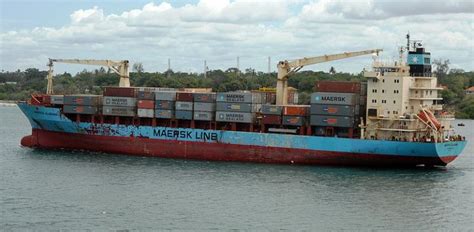
The Maersk Alabama hijack, which occurred in 2009, is a stark reminder of the dangers of piracy on the high seas. The incident, where Somali pirates hijacked the U.S.-flagged container ship, resulted in a dramatic rescue operation by the U.S. Navy. As we delve into the details of this event, it’s essential to explore the broader context of piracy, its impact on global trade, and the lessons learned from this ordeal.
Introduction to Piracy
Piracy, which has been a plague on international shipping for centuries, has evolved over the years. Modern piracy often involves sophisticated networks of criminals who use advanced technology to track and capture vessels. The Gulf of Aden and the Indian Ocean, where the Maersk Alabama was hijacked, are notorious hotspots for piracy due to their proximity to Somalia, a country plagued by political instability and economic hardship.
The Maersk Alabama Incident
On April 8, 2009, the Maersk Alabama, under the command of Captain Richard Phillips, was navigating through the Gulf of Aden when it was attacked by four Somali pirates. The pirates, armed with AK-47s and rocket-propelled grenades, managed to board the ship. However, they were unable to take control of the vessel as the crew had disabled the ship’s engines and locked themselves in a secure room. Captain Phillips, in an attempt to protect his crew, offered himself as a hostage to the pirates.
Crisis Management and Negotiation
The situation quickly escalated into an international crisis, with the U.S. Navy dispatching the USS Bainbridge, a guided-missile destroyer, to the scene. The negotiation process between the pirates and the U.S. authorities was complex, with the pirates demanding a ransom in exchange for the safe release of Captain Phillips. Meanwhile, the crew of the Maersk Alabama managed to regain control of their ship and continued on their journey, leaving the USS Bainbridge to deal with the pirates.
Rescue Operation
After a tense standoff lasting several days, U.S. Navy SEALs conducted a daring rescue operation on April 12, 2009. The SEALs, operating from the USS Bainbridge, launched a precision strike against the pirate lifeboat where Captain Phillips was being held, killing three of the pirates and capturing the fourth. Captain Phillips was rescued unharmed, bringing an end to the five-day ordeal.
International Response to Piracy
The Maersk Alabama hijack highlighted the need for an international response to combat piracy. The incident led to increased cooperation between nations, with the establishment of the Contact Group on Piracy off the Coast of Somalia (CGPCS) in 2009. The CGPCS brought together over 80 countries and organizations to share intelligence, coordinate efforts, and develop strategies to prevent and respond to pirate attacks.
Lessons Learned
The Maersk Alabama hijack provides valuable lessons for the maritime industry and governments worldwide. The importance of vigilance, preparedness, and international cooperation cannot be overstated. Ships traversing high-risk areas must implement robust security measures, including the use of armed guards, surveillance equipment, and secure communication systems. Furthermore, the incident underscores the need for clear protocols for crisis management, negotiation, and rescue operations.
Enhancing Maritime Security
Enhancing maritime security requires a multi-faceted approach. This includes:
Step 1: Implementing Security Measures
Ships must be equipped with adequate security measures such as fencing, watchtowers, and surveillance systems to deter and detect pirate attacks.
Step 2: Training and Preparation
Crew members should undergo comprehensive training in security protocols, emergency response, and crisis management to ensure they are equipped to handle pirate attacks effectively.
Step 3: International Cooperation
Nations must work together to share intelligence, coordinate naval patrols, and develop unified strategies to combat piracy, reducing the incentives for pirates to operate in these waters.
The Human Element
Beyond the strategic and tactical lessons, the Maersk Alabama hijack also highlights the human element of such crises. The bravery and quick thinking of Captain Phillips and his crew, as well as the precision and professionalism of the U.S. Navy SEALs, were instrumental in resolving the situation. The psychological impact on those involved, including the survivors of pirate attacks and their families, must not be overlooked. Support systems and counseling services are essential to help individuals cope with the trauma associated with such events.
Future Trends and Challenges
As the world continues to evolve, new challenges and trends will emerge in the realm of maritime security. The increasing use of technology, such as drones and cyber attacks, poses new threats to ships and ports. Moreover, the impact of climate change on global weather patterns and sea levels may alter traditional shipping routes and increase the risk of accidents and criminal activities. It is crucial for the maritime industry and governments to stay ahead of these challenges through continuous innovation, cooperation, and investment in security infrastructure.
Conclusion
The Maersk Alabama hijack serves as a stark reminder of the dangers of piracy and the importance of international cooperation in combating this threat. By examining the details of this incident and the broader context of piracy, we can derive valuable lessons for enhancing maritime security. As we move forward, it is essential to stay vigilant, adapt to emerging challenges, and prioritize the safety and security of seafarers and the global maritime trade.
FAQs
What was the Maersk Alabama hijack, and why is it significant?
+The Maersk Alabama hijack refers to the 2009 incident where Somali pirates seized the U.S.-flagged container ship Maersk Alabama. It is significant because it highlighted the threat of piracy to international shipping and led to increased international cooperation to combat piracy.
How did the crew of the Maersk Alabama manage to regain control of their ship?
+The crew managed to disable the ship’s engines and lock themselves in a secure room, preventing the pirates from taking full control of the vessel. This act of bravery and quick thinking allowed the crew to eventually regain control of their ship.
What measures can be taken to prevent pirate attacks on ships?
+Measures to prevent pirate attacks include implementing robust security protocols such as the use of armed guards, surveillance equipment, and secure communication systems. Additionally, ships should adhere to Best Management Practices (BMP) for transiting high-risk areas, including maintaining high speeds, using watchkeepers, and reporting to authorities.