

Mandala Coloring Book Pages Overview
Many people often assume that Liquid Charts Pro and similar tools are complex and intimidating, but in reality, they are designed to simplify and provide an accessible overview. While the values and formats may vary depending on certain factors, the core purpose remains the same: to offer a clear visual representation.
Liquid Charts Pro is an invaluable resource, especially when you need a quick reference. It ensures accuracy and understanding, making it an essential companion for anyone working with liquid measurements and specific gravity charts.
Understanding the Chart: An Overview
Liquid Charts Pro is a comprehensive tool designed to help you accurately measure and understand the properties of liquids. This chart provides a visual representation of various liquid characteristics, making it an essential guide for professionals and enthusiasts alike. By using this chart, you can quickly identify key measurements and make informed decisions.
Key Measurements and Their Standards
The chart offers a range of measurements, each serving a specific purpose. One crucial aspect is the specific gravity of liquids, which is often compared to water as a reference point. Hydrometers are commonly used to measure this, and the chart provides a clear scale to interpret these readings. Additionally, the API gravity scale, a widely adopted standard, is featured, allowing for easy conversion and comparison. For those in the food and beverage industry, the Brix scale is included, offering insights into sugar content. These measurements are typically presented in both imperial and metric units, ensuring versatility.
A Step-by-Step Guide to Using Liquid Charts Pro
Using Liquid Charts Pro is straightforward:
- Identify the type of liquid you are working with and its intended application.
- Locate the relevant section on the chart, ensuring you are using the correct standard (e.g., API gravity or Brix scale).
- Take your measurement using the appropriate tool, such as a hydrometer or refractometer.
- Refer to the chart's scale and interpret your reading. The chart will guide you in understanding the liquid's properties, such as density, concentration, or purity.
- Adjust your process or recipe based on the insights gained from the chart.
Common Misreadings and How to Avoid Them
While Liquid Charts Pro is designed for accuracy, there are a few potential pitfalls to watch out for:
- Unit Confusion: Always double-check the units used on the chart, especially when converting between imperial and metric systems.
- Incorrect Scale: Ensure you are using the right scale for your liquid type. For instance, using the Brix scale for measuring alcohol content will give inaccurate results.
- Tolerances: Be aware that some liquids may have specific tolerances or exceptions. The chart provides general guidelines, so it's essential to consult detailed specifications for precise applications.
- Environmental Factors: Variations in temperature and pressure can affect liquid properties. Consider these factors when taking measurements and interpreting results.
Remember, Liquid Charts Pro is a valuable tool, but it's important to understand its limitations and always refer to industry-specific guidelines for critical applications.
Remember, every situation is unique, so while these guidelines offer a solid foundation, the exact details may shift slightly to fit your specific needs. Don't hesitate to explore other guides on our site, where you'll find a wealth of practical advice and resources to enhance your skills and knowledge. Happy learning!
Related: How to Read the Shein Size Chart?
Many shoppers approach the Shein size chart with hesitation, assuming it's a complex puzzle to decipher. But fear not! It's a straightforward tool to ensure your Shein haul fits like a dream. This chart is your guide, offering a simple way to navigate the sizing differences that can vary across regions and brands.
Understanding the Shein Size Chart
The Shein size chart is a practical tool to help you find the perfect fit for your Shein fashion purchases. It's a simple guide that ensures you get the right size every time, making online shopping a breeze. This chart is your key to unlocking a seamless shopping experience, so let's dive in!
Key Details and Categories
The Shein size chart typically follows international size standards, with measurements in both centimeters (cm) and inches. It covers various clothing categories, including tops, bottoms, dresses, and more. You'll find columns for different body measurements, such as bust, waist, and hip sizes, along with corresponding Shein size recommendations. The chart provides a clear, easy-to-read format, ensuring you can quickly find your ideal size.
How to Read and Apply the Size Chart
Using the Shein size chart is straightforward. Here's a step-by-step guide:
Measure yourself accurately. Use a measuring tape to get precise measurements for your bust, waist, and hips. Make sure you follow the guide's instructions for proper measuring techniques.
Find your measurements on the chart. Look for the columns that correspond to your body part measurements. For instance, if you're measuring for a top, locate your bust size.
Identify the recommended size. The chart will provide a suggested Shein size based on your measurements. Cross-reference your measurements with the size guide to find the best fit.
Consider the garment's style. Some styles may have a looser or tighter fit. If you prefer a specific fit, you can adjust your size choice accordingly.
Double-check the product's size guide. Each Shein product may have a specific size guide with slight variations. Always refer to the product's size chart for the most accurate information.
Size Chart Variations and Differences
It's important to note that size charts can vary across brands and regions. Shein's size chart follows international standards, but there may be slight differences compared to other brands' charts. Additionally, factors like fabric stretch, garment design, and personal preferences can influence the fit. It's always a good idea to refer to the specific product's size guide for the most precise sizing information.
Common Mistakes and How to Avoid Them
To ensure an accurate fit, avoid these common mistakes:
Relying solely on your usual size: Every brand's size chart can vary, so always refer to the Shein size chart for the best fit.
Ignoring the product's size guide: Each product may have unique sizing details, so always check the specific size guide provided.
Measuring inaccurately: Take precise measurements to ensure an accurate size recommendation.
Not considering fabric stretch: Some fabrics have more give, so choose a size that accounts for this factor.
By following these tips and utilizing the Shein size chart effectively, you'll enjoy a seamless shopping experience and find your perfect fit every time!
Hey there, we hope you found this guide helpful and that your Shein shopping experience is a breeze! Remember, size charts are a handy tool, but they can vary slightly depending on the brand and your personal preferences. It's always a good idea to check the measurements and reviews to ensure a perfect fit.
Feel free to bookmark this page for future reference, and don't forget to explore our other practical guides to make your online shopping adventures even more enjoyable and stress-free. Happy shopping!
Related: How to Read a Dog Dental Chart?
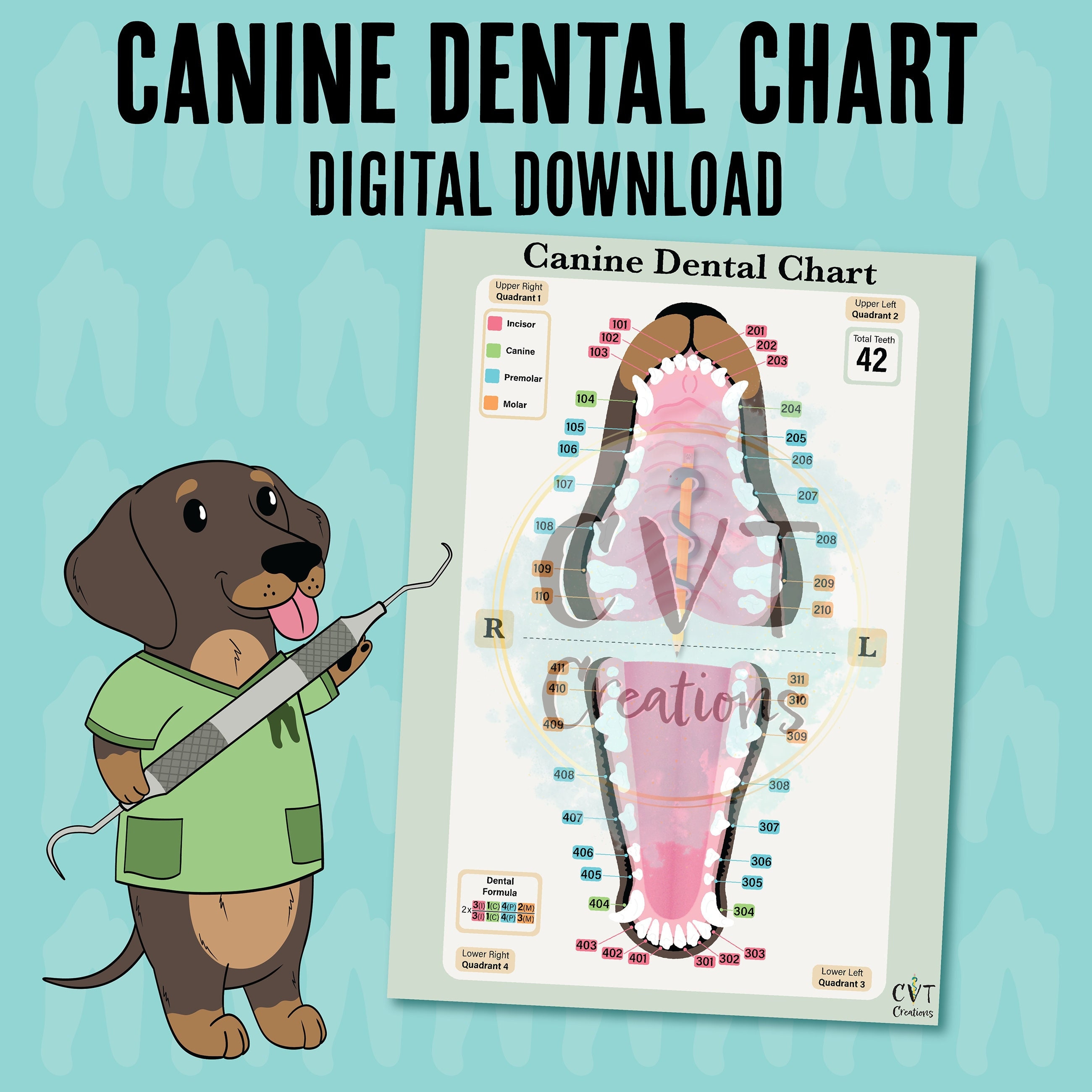
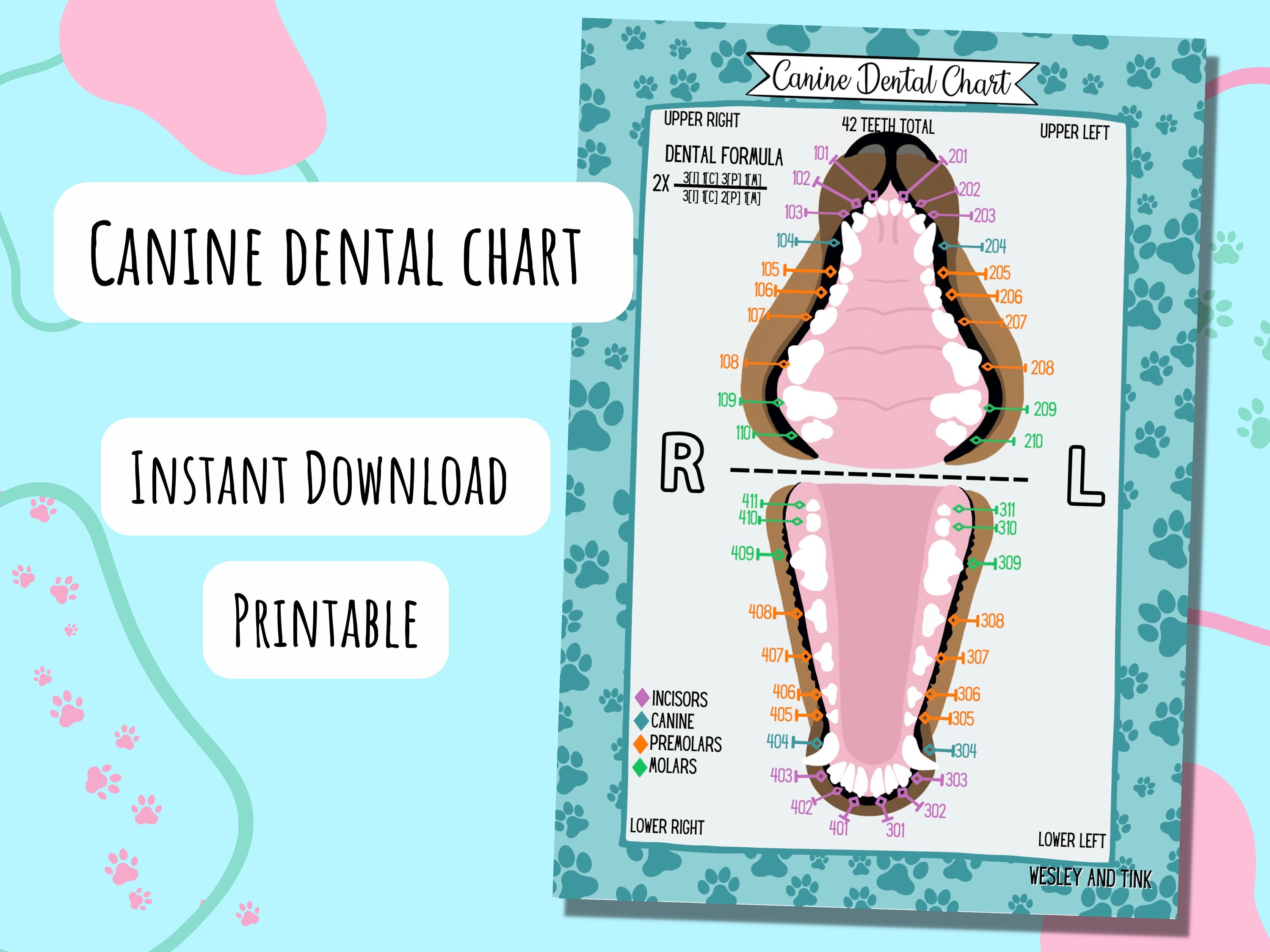
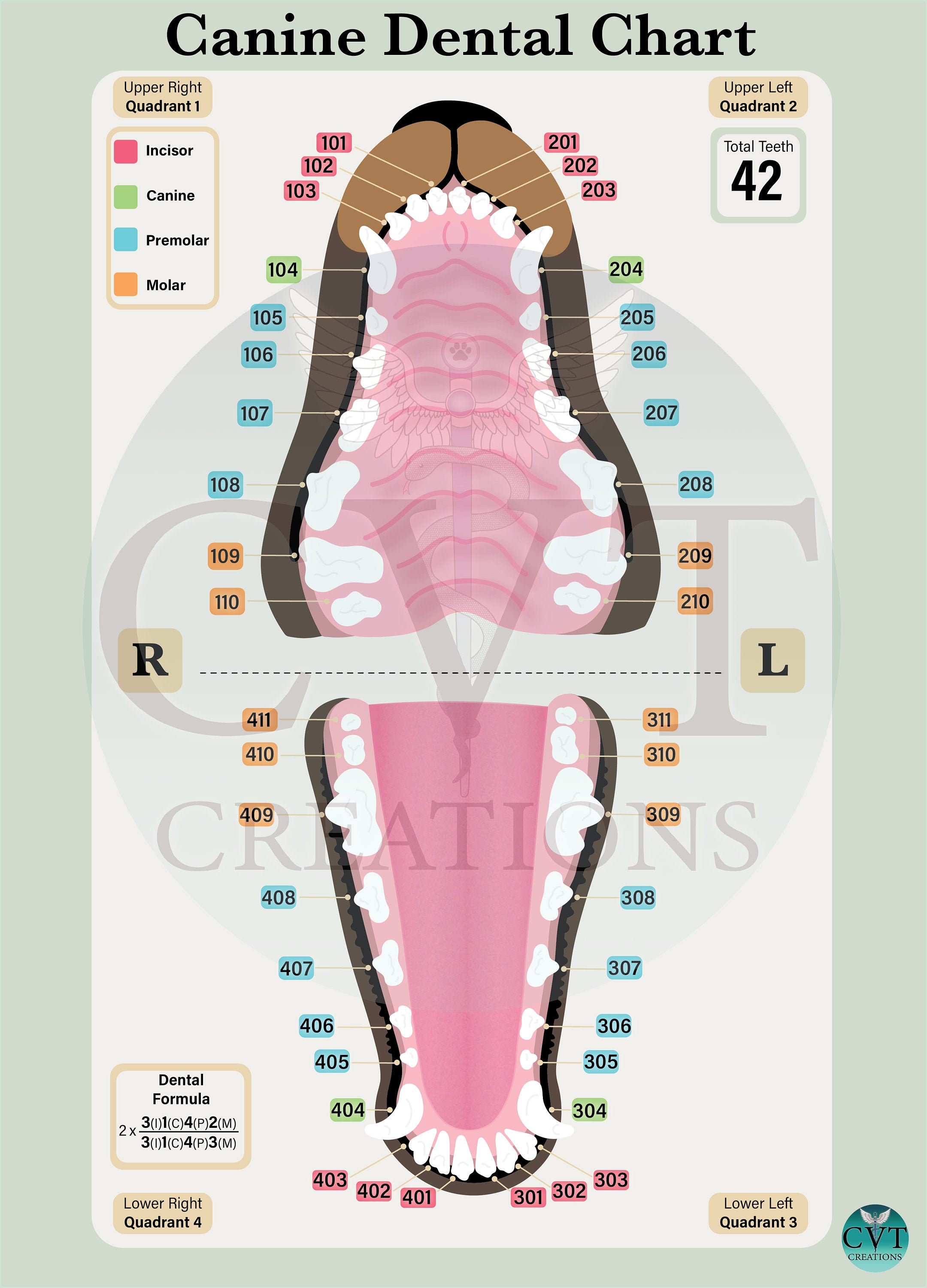
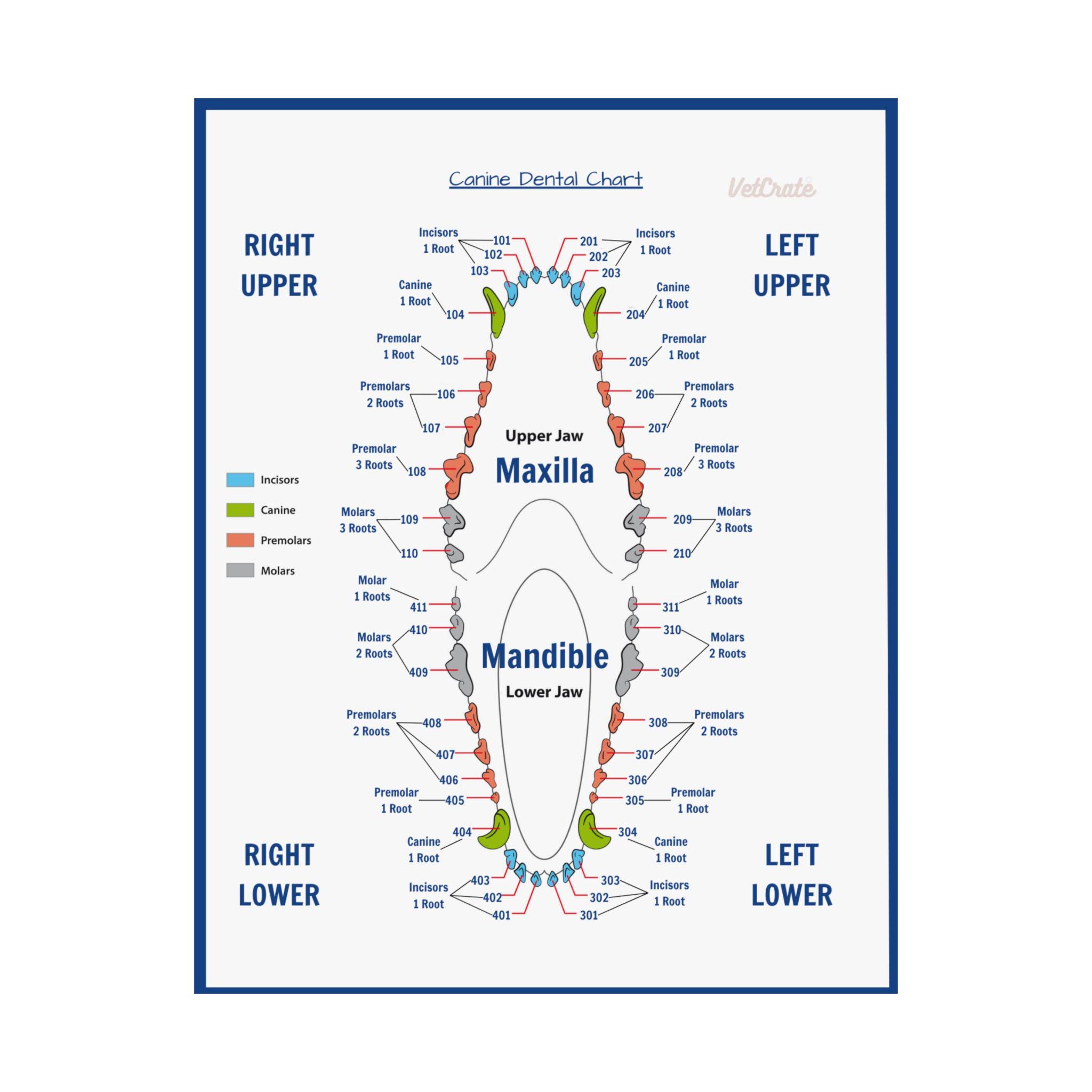
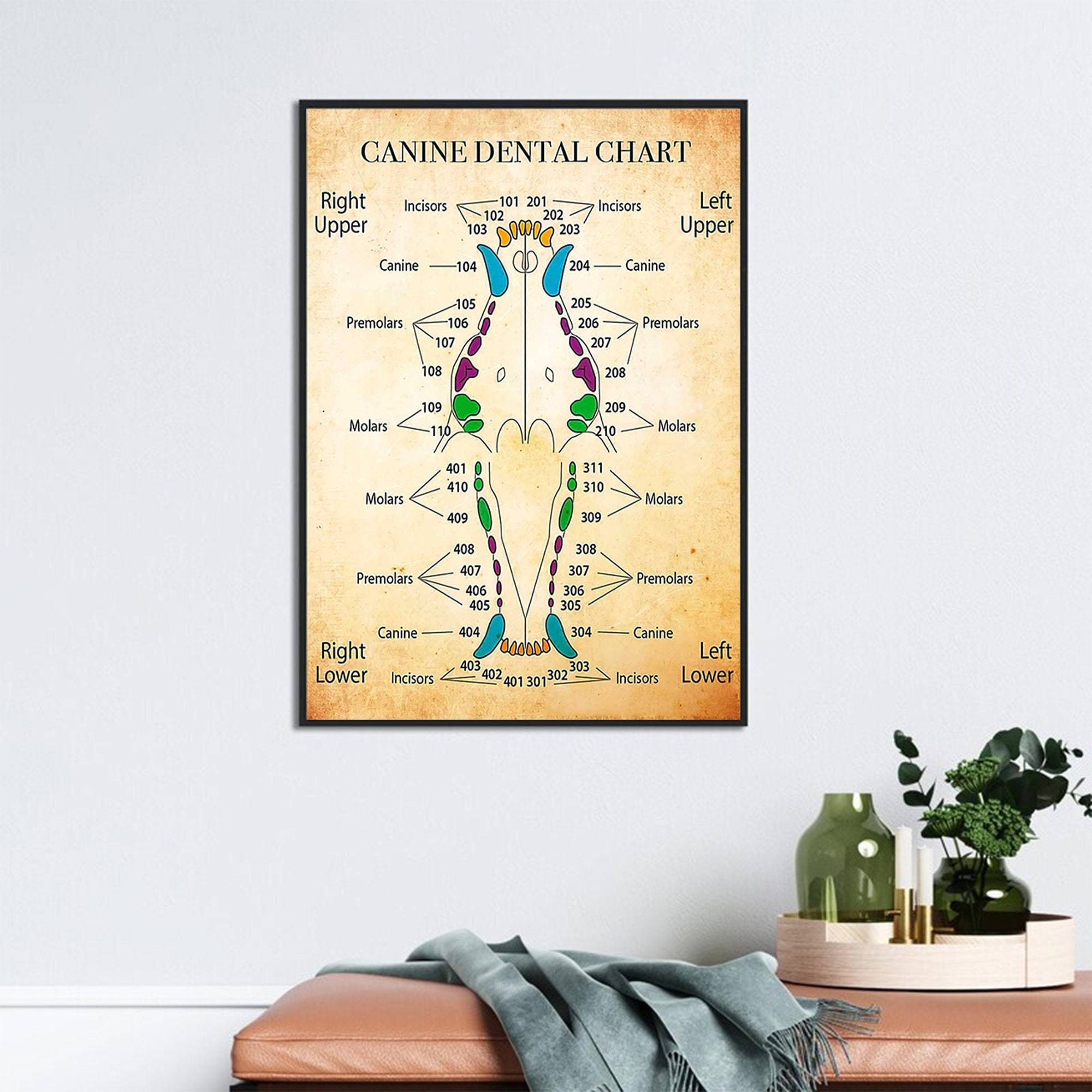
You're here because you need a quick guide to understanding dog dental charts and their purpose. Maybe you're a dog owner wanting to learn more about your pet's oral health, or perhaps you're a professional seeking a reliable reference.
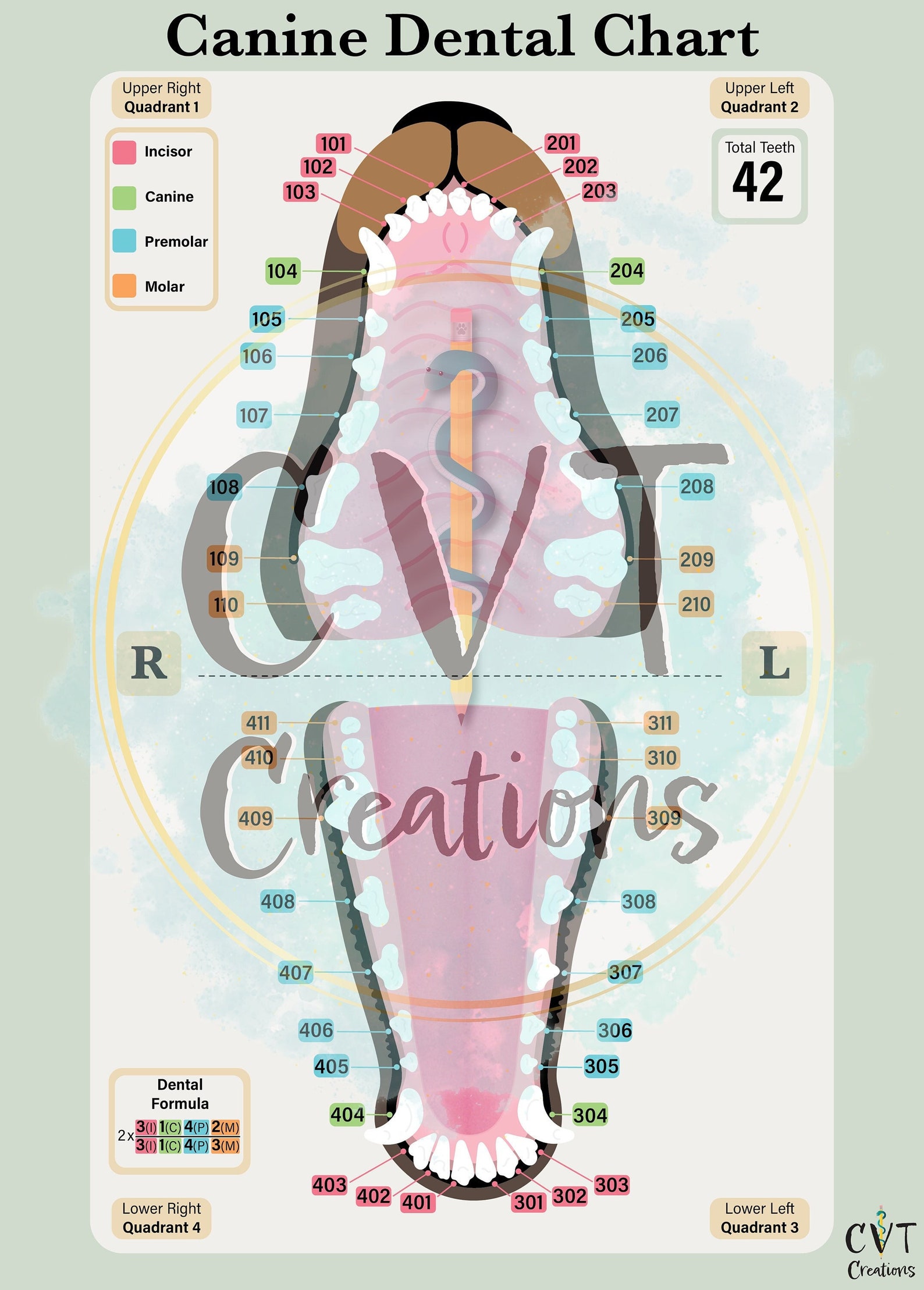
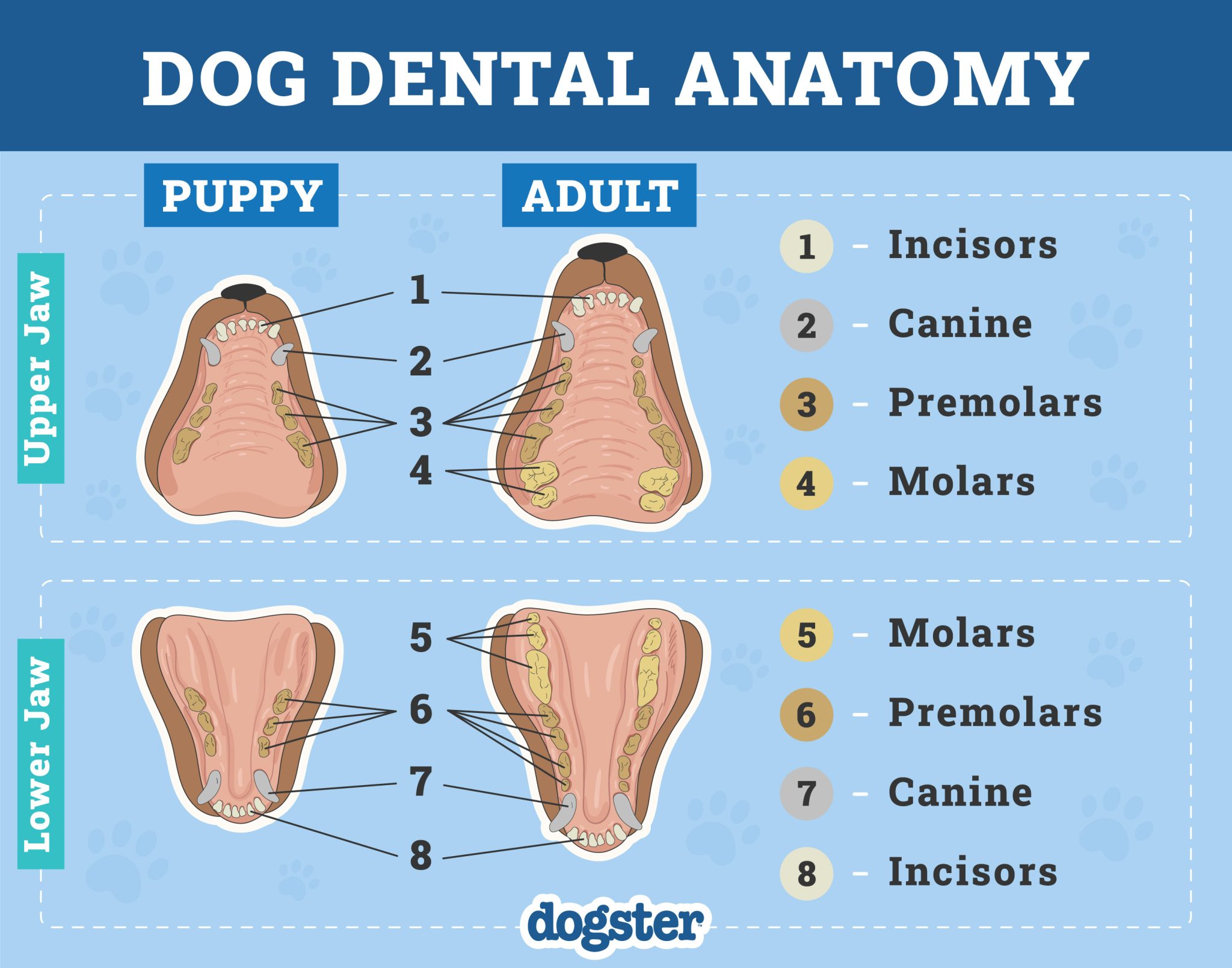
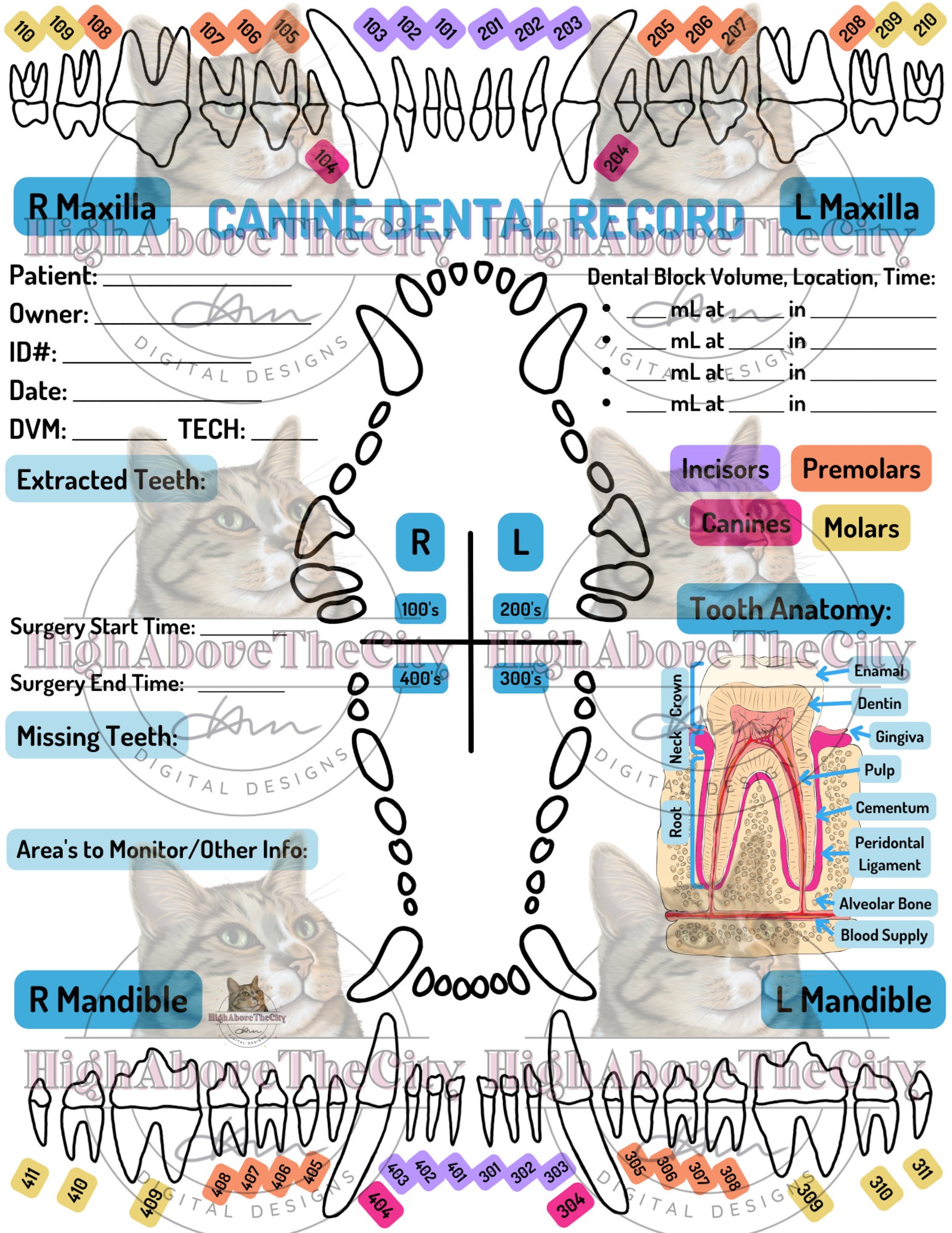
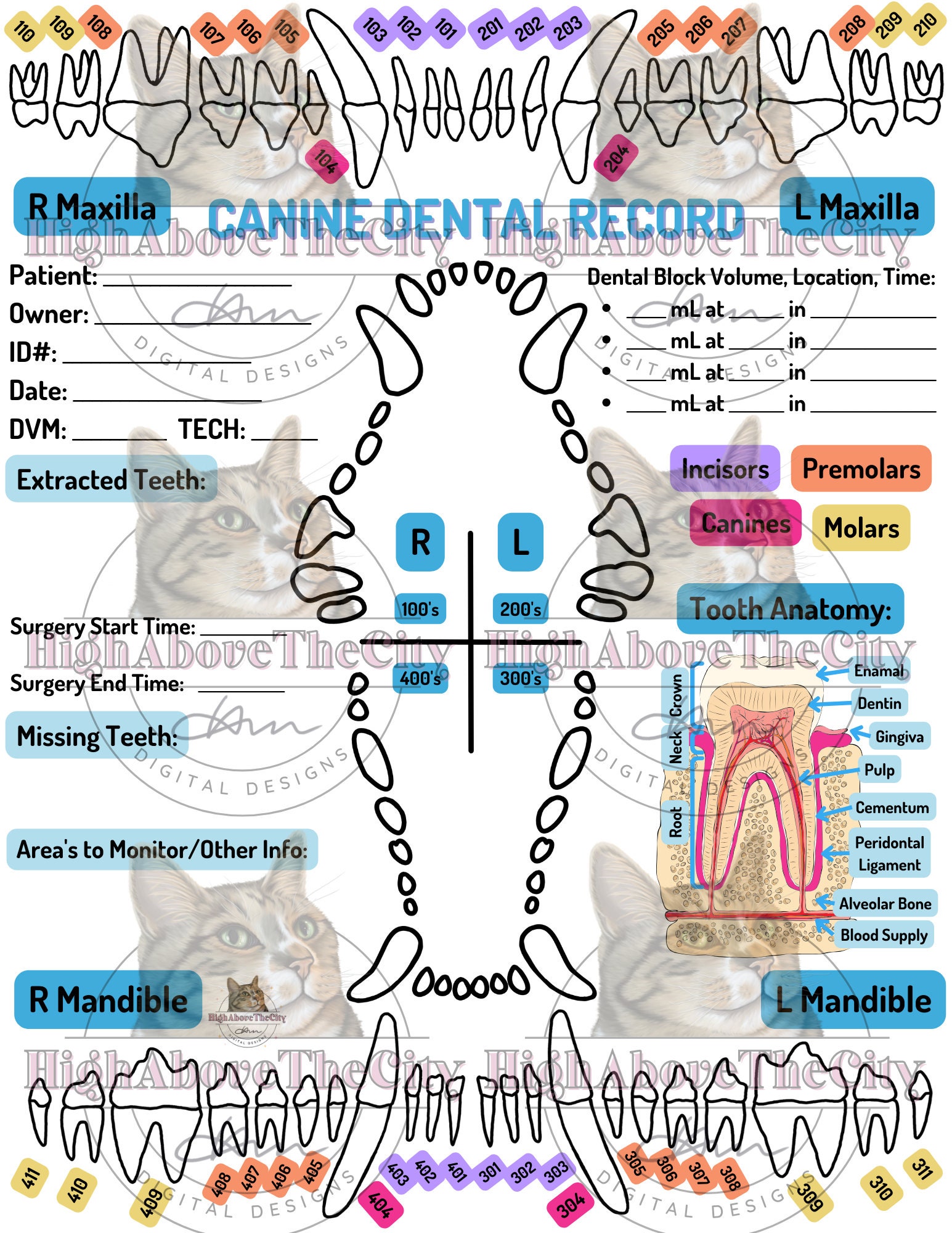
These charts are a handy tool, offering a visual representation of a dog's teeth, often with additional details like tooth names, positions, and even growth patterns. While the exact format and content can vary, they provide an accessible way to learn about canine dentition, a fascinating and important aspect of dog health.
Understanding the Dog Dental Chart
The dog dental chart is a handy tool for dog owners and vets, providing a visual guide to a dog's teeth. It offers a simple way to identify and understand the different teeth, their positions, and any potential issues. This chart is a great reference for oral care and can help you keep your furry friend's teeth healthy.
Key Details and Categories
The canine dentition chart typically follows a standard tooth numbering system. This system assigns numbers or letters to each tooth, making it easy to refer to specific teeth. The chart usually covers all the teeth in a dog's mouth, from the tiny incisors at the front to the powerful molars at the back. It might also include a dental formula, which is a simple way to represent the number and type of teeth a dog has.
How to Read and Use the Chart
Reading the dog dental chart is straightforward. Each tooth is labeled with a unique identifier, often a number or a combination of letters and numbers. For example, the upper right canine tooth might be labeled "URC" or "404." The chart might also indicate the tooth's position, size, and any special features. To use the chart, simply match the tooth you want to identify with its corresponding label. You can then refer to the chart's key or legend to learn more about that specific tooth. It's a quick way to check for any abnormalities or to plan dental procedures.
Variations and Differences
While the dog dental chart provides a standard reference, there can be variations across different standards and contexts. For instance, the tooth numbering system may differ between regions or even among vets. Additionally, dog teeth diagrams might not account for all the unique dental anatomy of every breed. Some dogs, especially those with brachycephalic (short-nosed) skulls, may have variations in tooth placement or even missing teeth. It's important to be aware of these potential differences and to consult with a vet for precise information about your dog's specific dental measurements and needs.
Remember, while this dog dental chart is a handy reference, it's always best to consult with your vet for specific guidance tailored to your pup's needs. Exact values can vary, so it's a good idea to double-check and ensure you have the right information for your context.
Consider bookmarking this page for future reference. It's a simple yet effective tool to have on hand, and you never know when you might need a quick reminder about dog dental health!