The iconic musical West Side Story, a masterpiece created by Leonard Bernstein and Stephen Sondheim, has been a cornerstone of American musical theater since its debut in 1957. This groundbreaking work, directed and choreographed by Jerome Robbins, is an adaptation of William Shakespeare’s Romeo and Juliet, set in the Upper West Side neighborhood of New York City in the 1950s. The narrative revolves around the rivalry between two gangs: the Jets, a white gang, and the Sharks, a Puerto Rican gang, and the tragic love story between Tony, a Jet, and Maria, the sister of the Sharks’ leader, Bernardo.
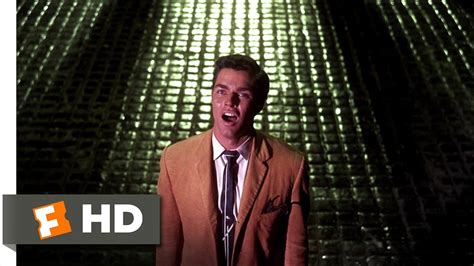
Maria, played originally by Carol Lawrence, is a pivotal character in the musical. She is a young, beautiful, and innocent Puerto Rican woman who falls in love with Tony at a school dance, despite the animosity between their groups. Her character symbolizes hope, love, and the desire for a better life. The song “Maria,” sung by Tony, is a poignant expression of his infatuation with her, showcasing the deep emotional impact she has on him.
The song “Maria” is a beautiful, melodic piece with intricate harmonies and poetic lyrics. The music, written by Leonard Bernstein, and the lyrics, penned by Stephen Sondheim, captures the essence of Tony’s feelings for Maria. The song is often performed with a sense of longing and yearning, conveying the intensity of Tony’s emotions. The melody is hauntingly beautiful, with a soaring quality that matches the emotional highs of the lyrics.
One of the most striking aspects of “Maria” is its use of musical motifs. Bernstein’s score is characterized by the use of recurring musical themes, or leitmotifs, which are associated with specific characters or ideas. The melody of “Maria” is derived from the musical motif that represents the character of Maria, which is first introduced in the song “Dance at the Gym.” This motif is woven throughout the musical, often symbolizing the presence or influence of Maria.
The lyrics of “Maria” are also noteworthy for their poetic and expressive qualities. Sondheim’s words are both personal and universal, capturing the essence of Tony’s emotions while also conveying a deeper sense of longing and desire. The lyrics are full of vivid imagery and metaphor, creating a rich and evocative portrait of Maria.
In terms of its place within the musical, “Maria” serves as a pivotal moment in the narrative. The song marks a turning point in Tony’s character development, as he begins to question his loyalty to the Jets and his involvement in the gang rivalry. The song also sets the stage for the tragic events that unfold, as Tony’s love for Maria ultimately leads to his downfall.
The impact of “Maria” can be seen in its enduring popularity and influence. The song has been covered by numerous artists, including Larry Kert, who originated the role of Tony on Broadway, and has been featured in various adaptations and interpretations of West Side Story. The song’s themes of love, desire, and the redemptive power of relationships continue to resonate with audiences today.
In conclusion, “Maria” is a masterpiece of American musical theater, a song that has become synonymous with the iconic musical West Side Story. Its beautiful melody, poetic lyrics, and poignant performance have made it a beloved classic, continuing to inspire and influence new generations of artists and audiences alike.
The historical context of West Side Story is also worth noting. The musical premiered in 1957, a time of great social change and upheaval in the United States. The civil rights movement was gaining momentum, and issues of racial tension and inequality were at the forefront of the national conversation. West Side Story, with its portrayal of gang violence and racial conflict, was a powerful commentary on these issues, using the medium of musical theater to raise awareness and spark dialogue.
The song “Maria” has been interpreted in various ways over the years, with some seeing it as a romantic ballad and others as a symbol of the destructive power of love. Regardless of interpretation, the song remains a powerful and enduring part of the West Side Story legacy, continuing to inspire and influence new generations of artists and audiences alike.
In terms of its performance history, “Maria” has been sung by numerous artists over the years, each bringing their own interpretation to the role. The song has been featured in various adaptations and interpretations of West Side Story, including the 1961 film adaptation and the 2020 Broadway revival.
What is the significance of the song "Maria" in West Side Story?
+The song "Maria" is a pivotal moment in the musical, marking a turning point in Tony's character development and setting the stage for the tragic events that unfold. The song's themes of love, desire, and the redemptive power of relationships continue to resonate with audiences today.
How has "Maria" been interpreted over the years?
+The song "Maria" has been interpreted in various ways, with some seeing it as a romantic ballad and others as a symbol of the destructive power of love. Regardless of interpretation, the song remains a powerful and enduring part of the West Side Story legacy.
In conclusion, “Maria” is a masterpiece of American musical theater, a song that has become synonymous with the iconic musical West Side Story. Its beautiful melody, poetic lyrics, and poignant performance have made it a beloved classic, continuing to inspire and influence new generations of artists and audiences alike. Whether seen as a romantic ballad or a symbol of the destructive power of love, “Maria” remains a powerful and enduring part of the West Side Story legacy, a testament to the timeless themes and melodies of this iconic musical.