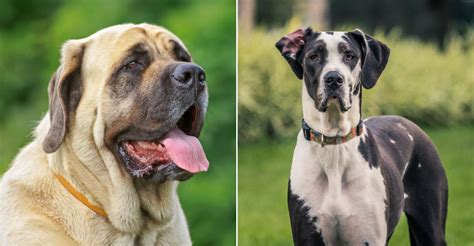
The majesty of Mastiffs is a sight to behold. With their imposing size, gentle nature, and rich history, it’s no wonder why these dogs have been favorites among many cultures for centuries. Despite their massive size, Mastiffs are often referred to as “gentle giants” due to their calm and affectionate demeanor, making them a beloved companion for families and individuals alike.
Origins and History of Mastiffs
Mastiffs have a long and storied history that dates back thousands of years. The earliest recorded mention of Mastiff-like dogs was in ancient civilizations in Egypt, Greece, and Rome, where they were highly valued for their strength, loyalty, and protective instincts. These early Mastiffs were often used as guardians, watchdogs, and even companions for royalty and nobility. Over time, various breeds of Mastiffs were developed, each with unique characteristics and traits, but all sharing the common bond of being powerful, yet gentle, giants.
The Role of Mastiffs in Ancient Times
In ancient times, Mastiffs played a crucial role in protecting livestock, homes, and families from predators and intruders. Their intimidating size and powerful build made them an effective deterrent, and their loyal nature ensured that they would defend their loved ones to the end. This instinct to protect has been passed down through generations, making modern Mastiffs excellent watchdogs and companions.
Characteristics of Mastiffs
Despite their size, Mastiffs are known for their gentle and laid-back nature. They are often described as calm, patient, and laid-back, making them an excellent choice for families with children. However, their size and strength require careful handling and training, and early socialization is crucial to ensure they grow into well-adjusted adult dogs.
Mastiffs are not naturally aggressive dogs, but their protective instincts can be triggered if they feel their family is being threatened. Proper training and socialization are essential to ensure they understand what constitutes a real threat and what doesn't.
Physical Characteristics
Mastiffs are massive dogs, with some breeds weighing up to 230 pounds and standing as tall as 30 inches at the shoulder. Their coats can vary in color and texture, but they are often thick and dense, requiring regular grooming to prevent matting and tangling. Their large, wrinkled faces and droopy ears give them a distinctive appearance, and their broad, muscular build speaks to their incredible strength.
Breeds of Mastiffs
There are several breeds of Mastiffs, each with unique characteristics and traits. Some of the most popular breeds include:
- English Mastiff: Known for their massive size and gentle nature, English Mastiffs are often considered the quintessential Mastiff breed.
- Bullmastiff: A cross between an English Mastiff and a Bulldog, Bullmastiffs are known for their strength, loyalty, and protective instincts.
- Neapolitan Mastiff: With their distinctive wrinkled faces and powerful build, Neapolitan Mastiffs are a popular choice among Mastiff enthusiasts.
- Tibetan Mastiff: Originating in the Himalayas, Tibetan Mastiffs are known for their thick coats and powerful build, making them well-suited to high-altitude environments.
Health and Grooming Considerations
Mastiffs are prone to certain health issues, including hip dysplasia, elbow dysplasia, and eye problems. Regular veterinary check-ups and a healthy diet can help prevent or manage these conditions. Grooming is also essential, as Mastiffs require regular brushing to prevent matting and tangling of their coats.
Grooming Your Mastiff: A Step-by-Step Guide
- Brush your Mastiff's coat daily to prevent matting and tangling.
- Use a high-quality dog shampoo and conditioner to keep their coat clean and healthy.
- Trim your Mastiff's nails regularly to prevent overgrowth.
- Clean your Mastiff's ears weekly to prevent infection.
Training and Socialization
Training and socialization are crucial for Mastiffs, as they can be strong-willed and independent. Positive reinforcement training methods, such as clicker training and reward-based training, are highly effective in teaching Mastiffs basic obedience commands and good behavior. Early socialization is also essential to ensure they grow into confident and well-adjusted adult dogs.
Conclusion
Mastiffs are truly gentle giants, with their massive size and powerful build belied by their calm and affectionate nature. Whether you’re a seasoned dog owner or a newcomer to the world of canine companionship, Mastiffs are an excellent choice for anyone looking for a loyal and loving companion.
How often should I exercise my Mastiff?
+Mastiffs require regular exercise to stay healthy and happy. Aim for at least 30 minutes of exercise per day, including walks, playtime, and training sessions.
Can Mastiffs be left alone for long periods of time?
+While Mastiffs can be left alone for short periods of time, they are social dogs that thrive on interaction and attention. If you have a busy schedule, consider hiring a dog walker or asking a friend to check in on your Mastiff during the day.
Are Mastiffs good with children?
+Mastiffs are generally excellent with children, as they are patient, gentle, and loving. However, as with any breed, it’s essential to socialize your Mastiff well and teach children how to interact with them safely and respectfully.