





Math Worksheets Adults Overview
A common misconception about math anchor charts is that they are only useful for teachers or advanced math enthusiasts. However, these charts are incredibly accessible and beneficial for anyone looking to improve their math skills or simply need a quick refresh!
Math anchor charts offer a visual and organized way to understand and apply mathematical concepts. Whether it's a reference chart for common formulas or a diagram explaining a specific math topic, these tools provide an easy-to-follow guide, ensuring you don't get lost in complex equations. Keep an eye out for variations in formats and values, as these can differ depending on your region or the specific math subject.
Math Anchor Charts: Your Visual Study Buddy
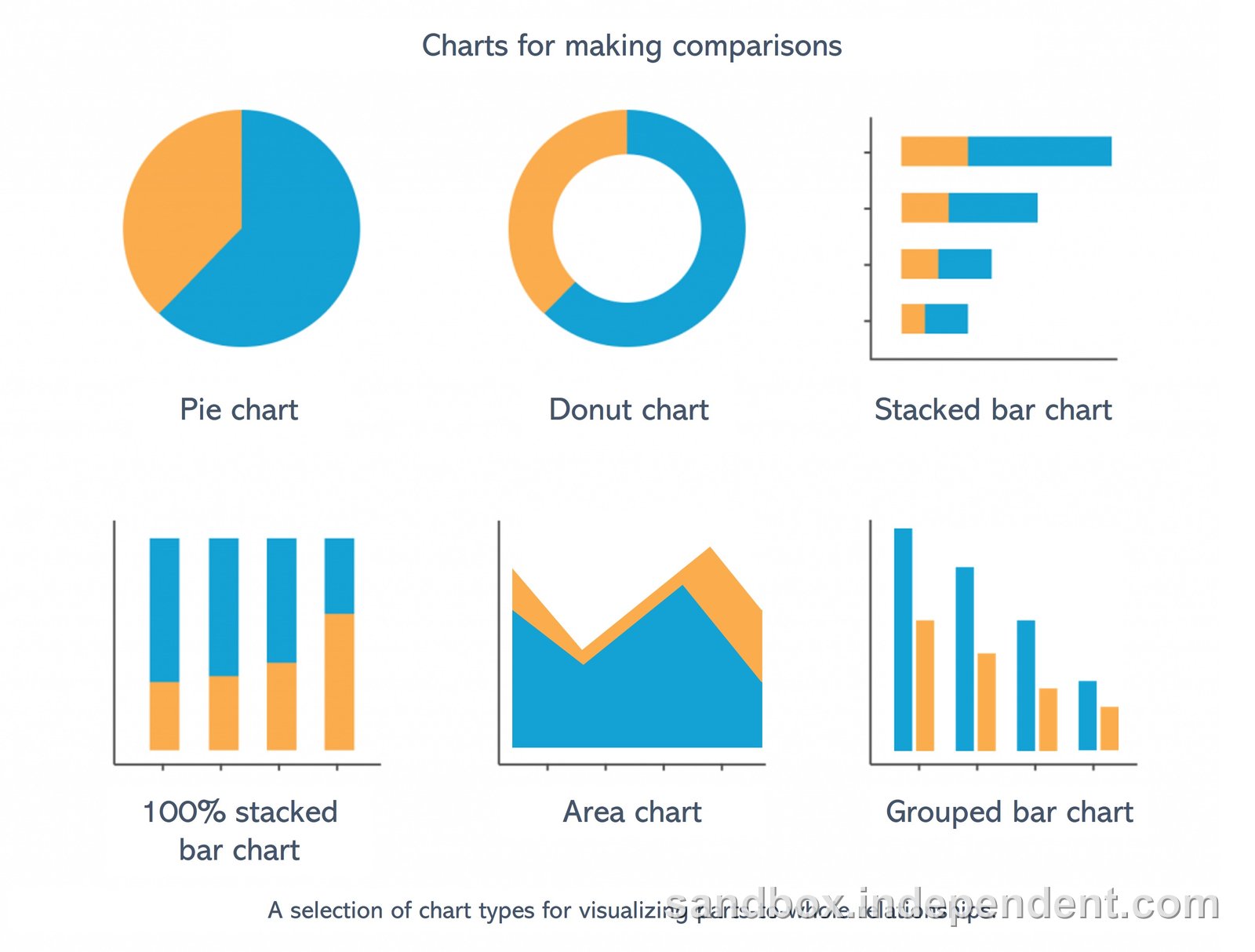
Math anchor charts are like having a helpful study guide right in front of you, making complex math concepts easier to grasp. These charts are visual tools that break down math topics into simple, organized formats, often using diagrams, graphs, or tables. They're designed to be quick references, helping you understand and apply math rules and formulas.
Standard Units and Categories
The beauty of math anchor charts is their consistency. Most charts use standard units and categories, ensuring everyone understands the same thing. For instance, when measuring angles, you'll find degrees as a standard unit. Other common categories include shapes, formulas, and mathematical operations. These charts often cover a range of topics, from basic arithmetic to more advanced concepts.
Reading and Interpreting: A Step-by-Step Guide
Using a math anchor chart is simple once you know how. First, identify the topic you need help with, like finding the area of a triangle. Then, locate the relevant section on the chart. Read the labels and categories carefully. The chart will often provide a formula or rule, along with a visual representation to make it clearer. For our triangle example, you might see a diagram of a triangle, the formula for its area, and perhaps some sample calculations. Follow the steps or rules provided, and you'll be solving math problems like a pro!
Common Chart Variations and Their Causes
While math anchor charts follow standard formats, there can be variations. These often depend on the specific topic or the standard being used. For instance, a chart about fractions might use different notations or representations depending on whether it's for elementary or advanced math. Other factors like regional differences (e.g., metric vs. imperial) can also lead to variations. It's important to ensure you're using the right chart for your specific needs and level of study.
Practical Tips and Tricks: Avoiding Common Mistakes
One common mistake is assuming all math anchor charts are the same. Always check the chart's title and purpose to ensure it's relevant to your topic. Another pitfall is ignoring the chart's labels and categories, which can lead to misinterpreting the information. Always read carefully! Finally, remember that charts are guides, not absolute truths. Always double-check the exact specifications or tolerances for your specific problem, especially when dealing with real-world applications.
By understanding these practical tips and being aware of potential variations, you can use math anchor charts effectively and avoid common errors. They're a great tool to have in your math toolkit!
Math anchor charts are a fantastic tool to have at your disposal, offering a quick reference guide to keep your calculations on track. Remember, the exact details might differ slightly based on your specific needs or the standards you follow, so it's always good to double-check.
Feel free to explore our other guides; we've got plenty of practical tips and tricks to make math more accessible and fun! You'll find a wealth of resources to enhance your learning journey.
Related: RSMeans Cost Estimating Essential Guide
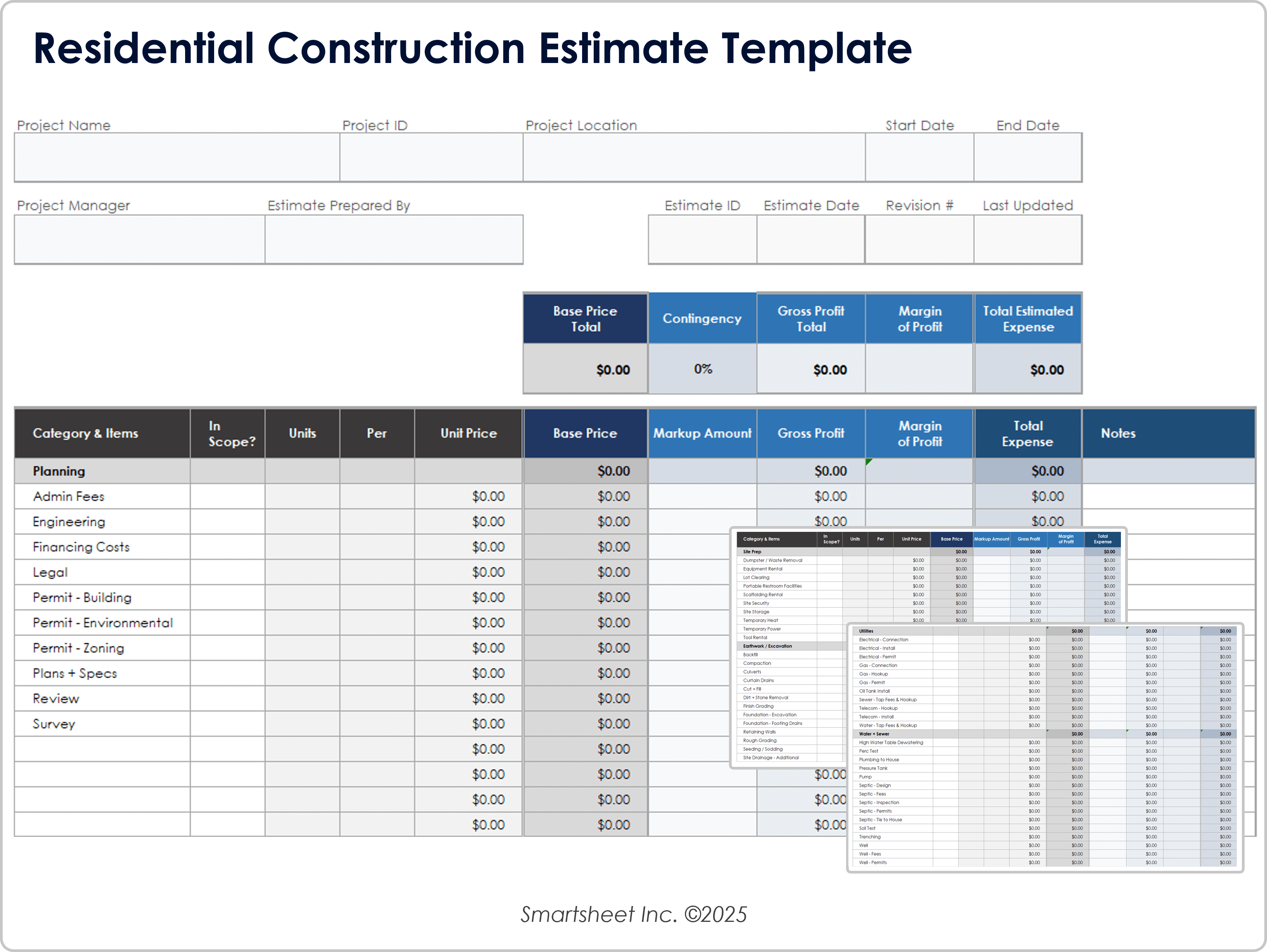
I was chatting with a friend the other day, and they mentioned they were planning a home renovation. It got me thinking about the whole process, especially the costs involved. So, I did some research, and RSMeans cost estimating kept popping up. Let's break it down and see what it's all about.
Understanding RSMeans
RSMeans is a well-known name in the construction industry, and for good reason. It's a comprehensive cost database and resource for estimating the costs of construction projects. Whether you're a homeowner planning a remodel or a contractor bidding on a new build, RSMeans provides valuable data to help you make informed decisions. It covers a wide range of construction costs, from materials and labor to equipment and overhead.
The beauty of RSMeans is its ability to provide accurate and up-to-date information. It takes into account various factors like location, market conditions, and project specifics. So, you can get a realistic estimate for your project, ensuring you're not overspending or underestimating the costs.
Using RSMeans for Your Project
When it comes to using RSMeans for your construction or remodeling project, it's all about getting the right information for your specific needs. Here's a simple guide:
First, identify the scope of your project. Are you building a new deck, remodeling your kitchen, or constructing an entire house? The more detailed your plan, the better your estimate will be.
Next, access the RSMeans database. You can find it online or through industry resources. The database will provide you with cost data for various components of your project, like framing, electrical work, plumbing, and more.
Compare the RSMeans data with other estimates and quotes you receive from contractors. This will help you understand if the quotes are reasonable and if any contractors are trying to overcharge you.
Contractor Hiring and Quotes
When hiring a contractor, it's essential to do your due diligence. Check their credentials, ask for references, and ensure they're licensed and insured. Get multiple quotes for your project, and compare them to the RSMeans data.
A good quote will break down the costs clearly, explaining the labor, materials, and any other expenses. It should also include a timeline for the project. Don't be afraid to ask questions and negotiate. Remember, you want a fair price and a contractor who understands your vision.
Construction Jobs and Salaries
For those interested in construction careers, RSMeans can also be a valuable tool. It provides insight into the industry and the various roles involved. From general contractors and project managers to estimators and specialists, there are diverse opportunities.
Salaries in the construction industry can vary widely depending on the role, experience, and location. Estimators, for example, play a crucial role in the early stages of a project, ensuring accurate cost estimates. Their expertise is highly valued, and their salaries reflect that.
Naming Your Construction Business
If you're starting a construction business, choosing the right name is important. It should be memorable, reflect your services, and be unique. Here are a few name ideas to get you started:
- BuildMaster
- Crafted Constructions
- Renova Remodeling
- Stronghold Builders
- GreenSpace Builders
- BluePrint Builders
Remember to check the availability of the name, domain, and local registration before finalizing your choice.
Wrapping Up
So, there you have it! RSMeans cost estimating is a powerful tool for anyone involved in construction or remodeling. It provides valuable insights and helps ensure your project stays on track financially. Whether you're a homeowner, contractor, or industry professional, it's worth exploring further.
I hope this overview has been helpful. Feel free to delve deeper into the world of RSMeans and discover more about its benefits and applications.
Related: Master the Army AFT Chart: A Quick Guide
The army aft chart is a handy tool for anyone looking to understand and track their physical fitness progress, especially those with a military background or an interest in meeting army fitness standards. This guide will cover the basics of reading and interpreting the chart, ensuring you can use it effectively.
It provides a clear visual representation of the Army Physical Fitness Test (APFT) standards, including push-up and sit-up requirements, and can help you assess your current fitness level and set goals. While the exact values may vary depending on your region and specific army guidelines, the chart offers a reliable framework to get you started on your fitness journey.
Understanding the Army AFT Chart
The army aft chart, or the Army Physical Fitness Test (APFT) chart, is a valuable tool used to assess and evaluate soldiers' physical fitness levels. It provides a standardized way to measure and compare performance across different units and individuals. This chart is an essential reference for soldiers and their commanders, as it helps determine if they meet the required physical standards.
Comparing APFT Standards and Categories
The army aft chart consists of various categories and standards that soldiers must meet. These categories typically include push-ups, sit-ups, and a two-mile run. Each category has specific performance standards, and soldiers are scored based on their ability to meet or exceed these standards. The chart provides a clear breakdown of the expected performance for each category, ensuring consistency and fairness in assessments.
Step-by-Step Guide to Using the APFT Chart
Using the army aft chart is straightforward, but it requires attention to detail. Here's a simple guide:
- Identify the category you want to assess, whether it's push-ups, sit-ups, or the run.
- Locate the corresponding column on the chart. Each category has its own set of standards.
- Determine your age group, as age-based standards are applied.
- Perform the exercise or run as per the test guidelines.
- Refer to the chart to find your score. The chart provides a range of scores, and you aim to achieve the highest score possible.
- Repeat this process for all categories to get a comprehensive assessment.
Avoiding Common Misreadings and Pitfalls
One common mistake is misinterpreting the age categories. Ensure you are referring to the correct age group, as standards can vary significantly between younger and older soldiers. Additionally, pay attention to the specific test guidelines for each category. For instance, the push-up and sit-up standards might have different requirements for male and female soldiers. Always double-check the instructions to avoid any confusion.
Factors Affecting Accuracy and Real-World Performance
While the army aft chart provides a standardized assessment, several factors can influence the accuracy of the results. These include individual fitness levels, training consistency, and even environmental conditions. For instance, performing the two-mile run on a hot day with high humidity can impact your performance. It's crucial to consider these variables and ensure fair testing conditions to get accurate assessments.
Adapting the Chart for Specific Needs
The army aft chart is designed to be flexible and adaptable to various situations. If you have specific fitness goals or are preparing for a particular mission, you can use the chart to tailor your training. For example, if you aim to improve your endurance for long-distance runs, you can focus on the run category and aim for higher scores. The chart allows you to track your progress and set achievable goals.
Maintaining Reliable References for Future Assessments
To ensure the reliability of your assessments, it's essential to keep an updated copy of the army aft chart. The chart may undergo revisions and updates to reflect changing standards or new research. Stay informed about any changes and ensure you are using the most recent version. Additionally, regularly review the test guidelines and procedures to maintain consistency in your assessments. This way, you can accurately track your progress and compare it with others.
The army aft chart is a powerful tool for soldiers to gauge their physical fitness and ensure they meet the required standards. By understanding the categories, interpreting the results accurately, and adapting the chart to specific needs, soldiers can take control of their fitness journey and strive for excellence. Remember, consistent training and attention to detail are key to achieving the best results.
Hey there, we hope this guide has been helpful in demystifying the Army AFT Chart and its various aspects. Remember, while we've covered the basics, the specifics can differ slightly based on your unique circumstances. So, keep an eye out for those nuances!
If you're keen to explore more practical guides like this, feel free to browse our collection. We've got a range of topics to suit your needs, all designed to make your life a little easier. Happy reading and learning!