






Math Worksheets Halloween Overview
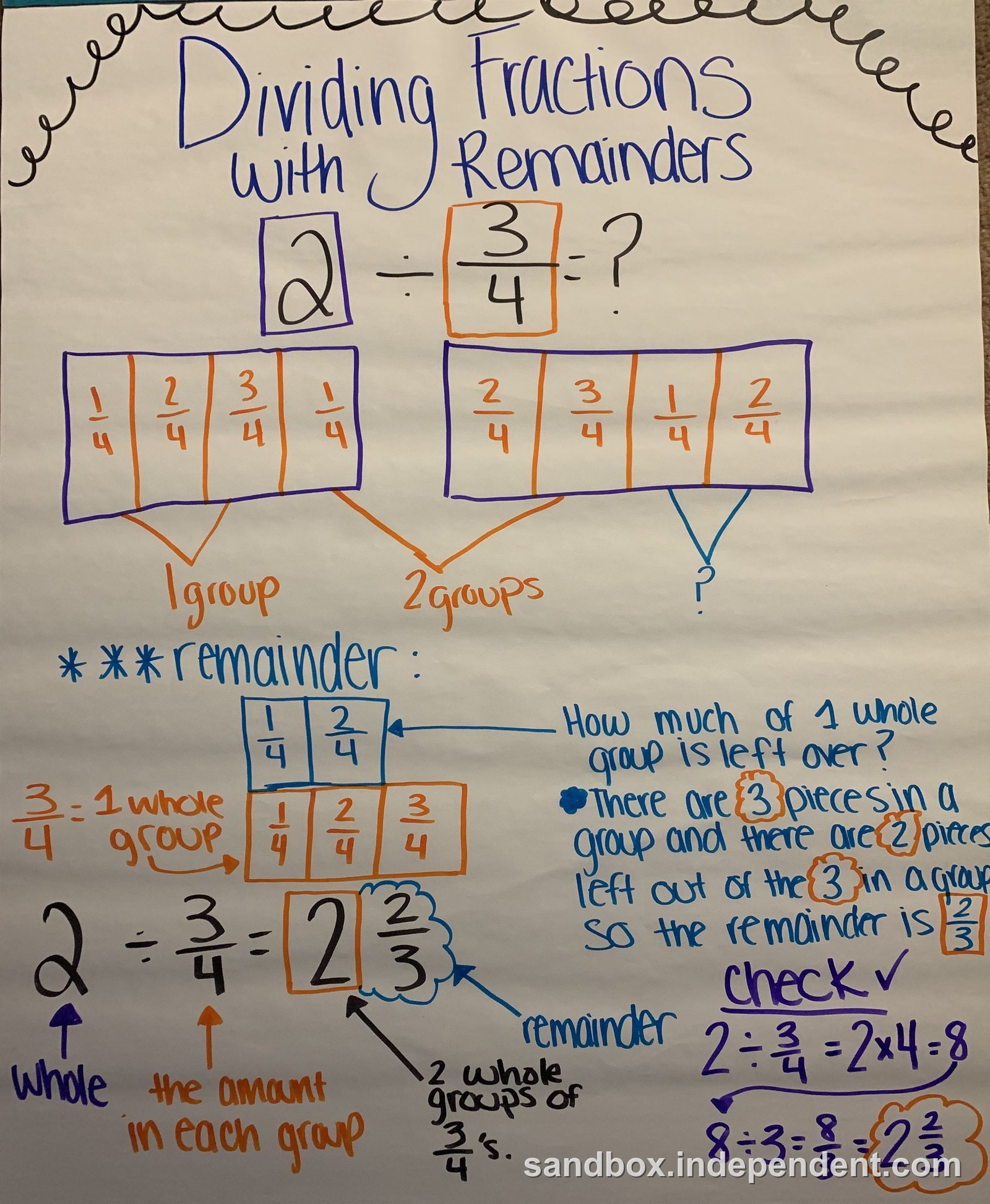
A common misconception about math anchor charts is that they are only useful for teachers or advanced math enthusiasts. However, these charts are incredibly accessible and beneficial for anyone looking to improve their math skills or simply need a quick refresh!
Math anchor charts offer a visual and organized way to understand and apply mathematical concepts. Whether it's a reference chart for common formulas or a diagram explaining a specific math topic, these tools provide an easy-to-follow guide, ensuring you don't get lost in complex equations. Keep an eye out for variations in formats and values, as these can differ depending on your region or the specific math subject.
Math Anchor Charts: Your Visual Study Buddy
Math anchor charts are like having a helpful study guide right in front of you, making complex math concepts easier to grasp. These charts are visual tools that break down math topics into simple, organized formats, often using diagrams, graphs, or tables. They're designed to be quick references, helping you understand and apply math rules and formulas.
Standard Units and Categories
The beauty of math anchor charts is their consistency. Most charts use standard units and categories, ensuring everyone understands the same thing. For instance, when measuring angles, you'll find degrees as a standard unit. Other common categories include shapes, formulas, and mathematical operations. These charts often cover a range of topics, from basic arithmetic to more advanced concepts.
Reading and Interpreting: A Step-by-Step Guide
Using a math anchor chart is simple once you know how. First, identify the topic you need help with, like finding the area of a triangle. Then, locate the relevant section on the chart. Read the labels and categories carefully. The chart will often provide a formula or rule, along with a visual representation to make it clearer. For our triangle example, you might see a diagram of a triangle, the formula for its area, and perhaps some sample calculations. Follow the steps or rules provided, and you'll be solving math problems like a pro!
Common Chart Variations and Their Causes
While math anchor charts follow standard formats, there can be variations. These often depend on the specific topic or the standard being used. For instance, a chart about fractions might use different notations or representations depending on whether it's for elementary or advanced math. Other factors like regional differences (e.g., metric vs. imperial) can also lead to variations. It's important to ensure you're using the right chart for your specific needs and level of study.
Practical Tips and Tricks: Avoiding Common Mistakes
One common mistake is assuming all math anchor charts are the same. Always check the chart's title and purpose to ensure it's relevant to your topic. Another pitfall is ignoring the chart's labels and categories, which can lead to misinterpreting the information. Always read carefully! Finally, remember that charts are guides, not absolute truths. Always double-check the exact specifications or tolerances for your specific problem, especially when dealing with real-world applications.
By understanding these practical tips and being aware of potential variations, you can use math anchor charts effectively and avoid common errors. They're a great tool to have in your math toolkit!
Math anchor charts are a fantastic tool to have at your disposal, offering a quick reference guide to keep your calculations on track. Remember, the exact details might differ slightly based on your specific needs or the standards you follow, so it's always good to double-check.
Feel free to explore our other guides; we've got plenty of practical tips and tricks to make math more accessible and fun! You'll find a wealth of resources to enhance your learning journey.
Related: 2026 Construction Outlook Essential Guide
I was walking through my neighborhood the other day, and it struck me how many construction projects are underway. 2026 construction outlook might be on your mind too, whether you're a homeowner, a business owner, or just curious about the industry. So, let's break it down and see what's in store.
The Big Picture
When we talk about the "2026 construction outlook," we're looking at the future of building and remodeling. It's about understanding the trends and changes that will shape the industry in the coming years. This outlook is important for anyone planning a construction project, as it can impact costs, timelines, and the overall success of your venture.
One key aspect is the cost of materials and labor. These costs can fluctuate, and keeping an eye on the outlook helps you prepare for any potential price hikes or drops. It's also about the availability of skilled workers and the demand for certain types of construction. For example, the rise of eco-friendly building practices might influence the skills and materials needed for future projects.
Hiring and Costs
If you're planning a construction project, one of your main concerns will be finding the right contractor. It's important to do your research and compare quotes. When you're getting quotes, look for detailed breakdowns of costs. This should include materials, labor, and any additional fees. Be cautious of quotes that seem too good to be true; they might cut corners or leave out important costs.
Ask for references and check their past work. A good contractor will be happy to provide this information. It's also a good idea to get multiple quotes to compare. This way, you can ensure you're getting a fair price and the right skills for your project.
Business Names and the Industry
For those in the construction business, or thinking of starting a business, choosing a name is an important step. A good name should be memorable, reflect your business values, and stand out in a crowded market. It might be a play on words, a reference to your location, or a unique combination of words that captures your business's essence.
Here are a few examples:
- Build-it-Right Construction
- Eco-Friendly Builders
- Solid Foundations
- Skyward Solutions
- HomeCrafters
- The Building Blocks
Remember to check name availability and secure the right domains and local registrations to protect your business identity.
Jobs and Opportunities
The construction industry offers a wide range of job roles, from general contractors and estimators to specialized tradespeople. These jobs can be found through local job boards, construction company websites, and industry-specific job sites. It's a diverse industry, and the skills required can vary greatly depending on the role.
For those looking for a career in construction, it's a good idea to research the different roles and the qualifications needed. Many roles offer on-the-job training and apprenticeships, providing a great way to learn and earn at the same time.
Tools and Resources
Tools like RSMeans can be a great resource for construction professionals. RSMeans provides cost data and estimating tools, helping contractors and businesses plan and manage their projects effectively. It's a valuable tool for staying on top of industry trends and ensuring accurate cost estimates.
Other resources, like cost databases and industry reports, can also provide valuable insights. These tools can help you understand the market, plan your projects, and make informed decisions.
Wrapping Up
So, there you have it, a glimpse into the 2026 construction outlook. It's an exciting time in the industry, with new technologies, materials, and practices constantly emerging. Whether you're a homeowner, a business owner, or a construction professional, keeping an eye on these trends and changes can help you make informed decisions and stay ahead of the curve.
I hope this has given you some useful insights. Happy building!
Related: Find Your Perfect Nail Shape: A Clear Guide
A nail shapes chart is a handy tool for anyone wanting to explore different nail styles. It's a simple yet effective way to visualize and understand the various shapes and lengths available. This guide will cover the basics, offering a quick reference for those new to nail art and design.
The chart provides a clear overview, often with visual representations, to help you identify and choose the right shape. It's a great starting point for experimenting with your nail look, and you'll find it includes classic shapes like square and oval, as well as more unique styles.
Understanding the Nail Shapes Chart: A Quick Overview
The nail shapes chart is a handy reference tool for anyone interested in nail art and design. It's a simple guide that helps you choose the right nail shape for your style and preferences. This chart provides a visual representation of various nail shapes, making it easy to explore and decide on the perfect shape for your next manicure.
Comparing Popular Nail Shape Options
The nail shape guide typically includes a range of standard and trendy shapes. You'll find classic options like oval, square, and rounded shapes, as well as more unique styles such as coffin, stiletto, and almond. Each shape has its own charm and can create different effects on your nails. The chart often uses visual icons or illustrations to represent these shapes, making it fun and easy to browse through the options.
Creating Balance: Step-by-Step Guide to Using the Chart
Using the nail shapes chart is straightforward and can enhance your nail art experience. Here's a simple guide:
- Start by identifying your current nail shape. This helps you understand the transformation you're aiming for.
- Browse the chart and explore the various shapes. Consider the length and width of your nails and how each shape might complement them.
- Choose a shape that aligns with your personal style and the look you want to achieve. For instance, if you prefer a natural, elegant look, an oval or almond shape might be ideal.
- Discuss your choice with your nail technician, if applicable. They can offer expert advice and ensure the shape suits your nail type and lifestyle.
- Remember, the chart is a guide, and you can always customize and adapt shapes to your liking.
Common Misconceptions and How to Avoid Them
While the nail shapes chart is a valuable tool, it's essential to be aware of a few potential pitfalls:
- Nail length can influence the final appearance of a shape. Ensure you consider both the shape and length when making your choice.
- Different nail art trends may suit specific shapes better. Stay updated on trends to ensure your chosen shape aligns with your desired style.
- Individual nail care tips can impact the final result. Always ensure your nails are in good condition before shaping them.
- Remember, the chart provides a general guide. Your unique nail shape and structure may require slight adjustments to achieve the perfect fit.
The nail shapes chart is a fantastic resource for discovering and experimenting with different nail shapes. With a simple, visual approach, it empowers you to create beautiful and balanced nail designs.
Hey there! I hope this nail shapes chart has been a handy guide for you. It's a simple yet effective tool to explore and understand the different options available.
Remember, when applying this knowledge, always consider your personal preferences and the specific context. Exact values may vary slightly, so it's a good idea to double-check and adapt to your needs.
Feel free to bookmark this page; it's a quick and easy reference for whenever you need a reminder. Happy nailing!