

Math Worksheets Horizontal Addition Overview
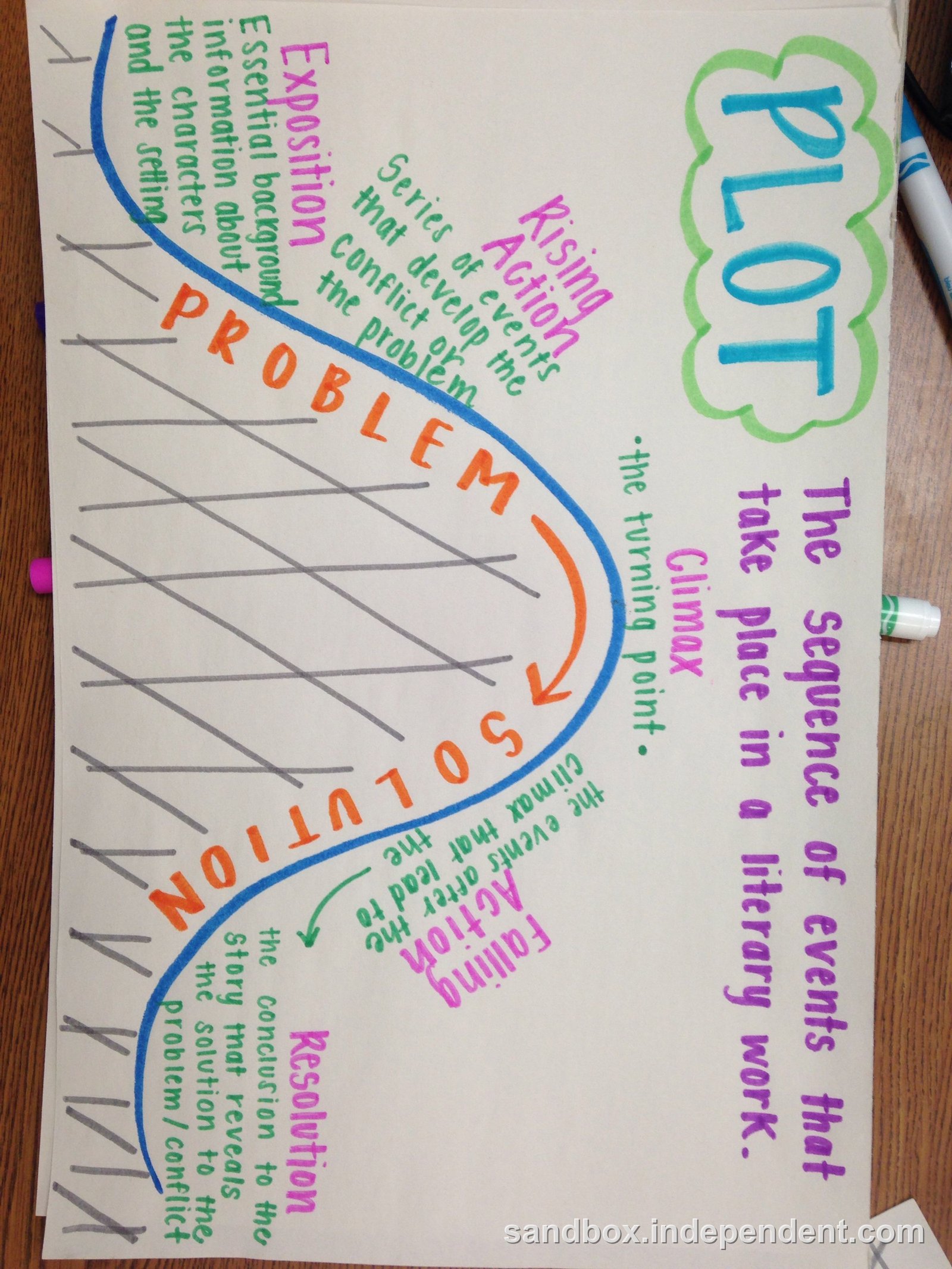
A common misconception about math anchor charts is that they are only useful for teachers or advanced math enthusiasts. However, these charts are incredibly accessible and beneficial for anyone looking to improve their math skills or simply need a quick refresh!
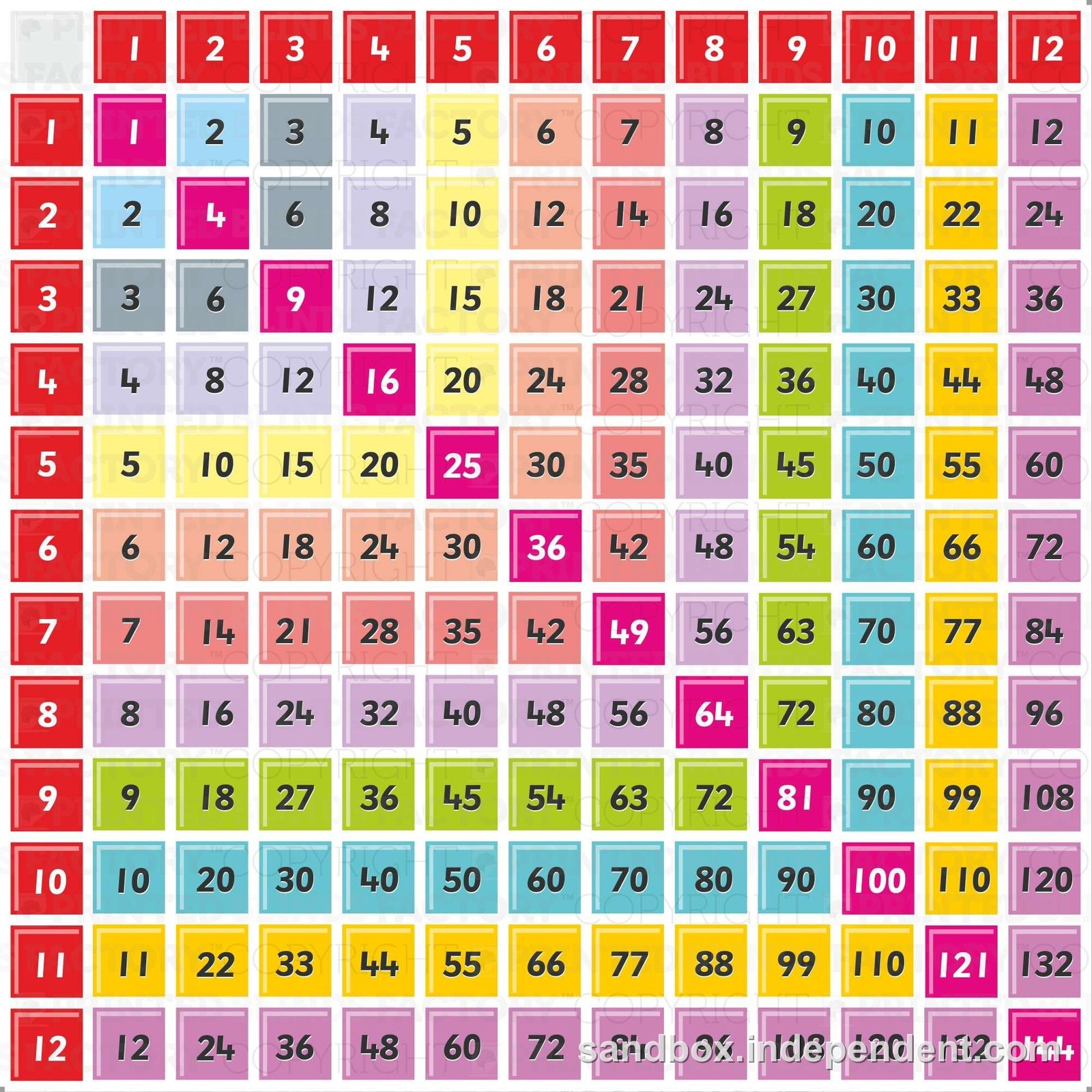
Math anchor charts offer a visual and organized way to understand and apply mathematical concepts. Whether it's a reference chart for common formulas or a diagram explaining a specific math topic, these tools provide an easy-to-follow guide, ensuring you don't get lost in complex equations. Keep an eye out for variations in formats and values, as these can differ depending on your region or the specific math subject.
Math Anchor Charts: Your Visual Study Buddy
Math anchor charts are like having a helpful study guide right in front of you, making complex math concepts easier to grasp. These charts are visual tools that break down math topics into simple, organized formats, often using diagrams, graphs, or tables. They're designed to be quick references, helping you understand and apply math rules and formulas.
Standard Units and Categories
The beauty of math anchor charts is their consistency. Most charts use standard units and categories, ensuring everyone understands the same thing. For instance, when measuring angles, you'll find degrees as a standard unit. Other common categories include shapes, formulas, and mathematical operations. These charts often cover a range of topics, from basic arithmetic to more advanced concepts.
Reading and Interpreting: A Step-by-Step Guide
Using a math anchor chart is simple once you know how. First, identify the topic you need help with, like finding the area of a triangle. Then, locate the relevant section on the chart. Read the labels and categories carefully. The chart will often provide a formula or rule, along with a visual representation to make it clearer. For our triangle example, you might see a diagram of a triangle, the formula for its area, and perhaps some sample calculations. Follow the steps or rules provided, and you'll be solving math problems like a pro!
Common Chart Variations and Their Causes
While math anchor charts follow standard formats, there can be variations. These often depend on the specific topic or the standard being used. For instance, a chart about fractions might use different notations or representations depending on whether it's for elementary or advanced math. Other factors like regional differences (e.g., metric vs. imperial) can also lead to variations. It's important to ensure you're using the right chart for your specific needs and level of study.
Practical Tips and Tricks: Avoiding Common Mistakes
One common mistake is assuming all math anchor charts are the same. Always check the chart's title and purpose to ensure it's relevant to your topic. Another pitfall is ignoring the chart's labels and categories, which can lead to misinterpreting the information. Always read carefully! Finally, remember that charts are guides, not absolute truths. Always double-check the exact specifications or tolerances for your specific problem, especially when dealing with real-world applications.
By understanding these practical tips and being aware of potential variations, you can use math anchor charts effectively and avoid common errors. They're a great tool to have in your math toolkit!
Math anchor charts are a fantastic tool to have at your disposal, offering a quick reference guide to keep your calculations on track. Remember, the exact details might differ slightly based on your specific needs or the standards you follow, so it's always good to double-check.
Feel free to explore our other guides; we've got plenty of practical tips and tricks to make math more accessible and fun! You'll find a wealth of resources to enhance your learning journey.
Related: Link Seal Chart: Your Simple Reference Guide
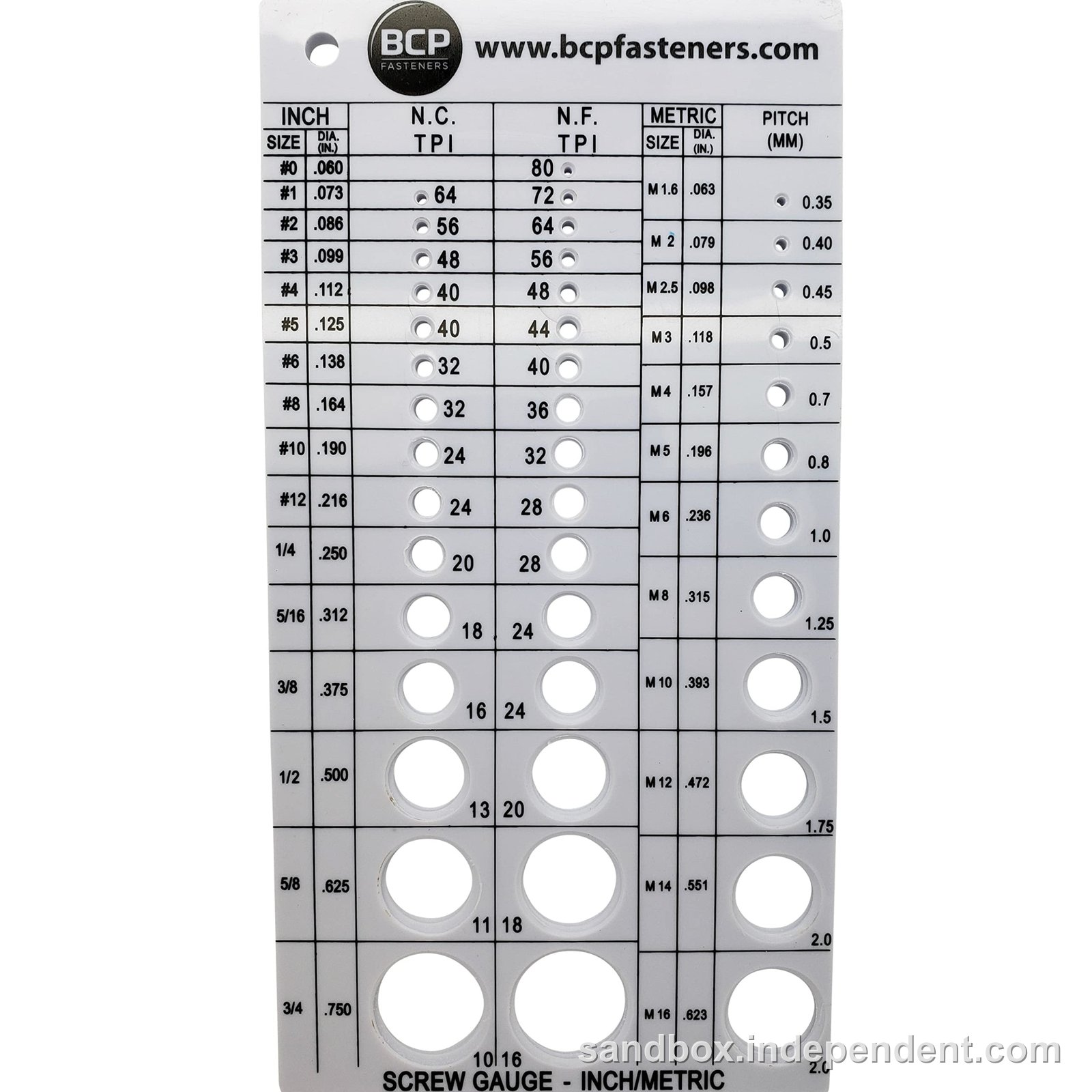
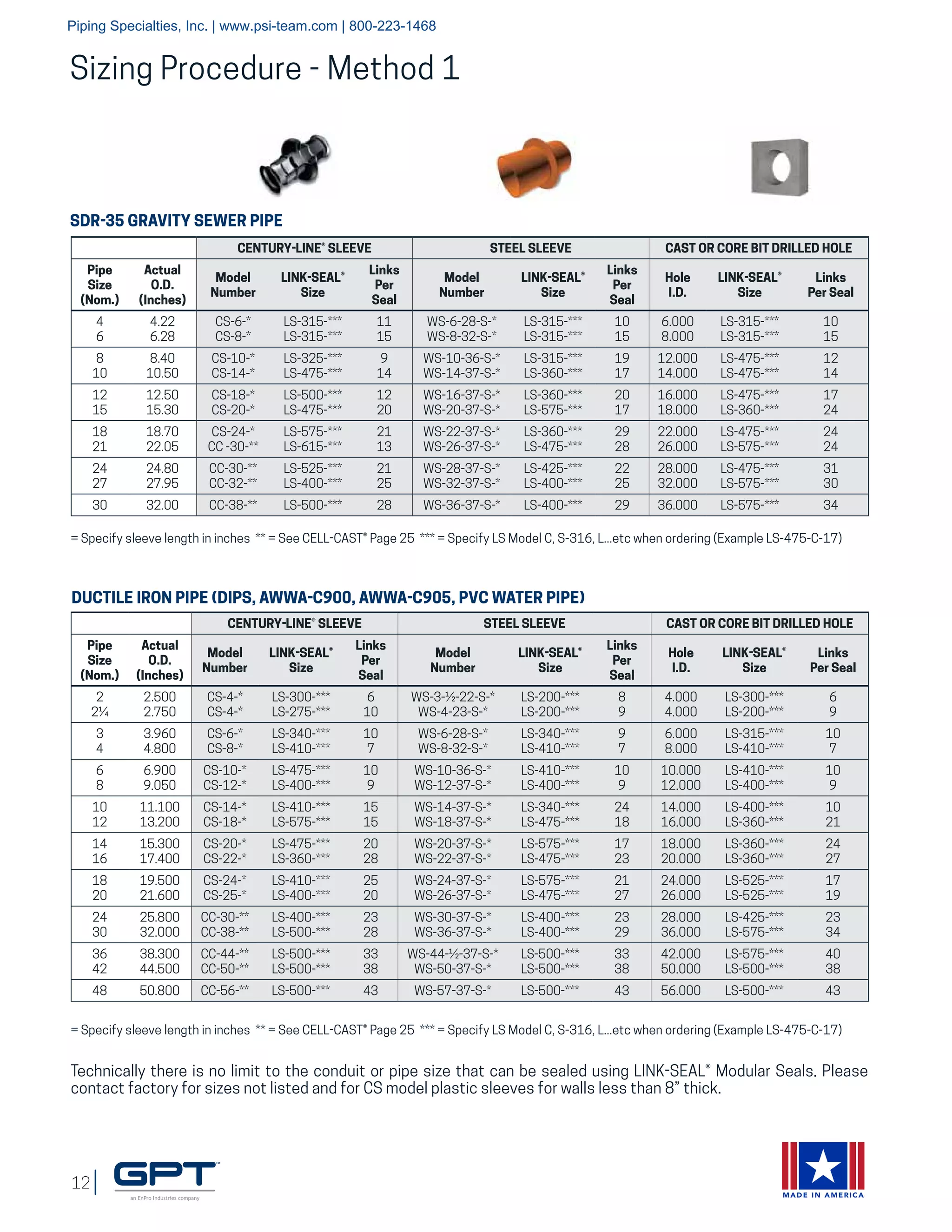
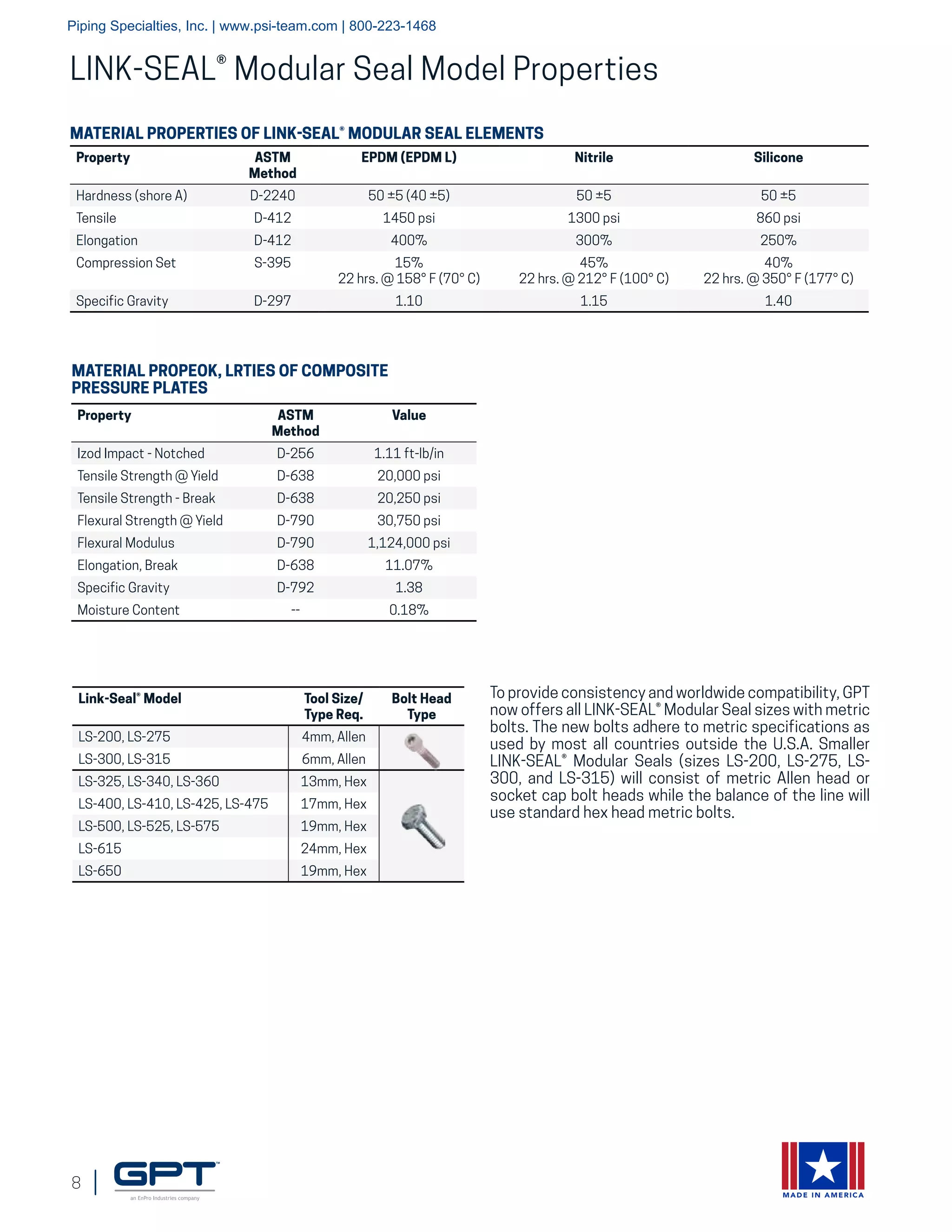
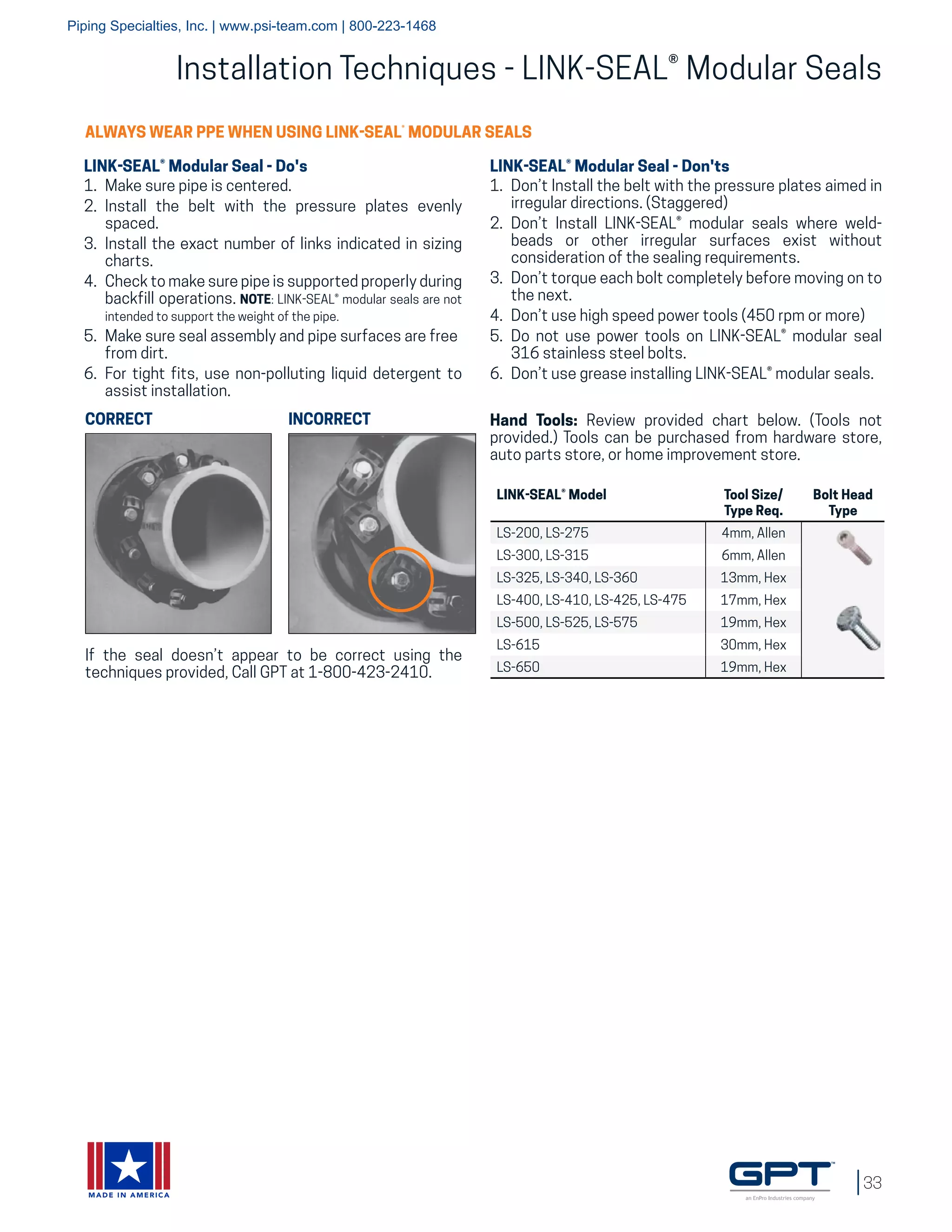
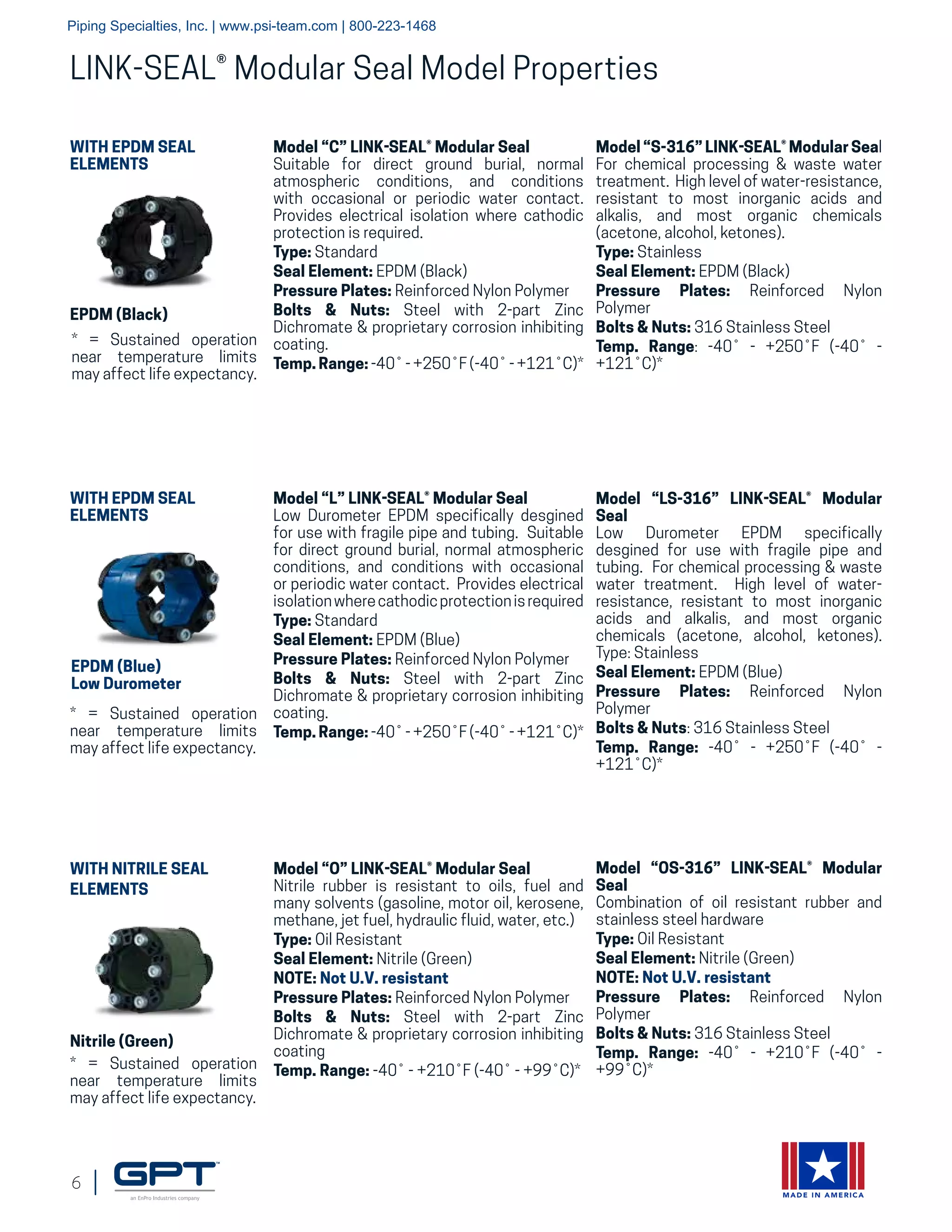
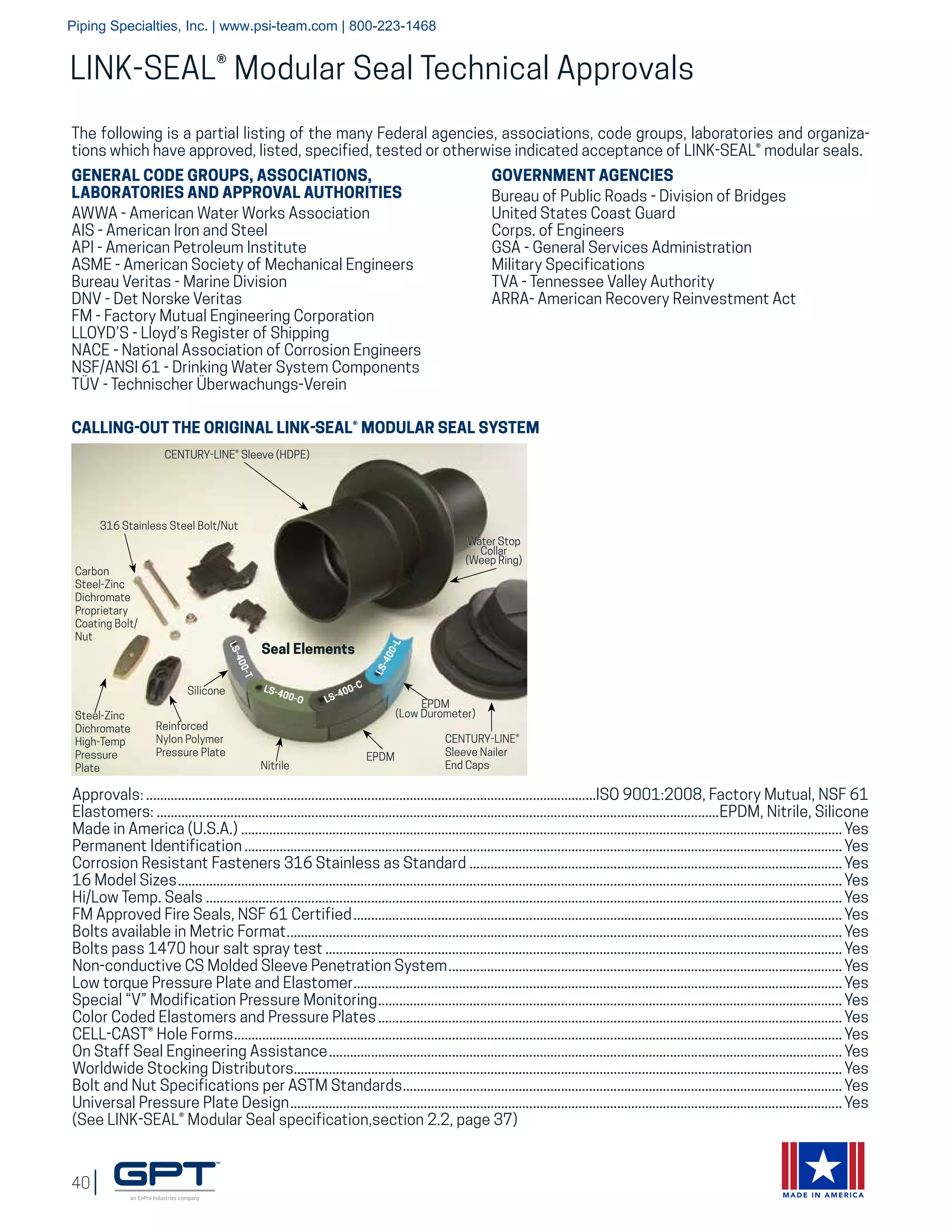
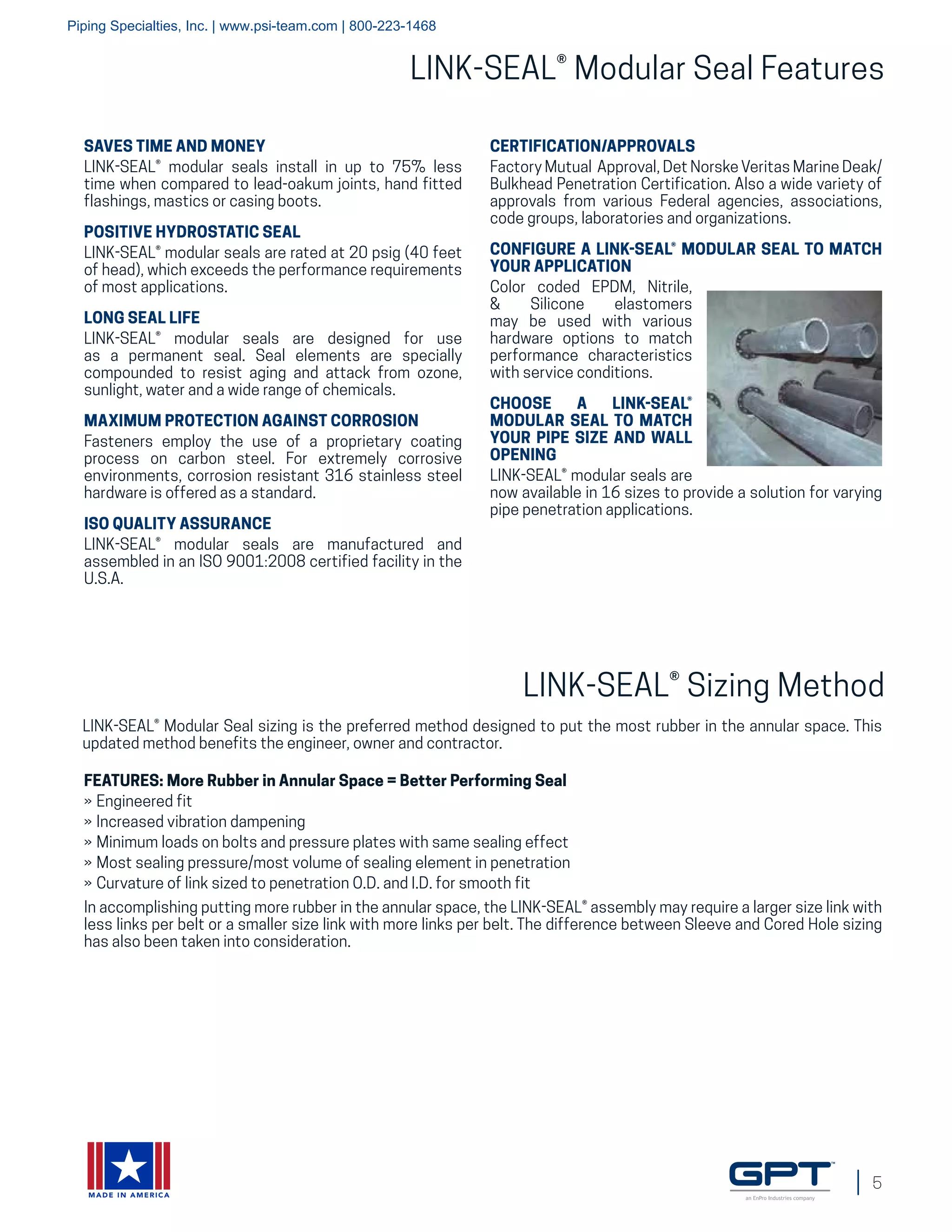
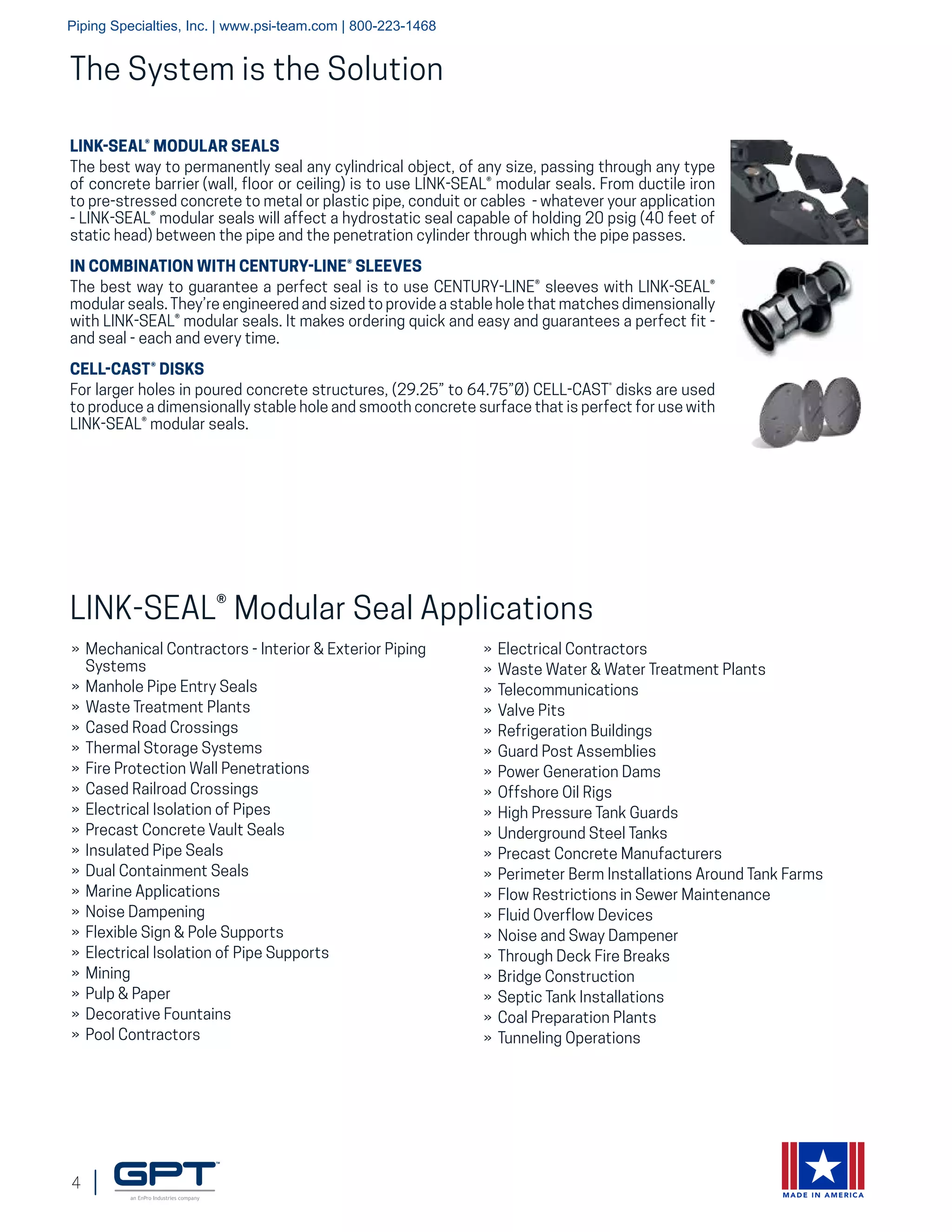
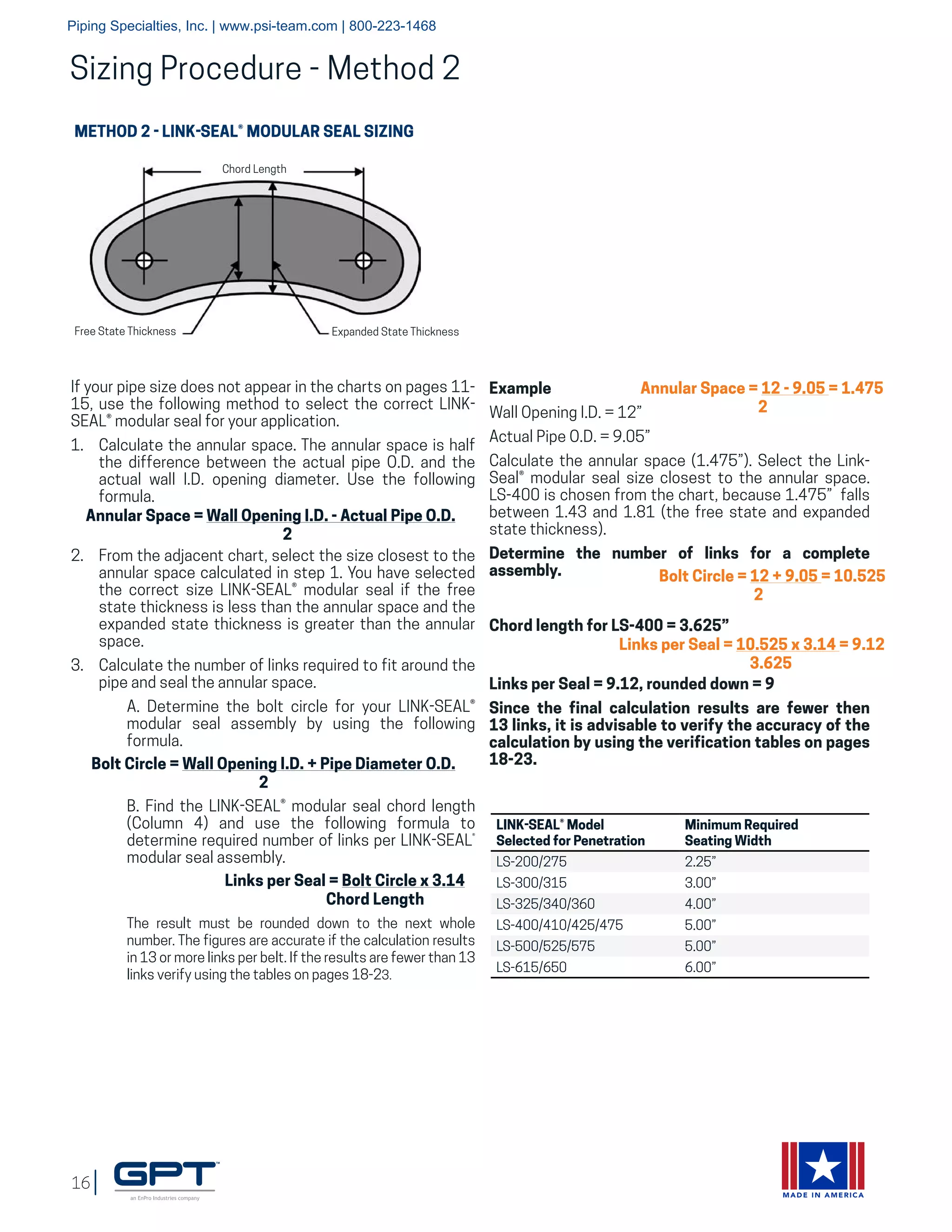
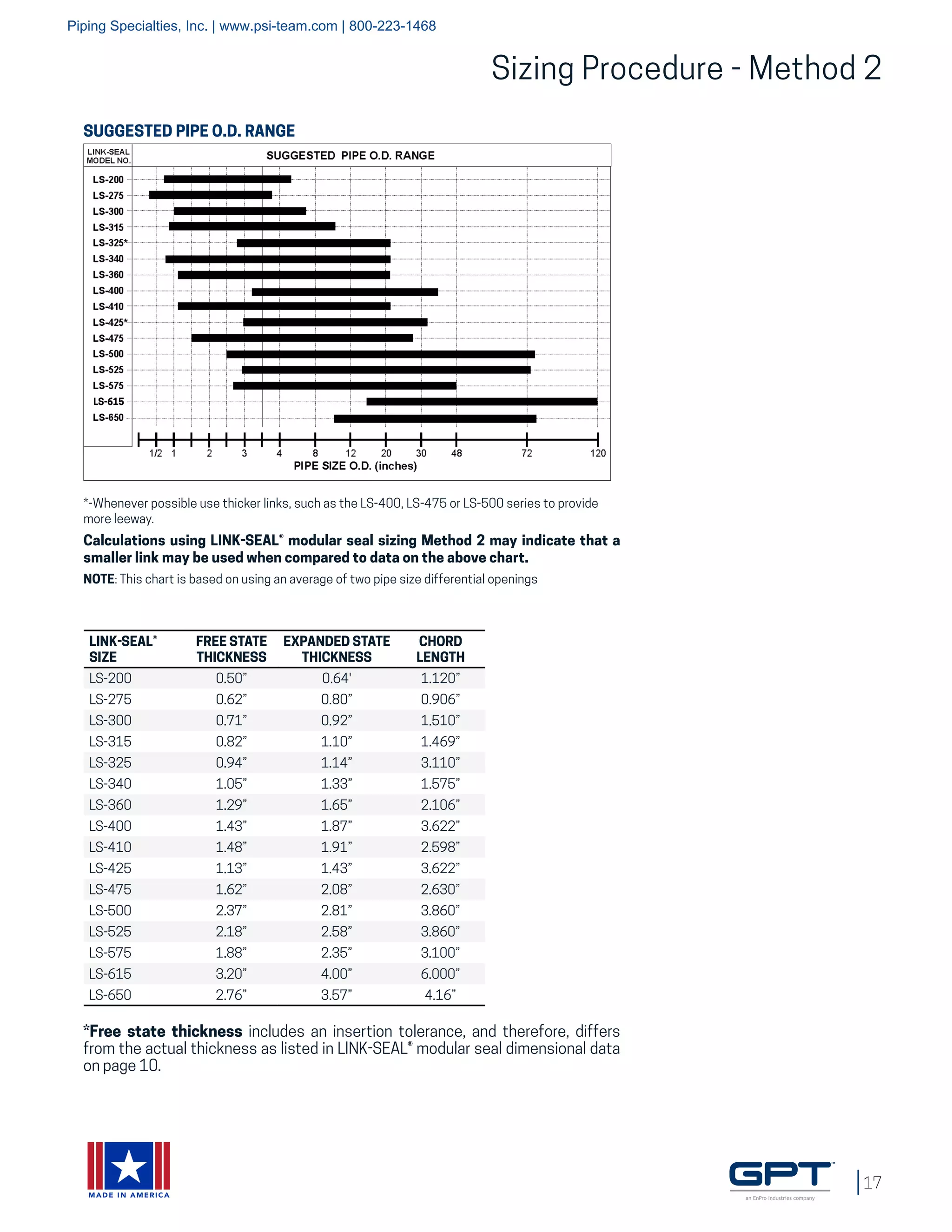
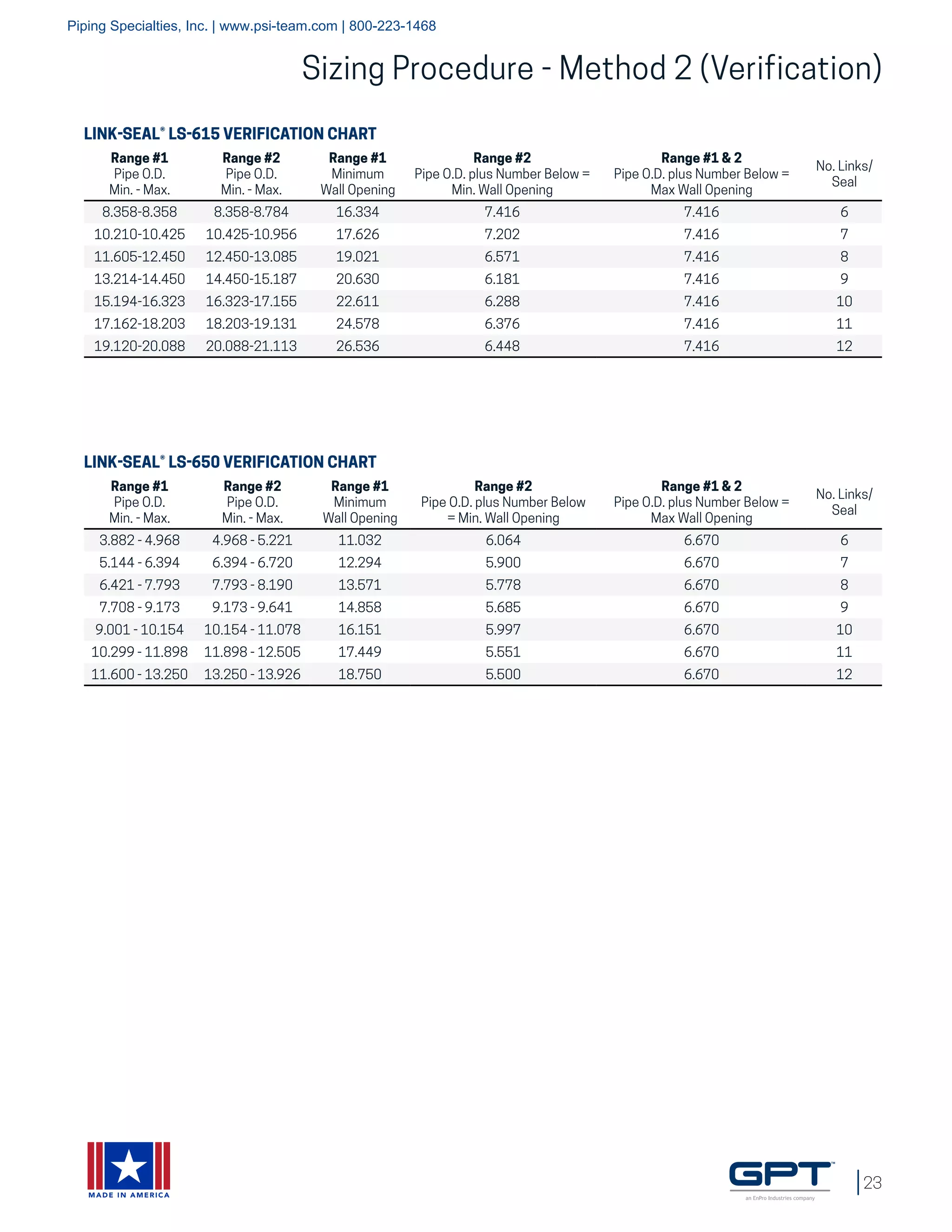
You're probably familiar with the link seal chart, a handy reference tool for anyone working with seals and their applications. It's a simple yet effective visual guide, offering a quick and reliable way to understand seal measurements and types. This chart, with its clear layout, provides an efficient solution for those seeking precise information without the need for extensive research. While the values and formats may vary depending on certain factors, the link seal chart serves as a valuable starting point, ensuring you have the right data at your fingertips.
Link Seal Chart: Unlocking the Secrets of Effective Sealing
The link seal chart is a valuable tool for anyone involved in construction, engineering, or industries requiring precise sealing solutions. This reference guide provides a clear understanding of the various seal types, their dimensions, and their applications. By using the link seal diagram, you can make informed decisions and ensure successful installations.
Key Measurements and Categories
The chart presents a comprehensive overview of standard link seal dimensions, offering a quick reference for professionals. It typically includes columns indicating the seal type, its size or diameter, and other relevant specifications. Common seal types, such as single, double, or triple-link seals, are categorized and measured in inches or millimeters, depending on the standard being used. Each seal type has its unique characteristics and is designed for specific purposes.
Understanding the Chart: A Step-by-Step Guide
Reading the link seal chart is straightforward. First, identify the seal type you require for your project. The chart will provide a range of options, each with its own set of dimensions. Pay close attention to the seal's diameter, as this is a critical measurement for proper installation. Additionally, the chart may offer insights into the seal's material, which is essential for compatibility and durability considerations.
Here's a simple step-by-step process:
- Identify the seal type needed.
- Locate the seal on the chart and note its diameter.
- Check the material and ensure it aligns with your project requirements.
- Cross-reference with industry standards or manufacturer specifications for any specific tolerances or additional details.
Seal Variations and Practical Tips
While the link seal chart provides a valuable framework, variations can occur due to industry standards, regional differences, and specific use cases. It's essential to be aware of these potential discrepancies. Here are some key factors to consider:
- Standard link seal dimensions may differ slightly between regions, so always double-check the relevant standards for your location.
- Manufacturer-specific charts might offer unique seal types or measurements, so refer to their guides for accurate information.
- Environmental factors, such as temperature and pressure, can influence seal performance, so choose seals suitable for your application.
Remember, the link seal chart is a practical tool, but it's essential to adapt and verify the information for your specific project needs. With this guide, you can confidently navigate the world of sealing solutions and ensure successful installations.
Hey there! I hope this link seal chart has been a helpful reference for you. Remember, while the basics remain consistent, the exact details can shift a little based on your specific context or the standards you're working with.
Feel free to keep this page bookmarked for future use. It's always handy to have a quick, reliable guide like this at your fingertips. You might also want to explore some of our other practical guides for more tips and tricks. Happy referencing!
Related: Understand Your Dog's Dental Health with a Teeth Chart
Many dog owners might assume that a dog teeth chart is a complex and intimidating tool, but it's actually a simple and incredibly useful resource. While it may seem like a foreign concept at first, this chart is a straightforward visual guide to understanding your dog's teeth. It's not as scary as it sounds! A dog teeth chart is a handy reference, offering a clear layout of your pup's dental structure, and it can vary slightly depending on the source.
Understanding the Dog Teeth Chart: A Practical Overview
The dog teeth chart is a handy reference tool for dog owners and veterinary professionals. It provides a visual representation of a dog's dental anatomy, offering insights into tooth positions, types, and development. This chart is an essential guide for anyone looking to maintain their furry friend's oral health.
Comparing Chart Formats and Standards
Dog teeth charts come in various formats, but the most common ones follow either the international or US standard. These standards dictate the tooth numbering system, ensuring consistency across veterinary practices. The international standard uses a three-digit system, while the US standard employs a simpler two-digit approach. Both systems have their merits, and it's crucial to know which standard your chart follows to interpret it accurately.
Step-by-Step Guide to Reading the Chart
Reading a dog teeth chart is straightforward once you know the basics. Here's a simple guide:
- Identify the tooth type: The chart typically categorizes teeth into incisors, canines, premolars, and molars. Each tooth type has a unique shape and function.
- Locate the tooth position: The chart displays teeth in their correct positions within the dog's mouth. Understand the left and right sides and the upper and lower jaws.
- Read the tooth notation: Each tooth has a specific notation, following the chosen standard. For instance, the international standard might label an upper right incisor as "101," while the US standard would use "UR1."
- Interpret the tooth's development: The chart often includes information on tooth eruption, showing when permanent teeth replace milk teeth. This is vital for monitoring a dog's dental development.
Avoiding Common Misreadings
Misinterpreting a dog teeth chart can lead to incorrect dental care. Here are some common pitfalls:
- Mixing up left and right sides: Always double-check the chart's orientation to ensure you're treating the correct side.
- Confusing tooth types: Incisors, canines, and premolars can look similar. Pay attention to their unique characteristics and positions.
- Ignoring the standard: Different standards use different notations. Ensure you're familiar with the one your chart follows.
- Assuming universal applicability: While charts provide a general guide, some breeds may have unique dental characteristics. Always consult a veterinarian for breed-specific advice.
Factors Affecting Accuracy
Several factors can influence the accuracy of a dog teeth chart:
- Breed variations: Different dog breeds have distinct dental anatomies. For instance, a Chihuahua's teeth may be smaller and more delicate than a German Shepherd's.
- Age: A dog's dental development changes over time. Puppies have milk teeth, which are replaced by permanent ones as they grow.
- Dental anomalies: Some dogs may have extra or missing teeth, impacted teeth, or other dental abnormalities. These cases require specialized attention.
- Standard variations: As mentioned, different standards exist. Always confirm the standard your chart follows to avoid confusion.
Choosing the Right Chart for Your Needs
When selecting a dog teeth chart, consider your specific requirements:
- Breed-specific charts: If you own a unique breed, opt for a chart tailored to that breed's dental characteristics.
- Age-appropriate charts: For puppies or senior dogs, choose charts designed for their specific dental stages.
- Specialized charts: Some charts focus on specific dental issues, like tooth extraction or orthodontic treatment. Select one relevant to your dog's needs.
- Digital vs. physical charts: Digital charts offer convenience, while physical charts provide a tangible reference. Choose based on your preference and accessibility.
Maintaining Reliable References
To ensure the accuracy and reliability of your dog teeth chart setup:
- Regularly update your chart: Dental science evolves, and new research may impact tooth identification and care. Stay informed and update your chart as needed.
- Consult professionals: Veterinarians and dental specialists are valuable resources. Seek their advice to ensure you're using the most appropriate and up-to-date charts.
- Double-check measurements: When in doubt, verify tooth measurements and positions with a trusted source. Accuracy is crucial for effective dental care.
- Keep a record: Maintain a log of your dog's dental history, including any anomalies or treatments. This record will help you track progress and identify potential issues.
Hey there, dog lovers! We hope this guide has given you a clear understanding of dog teeth charts and how to use them effectively. Remember, while we've covered the basics, the specifics can differ slightly, so always double-check your sources.
Feel free to bookmark this page for future reference; it's always handy to have a quick reminder when you need it. And don't forget to explore our other guides for more practical tips and tricks! We've got you covered.