







Math Worksheets Inequalities Overview
A common misconception about math anchor charts is that they are only useful for teachers or advanced math enthusiasts. However, these charts are incredibly accessible and beneficial for anyone looking to improve their math skills or simply need a quick refresh!
Math anchor charts offer a visual and organized way to understand and apply mathematical concepts. Whether it's a reference chart for common formulas or a diagram explaining a specific math topic, these tools provide an easy-to-follow guide, ensuring you don't get lost in complex equations. Keep an eye out for variations in formats and values, as these can differ depending on your region or the specific math subject.
Math Anchor Charts: Your Visual Study Buddy
Math anchor charts are like having a helpful study guide right in front of you, making complex math concepts easier to grasp. These charts are visual tools that break down math topics into simple, organized formats, often using diagrams, graphs, or tables. They're designed to be quick references, helping you understand and apply math rules and formulas.
Standard Units and Categories
The beauty of math anchor charts is their consistency. Most charts use standard units and categories, ensuring everyone understands the same thing. For instance, when measuring angles, you'll find degrees as a standard unit. Other common categories include shapes, formulas, and mathematical operations. These charts often cover a range of topics, from basic arithmetic to more advanced concepts.
Reading and Interpreting: A Step-by-Step Guide
Using a math anchor chart is simple once you know how. First, identify the topic you need help with, like finding the area of a triangle. Then, locate the relevant section on the chart. Read the labels and categories carefully. The chart will often provide a formula or rule, along with a visual representation to make it clearer. For our triangle example, you might see a diagram of a triangle, the formula for its area, and perhaps some sample calculations. Follow the steps or rules provided, and you'll be solving math problems like a pro!
Common Chart Variations and Their Causes
While math anchor charts follow standard formats, there can be variations. These often depend on the specific topic or the standard being used. For instance, a chart about fractions might use different notations or representations depending on whether it's for elementary or advanced math. Other factors like regional differences (e.g., metric vs. imperial) can also lead to variations. It's important to ensure you're using the right chart for your specific needs and level of study.
Practical Tips and Tricks: Avoiding Common Mistakes
One common mistake is assuming all math anchor charts are the same. Always check the chart's title and purpose to ensure it's relevant to your topic. Another pitfall is ignoring the chart's labels and categories, which can lead to misinterpreting the information. Always read carefully! Finally, remember that charts are guides, not absolute truths. Always double-check the exact specifications or tolerances for your specific problem, especially when dealing with real-world applications.
By understanding these practical tips and being aware of potential variations, you can use math anchor charts effectively and avoid common errors. They're a great tool to have in your math toolkit!
Math anchor charts are a fantastic tool to have at your disposal, offering a quick reference guide to keep your calculations on track. Remember, the exact details might differ slightly based on your specific needs or the standards you follow, so it's always good to double-check.
Feel free to explore our other guides; we've got plenty of practical tips and tricks to make math more accessible and fun! You'll find a wealth of resources to enhance your learning journey.
Related: Nursery Renovation Cost Essential Guide
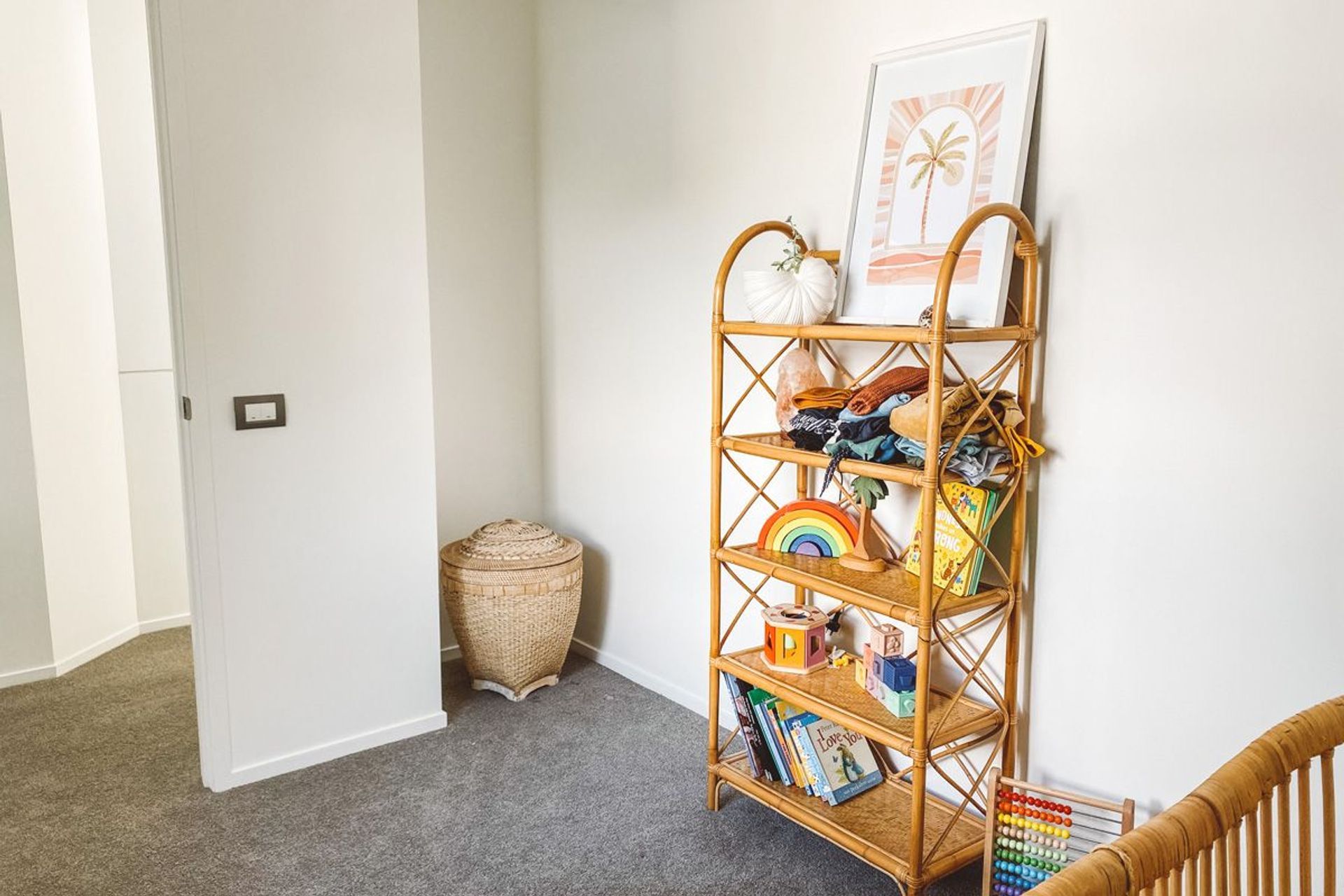
I'm just about to start planning my nursery renovation cost and I've been doing some research. It's a big project, and I want to make sure I'm prepared and get the best value for my money. I know it can be a bit overwhelming, so I thought I'd share my findings and hopefully help others out there who are in a similar situation.
Understanding the Costs
When it comes to nursery renovation cost, there are a few key factors that will influence the final price. The size of the nursery, the materials you choose, and the complexity of the design will all play a part. It's a good idea to get a few quotes from different contractors to compare prices and ensure you're getting a fair deal. Don't be afraid to ask questions and understand the breakdown of costs.
The labor costs can vary, and it's worth considering the skill level and experience of the contractors. You may find that more specialized work, like custom carpentry or electrical work, will cost more. It's a balance between finding skilled professionals and staying within your budget.
Finding the Right Contractor
Hiring a reputable contractor is crucial for a successful nursery renovation. Look for local companies with a good track record and positive reviews. Check their licensing and insurance, and don't be shy to ask for references. A good contractor will be happy to provide this information and will guide you through the process.
When getting quotes, make sure they are detailed and itemized. This will help you compare apples with apples and ensure you're not paying for unnecessary extras. Ask about their experience with similar projects and how they handle unexpected issues that may arise during the renovation.
Construction Company Names
If you're thinking of starting a construction business, choosing a name is an important step. It should be catchy, memorable, and reflect the nature of your work. Some ideas could be:
- Build-It-Better
- Renovate & Revive
- Constructive Solutions
- Home Transformation Co.
- Fix-It-Right
- The Build Crew
Remember to check the availability of the name and secure the relevant domains and local registrations.
Jobs and Salaries
The construction industry offers a range of roles, from general contractors to specialized tradespeople. Estimators, for example, play a crucial role in calculating nursery renovation cost and other construction projects. They assess the materials, labor, and time needed for a job, and their skills are in high demand.
You'll find job openings advertised online, through recruitment agencies, and sometimes even through word of mouth. Salaries can vary depending on experience, location, and the size of the company.
Industry Tools and Data
RSMeans is a well-known resource in the construction industry. It provides cost data and estimating tools to help contractors and businesses plan and manage projects effectively. This kind of tool is essential for accurate nursery renovation cost estimates and ensures that businesses can provide competitive quotes.
Big Companies and the Industry
The construction industry is diverse, with a range of small, medium, and large companies. Larger firms often have the resources to take on bigger projects and may have more specialized teams. They can offer a wider range of services and have the capacity to manage multiple projects simultaneously.
However, smaller companies can also bring unique advantages, like a more personalized service and the ability to offer more flexibility and creativity in their work. It's a matter of finding the right fit for your project.
Next Steps
So, there you have it! I hope this has given you some insight into nursery renovation cost and the factors that influence it. Remember, it's important to do your research, get multiple quotes, and find a contractor you trust. Good luck with your renovation project, and I wish you a beautiful and functional nursery space!
Related: Jersey Size Chart: A Quick Reference Guide
A jersey size chart is a handy tool for anyone looking to ensure a perfect fit when ordering clothing online or understanding garment measurements. This guide will provide an overview of these charts, covering their purpose and the key information they offer.
They offer a quick reference, typically presenting measurements for various body parts and the corresponding clothing sizes. While standards can vary, a good chart will provide a reliable starting point for finding your ideal size, whether you're shopping for men's, women's, or kids' apparel.
Understanding the Jersey Size Chart
A jersey size chart is an essential tool for anyone looking to purchase clothing, especially online. It provides a standardized guide to help you choose the right size for your body measurements. This chart ensures a perfect fit and can save you from the hassle of returns and exchanges.
Key Details and Categories
The jersey size chart typically includes measurements for chest, waist, and hip circumference, as well as height. These measurements are presented in a table format, with sizes categorized by numerical values or alphabetical letters, depending on the standard being used. For example, the US standard may use numerical sizes like 32, 34, 36, etc., while the European standard might use letters such as S, M, L, XL, and so on. It's important to note that these sizes can vary slightly between brands and manufacturers, so always refer to the specific jersey size chart provided by the retailer or brand you're purchasing from.
Step-by-Step Guide: Reading the Chart
To use the jersey size chart accurately, follow these steps:
Measure your body: Take accurate measurements of your chest, waist, hips, and height. Ensure you follow the guidelines provided on the chart for proper measuring techniques.
Find your size: Locate your measurements on the chart. For instance, if your chest measurement is 38 inches, look for the column or row that corresponds to this value.
Check other measurements: Ensure that your waist and hip measurements also align with the size you've chosen based on your chest measurement. If there's a significant discrepancy, you may need to choose a different size or consider a custom-fit option.
Consider the fit: Different brands and styles may offer various fits, such as slim, regular, or relaxed. Refer to the chart's notes or additional guidelines to understand how these fits may impact the overall size.
Size Variations and Differences
Size charts can vary across brands and regions due to different standards and preferences. For instance, a size medium in one brand might fit like a large in another. This is why it's crucial to refer to the specific jersey size chart for the brand you're purchasing from. Additionally, some brands may offer size guides with detailed measurements for each size, providing a more precise fit.
Common Mistakes and How to Avoid Them
One common mistake is assuming that your size remains constant across all brands. Always refer to the jersey size chart for each brand to ensure an accurate fit. Another mistake is neglecting to measure yourself properly. Ensure you follow the guidelines provided on the chart to get the most precise measurements.
Tips for a Perfect Fit
To achieve the best fit, consider these tips:
Measure yourself regularly, especially if you're purchasing clothing after a significant weight change or growth spurt.
If you're between sizes, choose the larger size for a more comfortable fit or the smaller size for a tighter, more fitted look.
Pay attention to the fabric and style of the jersey. Some fabrics may have more or less stretch, impacting the overall fit.
Don't be afraid to try on multiple sizes if you're unsure. Many online retailers offer free returns, so take advantage of this to find your perfect fit.
Well, there you have it, a comprehensive guide to jersey size charts. With this knowledge, you can confidently navigate the world of sizing and ensure a perfect fit every time. Remember, while this guide provides a solid foundation, exact values can vary, so always refer to the specific guidelines provided by the brand or manufacturer for the most accurate results.
Feel free to explore our other resources on sizing and fitting guides; we've got plenty of practical tips to ensure your wardrobe choices are always spot on. Happy shopping, and don't forget to measure twice (or thrice) to ensure that perfect fit!