


Math Worksheets Up To 20 Overview
A common misconception about math anchor charts is that they are only useful for teachers or advanced math enthusiasts. However, these charts are incredibly accessible and beneficial for anyone looking to improve their math skills or simply need a quick refresh!
Math anchor charts offer a visual and organized way to understand and apply mathematical concepts. Whether it's a reference chart for common formulas or a diagram explaining a specific math topic, these tools provide an easy-to-follow guide, ensuring you don't get lost in complex equations. Keep an eye out for variations in formats and values, as these can differ depending on your region or the specific math subject.
Math Anchor Charts: Your Visual Study Buddy
Math anchor charts are like having a helpful study guide right in front of you, making complex math concepts easier to grasp. These charts are visual tools that break down math topics into simple, organized formats, often using diagrams, graphs, or tables. They're designed to be quick references, helping you understand and apply math rules and formulas.
Standard Units and Categories
The beauty of math anchor charts is their consistency. Most charts use standard units and categories, ensuring everyone understands the same thing. For instance, when measuring angles, you'll find degrees as a standard unit. Other common categories include shapes, formulas, and mathematical operations. These charts often cover a range of topics, from basic arithmetic to more advanced concepts.
Reading and Interpreting: A Step-by-Step Guide
Using a math anchor chart is simple once you know how. First, identify the topic you need help with, like finding the area of a triangle. Then, locate the relevant section on the chart. Read the labels and categories carefully. The chart will often provide a formula or rule, along with a visual representation to make it clearer. For our triangle example, you might see a diagram of a triangle, the formula for its area, and perhaps some sample calculations. Follow the steps or rules provided, and you'll be solving math problems like a pro!
Common Chart Variations and Their Causes
While math anchor charts follow standard formats, there can be variations. These often depend on the specific topic or the standard being used. For instance, a chart about fractions might use different notations or representations depending on whether it's for elementary or advanced math. Other factors like regional differences (e.g., metric vs. imperial) can also lead to variations. It's important to ensure you're using the right chart for your specific needs and level of study.
Practical Tips and Tricks: Avoiding Common Mistakes
One common mistake is assuming all math anchor charts are the same. Always check the chart's title and purpose to ensure it's relevant to your topic. Another pitfall is ignoring the chart's labels and categories, which can lead to misinterpreting the information. Always read carefully! Finally, remember that charts are guides, not absolute truths. Always double-check the exact specifications or tolerances for your specific problem, especially when dealing with real-world applications.
By understanding these practical tips and being aware of potential variations, you can use math anchor charts effectively and avoid common errors. They're a great tool to have in your math toolkit!
Math anchor charts are a fantastic tool to have at your disposal, offering a quick reference guide to keep your calculations on track. Remember, the exact details might differ slightly based on your specific needs or the standards you follow, so it's always good to double-check.
Feel free to explore our other guides; we've got plenty of practical tips and tricks to make math more accessible and fun! You'll find a wealth of resources to enhance your learning journey.
Related: Unraveling the PSU Depth Chart
A psu depth chart is a handy tool for anyone working with power supplies, offering a clear overview of dimensions and sizes. This guide will cover the basics, helping you navigate and utilize these charts effectively.
The charts provide a simple visual reference, often including standard measurements and common sizes. While the exact values may vary depending on the power supply type and manufacturer, these charts serve as a reliable starting point for your projects.
Understanding the PSU Depth Chart
The power supply unit (PSU) depth chart is a valuable tool for anyone working with computer hardware or building custom PCs. It provides a visual representation of the standard dimensions and measurements of PSUs, offering a quick reference guide for selecting the right PSU for your needs.
Key Details and Categories
The PSU depth chart typically displays two key categories: physical dimensions and power output. Physical dimensions include length, width, and height, often measured in inches or centimeters. Power output is represented by wattage, a crucial factor in determining the PSU's ability to supply sufficient power to your system.
Reading PSU Specs Step by Step
- Start by identifying the type of PSU you're dealing with. Common types include ATX, SFX, and TFX, each with its own standard dimensions.
- Locate the PSU's physical dimensions on the chart. These are usually represented by a range of values, as PSUs can vary slightly in size within a given standard.
- Note the power output (wattage) range associated with the PSU type and size. This will help you choose a PSU with adequate power capacity for your components.
- Compare the PSU's dimensions and power output to your system's requirements. Ensure the PSU fits within your case and provides sufficient power for your hardware.
Variations Across Standards and Contexts
PSU depth charts can vary depending on the standard being used. For example, ATX PSUs have a standard depth of 140-160mm, while SFX PSUs are typically 125mm deep. It's essential to refer to the correct chart for your specific PSU type and standard. Additionally, some charts may include variations for modular or non-modular PSUs, so be sure to check for any relevant distinctions.
Common Mistakes and How to Avoid Them
One common mistake is assuming all PSUs within a standard have identical dimensions. While most PSUs adhere to standard dimensions, some manufacturers may produce slightly larger or smaller units. Always double-check the exact measurements of your chosen PSU to ensure a proper fit.
Practical Tips for Accurate Results
When using a PSU depth chart, always refer to the most recent version to account for any updates or changes in industry standards. Keep in mind that while the chart provides a valuable reference, it's essential to cross-reference the dimensions with the PSU manufacturer's specifications to ensure accuracy.
Handling Edge Cases and Exceptions
While the PSU depth chart is a valuable tool, it's not a one-size-fits-all solution. Some PSUs, particularly those designed for custom or unique cases, may have non-standard dimensions. In such cases, you'll need to refer to the manufacturer's specifications for precise measurements. Additionally, be aware of any special requirements or restrictions your case may have, such as limited space for cable management, which could impact your PSU choice.
Well, there you have it! You're now equipped with the knowledge to tackle the PSU depth chart like a pro. Remember, when dealing with technical stuff, it's always wise to check the specific requirements and context you're working with. No two situations are exactly the same, so double-checking ensures you're on the right track.
Feel free to bookmark this page for future reference. It's a handy guide to have on hand, and you never know when you might need a quick refresher on PSU depth charts!
Related: How do I choose the right ski size?
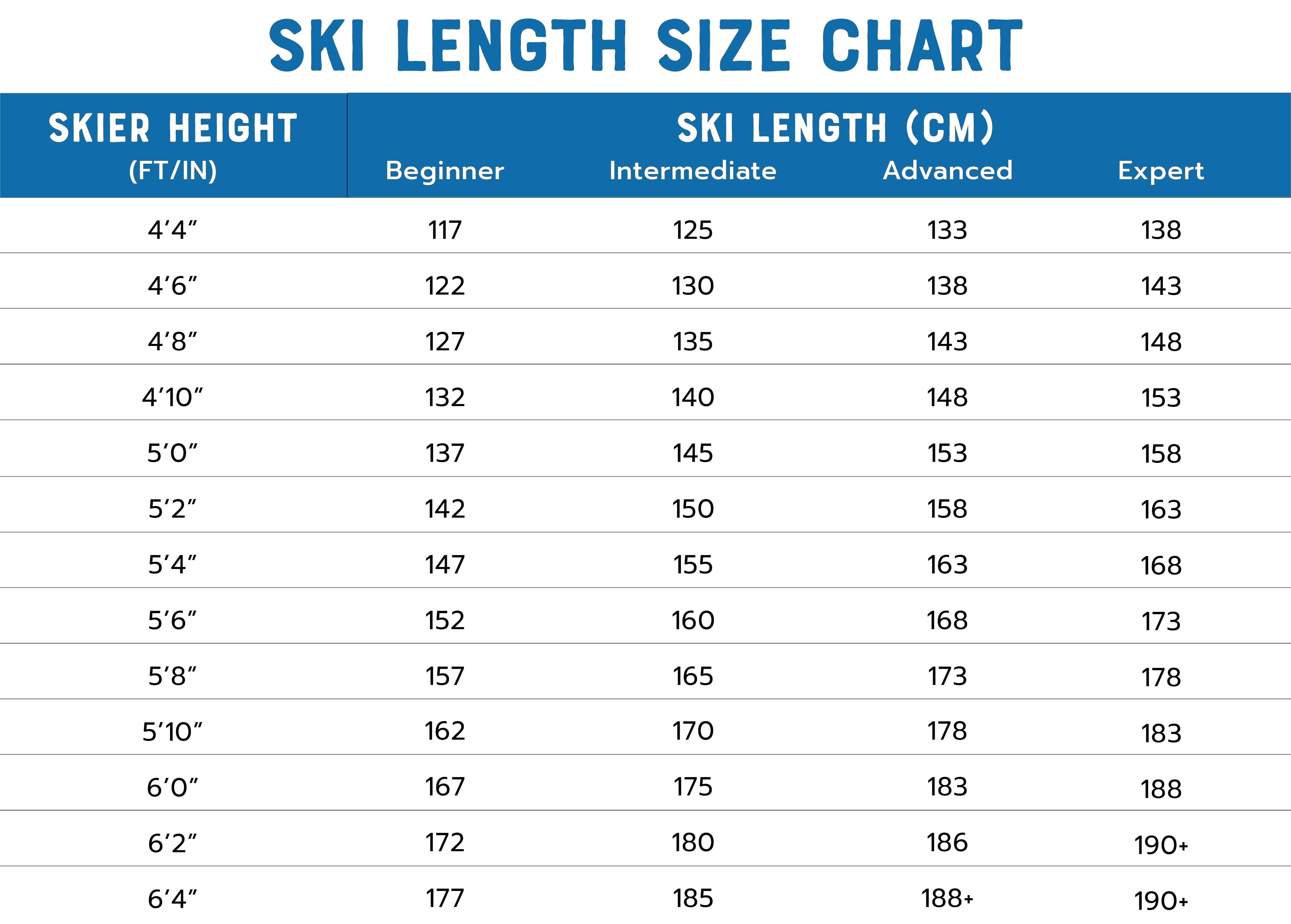
Many skiers, especially beginners, often assume that ski size is a one-size-fits-all affair, but that's not the case! A ski size chart is your go-to tool for finding the perfect ski length for your needs. It's a simple yet effective reference, offering a clear guide to help you choose the right skis.
While it may seem straightforward, there are a few variables to consider. These charts can vary slightly depending on factors like your skill level and the type of skiing you enjoy. So, it's a good idea to explore the different charts and guides available to ensure you get the most accurate recommendation.
Ski Size Chart: Your Practical Guide
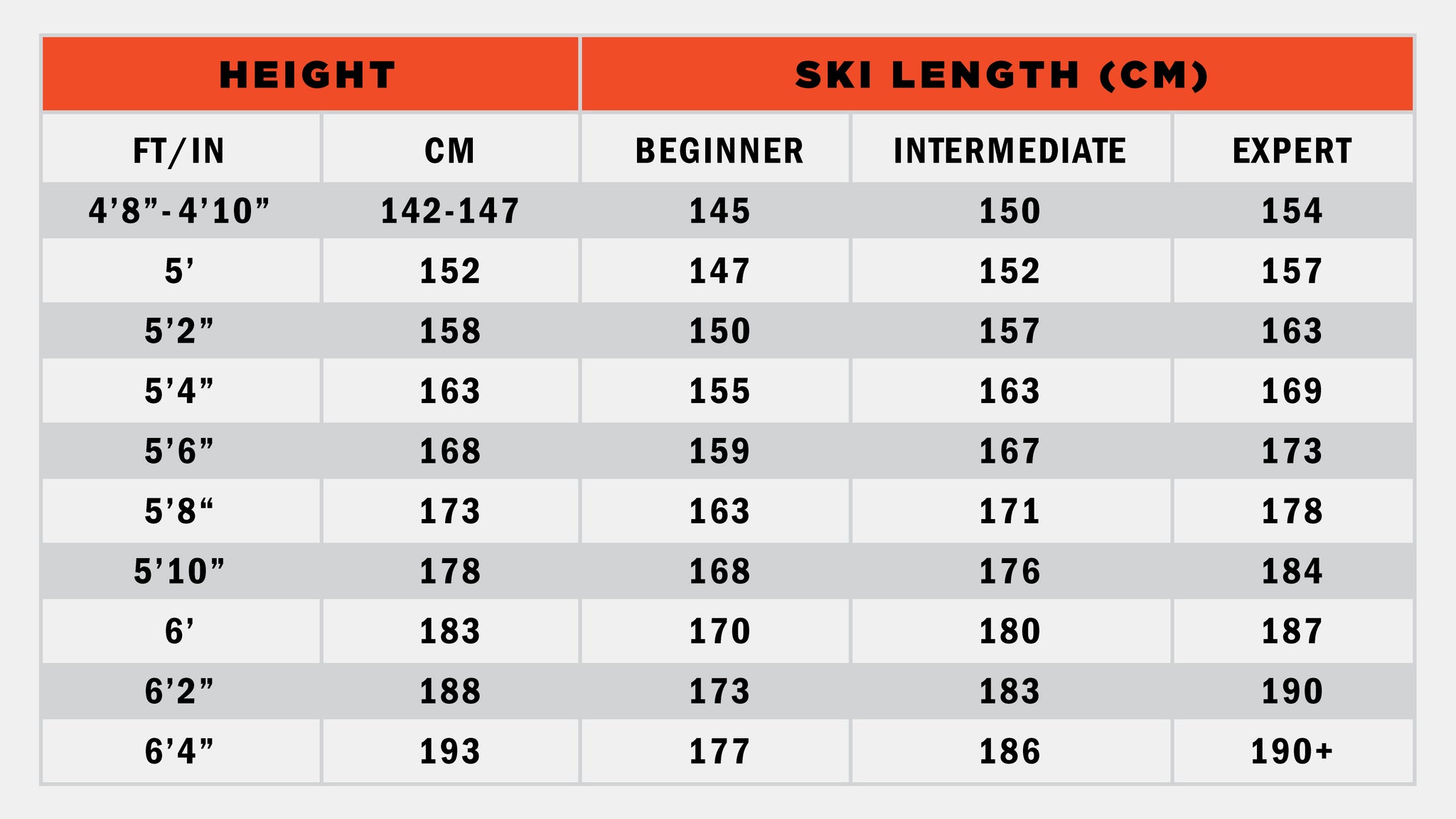
A ski size chart is a handy tool that simplifies the process of choosing the right ski length for your needs. It's a reference guide that considers your height, weight, and skill level to recommend an appropriate ski size. Using a ski size chart is an easy way to ensure you get skis that are comfortable and suitable for your abilities.
Key Details: Understanding the Basics
The chart typically provides recommendations for ski lengths based on your height and weight. It may also consider your skiing experience, with different categories for beginners, intermediates, and advanced skiers. The units used are usually in centimeters (cm) for ski length and metric measurements for height and weight. It's important to note that these charts are general guides and may vary slightly depending on the specific ski brand or model you're interested in.
Reading the Chart: A Step-by-Step Guide
- Start by finding your height on the chart. This is usually the primary factor considered.
- Look for the recommended ski length range corresponding to your height. This range often has a minimum and maximum length, giving you some flexibility.
- Consider your weight and skill level. The chart might have different recommendations for lighter or heavier individuals, and separate guidance for beginners versus more experienced skiers.
- Choose a ski length within the recommended range that aligns with your preferences and the type of skiing you enjoy. If you're a beginner, you might opt for the shorter end of the range for better control. Advanced skiers might lean towards the longer end for more speed and stability.
Variations and Differences: Why They Matter
Ski size charts can vary slightly between different brands and models. This is because skis are designed with specific purposes in mind, such as racing, freestyle, or all-mountain skiing. These variations ensure that the ski's performance matches your intended use. Additionally, some charts might offer more detailed recommendations based on your skiing style or the terrain you typically ski on. It's always a good idea to check the manufacturer's specific guidelines for their ski size recommendations.
Common Mistakes and How to Avoid Them
One of the most common mistakes is relying solely on your height to determine ski length. While height is a key factor, it's not the only one. Your weight and skill level also play a role. Another pitfall is ignoring the recommended ranges and opting for skis that are too long or too short. This can affect your control and overall skiing experience. Always aim for a ski length within the recommended range for your height, weight, and skill level.
Practical Tips for Accurate Results
If you're still unsure about which ski length to choose, consider renting a few different sizes to try them out on the slopes. This hands-on approach can help you understand how different lengths feel and perform. Additionally, consulting with a ski shop expert can provide valuable insights tailored to your needs. They can guide you through the process and offer recommendations based on your preferences and skiing goals.
Double-Checking and Handling Exceptions
While ski size charts are a great starting point, it's important to remember that they are general guidelines. If you have specific requirements or preferences, it's always a good idea to double-check with the manufacturer's specifications or consult an expert. For instance, if you have a unique body type or ski in a very specialized discipline, you might need to adjust the recommended ski length accordingly. Always ensure you're comfortable with your ski choice and that it aligns with your skiing aspirations.
Well, that's all for now on this ski size chart guide. We've covered a lot of ground, and I hope it's given you a clear idea of how to approach this topic. Remember, it's always a good idea to check the specific requirements and standards for your ski gear, as exact values can vary.
Don't forget to double-check the fine print and ensure you're getting the right size for your needs. With that in mind, feel free to explore our other guides and resources. We've got plenty of practical tips and tricks to share, so keep learning and stay tuned!