

Matrix Color Chart Letter Size Overview
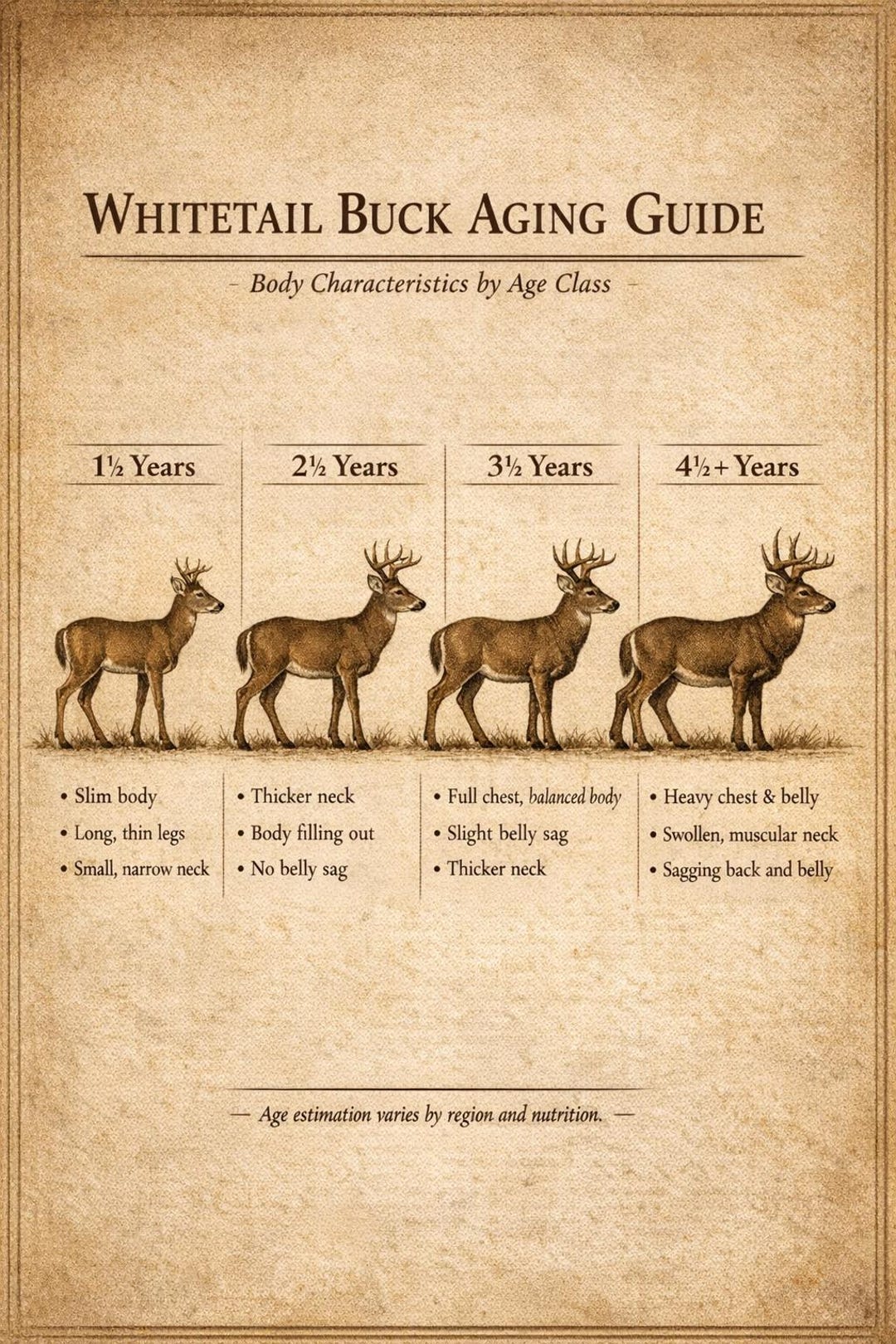
Many outdoor enthusiasts and hunters may assume that estimating a deer's age is an innate skill, but it's actually a precise art that requires a deer age chart as your trusted companion. While it may seem simple, misreading these charts can lead to inaccurate assessments.
The deer age chart, a vital tool for whitetail deer aging, relies on tooth wear and other visual cues. These charts provide a standardized way to estimate a deer's age, but it's important to note that variations exist, often depending on the region and specific deer species.
A Comprehensive Guide to the Deer Age Chart
The deer age chart is an invaluable tool for hunters, wildlife enthusiasts, and researchers, providing an accurate estimate of a deer's age. This chart, often referred to as a tooth wear chart, is a visual representation of the relationship between a deer's teeth and its age. It serves as a practical guide to help determine the age of a deer based on the condition of its teeth.
Comparing Chart Formats and Standards
There are several versions of the deer age chart available, and they can vary slightly depending on the region and the specific deer species being considered. Some charts are designed for whitetail deer aging, while others cater to different deer varieties. It's essential to use the appropriate chart for your region and the deer species you encounter. These charts typically provide a clear and easy-to-read visual representation, often with color-coded categories or a simple diagram.
Step-by-Step Guide to Accurate Deer Age Estimation
Using the deer age chart is a straightforward process, but accuracy is key. Here's a simple guide:
Examine the Deer's Teeth: Focus on the lower jaw, specifically the incisor teeth. These teeth are a reliable indicator of age.
Assess Tooth Wear: Look for signs of wear and erosion. The more worn the teeth, the older the deer.
Consult the Chart: Refer to the deer age chart and match the tooth wear pattern with the corresponding age category. The chart will often provide a range of ages, so select the most appropriate age based on your observation.
Consider Other Factors: While tooth wear is a primary indicator, other factors can influence the accuracy. These include the deer's overall health, diet, and environmental conditions. For instance, a deer with a poor diet may exhibit faster tooth wear.
Practice and Experience: Like any skill, estimating deer age improves with practice. Study various deer teeth patterns and compare them to the chart to refine your skills.
Common Misreadings and How to Avoid Them
While the deer age chart is a reliable tool, there are a few potential pitfalls to avoid:
Deer Aging by Teeth Variations: Different deer species and even individual deer can exhibit variations in tooth wear patterns. Always double-check the specific chart for your region and species.
Environmental Factors: Extreme environmental conditions, such as a harsh winter, can affect tooth wear. Consider these factors when estimating age.
Antler Size Chart: While antler size can indicate a deer's maturity, it's not a reliable indicator of age. Focus on the teeth for accurate age estimation.
Individual Differences: Deer, like all animals, are unique. Some may exhibit faster or slower tooth wear, so always refer to the chart as a guide, but trust your observations and experience.
By following these steps and being mindful of potential variations, you can accurately estimate a deer's age using the deer age chart, contributing to your understanding of deer populations and their behavior.
Remember, while this guide provides a solid framework, the specifics might shift a bit based on your unique circumstances. Every deer and every situation is a little different, so it's important to adapt and stay curious.
We've got a whole library of practical guides and resources here, so feel free to explore and discover more. You might just find the perfect tool to enhance your outdoor adventures and make the most of your time in nature. Happy trails!
Related: Understanding the Hawks Depth Chart
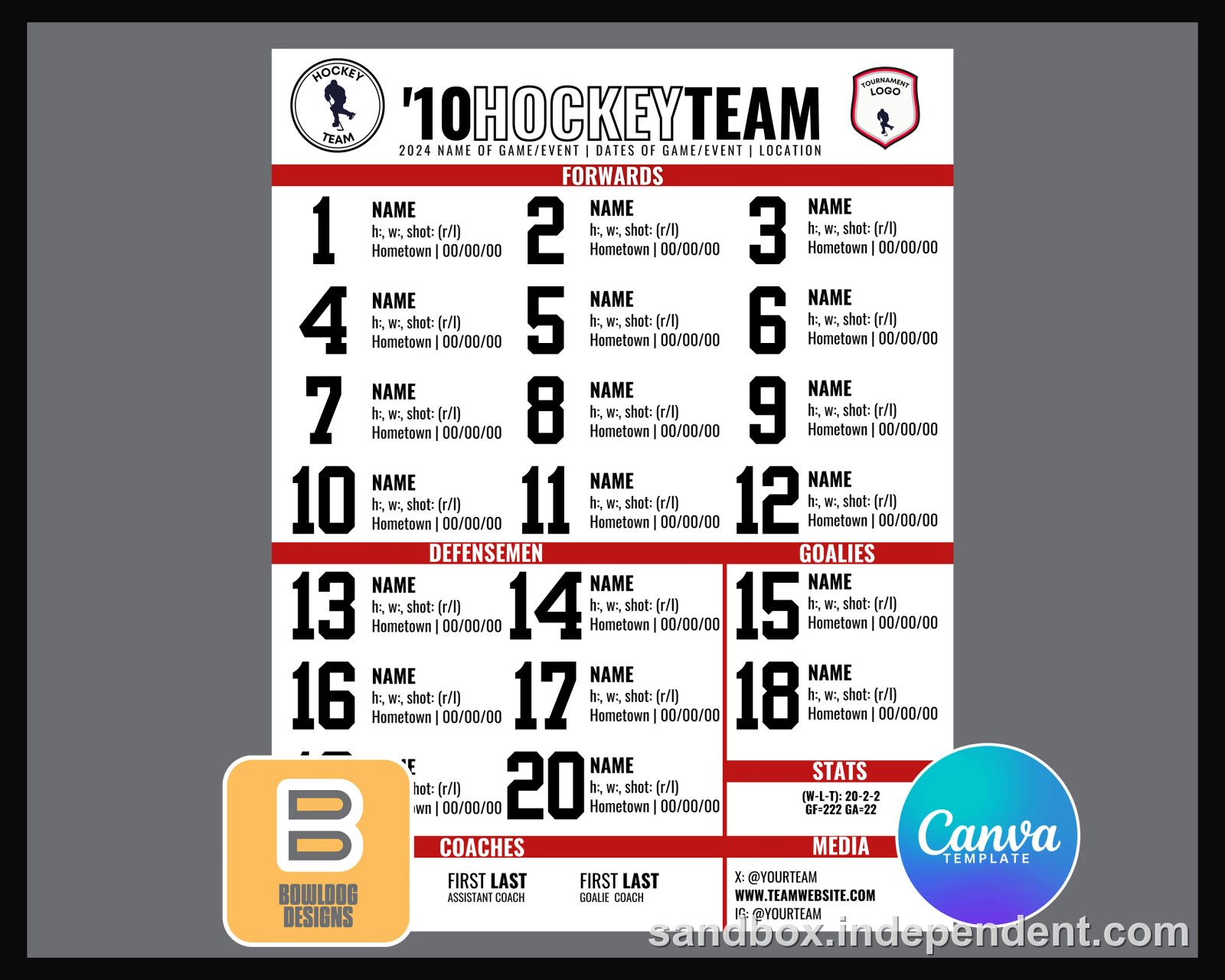
Many people tend to overlook the importance of a hawks depth chart, assuming it's just a simple lineup. However, it's so much more than that! The depth chart is a strategic tool, offering a quick glimpse into a team's lineup and player roles. It provides an easy reference, especially for those new to the sport, to understand the structure and dynamics of the Atlanta Hawks' roster. While the exact format and details may vary, the depth chart positions give an insight into the starting five and the bench players, and their statistics can reveal a lot about a team's strategy and potential.
Understanding Player Roles: An Overview
The hawks depth chart is a valuable tool for basketball fans and analysts, providing a clear picture of a team's player lineup and their roles. This chart offers an easy-to-read visual representation of the Atlanta Hawks' roster, showcasing the starting five and the bench players. It's a practical guide to understanding the team's strategy and player dynamics.
Comparing Depth Chart Formats and Standards
There are various ways to present a depth chart, but the standard format for the hawks depth chart typically includes columns for player positions and rows for individual players. Each cell within the chart represents a player's role and their specific position on the court. Common positions include point guard, shooting guard, small forward, power forward, and center. The chart may also include additional columns for player statistics, such as points per game, rebounds, and assists.
Step-by-Step Guide to Reading the Hawks Depth Chart
Here's a simple process to navigate and understand the hawks depth chart:
- Start by identifying the player positions along the top of the chart. These positions are typically listed in a standard order, ensuring consistency.
- Move down the chart, reading each player's name and their corresponding position. This will give you a clear idea of the team's starting lineup and the roles of each player.
- Pay attention to the statistics columns, if available. These numbers provide valuable insights into a player's performance and can help you analyze their impact on the court.
- Note any common position changes or adjustments made by the coaching staff. The depth chart may highlight these changes, indicating a player's versatility or a strategic shift in the team's lineup.
Common Misreadings and How to Avoid Them
While the hawks depth chart is designed for clarity, there are a few potential pitfalls to watch out for:
- Misinterpreting player roles: Ensure you understand the standard positions and their responsibilities. For instance, a shooting guard's role differs from that of a small forward, so pay attention to these nuances.
- Overlooking bench players: The starting five often gets the most attention, but the depth chart also highlights the importance of bench players. Their roles and contributions are just as crucial to the team's success.
- Assuming static lineups: Remember that depth charts can change throughout the season. Always check the latest version to ensure you have the most accurate information.
Factors Affecting Accuracy and Real-World Use
Several key factors can influence the accuracy and practical application of the hawks depth chart:
- Player statistics: These numbers are constantly updated, so ensure you're referring to the most recent data.
- Injuries and rotations: The depth chart may need adjustments due to player injuries or strategic rotations, so stay updated with the latest team news.
- Coaching strategies: Different coaches have unique approaches, which can impact player roles and lineup decisions.
- Opponent analysis: The depth chart may vary depending on the opposing team's strengths and weaknesses.
- Player performance: Individual player performance can also influence lineup changes and depth chart adjustments.
Remember, the hawks depth chart is a dynamic tool, and its accuracy relies on staying informed about the latest team developments and player performances.
So, there you have it! A handy guide to the hawks' depth chart, which should give you a clear picture of the options and help you navigate the process effectively.
Remember, every situation is unique, so take a moment to ensure your specific needs are met before you finalize anything. It's always worth double-checking to avoid any potential pitfalls. This guide should serve as a helpful reference, so feel free to bookmark it for future use. Happy charting!
Related: Learn Piano Scales: A Comprehensive Chart Guide
Many pianists, especially beginners, often overlook the power of a simple piano scales chart. It's a common misconception that these charts are only for advanced players or music theorists. However, a piano scales chart is an incredibly useful tool for all levels!
This chart is your quick guide to understanding and mastering scales. It provides a visual representation of scale patterns, intervals, and fingerings, making it easier to navigate and play scales with confidence. While there may be variations in format or notation, the essence remains the same: a practical guide to exploring major and minor scales.
Piano Scales Chart: Your Visual Guide to Musical Mastery
The piano scales chart is a powerful tool for musicians, offering a visual representation of the building blocks of music. It's like a map that helps you navigate the world of scales, providing a quick reference for understanding and playing different scale patterns. This chart is your secret weapon to mastering the piano keyboard and creating beautiful melodies.
Understanding Scale Structure: The Basics
Before diving into the chart, let's grasp some fundamental concepts. A scale is a sequence of notes that forms the foundation of music. There are two main types: major and minor scales, each with its unique sound and mood. The chart typically displays these scales in a standardized format, showing the notes and their intervals. You'll find scale degree names, like "tonic" or "dominant," which are essential for understanding the structure.
Reading Scale Charts: A Step-by-Step Guide
Using the piano scales chart is straightforward. Here's a simple guide:
- Identify the scale you want to learn. Let's say it's the C major scale.
- Locate the C major scale on the chart. It will show the notes in sequence, often with fingerings to guide your playing.
- Follow the notes and fingerings, playing each one on your piano.
- Practice the scale until you can play it smoothly and confidently.
- Repeat this process for other scales, exploring the various patterns and sounds.
Common Scale Variations: Navigating Differences
While the piano scales chart provides a standard reference, scales can vary depending on the musical context. Different styles, such as jazz or classical, may use unique scale variations. Additionally, some scales have multiple forms, like the harmonic minor scale, which has a distinct sound compared to its natural minor counterpart. It's essential to explore these variations and understand their applications to become a versatile musician.
Mistakes to Avoid: Common Pitfalls
When working with the piano scales chart, it's crucial to avoid common mistakes. One pitfall is rushing through the learning process. Take your time to understand each scale and its characteristics. Another mistake is neglecting to practice the scales in context. Apply them to real songs or exercises to reinforce your understanding and muscle memory.
Practical Tips for Accurate Results
To get the most out of your piano scales chart, consider these practical tips:
- Start with the basic major and minor scales. These are the foundation for many other scales and musical concepts.
- Practice regularly, even if it's just a few minutes each day. Consistency is key to mastering scales.
- Explore different piano scale patterns and intervals to expand your musical vocabulary.
- Use the chart as a reference, but also try to internalize the scales by playing them from memory.
- Challenge yourself with more complex scales once you've mastered the basics.
Remember, the piano scales chart is a valuable tool, but it's just the beginning. Practice, experimentation, and a deep understanding of music theory will take your piano skills to new heights. Happy practicing!
Well, there you have it! A piano scales chart is a handy tool to keep close by, offering a quick and easy reference for your musical adventures. Remember, while this guide provides a solid foundation, exact values might shift slightly based on the source or standard you follow.
So, before you dive in, ensure you're using the right chart for your specific needs. And hey, why not bookmark this page for future musical missions? It's always good to have a reliable resource at your fingertips!