

Maui Tide Chart Sheet Overview
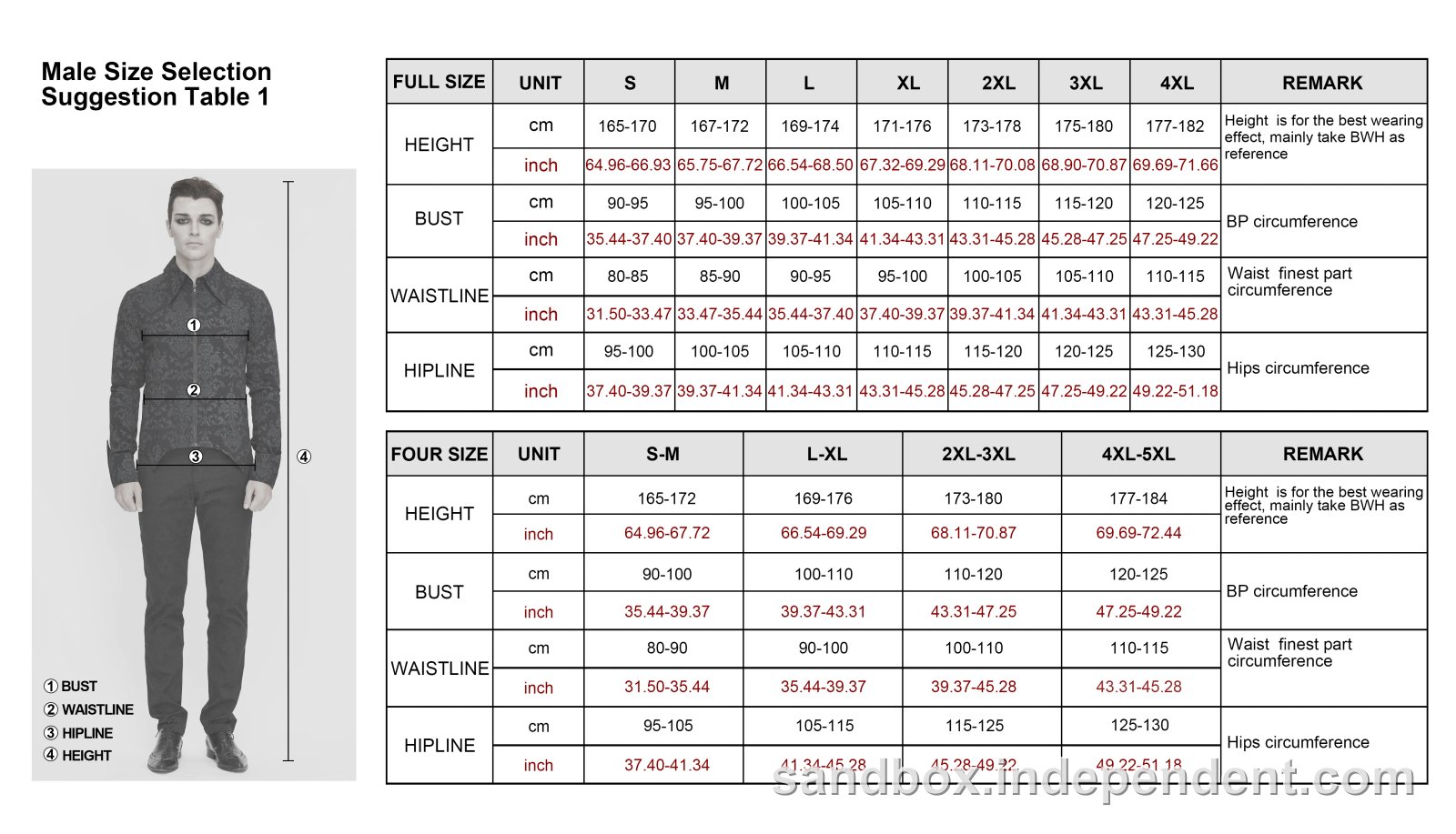
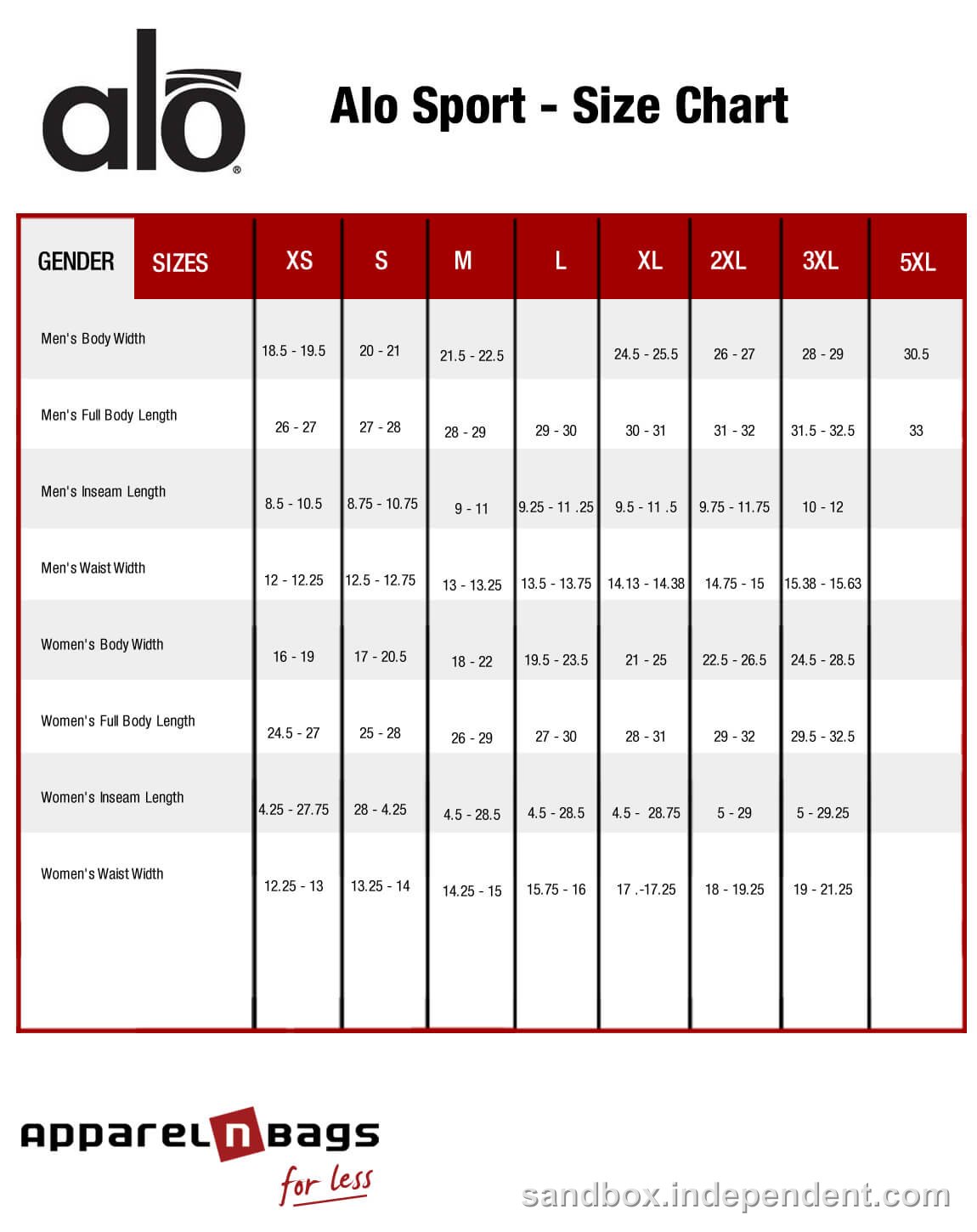
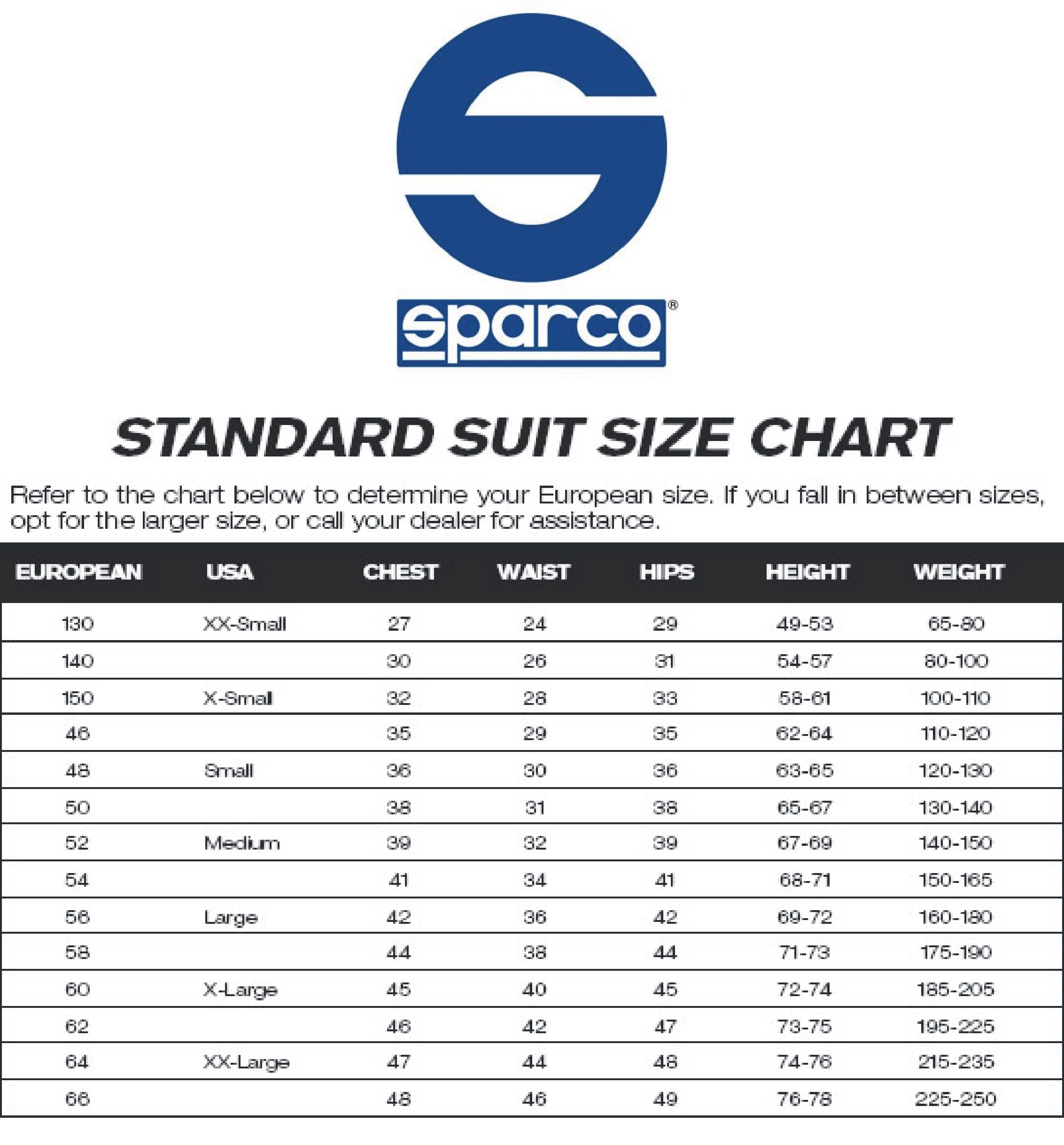
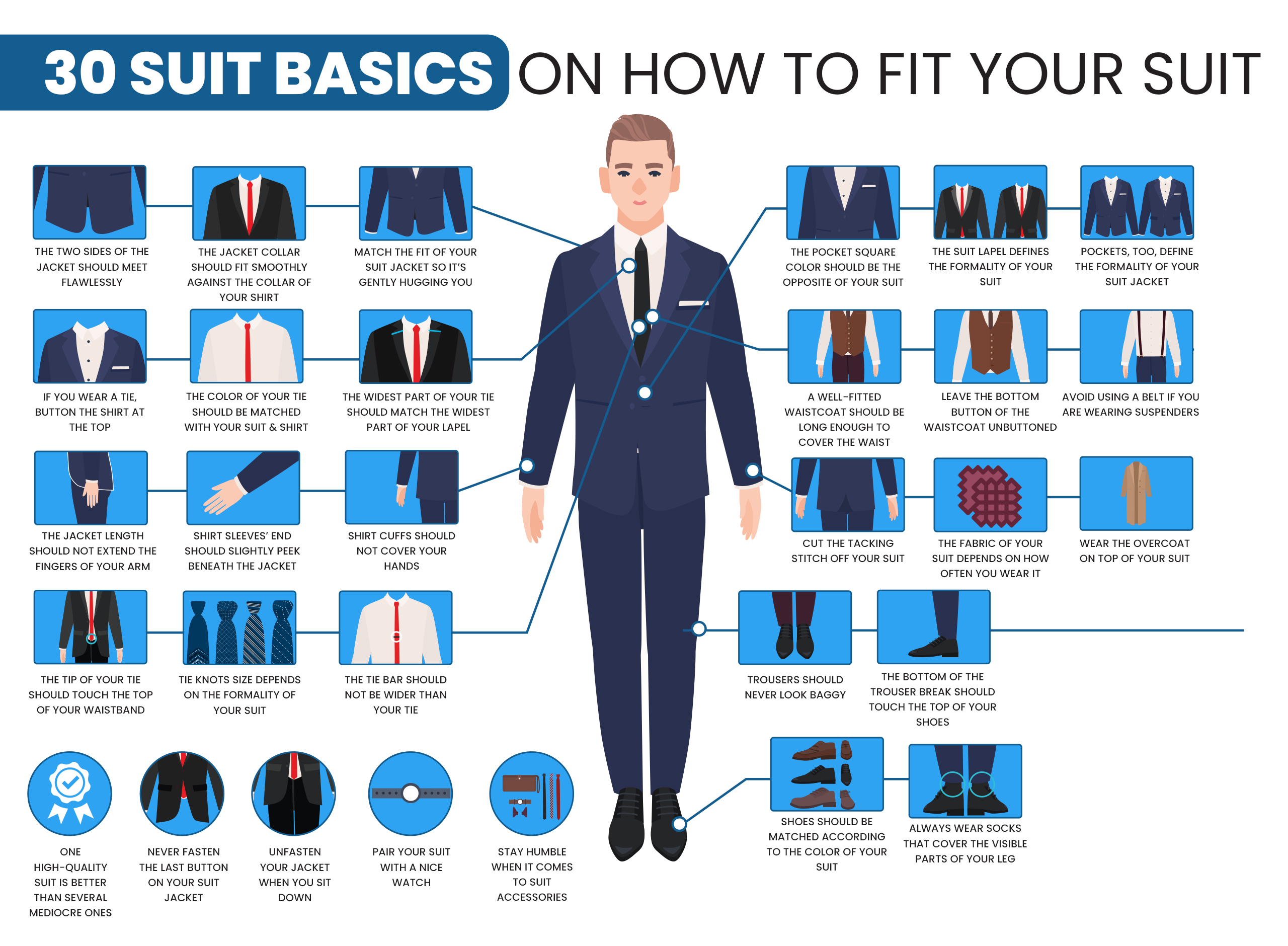
You're likely here because you need a suit size chart to ensure a perfect fit, and you're right to prioritize this. A well-fitted suit is essential, and having an accurate reference is key. The chart provides a simple yet effective way to determine your size, whether you're measuring yourself or referring to a tailor's guide. It's a straightforward process, but it's worth noting that sizing can vary slightly, depending on the brand and your personal preferences. With a quick glance at the suit size chart, you can navigate the differences and find the right measurements for a suit that flatters your figure.
Understanding the Suit Size Chart: A Quick Overview
The suit size chart is an essential tool for anyone looking to purchase or tailor a suit. It provides a standardized guide to help you find the perfect fit for your body type and preferences. This chart offers a simple yet effective way to determine your suit size, ensuring a comfortable and stylish look.
Comparing Suit Size Chart Standards and Formats
Suit size charts can vary slightly depending on the region and standard being used. The most common standards are the US and EU systems, each with its own measurement units and categories. The US system typically uses inches, while the EU system employs centimeters. It's crucial to know which standard you are referring to when using a size chart.
The charts often include categories such as chest size, waist size, and jacket length, providing a comprehensive guide for both the jacket and pants. These categories are further divided into specific measurements, ensuring a precise fit. For instance, the chest size may be categorized into small, medium, and large, with corresponding numerical ranges.
Taking Accurate Measurements: A Step-by-Step Guide
To use the suit size chart accurately, follow these steps:
- Gather a measuring tape and a mirror. Ensure the tape is flexible and can conform to your body's curves.
- Measure your chest size by wrapping the tape around your chest at the widest point, usually just below your armpits. Record this measurement.
- Determine your waist size by measuring the narrowest part of your waist. This measurement is crucial for a well-fitted jacket and pants.
- For jacket length, measure from the base of your neck to where you want the jacket to end. This measurement ensures the jacket's length suits your preference and body type.
- Compare your measurements to the suit size chart's categories and ranges. Choose the size that best aligns with your measurements for a comfortable and stylish fit.
Common Misreadings and How to Avoid Them
Misinterpreting the suit size chart is common, especially when dealing with different standards and measurement units. Always ensure you are using the correct standard for your region or the manufacturer's specifications.
Another pitfall is assuming that one size fits all. Suit sizes can vary between brands and styles, so it's essential to double-check the exact specifications, especially when ordering online. Additionally, remember that the chart provides a guide, and slight variations are normal.
Key Factors Affecting Accuracy and Real-World Use
- Suit measurement guide: Ensure you follow the guide accurately, taking precise measurements.
- Common size variations: Suit sizes can differ between brands, so always check the manufacturer's size guide.
- Pant waist size: This measurement is crucial for a comfortable fit and should be considered carefully.
- Standard suit sizing: While charts provide a standard, individual body shapes and preferences may require adjustments.
- Cm to inches conversion: If you are used to one unit of measurement, ensure you understand the conversion when referring to a different standard.
Adapting the Chart for Your Specific Needs
The suit size chart is a versatile tool, and you can adapt it to suit your preferences and body type. If you prefer a more tailored look, you can use the chart as a starting point and make adjustments based on your measurements.
For instance, if you have a broader chest and a narrower waist, you may need to size up for the jacket and size down for the pants. The chart provides a foundation, but it's essential to consider your unique body shape and style choices.
Remember, the perfect suit fit is a combination of accurate measurements and personal preference. With the right suit size chart and a little tailoring, you can achieve a stylish and comfortable look.
Remember, while this guide offers a comprehensive overview, the exact details can vary slightly across different sources and standards. It's always a good idea to refer back to this page for a quick refresh when you need it, and feel free to explore our other guides for more practical tips and insights. Stay organized, and happy measuring!
Related: What is a Flange Bolt Chart?
A common pitfall when working with flange bolt charts is assuming they are universal and consistent across industries. In reality, these charts can vary based on factors like standards, regions, and specific applications. It's essential to understand that a flange bolt chart is a tailored tool, providing precise information for a particular context.
These charts offer a quick reference for flange bolt dimensions, including sizes, strengths, and markings. While the format may differ, the purpose remains the same: to ensure accurate selection and application of flange bolts, a critical component in many industries.
Understanding the Flange Bolt Chart
The flange bolt chart is a valuable reference tool for anyone working with flange connections. It provides a quick and practical guide to selecting the right bolts for your project. This chart offers a visual representation of various bolt sizes, strengths, and specifications, ensuring accurate choices for your application.
Comparing Standards and Formats
Different standards and regions may have variations in flange bolt charts. For instance, the metric bolt chart follows international standards, while the ANSI B18.2.1 is specific to the US. These charts detail bolt dimensions, including head size, shank length, and thread pitch, ensuring compatibility with flange dimensions. Additionally, bolt strength is indicated by markings on the head, following standards like SAE J429.
Applying the Flange Bolt Chart: A Step-by-Step Guide
To use the flange bolt chart effectively, follow these steps:
- Identify the flange size and type you are working with. This information is crucial for selecting the correct bolt.
- Refer to the chart and locate the corresponding flange size. Each flange size will have a range of recommended bolt sizes and strengths.
- Choose the bolt size that best fits your application, considering factors like load capacity and space constraints.
- Check the bolt head markings to ensure you select bolts with the appropriate strength rating.
- Confirm the thread pitch and length of the bolts to ensure they match the flange's thread and provide sufficient grip.
Common Misreadings and Pitfalls
While the flange bolt chart is a precise tool, misreadings can occur. Here are some common pitfalls:
- Failing to consider the specific standard or region's chart: Different standards may have variations in dimensions and markings. Always use the correct chart for your application.
- Neglecting to check bolt head markings: These markings indicate bolt strength and must match your requirements.
- Assuming all charts are universal: While charts provide general guidelines, some applications may require specific bolt dimensions or strengths. Always double-check exact specifications, especially for critical applications.
Key factors to consider:
- Flange size and type
- Bolt size and strength
- Thread pitch and length
- Specific application requirements
By following these guidelines and being mindful of potential variations, you can accurately utilize the flange bolt chart for your projects.
Remember, while this guide offers a comprehensive overview, the exact details may differ slightly depending on your specific needs and the standards you follow. It's always a good idea to refer to the latest editions of the relevant standards and consult with experts when making critical decisions.
Feel free to explore our other guides for more practical insights and tips. We've got a range of topics covered, so you can find the information you need to tackle various projects with confidence. Happy learning and exploring!
Related: Find Your Perfect Fit: Jeans Size Chart Guide
Many people struggle with the idea of a jeans size chart, assuming it's a complex and confusing tool. But it's actually a simple and handy reference, a quick guide to finding your perfect fit!
The chart offers a visual or tabular overview, providing waist and hip size measurements, along with other key details like inseam length and leg opening. While values may vary slightly between brands and regions, the jeans size chart is a reliable starting point for an accurate fit.
Understanding the Jeans Size Chart
The jeans size chart is your guide to finding the perfect fit for your denim dreams! It's a handy tool that translates your body measurements into the right jeans size, ensuring you look and feel great. This chart is like a secret code, but don't worry, it's easy to crack!
Key Details and Categories
Let's break down the chart's categories. Typically, a jeans size chart will have two main measurements: waist size and hip size. These are the most critical factors in finding a comfortable and flattering fit. You'll also find other details like inseam length, leg opening, and rise, which add precision to your choice. These measurements are usually in inches or centimeters, depending on the standard used. Always check the chart's units to ensure accuracy.
How to Read and Apply the Chart
Using the jeans size chart is a breeze! Here's a step-by-step guide:
- Measure your waist and hip sizes. Ensure you're measuring at the right points; for the waist, it's the narrowest part of your torso, and for the hips, it's the widest part.
- Find your waist and hip measurements on the chart. The chart will often have a grid or table format, with waist sizes along one axis and hip sizes on the other.
- Look for the intersection of your waist and hip measurements. This will give you your recommended jeans size. For example, if your waist is 28 inches and your hips are 36 inches, the chart might recommend a size 6.
- Consider other details like inseam length. If you prefer a specific leg length, choose a size that accommodates your desired inseam.
- Try it on! While charts are accurate, personal preferences and body shapes vary. So, it's always best to try the jeans and see how they feel and look.
Size Variations and Differences
It's important to note that jeans size charts can vary slightly between brands and manufacturers. This is because each brand might have a unique fit philosophy or use different measurement standards. Additionally, regional differences can impact size charts, with some countries using different sizing systems. Always check the brand's specific size guide or denim size chart to ensure you're using the right measurements. It's a good idea to refer to the brand's size guide when shopping online to avoid any surprises.
Finding the perfect jeans size is an adventure, and with this guide, you're equipped to navigate the jeans size chart like a pro!
Well, there you have it! A handy jeans size chart to keep on hand for all your denim adventures. Remember, these charts are a great starting point, but it's always wise to check the specific brand's size guide for any unique fits or styles.
Jeans shopping can be a fun and practical experience, and with this guide, you're well-equipped to find your perfect fit. So, happy browsing and remember to bookmark this page for future denim missions!