



Mchenry County Circuit Clerk Overview
A capsule size chart is a handy tool for anyone working with capsules, whether it's for medication, supplements, or even food products. This guide will help you navigate and understand these charts, ensuring you can quickly find the right capsule size for your needs.
The chart provides a clear overview of capsule dimensions, typically showing both metric and imperial sizes. It's a simple reference, but one that can vary slightly depending on the standard or region, so it's good to know how to read and interpret them accurately.
A Quick Overview
The capsule size chart is your go-to guide for understanding and selecting the right capsule size for your needs. It's a handy reference tool that simplifies the process of identifying and working with different capsule sizes, especially when dealing with various standards and formats.
Comparing Capsule Size Standards
When it comes to capsule sizes, there are two main standards to consider: the metric system and the imperial system. The metric system, used internationally, employs a straightforward numbering system for capsule sizes, ranging from 000 to 5. Each size corresponds to specific dimensions, with the larger numbers indicating smaller capsules. On the other hand, the imperial system, commonly used in the US, utilizes lettered sizes (A to E) and has its own set of dimensions. It's crucial to know which standard you're working with to ensure accurate selection.
Step-by-Step Guide to Using the Chart
Using the capsule size chart is simple:
- Identify the standard: Determine whether you're working with metric or imperial capsules. This information is typically provided by the manufacturer or can be found on the packaging.
- Locate the size: Refer to the chart and find the corresponding size based on the standard. The chart will provide you with the specific dimensions for each size, including length and diameter.
- Consider your needs: Evaluate the capsule's intended use and the amount of content it needs to hold. This will help you choose the appropriate size.
- Double-check: Always confirm the exact specifications, especially if you're working with sensitive or specialized formulations. Some manufacturers may have slight variations, so it's best to verify.
Common Misreadings and How to Avoid Them
One common mistake is assuming that all capsules within a size category are identical. While the capsule size chart provides standard measurements, there can be minor variations between brands or even within the same brand. Always refer to the specific product details to ensure accuracy. Additionally, be cautious when converting between metric and imperial sizes; direct conversions may not always provide an exact match, so it's best to consult the chart for the closest equivalent.
Factors Affecting Real-World Accuracy
Several factors can influence the accuracy of your capsule selection and filling process:
- Capsule Type: Gelatin vs. hard capsules can have slight size variations.
- Manufacturer: Different brands may have unique specifications, so always check.
- Content Volume: Ensure the capsule size accommodates the intended dosage or content.
- Environmental Conditions: Humidity and temperature can affect capsule dimensions over time.
- Filling Technique: Proper filling techniques ensure accurate dosing and avoid overpacking.
Remember, while the capsule size chart provides a valuable reference, it's essential to consider these factors and double-check specific product details for precise results.
Hey there! I hope this capsule size chart has been a handy reference for you. Remember, these values can vary slightly, so always double-check your sources and standards to ensure you're getting the right information for your specific needs.
Feel free to explore our other guides and resources; we've got plenty of practical tips and tricks to help you navigate various topics with ease. Happy learning, and keep those capsules organized!
Related: How to Read the Newport Tide Chart?
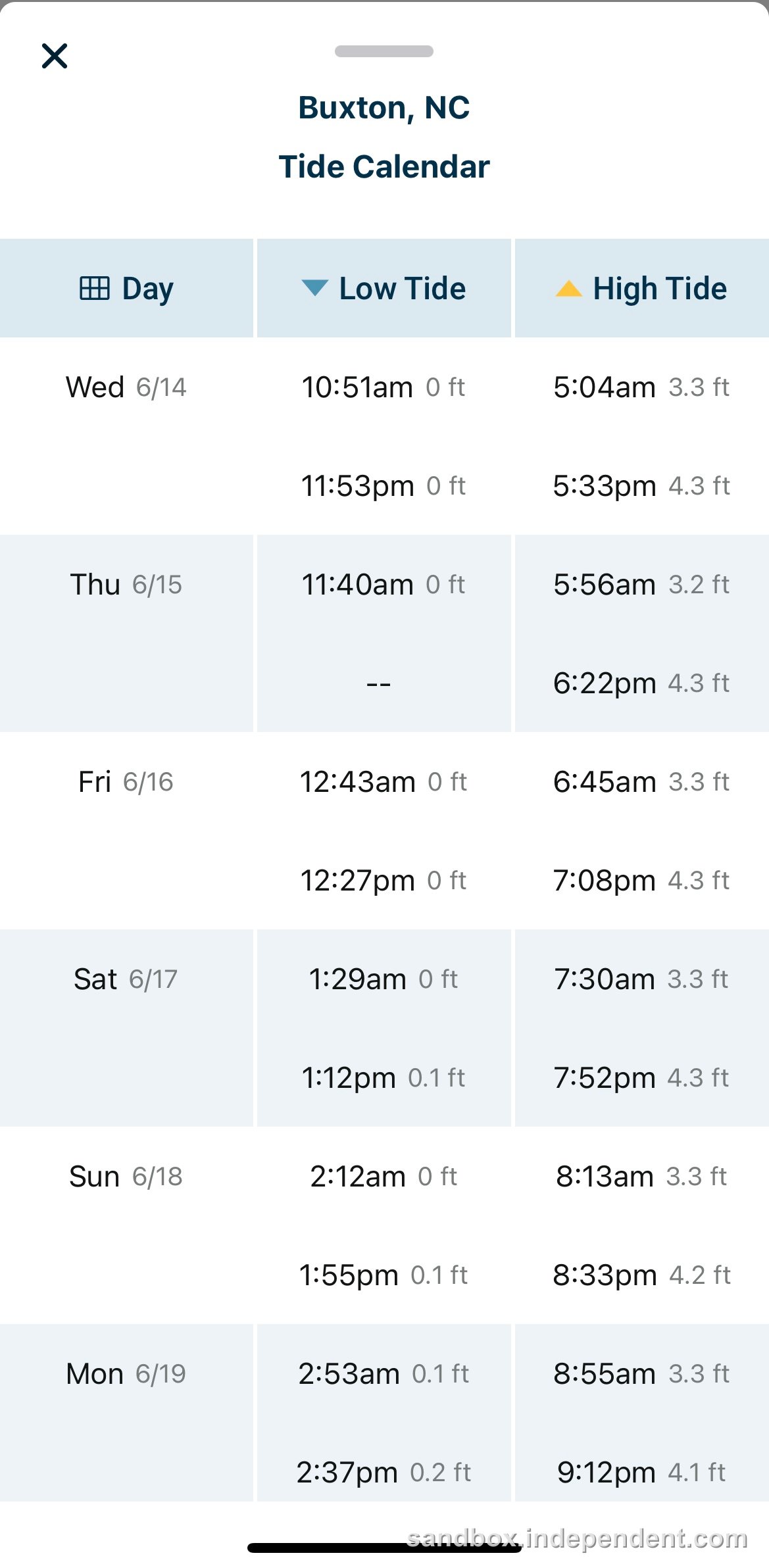
You've landed here because you need a reliable, quick reference for your Newport tide chart. This essential tool, whether a chart, table, or diagram, provides crucial information for your planning and activities. It's a simple yet powerful resource, offering a snapshot of tidal movements and water levels for Newport and its surrounding areas.
The beauty of the Newport tide chart is its precision and ease of use. While the specific values and formats may vary depending on your region and the source of the data, the core purpose remains the same: to provide an accurate and accessible guide to Newport's tidal rhythms. Whether you're a sailor, fisherman, or just a curious beachgoer, this chart is your key to understanding and navigating the ebb and flow of Newport's waters.
Understanding Newport Tide Charts
Newport tide charts are an essential tool for anyone planning coastal activities, offering a glimpse into the ebb and flow of tide heights and water levels in the region. These charts provide a visual representation of the tidal patterns, helping users navigate the waters safely and efficiently.
Key Details and Categories
The newport tide chart typically displays two main categories: tide times and tide heights. Tide times indicate the specific moments when the tide will be at its highest or lowest points, often referred to as high tide and low tide. These times are crucial for planning activities such as boating, fishing, or beachcombing. Tide heights, on the other hand, represent the vertical difference between high and low tide, providing an understanding of the water's depth and movement.
Reading and Applying the Chart: A Step-by-Step Guide
- Begin by identifying the date and time for which you need the tide information. Newport tide charts often cover a specific period, so ensure you are referring to the correct chart for your intended activity.
- Locate the tide times on the chart. These are usually marked with clear indicators, such as "High Tide" and "Low Tide," along with the corresponding time.
- Once you have the tide times, you can plan your activities accordingly. For instance, if you're boating, you might want to time your departure or arrival with the high tide to ensure sufficient water depth.
- The tide heights section of the chart provides additional insights. It shows the difference in water levels between high and low tide, which is particularly useful for understanding the current flow rates and potential changes in water depth.
- Remember, these charts are a guide, and actual conditions may vary slightly due to weather or other environmental factors. Always exercise caution and stay updated with the latest weather reports and marine forecasts.
Common Variations and Safety Considerations
While newport tide charts are highly accurate, it's important to note that variations can occur due to several factors. Weather conditions, such as strong winds or storms, can influence tide levels and times. Additionally, certain coastal areas may experience unique tidal patterns due to their geographical features. It's crucial to cross-reference the chart with real-time observations and local knowledge, especially in unfamiliar locations. Safety should always be a priority when relying on tide charts, so stay informed and be prepared for any unexpected changes in tide behavior.
It's always a good idea to familiarize yourself with the unique tidal patterns of any new location you visit. While the Newport tide chart provides a reliable reference, remember that exact values can vary, so it's wise to double-check with local sources for the most accurate and up-to-date information.
Feel free to bookmark this page for future reference. It's a handy tool to have on hand when planning your next coastal adventure or activity, ensuring you're always prepared and making the most of the tides.
Related: How to Read a Ski Length Chart
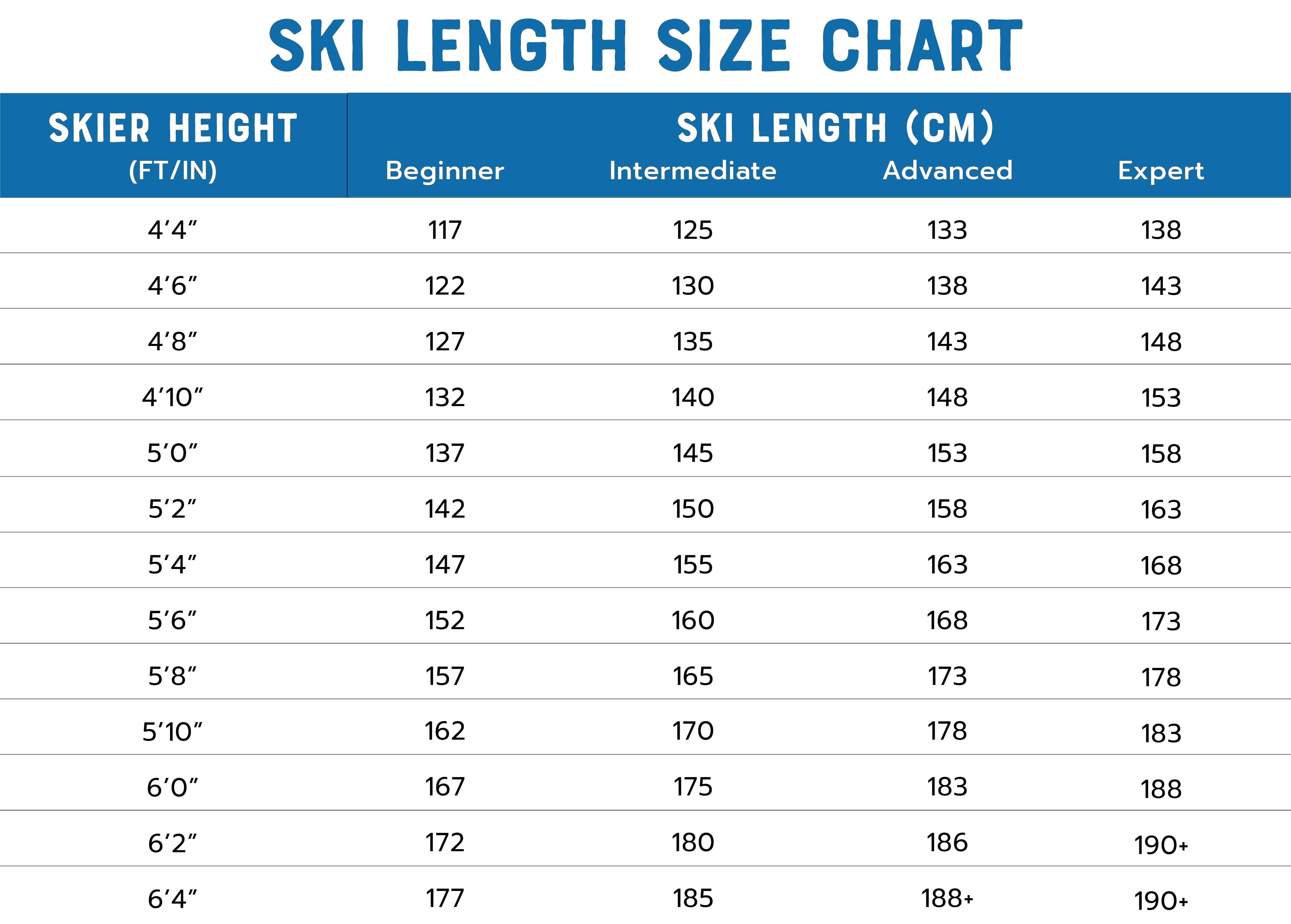
Many skiers assume that a ski length chart is a one-size-fits-all guide, but it's actually a flexible tool with some room for personal preference. While these charts provide a great starting point, they're not set in stone.
So, when you see a ski length chart, don't be afraid to experiment a little. Values can vary, and it's worth considering your skill level and the type of skiing you prefer. You might find a slightly longer or shorter ski suits your style better. It's all about finding the right fit for you!
Ski Length Chart: A Quick Guide
A ski length chart is a simple tool to help you choose the right skis for your height and skill level. It's a handy reference to ensure you get the optimal ski length for your needs, whether you're a beginner or an experienced skier.
Key Details and Categories
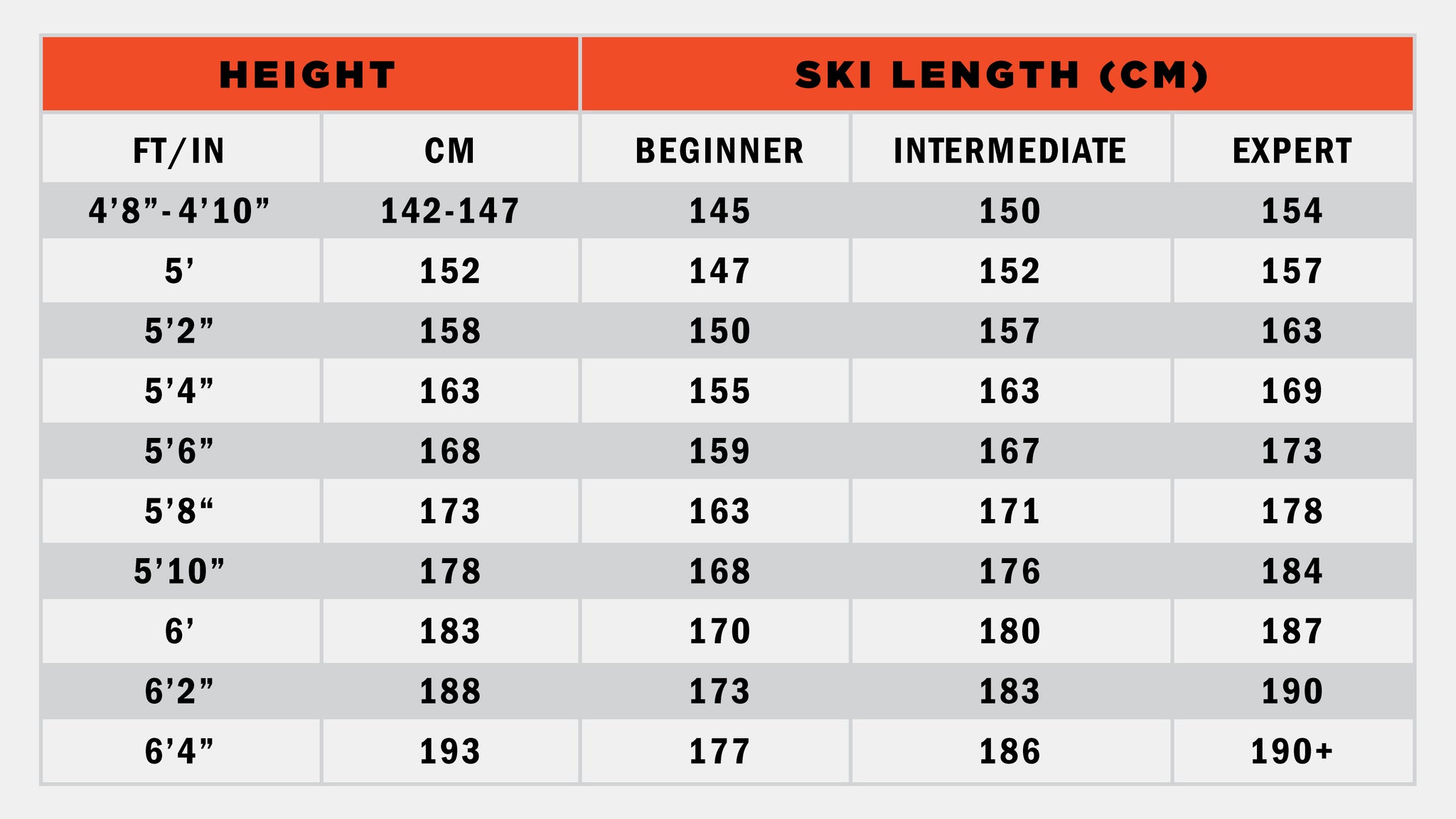
The chart typically displays a range of heights, usually in inches or centimeters, along with the corresponding recommended ski lengths. These lengths are often given in centimeters and are categorized by skill level: beginner, intermediate, and advanced. Some charts may also include additional factors like weight or specific ski types.
How to Read and Apply the Chart
Reading a ski length chart is straightforward. First, identify your height on the chart. Then, find the recommended ski length for your skill level. Here's a step-by-step guide:
- Locate your height: Look for the column or row that matches your height. If your height falls between two values, you can estimate or choose the closest length.
- Determine your skill level: Identify whether you're a beginner, intermediate, or advanced skier. Most charts will provide recommendations based on these skill levels.
- Choose your ski length: Find the intersection of your height and skill level. This will give you the recommended ski length. For example, if you're 5'8" tall and an intermediate skier, the chart might suggest a ski length of 165 cm.
Variations and Differences
It's important to note that ski length charts can vary depending on the standard used. Different regions and manufacturers may have slightly different recommendations. Additionally, some charts may offer more detailed suggestions, considering factors like weight and ski type. These variations ensure a more personalized ski length recommendation.
Common Mistakes and How to Avoid Them
One common mistake is relying solely on height without considering skill level. Remember, the chart takes both into account. Another pitfall is ignoring specific ski types. If you're using a particular type of ski, like powder skis or racing skis, ensure the chart accounts for this or seek a specialized chart.
Practical Tips for Accurate Results
To ensure you get the best fit, consider these tips:
- If you're between two sizes, err on the side of shorter skis. Longer skis can be more challenging to control, especially for beginners.
- Don't be afraid to seek advice from ski shop experts. They can provide personalized recommendations and ensure a perfect fit.
- If you're an advanced skier, you may prefer a longer ski for more speed and stability. However, ensure you have the skills to handle them.
Double-Checking and Handling Exceptions
While ski length charts are a great starting point, it's always wise to double-check with a professional. They can assess your skiing style and preferences and ensure the recommended length suits your needs. Additionally, if you have specific requirements, like adaptive skiing equipment, consult a specialist to ensure the best fit.
Well, there you have it! A ski length chart is a handy tool, but remember, it's a guide, and exact values can differ. Always consider your personal preferences and the specific conditions you'll be skiing in.
Don't forget to take a moment and ensure you've covered all your bases before hitting the slopes. And hey, if you're keen to learn more, we've got a bunch of other guides on similar topics that might interest you. Happy reading and skiing!