





Med In Special Education Overview
You've got my Wakemed Chart open, ready to dive into the details, and you're seeking a quick, reliable guide. Well, you're in the right place! This chart is your go-to resource, a handy tool to navigate and understand your personal health record. It's a simple yet powerful way to keep track of your medical journey. With your my Wakemed Chart, you can quickly access vital information like lab results and medication lists, all in one place.
Understanding Your Wakemed Chart
Your Wakemed chart is a powerful tool to manage your health. It's like having a personal health assistant, keeping track of vital signs, lab results, and more. But how do you make sense of all the data? Let's dive in!
Key Details: Unpacking the Data
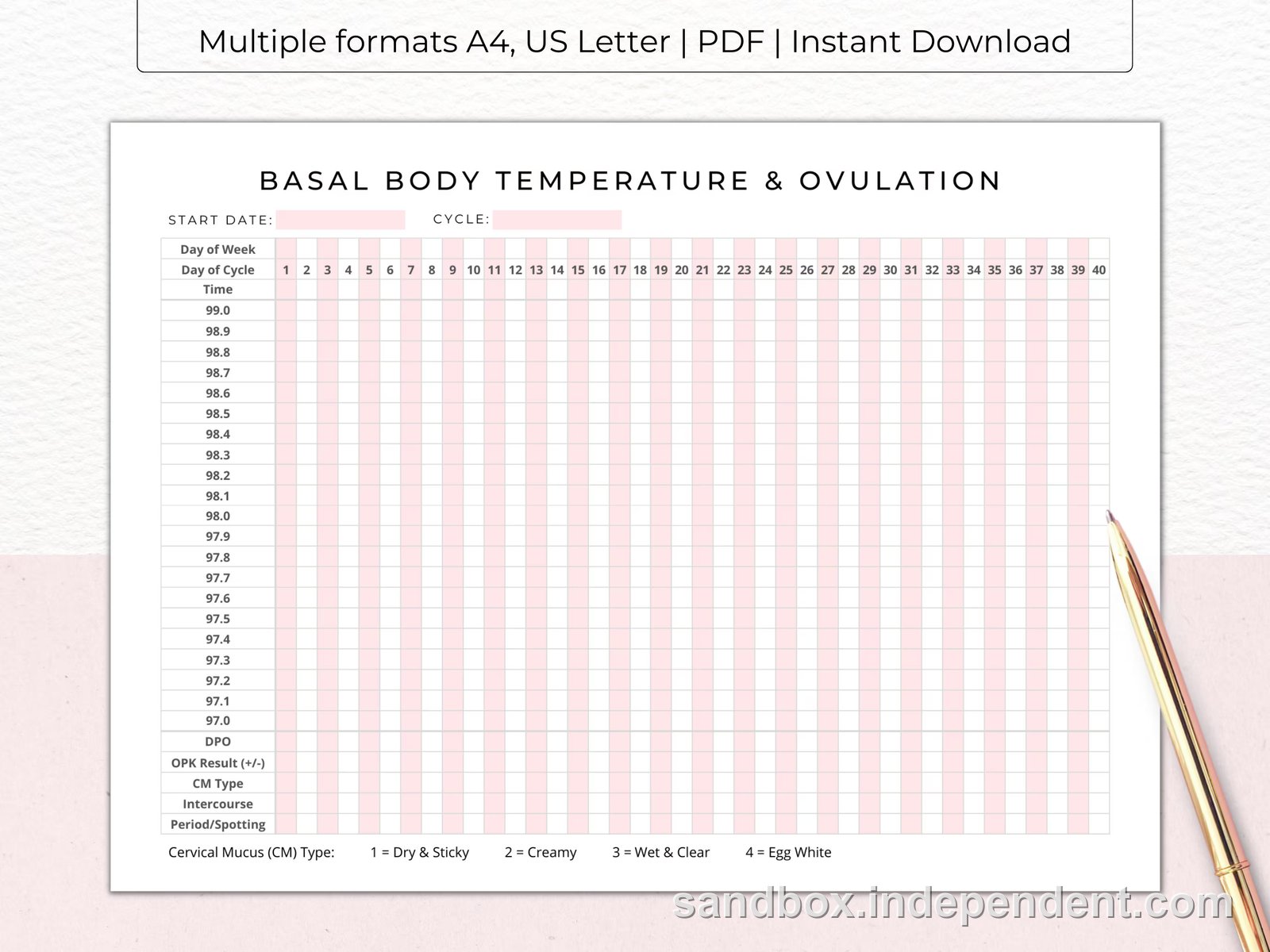
The chart displays various health metrics, each with its unit and range. Common categories include blood pressure (mmHg), heart rate (bpm), temperature (°F or °C), and oxygen saturation (%). These values are essential for understanding your body's performance.
Reading and Applying Your Wakemed Chart: A Step-by-Step Guide
- Start by familiarizing yourself with the chart's layout. Note the different sections and their labels.
- Identify the units used for each metric. This is crucial for accurate interpretation.
- Compare your latest results with previous entries. Look for trends or significant changes.
- If you notice any anomalies, consult your healthcare provider. They can guide you on the next steps.
- Use the chart to track progress. For instance, if you're monitoring blood pressure, note the changes over time.
Variations and Differences: Why Charts May Differ
It's important to note that charts can vary based on the standard or region. For instance, temperature readings may be in °F (US) or °C (metric/international). Always check the units to avoid confusion. Additionally, some charts might include extra categories, like glucose levels or lung function, depending on your medical history.
Common Mistakes and How to Avoid Them
One common mistake is mixing up units. Always double-check the units for each metric. Another pitfall is comparing your results to generic norms without considering individual factors. Remember, everyone's body is unique! Finally, avoid assuming that a single chart covers all your health needs. Different charts may be needed for specific conditions or treatments.
Practical Tips for Accurate Results
To ensure accuracy, regularly update your Wakemed chart with the latest results. This helps you and your healthcare team track changes effectively. Customize your chart by adding relevant categories, especially if you have specific health concerns. For instance, if you have diabetes, include blood sugar levels. Finally, always consult with your healthcare provider if you have questions or concerns about your health data.
Your Wakemed chart is a valuable resource, but it's just one tool in your health management toolkit. Stay informed, stay proactive, and keep your health on track!
Hey there! I hope this guide has been helpful in understanding your Wakemed chart and how to navigate it effectively. Remember, while we've covered the basics, the exact details might shift a little based on your unique situation and the specific context you're working with.
So, keep this guide handy, and feel free to explore our other resources for more practical tips and tricks. Bookmark this page, and you'll always have a quick reference to fall back on!
Related: What Is a Specialty Contractor Essential Guide
"What is a specialty contractor?" I asked myself as I started planning my home renovation. It's a term I kept seeing, but I wasn't sure what it meant exactly. So, I did some digging and here's what I found out.
The Basics: Who Are These Specialists?
A specialty contractor is a pro who focuses on one specific trade or skill. Unlike a general contractor who oversees the whole project, these guys are the experts in their field. They might handle plumbing, electrical work, roofing, or even something more niche like pool installation or solar panel setup. It's all about having a deep knowledge of one area.
Why Does It Matter?
Well, if you're planning a project, knowing who to call can save you time and money. For example, let's say you need a new roof. You could hire a general contractor who will then subcontract the roofing work out to a specialist. But why not go straight to the source? A specialty contractor will likely be more efficient and offer better value. They're the masters of their craft and can often complete jobs faster and with fewer surprises.
Finding and Hiring a Specialist
When you're ready to hire, do your research. Get quotes from a few different companies and compare. Look for experience, references, and check their licensing and insurance. It's also a good idea to ask about their process and how they handle unexpected issues. Remember, the cheapest quote might not always be the best value. You want someone who understands your vision and can deliver high-quality work.
Company Names and Branding
If you're in the construction game and thinking of starting your own business, choosing a name is key. It should be memorable, unique, and reflect your specialty. Something like "Atlanta Electrical Experts" or "Helena's Roofing Masters" tells people exactly what you do. But don't forget to check name availability and secure your domain and local registration too.
Jobs and Industry Outlook
Specialty contractors often work for larger construction companies or are self-employed. The work can be varied and rewarding, and there's always demand for skilled tradespeople. If you're looking for a career change, consider training in a specialty trade. It's a stable industry with plenty of opportunities. You'll find jobs listed on construction-focused job boards and local classifieds.
Tools of the Trade
In the construction world, tools like RSMeans can be a big help. It's a cost database and estimating tool used by contractors and estimators to price projects accurately. It takes into account things like materials, labor, and escalation (changes in costs over time). Having access to reliable data like this can make a big difference when quoting for jobs.
Big vs. Small Firms
The construction industry has a mix of large and small firms. Big companies often have more resources and can take on larger projects, but smaller firms might offer more personalized service. It's a balance between scale and specialization. As a customer, it's worth considering what matters most to you and your project.
Final Thoughts
Understanding what is a specialty contractor can really help when planning a project. Knowing who to call and what to expect can make the process smoother. And if you're thinking of a career change, the construction industry offers a world of opportunities. So, whether you're a homeowner, a business owner, or considering a new path, specialty contractors are a key part of the picture.
Related: Medical Building Construction Essential Guide
I've got a question for you: have you ever noticed how many medical buildings are going up in our neighborhood? It seems like every time I turn around, there's a new construction site with those big signs advertising a future clinic or hospital. That got me thinking about medical building construction and all the work that goes into these projects. So, let's dive in and explore this topic together!
Understanding Medical Building Construction
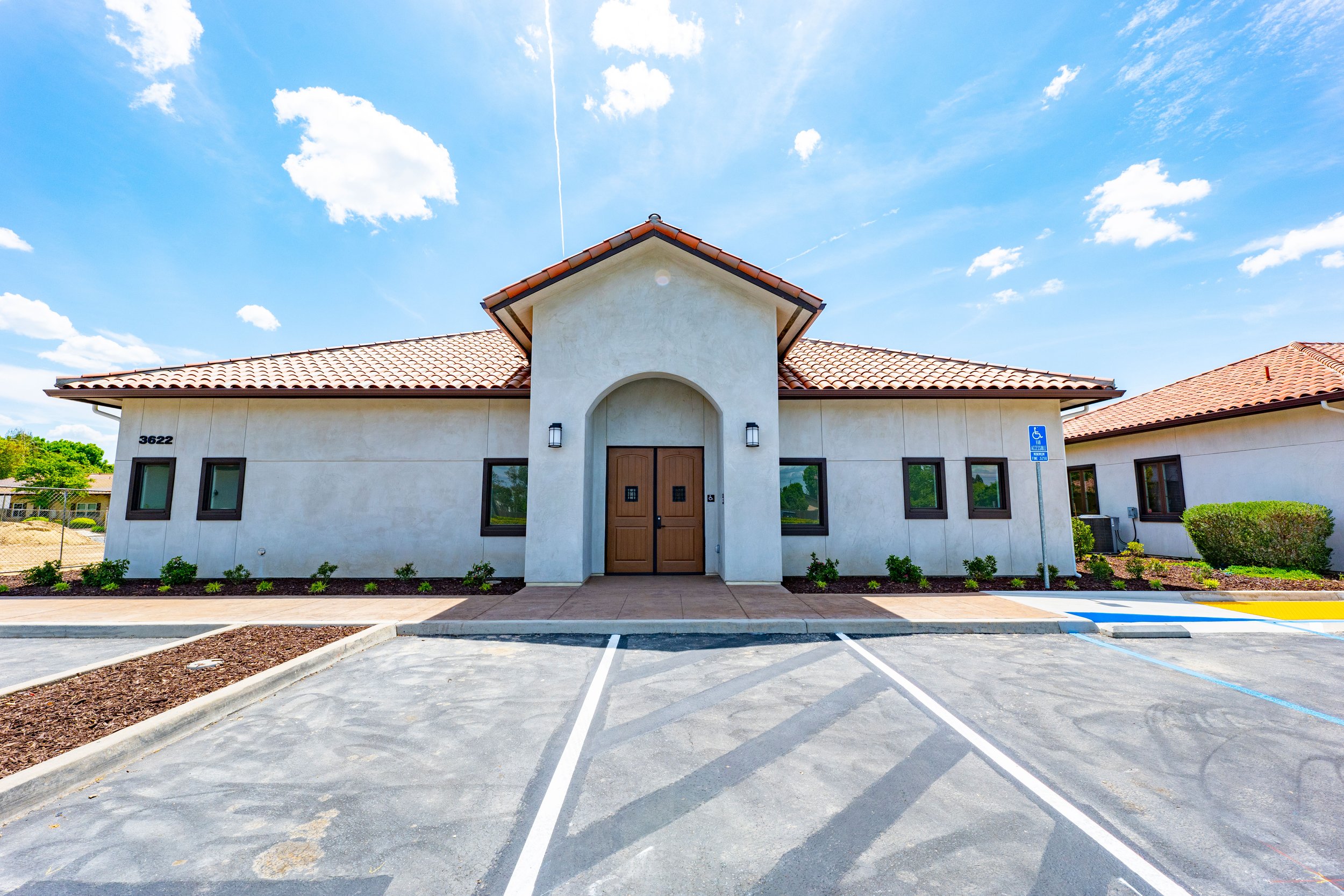
Medical building construction is a specialized field, and it's not just about building any old structure. These projects require a unique set of skills and considerations to ensure the safety and functionality of healthcare facilities. From hospitals to clinics, and even specialized research centers, each project presents its own set of challenges and opportunities.
One of the key aspects is understanding the specific needs of the medical industry. For instance, medical buildings often require specialized ventilation systems, infection control measures, and equipment that standard commercial or residential buildings don't need. This adds a layer of complexity to the construction process, but it's crucial to get it right.
Hiring the Right Team
When it comes to medical building construction, hiring the right team is essential. You'll want to find experienced general contractors or remodeling companies with a proven track record in healthcare construction. These professionals will understand the unique requirements and be able to guide you through the process, from design to completion.
Before hiring, it's a good idea to ask for references and check their previous work. You can also inquire about their experience with similar projects, as this will give you an idea of their capabilities and whether they can handle the specific needs of your medical building.
Costs and Pricing
As with any construction project, costs can vary widely depending on several factors. The size and scope of the building, the materials used, and the location can all impact the final price tag. It's important to get multiple quotes to compare and ensure you're getting a fair deal.
When comparing quotes, look beyond just the bottom line. Consider the reputation and experience of the company, their understanding of your specific needs, and the level of detail provided in their proposal. A thorough quote should outline the project scope, materials, labor, and any potential additional costs or contingencies.
Construction Jobs and Salaries
The medical building construction industry offers a range of job opportunities, from general contractors and estimators to specialized tradespeople like plumbers, electricians, and HVAC technicians. Salaries can vary depending on the role, experience, and location.
If you're interested in pursuing a career in this field, it's a good idea to start by gaining experience in construction and familiarizing yourself with the unique requirements of medical buildings. Many professionals find work through construction companies or by networking within the industry.
Industry Tools and Data
There are various tools and resources available to those in the medical building construction industry. For instance, RSMeans provides cost databases and estimating tools that can help with budgeting and planning. These resources take into account factors like escalation, which refers to the increase in construction costs over time due to inflation and other economic factors.
By using industry-specific tools, construction companies can stay ahead of the curve and provide accurate estimates and timelines for their clients.
Company Names and Naming Ideas
When it comes to naming your medical building construction company, you want something that's memorable, professional, and reflects your brand. Here are a few ideas to get you started:
- MedBuild
- HealthConstruct
- CareBuildings
- MedPro Construction
- Clinic Builders
- HealthSpace
Remember to check the availability of these names, both for business registration and domain names, to ensure you can establish a strong online presence.
Wrapping Up
So, there you have it! A quick dive into the world of medical building construction. Whether you're considering a career in this field, hiring a contractor, or just curious about the process, I hope this has given you some valuable insights. Remember, when it comes to construction, it's always a good idea to do your research and ask the right questions.