








Meme Stealing License Overview
I'm thinking about doing some home renovations, and the other day I stumbled across the term "stadium builders license." It got me curious: what's the deal with that? So, I did some digging and here's what I found out.
Decoding the Stadium Builders License
The stadium builders license is essentially a permit or authorization required for major construction projects, like building a stadium or a large-scale commercial structure. It's a crucial step to ensure the project complies with local regulations and safety standards. Think of it as a green light from the authorities to proceed with your build.
The process involves submitting detailed plans, getting them approved, and often paying a fee. It's a necessary step to avoid legal issues and ensure your project goes smoothly. You'll need to work with professionals who understand the local requirements and can guide you through the process.
Finding the Right Contractors
When it comes to getting your stadium builders license, you'll want to hire experienced contractors or construction companies. Look for firms with a proven track record in similar projects. Check their past work, ask for references, and ensure they're licensed and insured.
Interview potential contractors and ask about their experience with stadium builders license applications. A good contractor will guide you through the process, help with the paperwork, and ensure your project meets all the necessary criteria.
Naming Your Construction Business
If you're in the construction business or thinking of starting one, choosing a name is a big deal. It's your brand, your identity. A good name should be memorable, unique, and reflect your business values and services.
Here are a few name ideas to get you started:
- BuildMaster Construction
- Skyrise Builders
- Solid Foundations
- Renova Home Remodeling
- Constructive Solutions
Remember to check name availability and secure your domain and local registration before committing to a name.
The World of Construction Jobs
The construction industry offers a wide range of roles, from general contractors and estimators to project managers and specialized tradespeople. If you're looking for a job in this field, you'll find opportunities across the board.
Construction jobs often involve a mix of office and on-site work. You might start by checking job boards, local newspapers, or reaching out to construction companies directly. Don't forget to network and attend industry events to stay connected and informed about job openings.
Tools of the Trade: RSMeans and More
RSMeans is a popular resource in the construction industry. It's a comprehensive cost database that provides accurate estimates for various construction projects. From labor and materials to equipment and escalation costs, RSMeans covers it all.
Estimators and contractors use tools like RSMeans to create precise budgets and bids. It helps ensure projects stay on track financially and provides a valuable reference for the entire construction process.
Big Construction Companies: How They Differ
Large construction companies often have a broader scope and take on more complex projects. They have the resources and expertise to handle large-scale builds and can manage multiple projects simultaneously.
These companies typically have specialized departments for different aspects of construction, from design and engineering to project management and safety. They also have the financial backing to invest in the latest technology and equipment.
Wrapping Up
So, there you have it—a quick guide to the stadium builders license and some related topics. Whether you're renovating your home, starting a construction business, or looking for a job in the industry, understanding these basics is a great starting point.
Remember, when it comes to construction, it's always a good idea to do your research, ask questions, and work with professionals who know their stuff.
Related: Understanding the Drill Tap Chart: A Simple Guide
Many folks tend to overlook the drill tap chart, assuming it's just a simple table, but it's a powerful tool with a hidden depth. This chart is a handy reference, often overlooked, yet it holds the key to precise drilling and tapping, ensuring your projects are spot on. While it may seem straightforward, there's more to it than meets the eye, and understanding its nuances is crucial for accurate results.
Understanding the Drill Tap Chart
The drill tap chart is a handy reference tool for anyone working with drills and taps. It provides a quick guide to selecting the right drill bit size for a specific tap size, ensuring a secure and efficient fit. This chart is a valuable resource for professionals and hobbyists alike, offering a simple way to determine the correct drill bit diameter needed to create the perfect thread for your tap.
Key Details and Categories
The drill tap chart typically displays two main categories: drill bit sizes and corresponding tap sizes. These sizes are usually presented in standard measurements, such as inches or millimeters, depending on the region and the standard being followed. The chart provides a clear, visual representation of the relationship between drill bit and tap sizes, making it easy to identify the appropriate drill bit for a given tap.
How to Read and Use the Chart
Using the drill tap chart is straightforward. Here's a step-by-step guide:
Identify the tap size you require for your project. This information is usually available on the tap packaging or can be found in the product specifications.
Locate the tap size on the chart. The tap size is typically listed on the left side of the chart, with corresponding drill bit sizes displayed across the top or in a separate column.
Find the intersection of the tap size and the drill bit size column. This intersection point indicates the recommended drill bit size for that particular tap.
Select the appropriate drill bit based on the chart's recommendation. Ensure you choose a drill bit with the correct diameter to achieve a precise and secure fit.
Double-check the tap drill size calculator or consult the chart again if you need to confirm the size for a specific tap. It's always a good practice to verify, especially for critical applications.
Variations and Differences
While drill tap charts provide a standardized guide, variations can occur due to different standards and regions. For instance, the metric drill tap chart may have slightly different values compared to the imperial (inch) chart. Additionally, some manufacturers might offer their own charts with specific recommendations, especially for unique or specialized tap designs. It's essential to be aware of these variations and refer to the appropriate chart for your specific needs and region.
Common Mistakes and How to Avoid Them
One common mistake is assuming that all drill tap charts are universal. Always ensure you are using the correct chart for your region and standard. Another pitfall is neglecting to verify the tap drill size calculator or chart for specific tap designs. Some taps, especially those with unique thread profiles, may require a slightly different drill bit size than what is commonly recommended. To avoid these issues, always double-check the exact specifications and consult the relevant charts or calculators for your specific application.
Well, there you have it! A drill tap chart is a handy tool to have in your back pocket, offering a quick and easy reference for your drilling and tapping needs. It's a simple concept but one that can save you time and ensure accurate results.
Remember, while these charts provide a great starting point, exact values can vary slightly depending on your specific context and the standard you're working with. So, always double-check your requirements before you begin. Consider this article your go-to guide; bookmark it for future reference, and you'll never be lost for the right drill tap info again!
Related: Boys Size Chart: A Simple Guide
Many people assume that a boys size chart is a simple, universal tool, but it's important to understand that these charts can vary and require a bit of know-how to use accurately. While they provide a helpful framework, the values and measurements can differ based on various factors. A boys size chart is a valuable resource, offering a quick reference for standard body measurements, but it's essential to know how to interpret it for your specific needs.
Boys Clothing Size Chart: A Practical Guide
A boys clothing size chart is an essential tool for parents and caregivers to ensure a perfect fit for their little ones. This guide will walk you through the chart, its key details, and how to use it effectively.
Understanding the Chart: Key Details
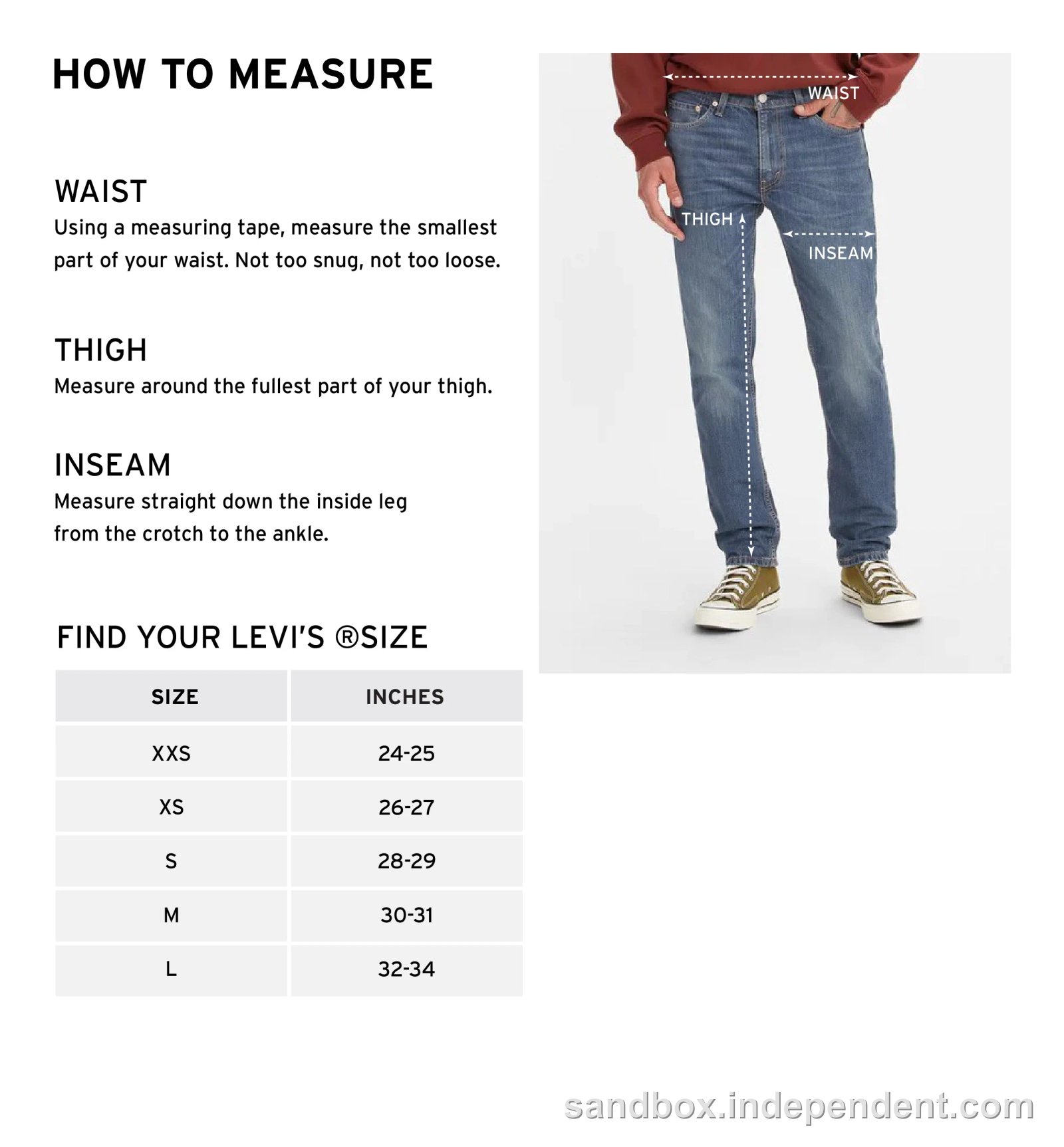
The boys size chart provides a reference for clothing sizes based on standard body measurements. It typically includes categories such as age, height, and weight, along with the corresponding clothing size. The chart is designed to offer a general guide, and the measurements are in both centimeters (cm) and inches. It is important to note that the chart may vary depending on the standard being used, whether it is a regional or international standard.
Reading and Applying the Chart: Step-by-Step
To use the boys size chart accurately, follow these steps:
Identify the relevant category: Start by determining whether you need to refer to the age, height, or weight category. This will depend on the clothing item and its specific sizing requirements.
Measure accurately: For height and weight, use a reliable measuring tape or scale. Ensure the child is standing straight and relaxed for height measurements. Weigh the child without any heavy clothing or accessories.
Find the corresponding size: Locate the measured value on the chart and identify the associated clothing size. For example, if the height is 110 cm, the chart may indicate a size 6 for tops and a size 7 for bottoms.
Consider the garment type: Different clothing items may have slight variations in sizing. For instance, tops and bottoms may have different size recommendations. Refer to the specific garment's size guide for more precise information.
Allow for growth: Keep in mind that children grow rapidly, so it is wise to choose a size that allows for some growth. Opting for a slightly larger size ensures the clothing will fit for a longer period.
Variations and Differences: Why They Occur
Boys size charts can vary due to several factors:
Regional standards: Different countries and regions may have their own sizing systems, leading to variations in measurements and categories.
International standards: Even within the same region, clothing manufacturers may follow different international sizing guidelines, resulting in slight differences.
Manufacturer preferences: Individual brands or designers may have unique sizing charts, especially for specialized clothing or unique designs.
Garment type: Certain clothing items, like shoes or hats, may have their own specific sizing systems.
Common Mistakes and How to Avoid Them
To ensure accurate sizing, avoid these common mistakes:
Relying solely on age: Age is just one factor; height and weight play crucial roles in determining the right size.
Neglecting to measure: Always measure the child accurately to get the most precise size recommendation.
Ignoring growth: Remember to allow for growth, especially for rapidly growing children.
Assuming consistency: Different brands and styles may have varying fits, so always refer to the specific size chart for each item.
Practical Tips for Accurate Results
Follow these tips for the best results when using a boys size chart:
Measure regularly: Children grow quickly, so update measurements every few months to ensure an accurate fit.
Compare multiple charts: If you are unsure, compare size charts from different brands or standards to get a broader perspective.
Consider the fabric: The stretch and flexibility of the fabric can impact the fit, so take this into account when choosing sizes.
Try before you buy: Whenever possible, try on the clothing to ensure a perfect fit, especially for special occasions or formal wear.
Double-Checking and Handling Exceptions
In certain cases, it is essential to double-check or seek additional information:
Unique body types: If your child has a unique body shape or size, consult a professional or seek advice from experienced parents to ensure the best fit.
Specific garment requirements: Some clothing items, like sports gear or formal wear, may have specific sizing guidelines. Refer to the manufacturer's instructions or seek expert advice.
International travel: When traveling abroad, be aware of different sizing systems and convert sizes accordingly.
By following these guidelines and understanding the variations, you can confidently use the boys size chart to find the perfect fit for your child's clothing.
Remember, when working with size charts, it's essential to consider the specific context and requirements of your project. While the information provided here serves as a general guide, exact values can vary slightly depending on the standard or source you use.
Take a moment to review the key points and ensure you have all the necessary details before moving forward. And feel free to explore our other resources and guides; we have a range of practical tools and tips to offer, so there's always something new to discover!