








Merced Inmate Search Overview
Many people struggle with understanding wig length charts, often assuming they are complex and intimidating. But fear not, they are actually a simple and handy tool!
The wig length chart is your friend, providing a clear visual guide to help you choose the right wig length. It's a straightforward reference, offering a quick solution to ensure you get the perfect fit and style. While the values might vary slightly, the chart's purpose remains the same: to make your wig journey an easy and enjoyable one!
Wig Length Chart: Unlocking the Perfect Fit
Wig length charts are your secret weapon to finding the ideal wig. These charts provide a visual guide to help you understand and choose the right wig length based on your preferences and head shape. It's like having a personal stylist at your fingertips!
Key Details and Categories
The wig length chart typically displays different wig lengths, often categorized into short, medium, and long. These categories are further divided into sub-lengths, offering a more precise selection. You'll find measurements in inches or centimeters, depending on the standard used. For instance, a short wig might range from 8 to 14 inches, while a long wig could go beyond 20 inches.
Reading and Applying the Chart
Using the wig length chart is simple:
- Identify your preferred wig length. Are you aiming for a chic bob or a flowing, Rapunzel-inspired look?
- Check the chart for the corresponding category. Short, medium, or long?
- Within each category, find the specific length that matches your vision.
- If you're between sizes, consider your face shape and personal style. A little adjustment can make a big difference!
Variations and Differences
It's important to note that wig length charts may vary slightly across different manufacturers and standards. Some brands might offer more detailed sub-lengths, while others keep it simple. Additionally, the chart's categories and measurements can differ between human hair wigs and synthetic ones. Always double-check the specific chart for the wig you're interested in to ensure an accurate fit.
Common Mistakes to Avoid
A common pitfall is relying solely on the chart without considering your head size and shape. Remember, wig lengths are just one aspect; the overall fit is crucial. Another mistake is ignoring the hair density and style. Thicker hair might require a slightly larger wig cap for comfort. Always measure your head accurately and refer to a wig cap size chart for guidance.
Practical Tips for Accurate Results
To ensure the best fit, measure your head circumference at the widest point, usually just above the ears. This measurement will help you choose the right wig cap size. When trying on wigs, adjust the straps or combs for a comfortable, secure fit. If you're between sizes, consider going up a size for a more relaxed feel.
Double-Checking and Edge Cases
While the wig length chart is a valuable tool, it's not an exact science. Individual head shapes and preferences can vary greatly. If you're unsure, consult a professional stylist or wig expert. They can provide personalized advice and help you find the perfect wig length and style to complement your features.
In conclusion, the wig length chart is a fantastic resource for finding your ideal wig. By understanding the categories, reading the chart accurately, and considering your unique features, you'll be well on your way to a confident and comfortable wig experience. Happy wig hunting!
Well, there you have it! A handy wig length chart that will be your go-to resource for all things wig-related. Remember, while this chart provides a great starting point, it's always wise to double-check the specific requirements or standards relevant to your project or context.
Consider bookmarking this page for future reference; it's a simple yet effective tool that will save you time and effort. Happy wig adventures!
Related: What is an AWG Size Chart?
A common misconception about the AWG size chart is that it's a complex, mysterious tool, but it's actually a simple and practical reference guide. This chart, often referred to as the American Wire Gauge or wire size chart, is your go-to for quickly finding wire dimensions and properties. It's not as daunting as it may seem; the AWG size chart is a straightforward visual aid, ensuring you select the right wire size for your electrical projects.
Understanding the AWG Size Chart
The AWG (American Wire Gauge) size chart is a handy reference tool for anyone working with electrical wiring. It provides a standardized way to determine the size and characteristics of different wires, making it an essential guide for electrical installations and projects. This chart offers a quick and reliable method to identify wire sizes, ensuring accurate selections for various applications.
Comparing AWG Standards and Formats
AWG charts can vary depending on the standard being followed. While the American AWG system is widely used, there are also international or metric wire gauge systems. These different standards may have slight variations in measurements and categories, so it's crucial to use the right chart for your specific region or project requirements.
Step-by-Step Guide to Reading Wire Sizes
When using an AWG size chart, follow these simple steps:
Identify the wire gauge you need for your project. This is usually specified by the electrical equipment or component you're working with.
Locate the gauge on the chart. AWG charts typically list wire gauges in ascending or descending order, making it easy to find the right one.
Read the corresponding wire diameter and other relevant data, such as cross-sectional area and current-carrying capacity. These values are essential for ensuring the wire can handle the electrical load and fit the intended application.
Compare the wire's characteristics with your project's requirements. Make sure the wire's diameter and other specifications meet the necessary standards and safety guidelines.
Common Misreadings and How to Avoid Them
One common mistake when using an AWG size chart is assuming that wire gauge and diameter are the same. While the gauge number is a convenient way to identify wire size, it doesn't directly correspond to the physical diameter. Always refer to the chart to get the accurate diameter measurement.
Another pitfall is using an outdated or incorrect chart. Ensure you have the most recent version of the AWG chart, as standards and specifications can change over time.
Factors Affecting Accuracy and Real-World Use
The accuracy of an AWG size chart depends on several factors. Firstly, the chart's reliability is based on the precision of the measurements and the adherence to the chosen standard. Secondly, real-world applications may have specific requirements or tolerances that need to be considered. For instance, high-current applications might require thicker wires than what is typically recommended by the chart. Always refer to the exact specifications for your project to ensure safety and performance.
Choosing the Right AWG Format for Your Needs
Different projects and applications may require variations of the AWG size chart. For instance, some charts provide more detailed information on wire resistance or temperature ratings, which can be crucial for specialized projects. Other charts might focus on common wire applications, offering simplified data for everyday use. Choose the format that best suits your specific needs and project requirements.
Keeping Your Reference Reliable for Future Use
To ensure your AWG size chart remains a reliable reference, consider the following:
Regularly update your chart to the latest version, especially if you work on various projects with different standards.
Store your chart in a safe and easily accessible place, ensuring it's always available when needed.
If you frequently work with wires and cables, consider investing in a durable, laminated chart that can withstand regular use.
For digital versions, keep the file backed up and easily retrievable, ensuring you always have access to the latest data.
Hey there! I hope this AWG size chart guide has been helpful and given you a solid understanding of the topic. Remember, while the basics remain the same, the exact details can vary slightly, so it's always good to double-check the specific standards or sources you're working with.
If you're keen to explore more practical guides and resources, feel free to browse around the site. We've got a range of topics covered, so you might just find something else that piques your interest and makes your life a little easier. Happy learning, and see you around!
Related: Home Renovation Services Essential Guide
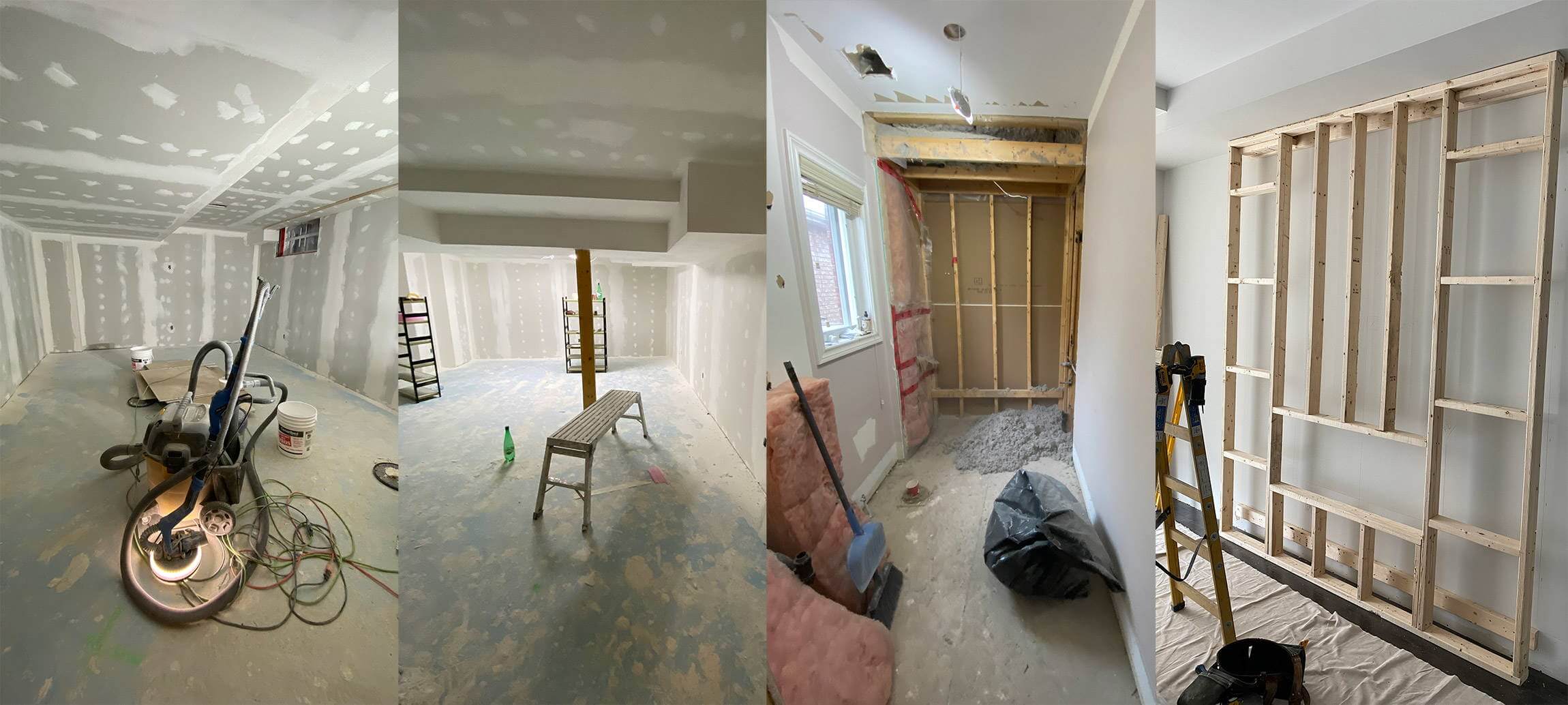
Home renovation services can be a daunting prospect for many homeowners, but it's a necessary step for those wanting to upgrade their living space. Whether it's a bathroom remodel or an entire house addition, these services offer a way to transform your home into your dream space. So, let's break down what home renovation services entail and how to navigate this process effectively.
Understanding the Basics
Home renovation services cover a wide range of construction and remodeling projects. From simple installations like new kitchen cabinets to complex structural changes, these services cater to various needs. It's important to know that the cost of renovations can vary greatly depending on the scope of work. Factors like the size of the project, the materials used, and the labor required all influence the final price. When comparing quotes, ensure you're getting an accurate assessment of the work needed and the associated costs.
Hiring the Right Team
Finding the right contractor or company is crucial for a successful renovation. Research and recommendations are key here. Check online reviews, ask for references from past clients, and ensure the company is licensed and insured. When requesting quotes, be specific about your project and ask detailed questions about their process, timeline, and any potential challenges. A good quote should provide a clear breakdown of costs and a realistic timeline.
Company Names and Branding
For those in the construction business, choosing a name is an important step. A good name should be memorable, reflect the nature of your work, and be unique. It's a balance between creativity and practicality. Some example names could be:
- Build & Bloom
- Home Revampers
- Crafted Spaces
- Renovo
- Constructive Solutions
- Creative Renovations
Remember to check the availability of these names and secure the relevant domains and local registrations.
Jobs and Opportunities
The home renovation services industry offers a range of job roles, from general contractors to specialized estimators. These roles often involve managing projects, coordinating with clients, and ensuring the smooth execution of renovations. Many construction jobs are advertised through online job boards and local classifieds. It's a competitive field, so highlighting your skills and experience is key when applying.
Industry Tools and Data
Tools like RSMeans provide valuable data for the construction industry. These databases offer cost information, helping contractors and businesses estimate project expenses accurately. They also provide insights into labor and material costs, which can be useful for budgeting and planning.
Large vs. Small Firms
The home renovation services industry caters to various scales of operations. Large firms often have the resources to take on extensive projects and may offer a wider range of services. They might have specialized teams for different aspects of construction. On the other hand, smaller firms can provide a more personalized approach, often with a focus on local projects.
Final Thoughts
Home renovation services can be a rewarding investment, but it's important to do your research and plan effectively. From choosing the right team to understanding the costs, each step is crucial. Remember, a well-planned renovation can transform your home and enhance your living experience. So, take the time to explore your options and create a space you'll love coming home to.