

Michael Scott Wayne Gretzky Overview
I've been thinking about doing some home renovations lately, and one thing that's been on my mind is how to budget and plan for the costs. That's when I stumbled upon the construction cost database - a handy tool that seems like it could really help me out. So, I did some digging and here's what I found...
Understanding Construction Costs
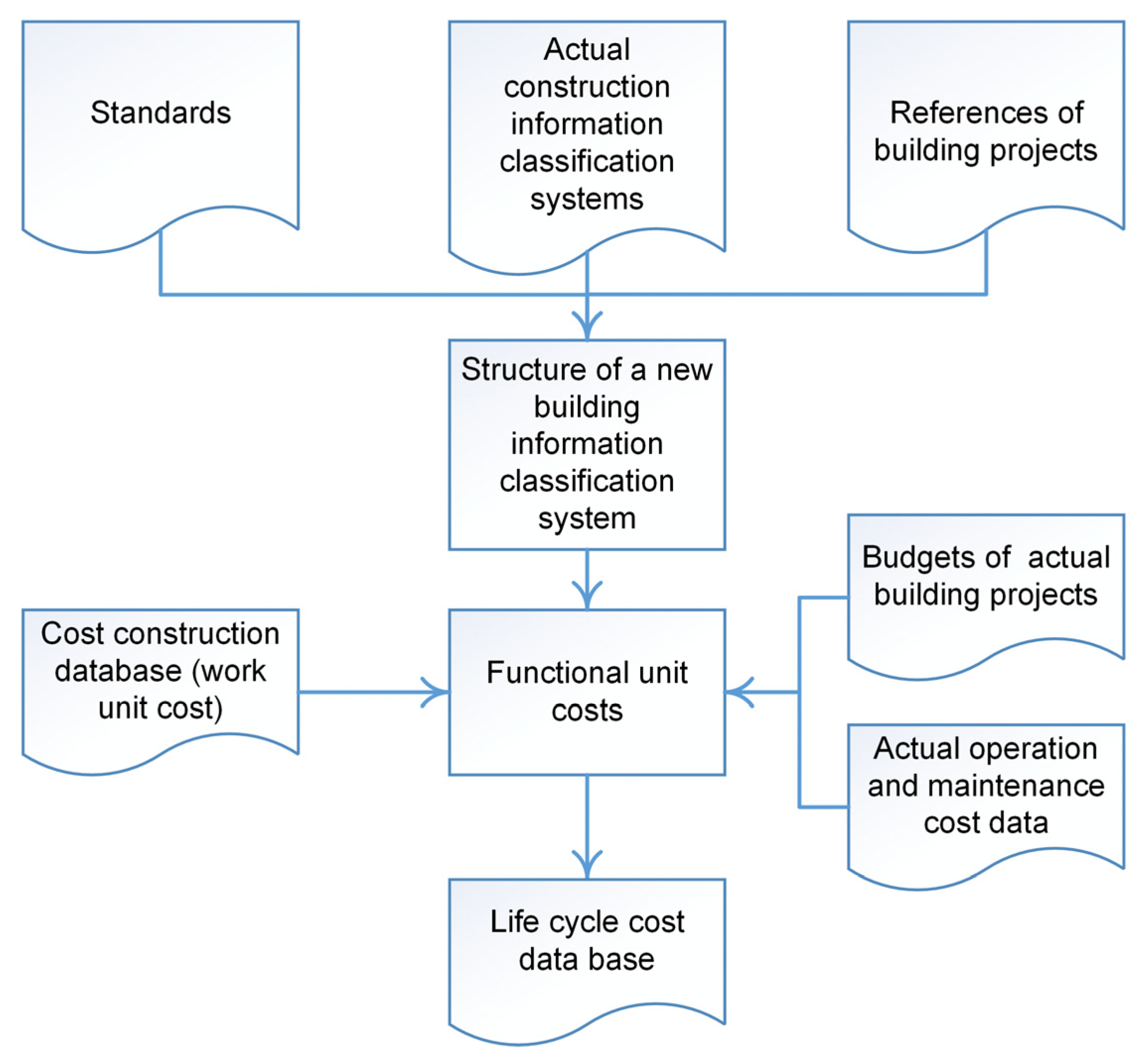
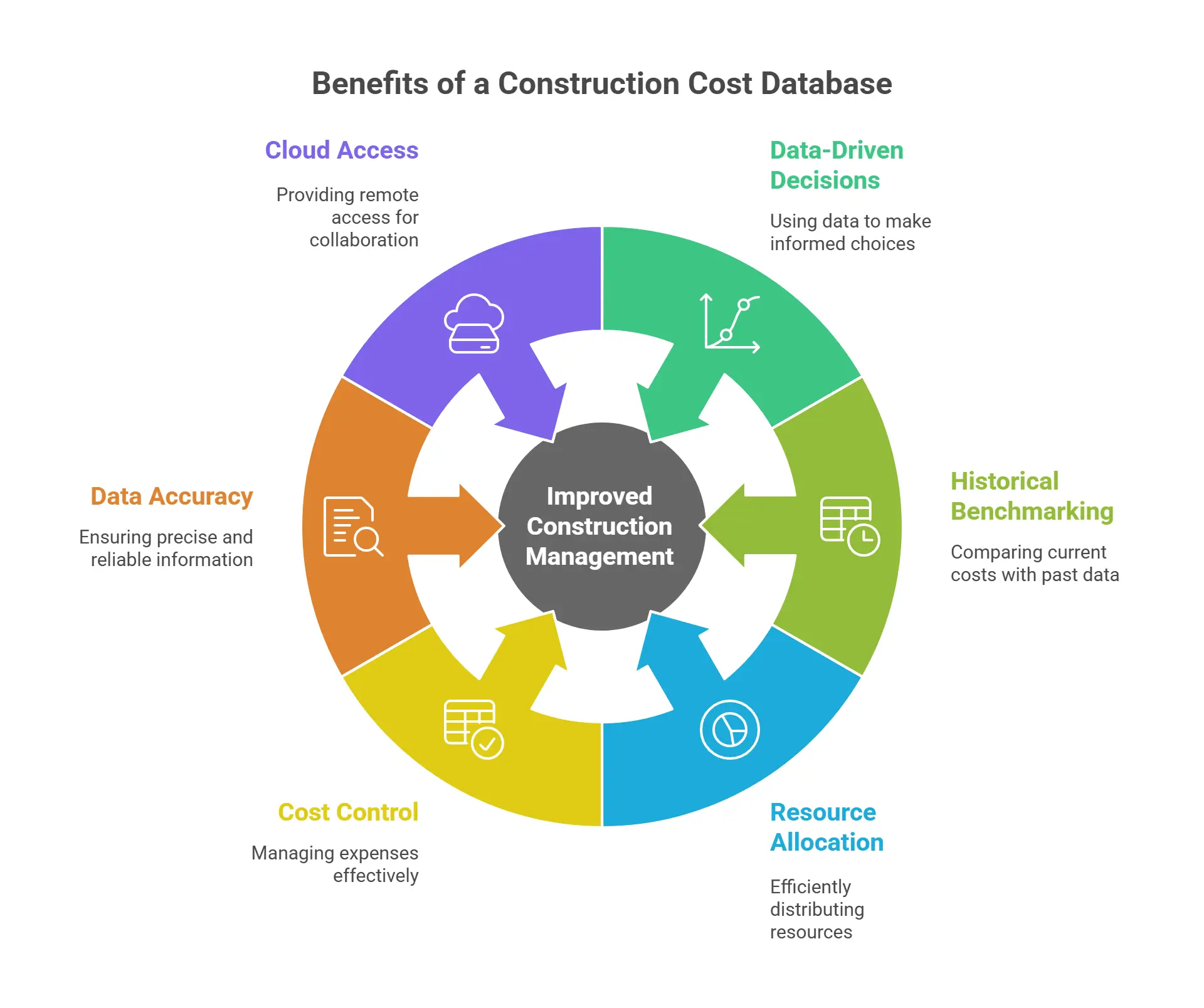
A construction cost database is like a big, detailed library of information about building and renovation costs. It's a resource that construction companies, contractors, and even homeowners like me can use to get a better idea of what projects might cost. This database covers all sorts of construction work, from new builds to remodels and everything in between.
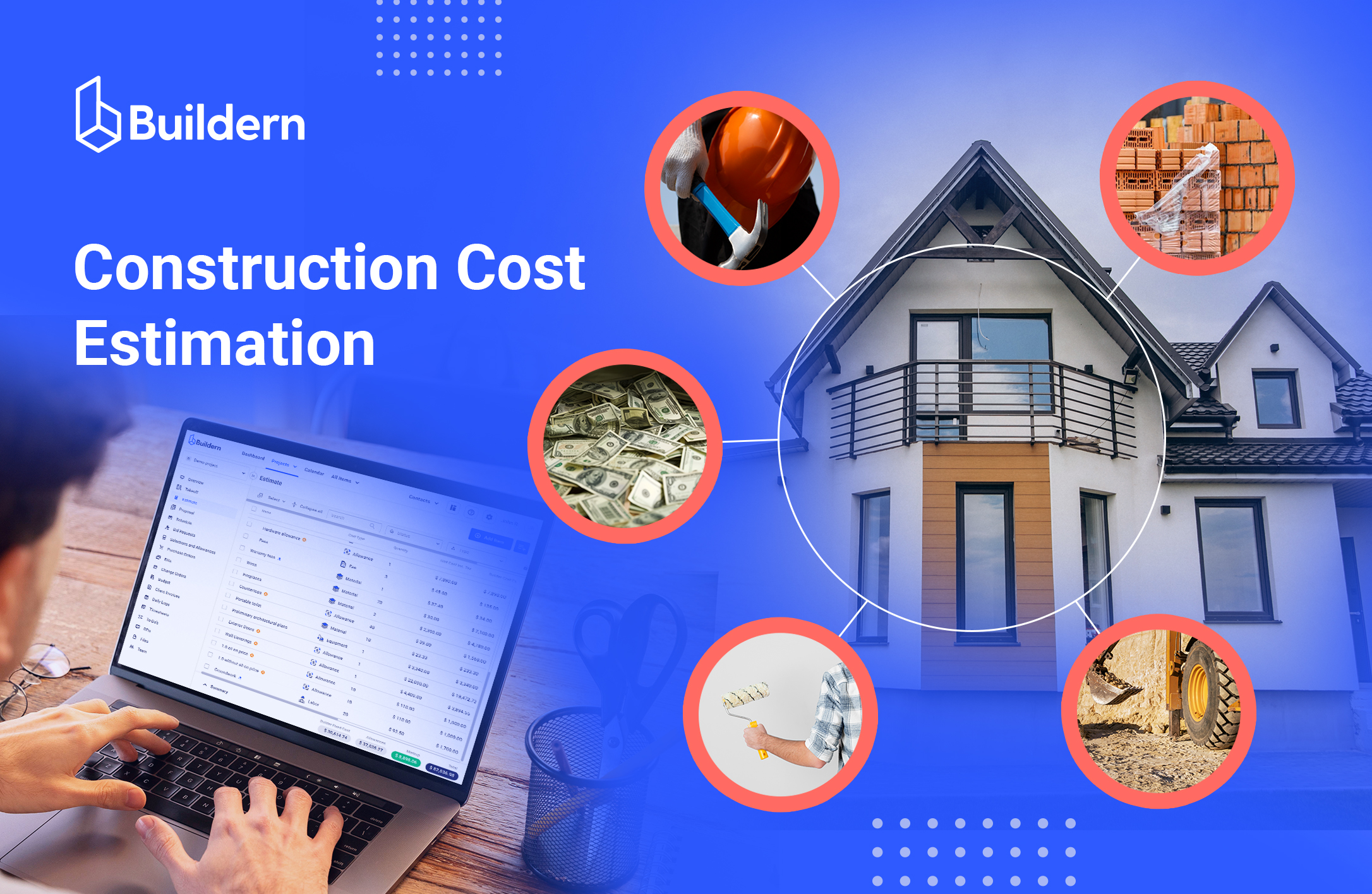
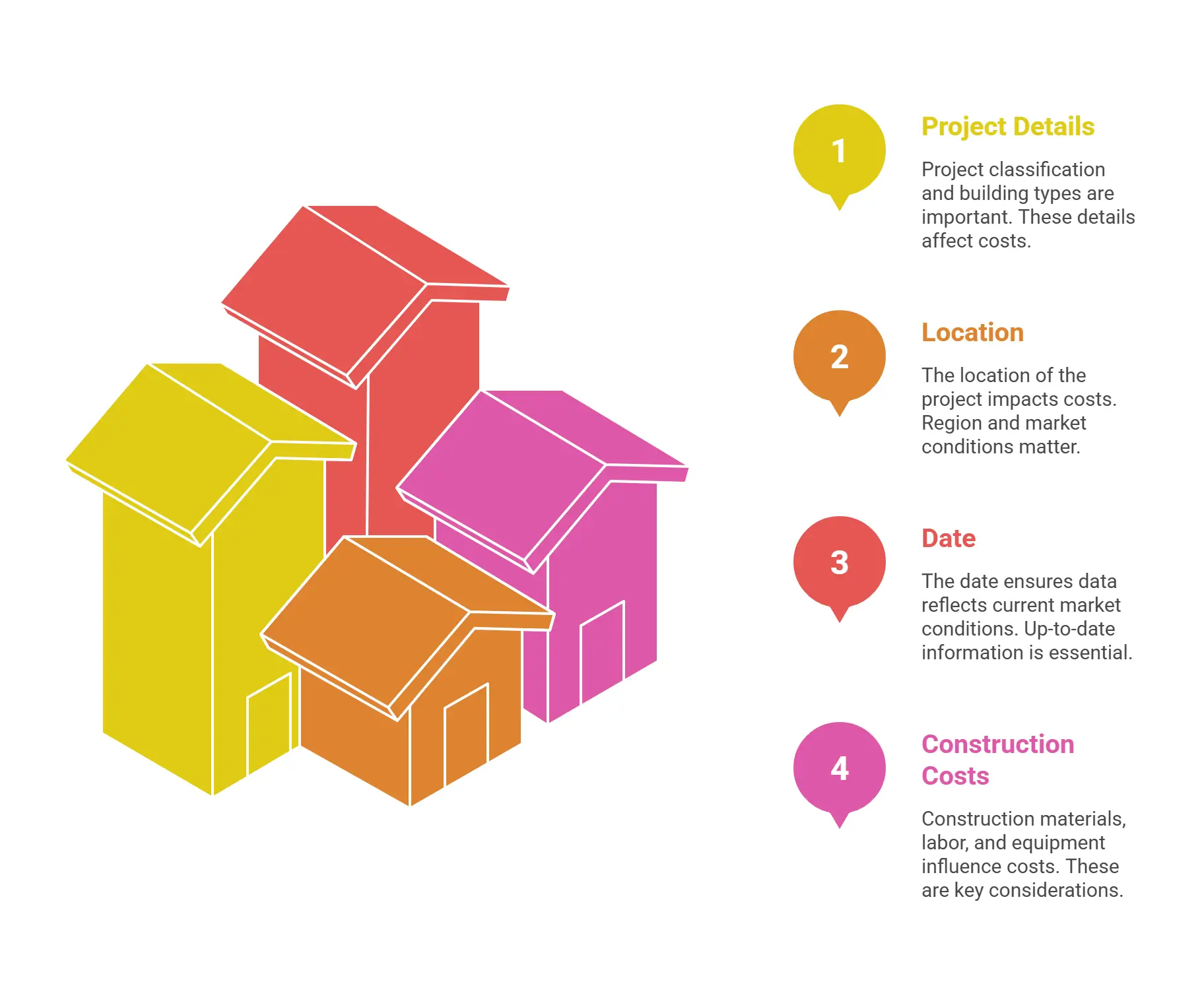
The beauty of it is that it provides estimates for different types of work, like installing a new roof, adding a room, or even just painting a wall. It takes into account things like the size of the project, the materials needed, and even the location, which can affect costs. So, it's a great way to get a rough idea of what you might be looking at financially before you even start a project.
Finding the Right Contractor
When it comes to hiring a contractor, the construction cost database can be a real lifesaver. It can help you compare quotes and ensure you're getting a fair deal. You see, contractors will often use these databases to estimate their quotes, so if you have access to the same info, you can better understand the costs they're quoting you.
Before hiring, make sure to check their references, ask about their experience with similar projects, and get a detailed breakdown of the costs. A good quote will cover all the bases, from labor to materials, and will give you a clear idea of any potential extra costs that might come up.
Company Names and the Industry
In the construction world, company names can be a bit of a giveaway about what they do. Often, you'll see names that are straightforward and to the point, like "Atlanta Building Solutions" or "Helena Home Renovations". These names are easy to remember and give a clear indication of the services offered.
If you're thinking of starting a construction business, choosing a name is an important step. It needs to be unique, memorable, and reflect the services you provide. Some fun examples could be "Build-it-Right Construction", "Hammer & Nail Builders", or "Renovate & Revive". Just remember to check the availability of the name and secure the relevant registrations and domains.
Jobs and Opportunities
The construction industry offers a wide range of jobs, from general contractors and estimators to project managers and specialists in various trades. These roles can vary greatly in terms of responsibility and salary, depending on experience and the size of the company.
If you're interested in construction jobs, you'll likely find opportunities advertised online, through job boards, and even on company websites. It's a good idea to keep an eye on these platforms and to tailor your resume and cover letter to the specific role and company you're applying for.
Industry Tools and Insights
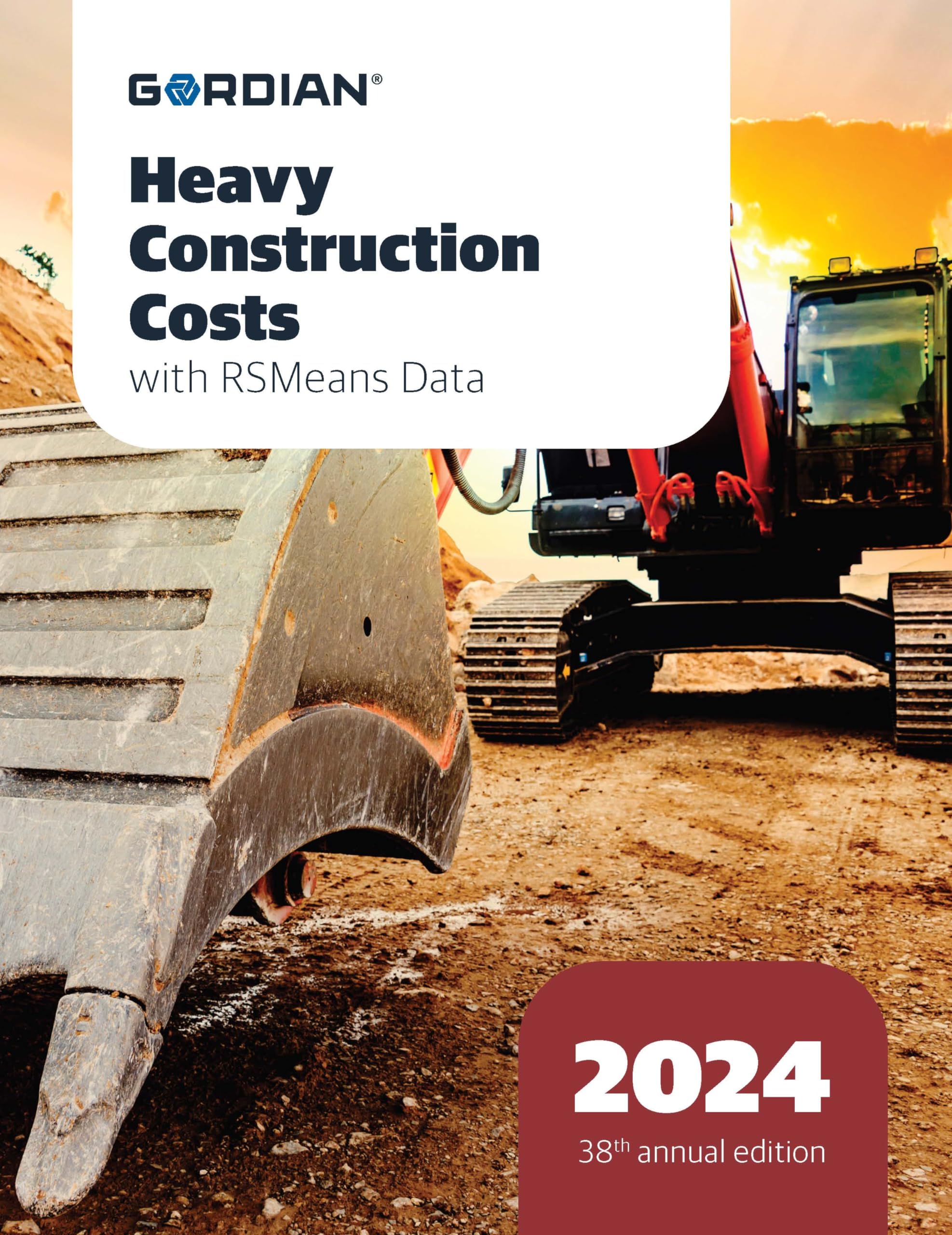
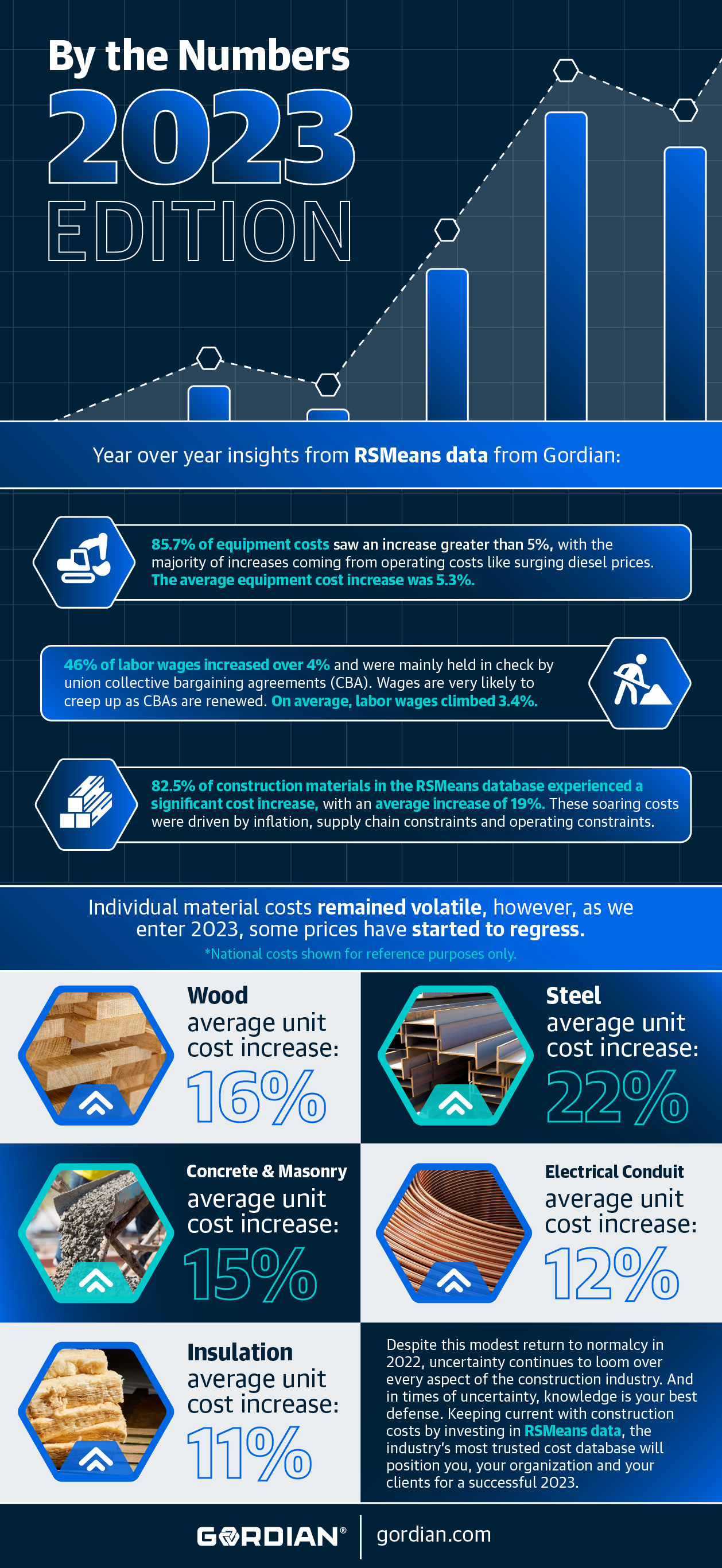
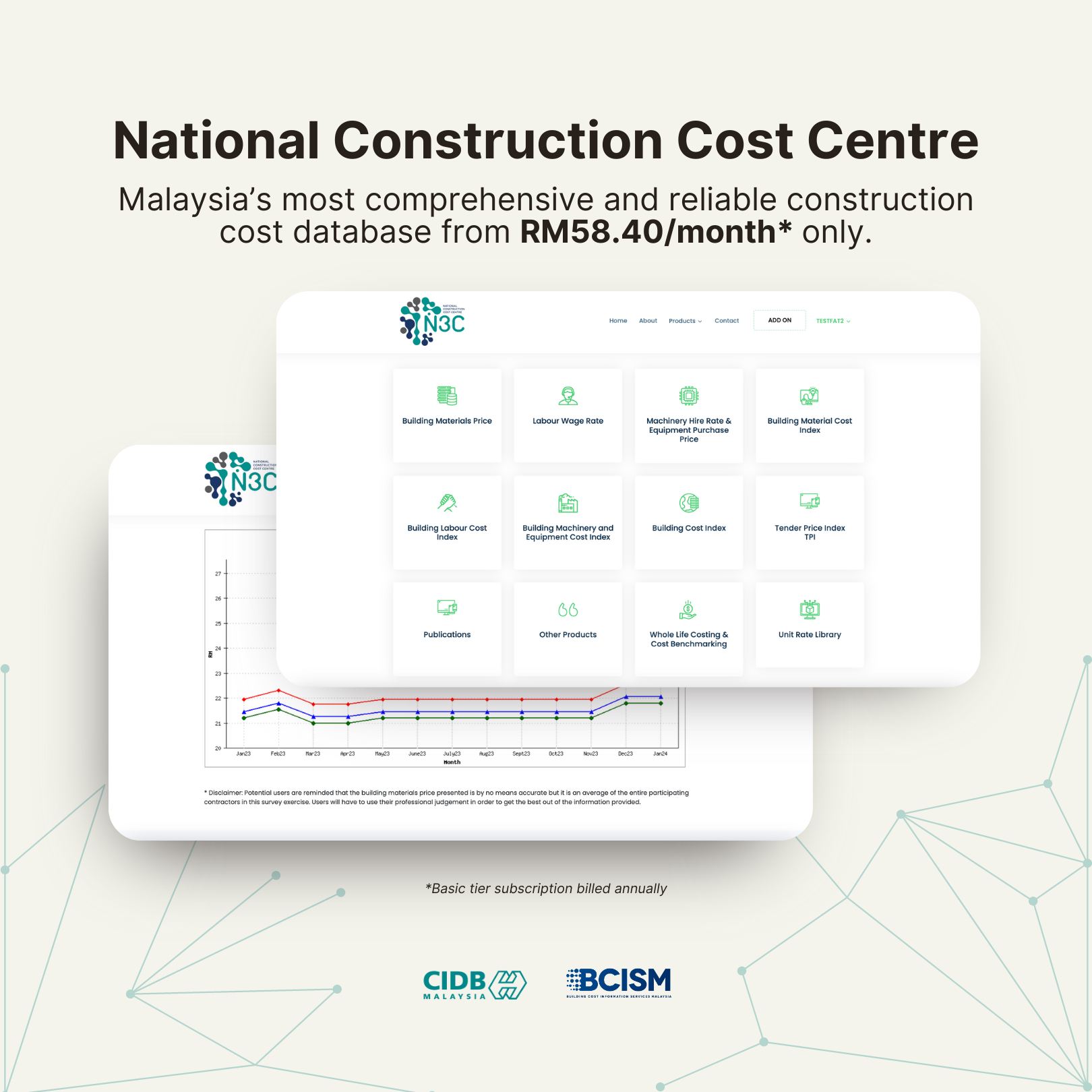
Tools like RSMeans are popular in the construction industry and are essentially detailed cost databases. These tools are used by professionals to estimate costs accurately and efficiently. They provide valuable insights into the costs of different materials, labor, and even the potential impact of economic factors on a project.
Having access to these tools can be a real advantage, especially for larger construction companies. It allows them to provide accurate quotes and plan projects effectively. For homeowners, it's a great way to get a realistic idea of what your renovation might cost.
Big Players and the Industry
The construction industry is diverse, with companies of all sizes. The big players often have the advantage of economies of scale, allowing them to take on larger projects and offer more specialized services. They might have access to better resources, like advanced cost databases and tools, which can give them an edge in the market.
However, smaller companies can offer a more personalized service and often have a strong local presence. It's a balance between size and specialization, and both types of companies play a vital role in the industry.
So, there you have it! The construction cost database is a valuable resource for anyone involved in construction, whether you're a homeowner, a contractor, or a company owner. It's a great way to get a handle on costs and plan effectively.
Related: Find the Perfect Fit: Gildan Size Chart
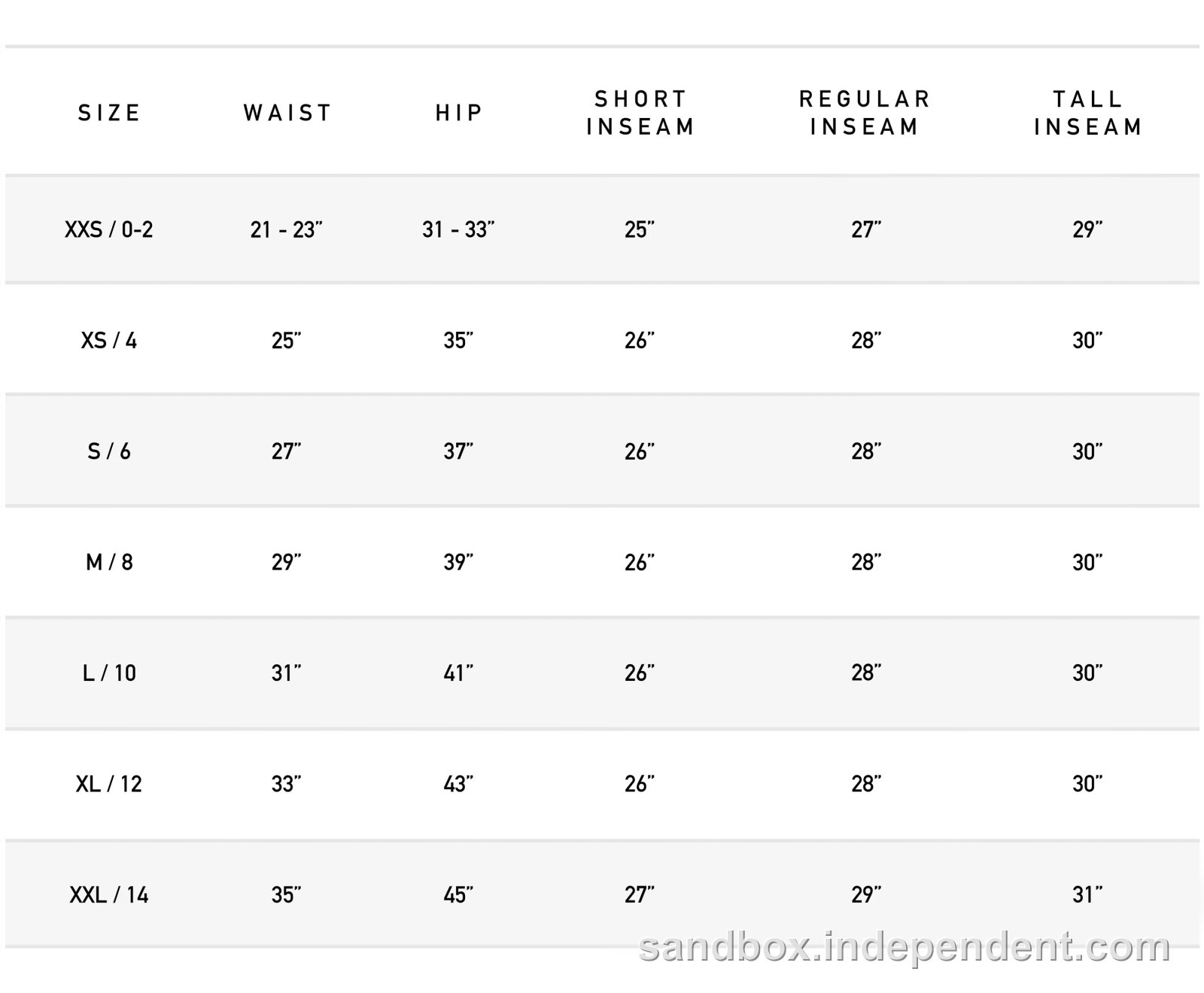
You're likely here because you need to find the right size for a Gildan garment, and the Gildan size chart is your trusted tool for this task. This simple yet effective chart provides a quick and accurate way to determine the perfect fit, whether you're shopping for yourself or others. With various sizes and measurements, the chart offers a clear guide, ensuring you can make an informed choice. It's a handy reference, especially when considering the brand's popular unisex fit and the potential variations in sizing standards.
Understanding the Gildan Size Chart
The gildan size chart is a valuable tool for anyone looking to purchase Gildan apparel, providing a clear guide to help you choose the right size for a perfect fit. This chart is designed to offer a standardized sizing reference, ensuring consistency across their range of clothing.
Key Details and Categories
The chart typically displays a range of sizes, from extra-small to 5XL, and sometimes even larger. Each size is represented by a numerical value, such as 'S' for small or '3XL' for triple extra-large. These sizes are further categorized into specific measurements for various body parts, including chest, waist, and height. The measurements are provided in both inches and centimeters, offering a versatile reference for international customers.
Step-by-Step Guide to Reading the Chart
- Identify the type of garment you're interested in, as different apparel may have slightly different measurements. For instance, t-shirts and hoodies might have distinct fit specifications.
- Locate your body measurements on the chart. You'll typically find columns for chest, waist, and height, with corresponding rows for different sizes.
- Compare your measurements to the values on the chart. If your chest measurement falls within the range specified for a particular size, that's a good indication of the right fit.
- Consider the overall fit you prefer. If you like a looser fit, you might opt for a size larger than your exact measurements suggest. Conversely, for a more tailored look, you might choose a size slightly smaller.
Size Variations and Differences
It's important to note that size charts can vary between manufacturers and even between different Gildan product lines. This is because clothing is designed to fit differently, whether it's a relaxed, regular, or slim fit. Additionally, the intended use of the garment can influence the sizing. For example, a t-shirt designed for athletic wear might have a different fit than a casual t-shirt.
Common Mistakes and How to Avoid Them
One of the most common mistakes is assuming that all clothing brands use the same size standards. Always refer to the specific size chart for the brand and product you're interested in. Another pitfall is relying solely on your usual size without considering the fit you desire or the unique specifications of the garment. It's always a good idea to measure yourself and compare those measurements to the chart.
Practical Tips for Accurate Fitting
- When measuring yourself, ensure you're using a flexible tape measure for accurate results.
- Take measurements at the appropriate points on your body, such as the fullest part of your chest or the natural waistline.
- If you're between sizes, consider the fabric and style of the garment. Stretchy fabrics might allow for a slightly looser fit, while structured garments may require a more precise measurement.
- Don't forget to check the size chart for the specific product you're interested in, as sizing can vary even within the same brand.
- If you're still unsure, many online retailers offer size guides or customer reviews that can provide additional insights into the fit of a particular item.
Remember, while this guide provides a comprehensive overview, the specifics may shift slightly based on your unique context. Every brand and standard has its nuances, so it's essential to double-check the source for the most accurate information.
We have a range of other practical guides and resources on our site to help you navigate similar topics. Feel free to explore and discover more tips and tricks to make your sizing and fitting processes a breeze!
Related: Yarn Weight Chart: A Quick Reference Guide
You're likely here because you need a reliable guide to understand and utilize a yarn weight chart effectively. These charts are essential tools for any yarn enthusiast, offering a quick reference to navigate the world of yarn weights and their various applications. Whether you're a seasoned crafter or just starting, having a clear understanding of yarn weights is key to achieving your desired results.
Understanding Yarn Weights: A Practical Guide
The yarn weight chart is a valuable tool for knitters, crocheters, and yarn enthusiasts. It provides a standardized way to categorize and understand the thickness or weight of different yarns, allowing crafters to choose the right yarn for their projects with ease. This guide will help you navigate the chart and make informed decisions.
Key Details and Categories
The yarn weight chart typically uses a numerical system to categorize yarns, with lower numbers indicating finer yarns and higher numbers representing thicker ones. This system is widely adopted and followed by yarn manufacturers and crafters. The chart often includes categories such as lace, fingering, sport, DK (double knitting), worsted, aran, bulky, and super bulky. Each category has a specific range of thickness and is denoted by a corresponding number.
Reading the Chart: A Step-by-Step Guide
To read the yarn weight chart, follow these steps:
Identify the category: Look for the category that best describes the yarn you are working with. Common categories include lace, fingering, and worsted weight.
Check the numerical range: Each category has a numerical range associated with it. For example, lace weight yarn typically falls within the range of 0-1, while worsted weight yarn is usually categorized as 4-5.
Compare and select: Compare the thickness of your yarn to the ranges provided. If your yarn's thickness falls within the range of a specific category, it belongs to that category.
Variations and Differences
It's important to note that while the yarn weight chart provides a standardized system, variations can occur due to different standards and regional practices. For instance, the US and UK have slightly different interpretations of some categories. Additionally, yarn manufacturers may use their own unique labeling systems, which can deviate from the standard chart.
- Key factors that can cause variations include:
- Regional differences in standards
- Manufacturer-specific labeling
- Yarn composition and fiber type
- Intended use and project requirements
Common Mistakes and How to Avoid Them
To ensure accurate yarn selection, be mindful of these common mistakes:
Relying solely on the yarn label: While yarn labels provide valuable information, they may not always align perfectly with the yarn weight chart. Always double-check the thickness by comparing it to the chart's ranges.
Ignoring fiber content: Different fibers have unique characteristics, and their weight can vary. Consider the fiber content when selecting yarn, as it may affect the overall weight and behavior of the yarn.
Neglecting project requirements: Different projects have specific yarn weight recommendations. Ensure you choose a yarn that aligns with the pattern's recommendations to achieve the desired outcome.
By understanding the yarn weight chart, its categories, and potential variations, you can confidently select the right yarn for your projects. This guide provides a practical framework to navigate the world of yarn weights and ensure successful crafting experiences.
Remember that while this guide provides a solid foundation, exact details can vary slightly depending on the standard or the specific yarn you're working with. It's always a good idea to double-check the weight and gauge with your chosen yarn's label to ensure accuracy.
Feel free to bookmark this page for future reference; it's a handy tool to have at your fingertips when you need a quick yarn weight reminder. And don't forget to explore our other practical guides for more crafting tips and tricks!