







Microsoft Daily Planner Template Overview
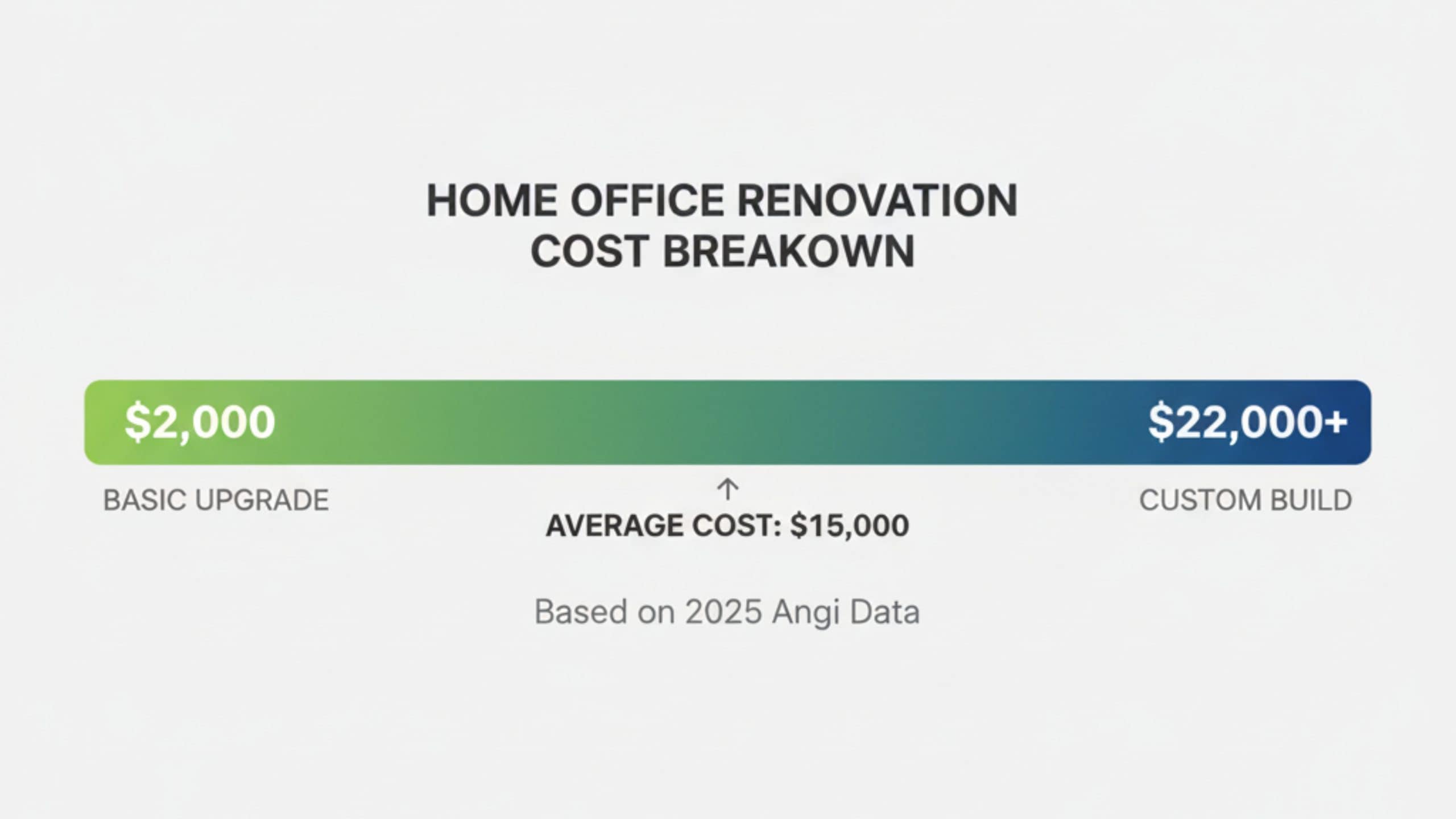
I'm thinking of turning my spare room into a home office. I've been working remotely for a while now, and it's time to create a dedicated space. But home office renovation cost is something I need to consider. I don't want to break the bank, but I also want a functional and comfortable workspace.
Understanding the Costs
When it comes to home office renovations, the costs can vary greatly. It all depends on the size of your project and the specific requirements. You might be surprised at how quickly the expenses add up, so it's essential to have a good understanding of what drives the price.
The main factors that influence home office renovation cost are the materials you choose, the complexity of the design, and the labor involved. For example, if you're converting an existing room, you may need to remove and replace walls, install new flooring, and add electrical outlets and lighting. These tasks can quickly increase the overall cost.
Getting Quotes and Comparing
To get a good idea of the home office renovation cost, it's wise to obtain multiple quotes from different contractors or companies. This allows you to compare not only the prices but also the services offered and the reputation of the businesses.
When comparing quotes, ensure they are detailed and itemized. This makes it easier to identify any significant differences and understand exactly what you're paying for. It's also a good idea to ask for references and check online reviews to get a sense of the contractor's quality of work and reliability.
Hiring a Contractor
Choosing the right contractor is crucial for a successful home office renovation. You'll want to find someone who understands your vision, offers a fair price, and has the skills and experience to deliver high-quality work.
Before hiring, ask about their experience with similar projects and request a portfolio of their past work. Check that they are licensed and insured, and don't be afraid to ask for proof. It's also beneficial to ask about their process, including how they manage timelines and communicate progress.
Construction Company Names
If you're considering starting your own construction business, choosing a name is an important step. The name should be memorable, unique, and reflect the services you offer.
Here are a few examples of construction company names that might inspire you:
- BuildPro
- Crafted Spaces
- Renova Construction
- HomeWorkz
- Constructive Solutions
- BuildTech
Remember to check the availability of your chosen name and secure the relevant domain and local registrations to protect your brand.
Industry Tools and Data
The construction industry uses various tools and resources to estimate costs and manage projects effectively. One such tool is RSMeans, a database that provides cost data for a wide range of construction-related activities.
RSMeans is used by estimators, contractors, and project managers to help determine the home office renovation cost and ensure accurate budgeting. It provides valuable information on labor and material costs, helping to keep projects on track financially.
Construction Jobs and Salaries
The construction industry offers a variety of roles, from skilled tradespeople to project managers and estimators. Salaries can vary depending on the role, experience, and location.
For those interested in a career in construction, it's worth researching the different positions and the skills required. Many jobs are advertised online, and you can also find opportunities through local trade associations or by contacting construction companies directly.
Large vs. Small Firms
When it comes to hiring a construction company, you'll often have the choice between a large, established firm and a smaller, local business. Both have their advantages and disadvantages.
Large firms often have more resources, a wider range of services, and may be able to offer better rates due to economies of scale. On the other hand, smaller firms can provide a more personalized service, with closer attention to detail and a more flexible approach.
Final Thoughts
Understanding the home office renovation cost is key to planning and budgeting for your project. By obtaining multiple quotes, comparing services, and hiring the right contractor, you can ensure a successful renovation. Remember, it's always worth taking the time to research and plan, as it will pay off in the long run.
Related: Uncover the Army Ribbons Chart: A Simple Guide
An army ribbons chart is a handy tool for anyone wanting to quickly identify and understand military awards and decorations. This guide will give you a simple breakdown of what these charts are and how they work, covering the basics you need to know.
These charts, often referred to as an army awards chart or military ribbon rack, provide a visual representation of the various service ribbons and medals. While the specific values and formats may vary, they offer a clear and concise way to display and organize these awards, ensuring an accurate and efficient reference.
Understanding Army Ribbons Chart
An army ribbons chart is a visual guide that displays the various awards and decorations earned by military personnel. It provides a clear and organized way to showcase an individual's achievements and honors. This chart is an essential tool for understanding and appreciating the recognition given to service members.
Key Details and Categories
The chart typically includes different types of ribbons, each representing a specific award or decoration. These ribbons are arranged in a specific order, known as the "award and decoration order." The order is crucial as it indicates the seniority and importance of each award. Common ribbon categories include service ribbons, campaign ribbons, and achievement medals. Each ribbon has its own unique design and color scheme, making it easy to identify.
Reading the Rack: A Step-by-Step Guide
When reading an army ribbons chart, pay attention to the placement and arrangement of the ribbons. The chart often follows a standard format, with ribbons displayed in rows or columns. Start by identifying the top row, which usually represents the highest-ranking awards. Work your way down, noting the different ribbons and their positions. Each ribbon's position indicates its order of precedence, with the most prestigious awards placed higher.
Variations and Differences
It's important to note that army ribbons charts can vary depending on the military branch and the specific standards followed. Different countries and regions may have their own unique award systems and ribbon designs. Additionally, within the same military branch, variations can occur due to changes in regulations or the introduction of new awards. Common factors that cause variations include the individual's service record, unit-specific awards, and the time period in which the awards were earned.
To ensure accuracy, it's recommended to refer to official sources and guidelines provided by the relevant military branch. These sources will provide detailed information on the correct placement and order of ribbons, ensuring an accurate and respectful display. Remember, the army awards chart is a dynamic representation of an individual's achievements, and understanding these variations is key to interpreting it correctly.
Well, there you have it! A handy chart to keep close by for all your army ribbon queries. Remember, these are general guidelines, and it's always wise to confirm the specifics for your particular situation.
Feel free to explore our other resources on similar topics. We've got a bunch of guides and references to help you navigate these details with ease. Happy learning!
Related: Get the Right Fit: Hoka Size Chart Guide
Many folks assume that a Hoka size chart is a one-size-fits-all guide, but it's actually a bit more nuanced than that. While it provides a handy reference, these charts can vary depending on the brand and the type of shoe.
So, when you're looking at a Hoka sizing guide, remember it's not just about the numbers; it's about finding the perfect fit for your unique feet. Whether you're a runner seeking the right Hoka running shoe sizes or just need a quick shoe size conversion, these charts are your friends!
Understanding the Hoka Size Chart
The Hoka size chart is your guide to finding the perfect fit for your feet. It's a simple yet effective tool that helps you navigate the world of Hoka footwear sizes. This chart ensures you get the right size, whether you're a runner seeking comfort or just looking for a stylish pair of shoes.
Key Details and Categories
The Hoka size chart typically includes standard foot measurements, with length and width being the primary dimensions. Length is measured in either US sizes or metric (international) sizes, depending on the region and standard. Width, on the other hand, often has a few variations, such as narrow, regular, and wide, to accommodate different foot shapes.
How to Read and Apply the Chart
- Start by determining your foot length. This is the foundation of your size selection. Measure your foot, or refer to a previous pair of shoes that fit well.
- Next, consider your foot width. If you have a wider foot, you may need to size up or opt for a wider width option.
- Using the Hoka size chart, match your foot length and width to the corresponding size. The chart will guide you to the appropriate size, considering both dimensions.
- Remember, the chart provides a starting point. It's always a good idea to try on the shoes to ensure a comfortable fit.
Variations and Differences
Hoka size charts may vary slightly depending on the shoe model and intended use. For instance, running shoes might have a different fit compared to casual footwear. Additionally, Hoka might offer specific width options for certain models, catering to a broader range of foot shapes. Always check the Hoka sizing guide for the particular model you're interested in.
Common Mistakes and How to Avoid Them
One common mistake is assuming all shoe brands use the same size standards. Hoka sizes might differ from other brands, so relying solely on your usual size can lead to an incorrect fit. Always refer to the Hoka one one size guide for accuracy. Another pitfall is neglecting to measure your foot width. While length is crucial, width variations can make a significant difference in comfort. Ensure you consider both dimensions when using the Hoka size chart.
Well, that's the lowdown on Hoka size charts! You now have the tools to navigate these charts with ease and find your perfect fit. Remember, while these charts are a great guide, exact values can differ, so always check your specific requirements.
It's worth bookmarking this page for future reference; you never know when you might need to size up (or down!) for your next adventure. Happy measuring, and here's to comfortable feet!