




Mindfulness Exercises Anxiety Overview
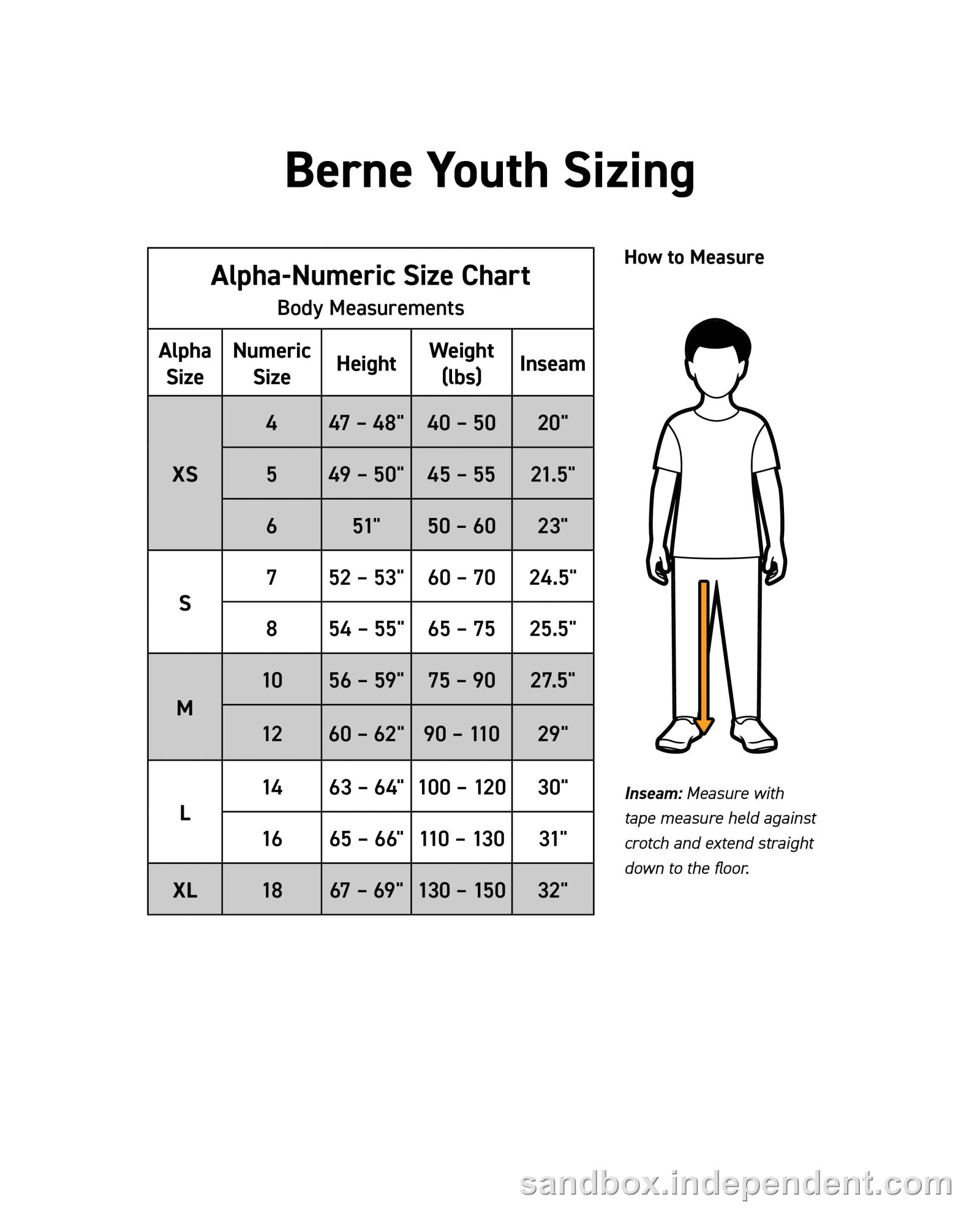
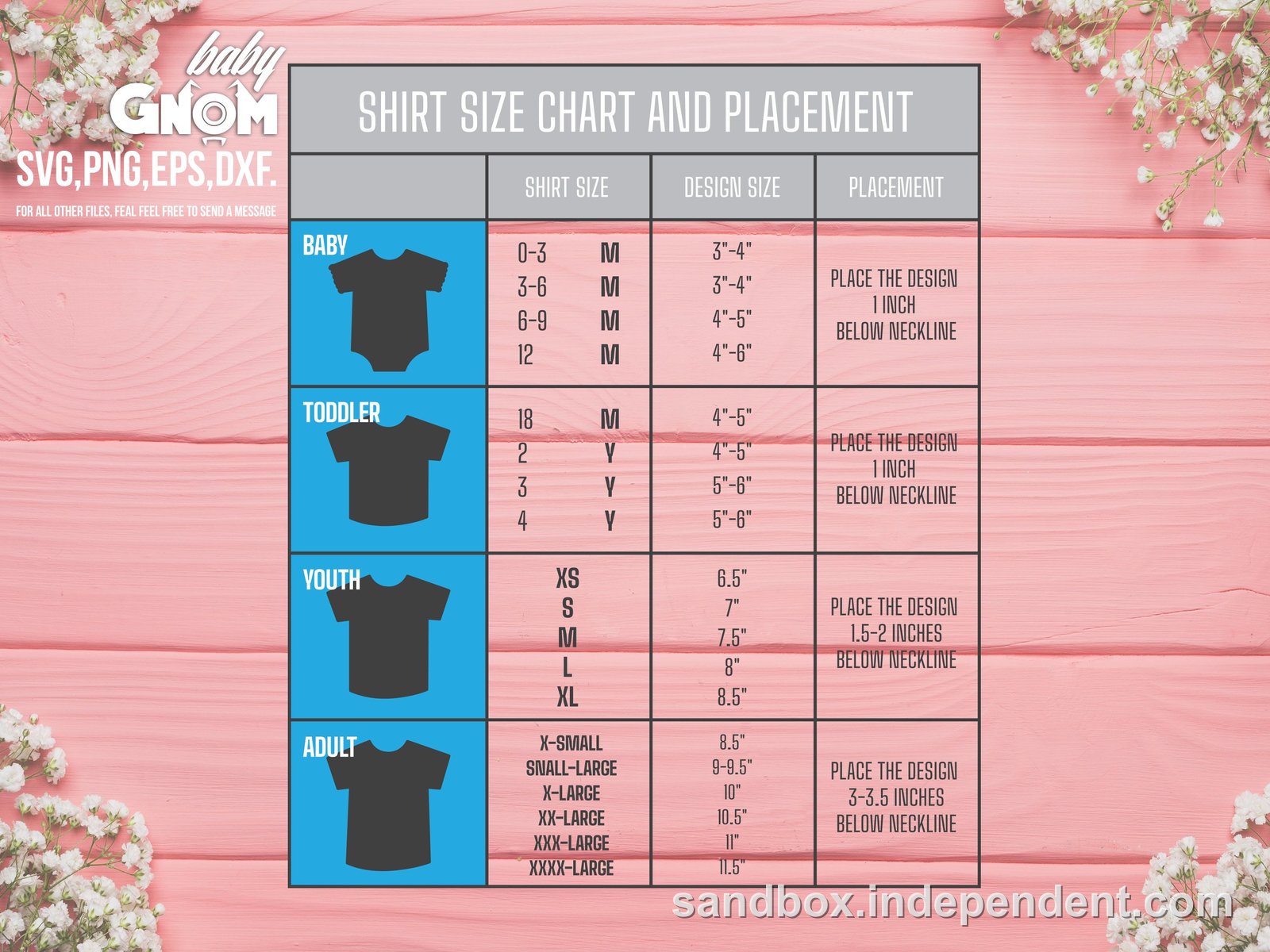
You're probably here because you need a quick fix, a reliable source to refer to, or a simple guide to understanding the ds2 iframe chart. It's a handy tool, a chart or table, that provides you with those essential dimensions and specifications. The ds2 iframe chart is your go-to reference, offering a clear and concise overview of the standard sizes and measurements you need. Whether you're looking for precise ds2 iframe dimensions or a quick check on common ds2 sizes, this chart has got you covered.
The DS2 Iframe Chart: A Guide to Standard Sizes
The DS2 iframe chart is a handy reference tool for anyone working with DS2 equipment. It provides a clear overview of the standard dimensions and sizes of DS2 iframes, which are essential for various applications. This chart is a quick and practical way to ensure you're using the right sizes and avoiding potential issues.
Key Details and Categories
The DS2 iframe chart typically displays two main categories: the iframe dimensions and the corresponding DS2 model or type. The dimensions are given in inches or centimeters, depending on the standard being used. You'll find the width, height, and sometimes the depth of the iframe, ensuring you get a precise fit for your setup. The DS2 model column helps identify the specific equipment or application the iframe is designed for.
Reading and Applying the DS2 Iframe Chart
Using the DS2 iframe chart is straightforward. First, identify the DS2 equipment you're working with and find the corresponding model or type on the chart. Then, locate the dimensions for that model. These dimensions represent the standard size of the iframe needed for that specific equipment. Ensure you note down the width, height, and depth (if provided) to ensure a perfect fit. It's as simple as that!
Common Variations and Practical Tips
While the DS2 iframe chart provides standard dimensions, there can be variations based on specific use cases or manufacturer preferences. Here are some key factors to consider:
Model Variations: Different DS2 models might require slightly adjusted iframe sizes. Always double-check the exact specifications for your specific equipment.
Regional Standards: Iframe dimensions can vary based on regional standards. Ensure you're using the correct chart for your region or convert the measurements if needed.
Manufacturer Preferences: Some manufacturers might have unique requirements. Always refer to their guidelines or consult their specific DS2 size guide.
Tolerance Levels: Keep in mind that there might be slight variations or tolerances allowed within the standard dimensions. These are usually minimal but can impact fit, especially for precise applications.
Remember, the DS2 iframe chart is a valuable tool, but it's always good to cross-reference with other resources or guidelines to ensure accuracy, especially for critical applications.
Hey there! I hope this ds2 iframe chart guide has been helpful and easy to follow. Remember, while the core principles remain the same, the exact values and details might shift slightly depending on your specific context or the standard you're working with.
So, the next time you need a quick refresh on this topic, feel free to bookmark this page for easy access. I've got a few more practical guides up my sleeve, covering various topics, so stay tuned and happy learning!
Related: Find Your Perfect Fit: Brooks Size Chart
The Brooks size chart is a valuable tool for anyone seeking accurate sizing information, offering a simple and effective way to find the right fit. This guide will navigate you through the various charts and sizing guides Brooks provides, ensuring you understand the process and can make an informed choice. Whether you're after a precise shoe size or need to find the perfect bra fit, these charts are designed to simplify the process, and we'll explore how to utilize them effectively.
Understanding the Brooks Size Chart
The Brooks size chart is a valuable tool for anyone looking to find their perfect fit in Brooks footwear and apparel. It provides a comprehensive guide to help you determine your ideal size across various Brooks products, ensuring a comfortable and precise fit. This chart serves as a reference, offering size conversions and measurements to assist you in making informed choices.
Key Details and Categories
The Brooks size chart covers a range of sizes, typically starting from smaller sizes like 5 or 6 and extending up to larger sizes, such as 12 or 13, depending on the product category. It includes both men's and women's sizes, with separate charts for shoes and apparel. The shoe size chart provides measurements in both US and UK sizes, offering a conversion guide for international customers. For apparel, the chart typically uses standard sizing categories like small, medium, and large, with specific measurements for each category.
Step-by-Step Guide: Reading and Applying the Size Chart
To utilize the Brooks size chart, follow these steps:
- Identify the product category you are interested in, whether it's shoes or apparel.
- Locate the corresponding size chart for your gender.
- For shoes, find your US or UK size and refer to the provided measurements. Ensure you measure your foot length accurately, as this is crucial for a precise fit.
- In the case of apparel, identify your size category (e.g., small, medium) and refer to the provided measurements for chest, waist, and hip sizes.
- Compare your measurements with the size chart to determine the best fit. If your measurements fall between sizes, consider opting for the larger size for a more comfortable fit.
- Remember, the Brooks size chart serves as a guide, and individual preferences may vary. It's always a good idea to try on the product to ensure the perfect fit.
Size Variations and Differences
It's important to note that size variations can occur across different Brooks products and even within the same product line. These variations may be due to factors such as the intended use of the product, the materials used, or design differences. For instance, running shoes might have a slightly different fit compared to casual footwear. Additionally, Brooks may offer specialized fits, like wide or narrow options, to cater to individual foot shapes. Always refer to the specific size chart for the product you are interested in to ensure accuracy.
Common Mistakes and How to Avoid Them
When using the Brooks size chart, avoid these common mistakes:
- Relying solely on your usual shoe size without considering the specific fit of Brooks shoes.
- Neglecting to measure your feet accurately, especially if you're between sizes.
- Assuming that all Brooks apparel will fit the same; always refer to the size chart for each product.
- Failing to account for personal preferences; some may prefer a tighter or looser fit, so consider your comfort level.
- Not checking the size chart for any specific fit options, like wide or narrow, that may be available. By being mindful of these potential pitfalls, you can ensure a more accurate and satisfying shopping experience with the Brooks size chart.
Well, there you have it! A simple yet effective guide to understanding Brooks' size chart. Remember, these charts are a great tool, but it's always wise to confirm the specific details for your unique needs.
Don't forget to keep this page handy for future reference. It's a quick and easy way to ensure you're on the right track when it comes to sizing, and it might just save you some time and hassle down the line. Consider it your go-to resource for a smooth and stress-free sizing experience.
Related: Baby Poop Chart: A Simple Guide to Understanding
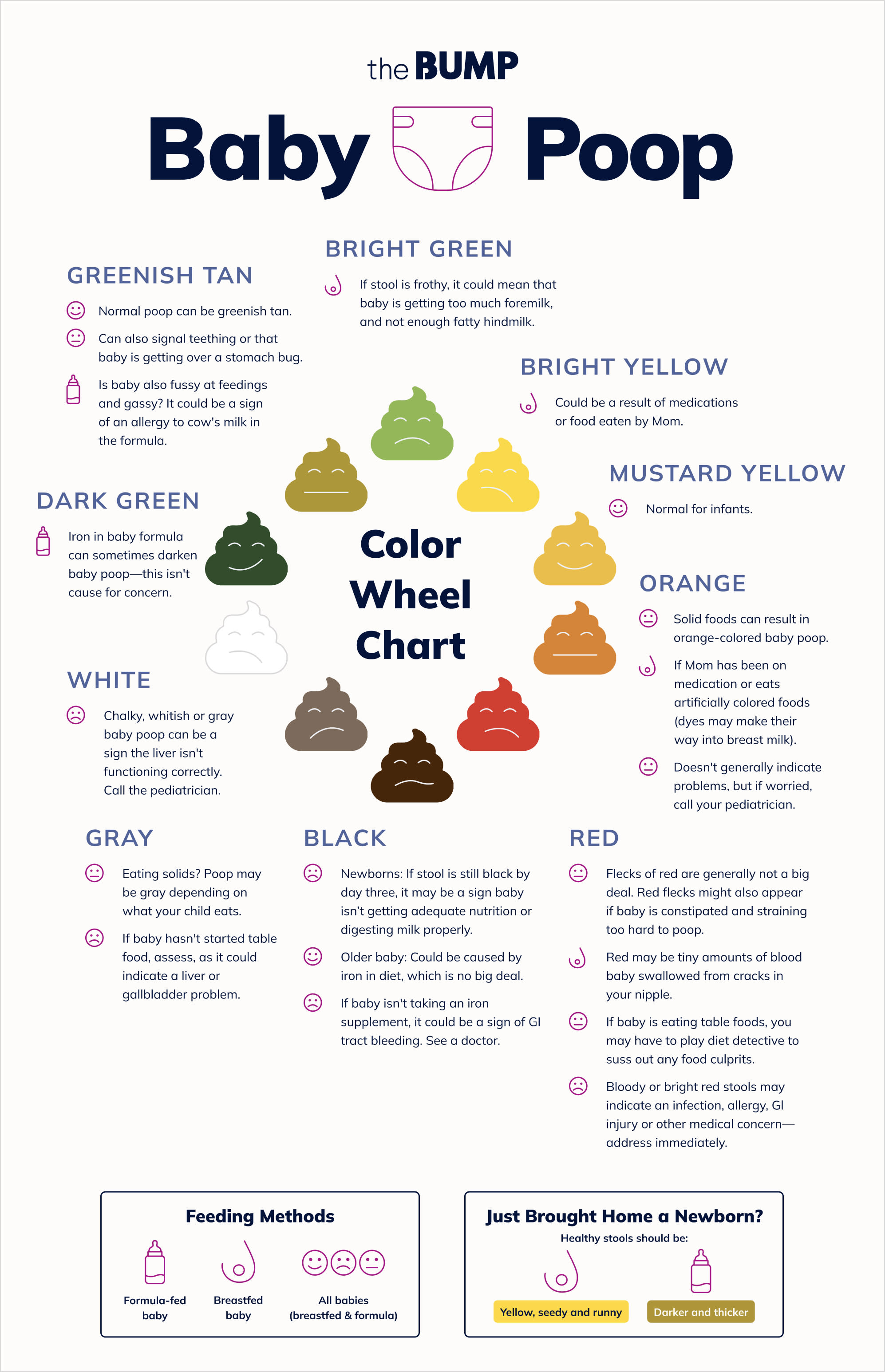
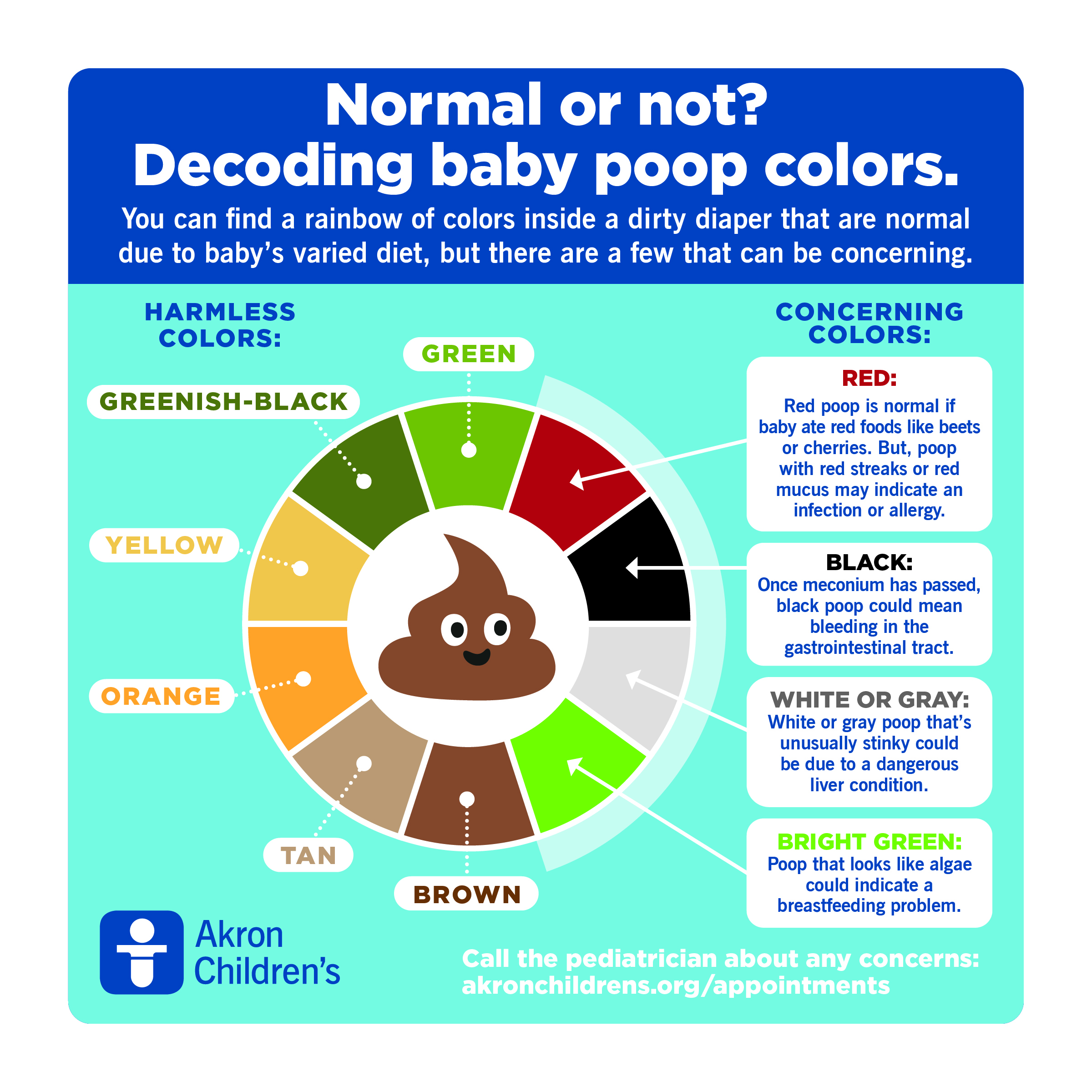
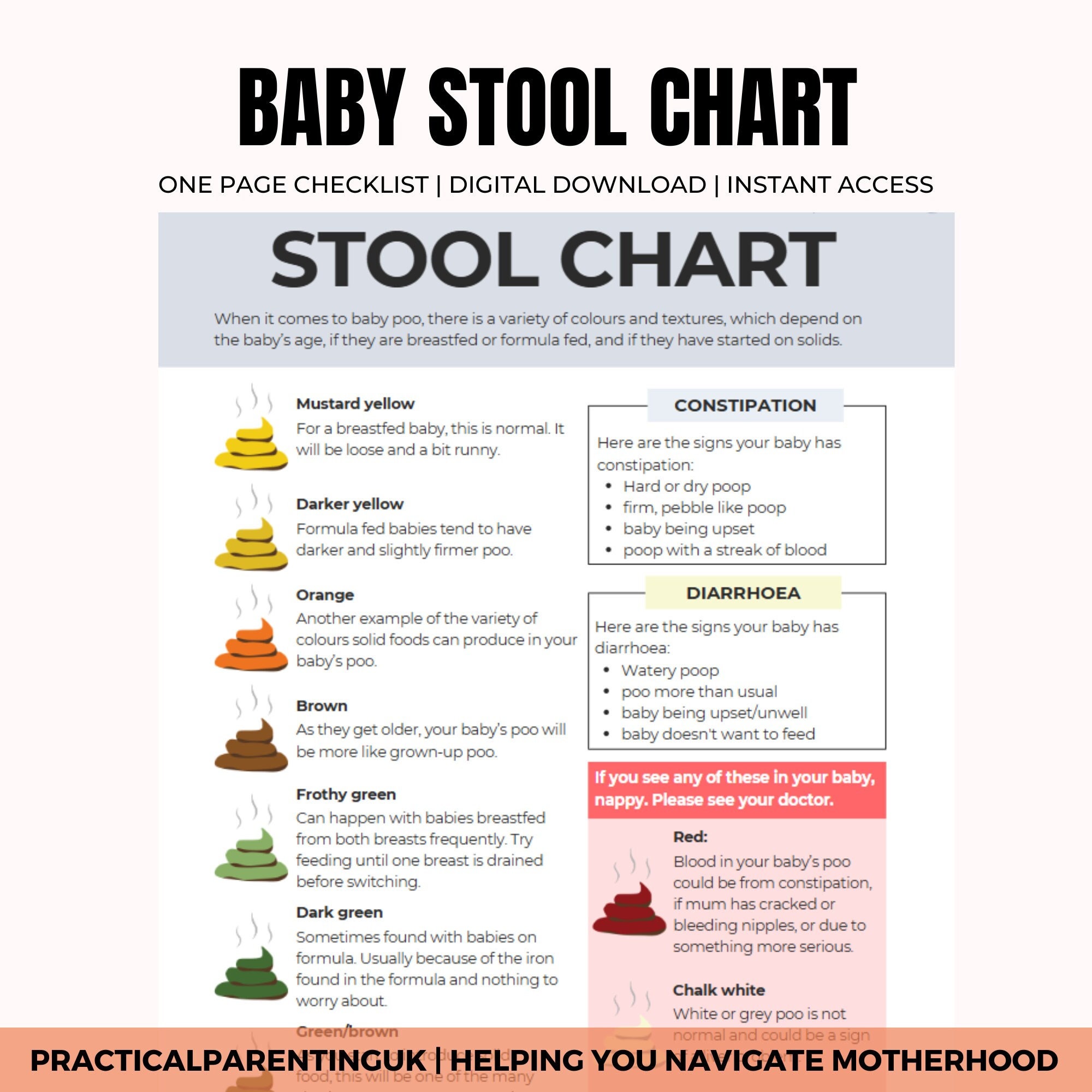
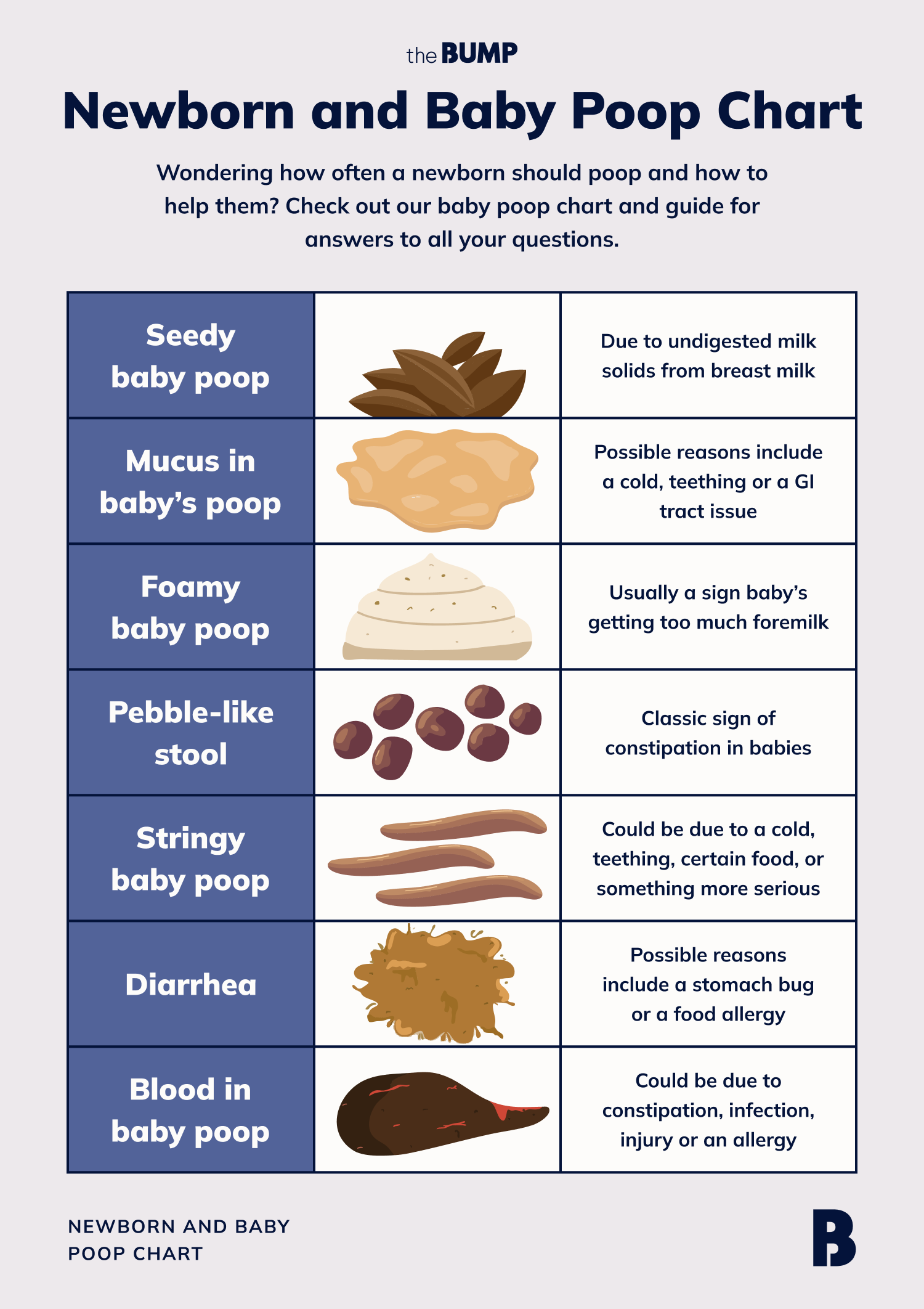
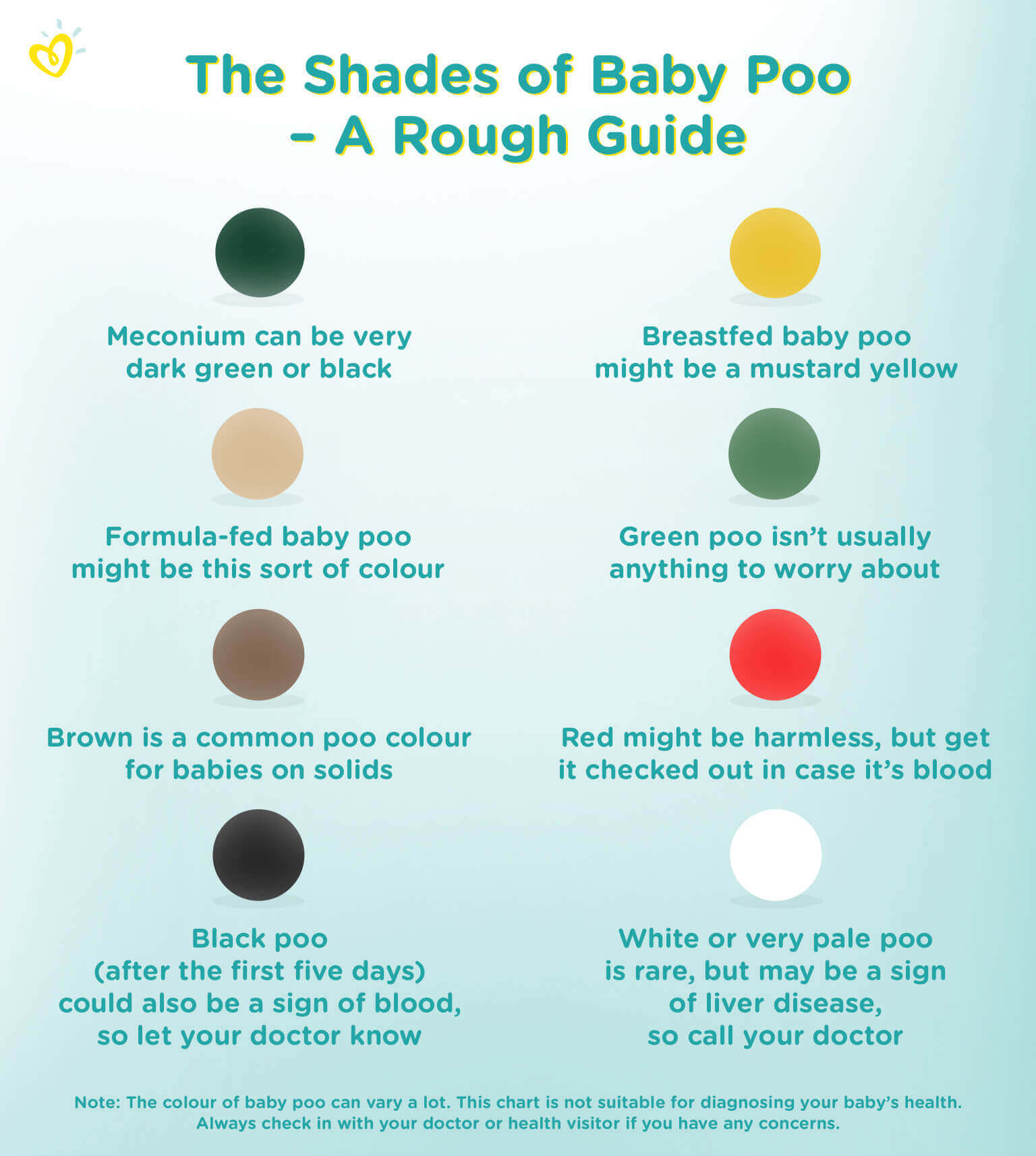
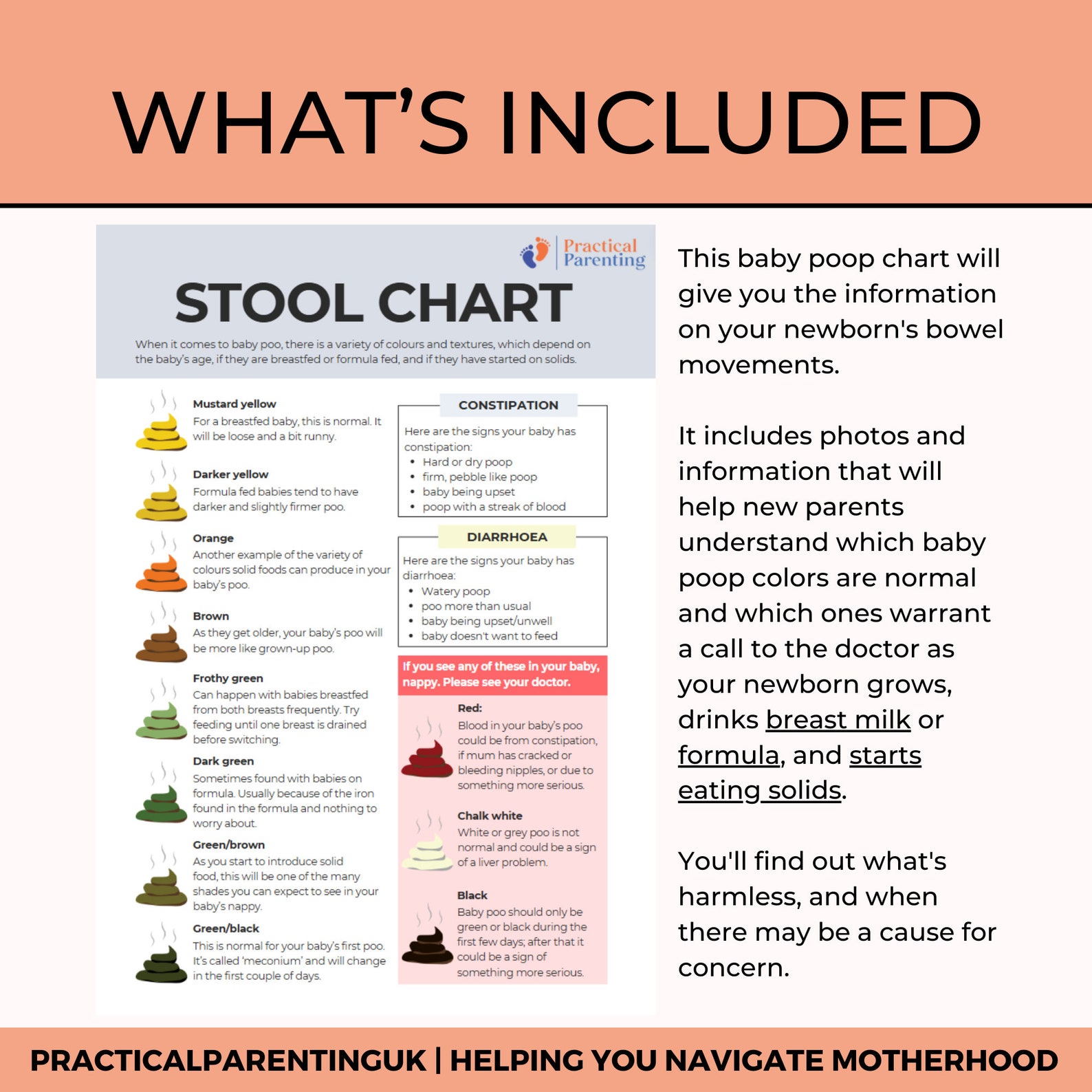
A baby poop chart is a handy tool for parents, offering a simple visual guide to understanding your little one's nappy business. This guide will give you the lowdown on how to interpret these charts and what they can tell you about your baby's health and diet. From meconium to breast milk poop and formula poop, we'll cover it all, ensuring you know what to look for and when to seek advice.
Understanding the Baby Poop Chart: A Quick Overview
The baby poop chart is a handy tool for parents to understand their little one's digestion and health. It provides a visual guide to help identify normal and abnormal poop patterns, ensuring you can spot any potential issues early on. This chart is a simple yet effective way to track your baby's progress and keep an eye on their overall well-being.
Comparing Poop Patterns: Typical and Not-So-Typical
The baby poop chart typically categorizes poop based on its color, consistency, and frequency. These categories help parents understand what's considered normal for a newborn and what might indicate an issue. For instance, a green, seedy poop with a paste-like consistency could be a sign of a healthy breastfed baby, while a hard, dry poop might indicate constipation. It's important to note that these categories can vary slightly depending on the baby's age, diet, and individual factors.
How to Use the Baby Poop Chart: A Step-by-Step Guide
Using the baby poop chart is straightforward:
- Observe your baby's poop and note its color, consistency, and frequency.
- Refer to the chart and match these observations to the corresponding category.
- The chart will provide guidance on whether the poop pattern is typical or a cause for concern.
- If you're unsure or notice any significant deviations, consult a healthcare professional for further advice.
Avoiding Misinterpretations: Common Pitfalls and How to Avoid Them
While the baby poop chart is a valuable tool, it's essential to use it correctly to avoid misinterpretations. Here are some common mistakes to watch out for:
- Overlooking individual variations: Every baby is unique, and their poop patterns can differ. Don't panic if your baby's poop doesn't exactly match the chart; it's normal for there to be some variation.
- Ignoring other symptoms: The chart focuses on poop, but it's crucial to consider other symptoms your baby might be displaying. For instance, a change in poop color could be a sign of an infection, so look for other indicators like fever or unusual behavior.
- Relying solely on the chart: While the chart provides a great guide, it's not a substitute for professional medical advice. If you have concerns, always consult a healthcare provider.
Key Factors Affecting Accuracy and Real-World Use
When using the baby poop chart, keep these factors in mind:
- Age: A baby's poop patterns can change as they grow and develop. The chart may need to be interpreted differently for newborns, infants, and toddlers.
- Diet: Breast milk, formula, and solid foods can all impact poop consistency and color. Be mindful of any dietary changes and their potential effects.
- Health conditions: Certain health issues can affect poop patterns. For example, jaundice might cause a change in poop color.
- Medications: Some medications can alter poop consistency and frequency. Always read the side effects and consult a doctor if you notice any changes.
Remember, the baby poop chart is a helpful tool, but it's just one piece of the puzzle. Stay vigilant, trust your instincts, and seek professional advice when needed.
So, there you have it, a handy guide to navigating the world of baby poop charts. It's a simple yet effective tool to have in your parenting toolkit. Remember, while these charts provide a general guide, every baby is unique, so always consider your specific circumstances and consult with healthcare professionals if needed.
Feel free to explore our other resources on related topics. We've got you covered with practical tips and insights to make parenting a little easier and more enjoyable. Happy reading and here's to healthy, happy babies!