







Mindfulness Exercises Mayo Clinic Overview
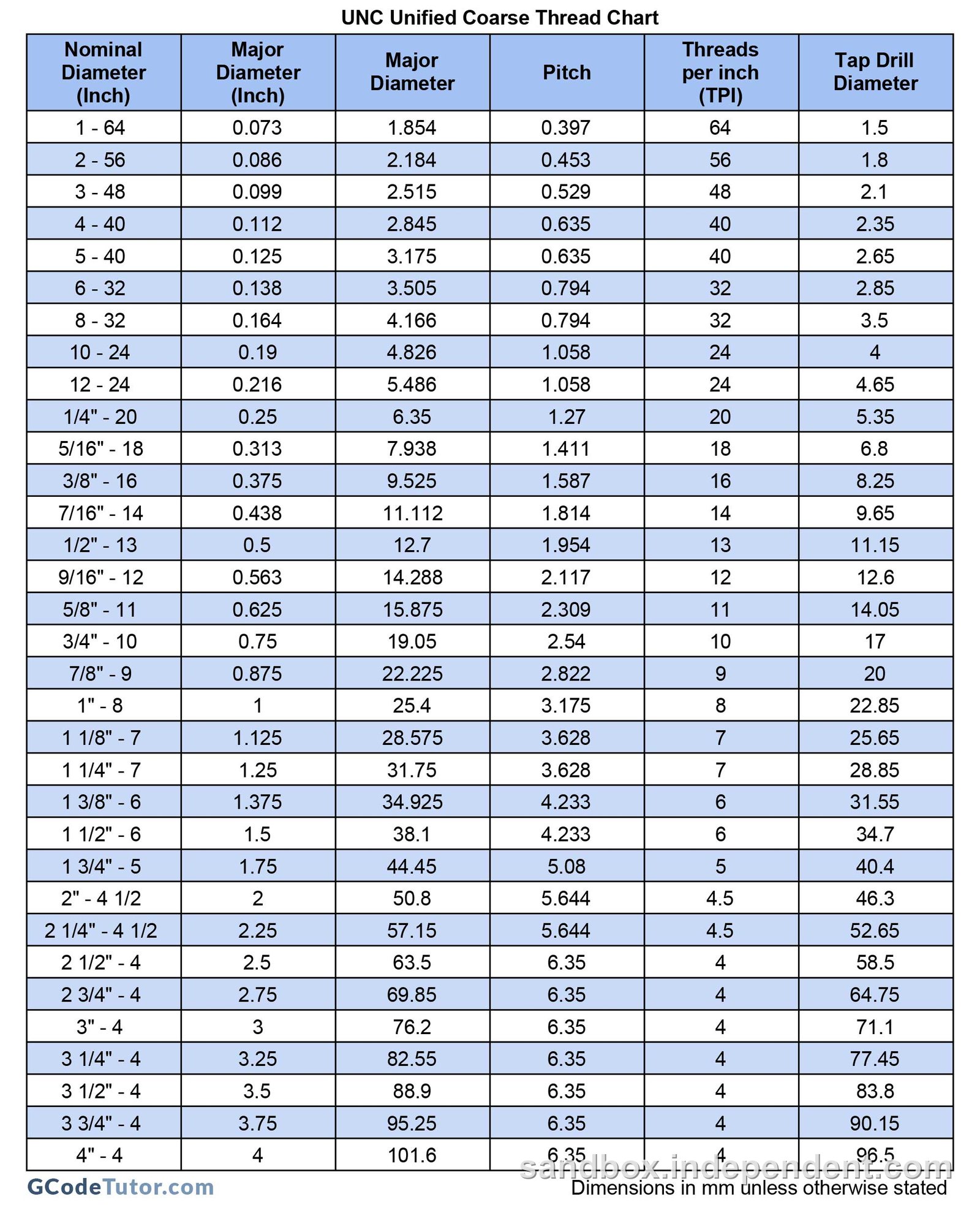
You're here because you need a quick solution, a reliable guide to navigate the world of drill sizes chart. It's a handy tool, a simple visual aid, and a must-have for any DIY enthusiast or professional. The chart provides a clear overview, helping you understand the different sizes, whether it's metric or imperial drill bit sizes. With values that can vary, this chart ensures you get the right fit, every time.
Understanding the Drill Sizes Chart: A Quick Overview
The drill sizes chart is a handy reference tool for anyone working with drill bits and drilling projects. It provides a quick and easy way to understand the various sizes and measurements associated with drill bits, making it an essential guide for accurate drilling. This chart is a visual representation of drill bit sizes, offering a clear and concise way to select the right bit for your needs.
Comparing Standards: Metric vs. Imperial Drill Sizes
Drill sizes are typically categorized into two main standards: metric and imperial. The metric system uses millimeters (mm) to measure drill bit diameters, while the imperial system uses inches. It's important to note that these two systems are not interchangeable, and using the wrong size can lead to inaccurate results. The drill sizes chart often includes both systems, allowing users to easily convert between them.
Practical Drilling Tips: Using the Drill Sizes Chart
Here's a step-by-step guide on how to use the drill sizes chart effectively:
Identify the Standard: Determine whether you are working with metric or imperial drill bits. This information is crucial as it dictates which size chart you should refer to.
Locate the Size: Find the specific size you need on the chart. The chart usually displays a range of sizes, so locate the one that matches your requirements.
Read the Gauge: The chart provides a visual representation of the drill bit's diameter. Take note of the gauge or measurement indicated for your chosen size.
Select the Bit: With the size and gauge in mind, select the appropriate drill bit from your collection or purchase a new one if needed.
Common Misreadings and Pitfalls: Avoiding Mistakes
While the drill sizes chart is a valuable tool, it's essential to be aware of potential pitfalls:
Size Variations: Drill bit sizes can vary slightly between manufacturers, so always double-check the exact specifications, especially when dealing with precision projects.
Conversion Errors: When converting between metric and imperial systems, ensure you are using the correct conversion factors. A simple mistake can lead to significant errors in drilling.
Gauge Accuracy: The gauge on the chart is a general representation. For critical applications, always refer to the manufacturer's specifications for precise measurements.
Remember, the drill sizes chart is a practical guide, but it's always beneficial to cross-reference with other resources and ensure you have the correct information for your specific drilling needs.
Drill sizes can be a tricky business, but with this handy chart, you'll be a pro in no time! Remember, while the basics are covered here, the exact details might differ slightly based on your specific needs and the standards you're working with.
Feel free to explore other guides on our site for more practical tips and tricks. We've got a whole range of topics to help you with your projects, so why not take a look and see what else you can discover?
Related: Understanding My OSF Chart: A Simple Guide
You're probably here because you need a quick answer, a reliable reference, or a simple guide to my OSF chart. It's a handy tool, a chart or scale, that offers a visual way to understand and work with OSF dimensions and conversions. This chart is a go-to for many, providing an easy-to-read reference, especially when you need accurate measurements.
Understanding the OSF Chart
The OSF (Overall Service Factor) chart is a valuable tool for understanding and applying a standardized measurement system. It provides a clear reference for various dimensions and factors, making it an essential guide for many industries and applications.
Key Details and Prerequisites
Before diving into the chart, it's important to know that the OSF scale is typically used for measuring and converting dimensions, especially when dealing with mechanical parts and equipment. The chart provides a simple way to convert between OSF values and standard measurements like inches or millimeters.
Step-by-Step Method for Using the OSF Chart
- Identify the OSF value you need to convert or work with. This value represents a specific dimension or factor related to the item you're dealing with.
- Locate the corresponding OSF value on the chart. The chart will usually have a clear legend or key to help you identify the correct value.
- Use the chart to find the equivalent measurement in inches or millimeters. The chart will provide a direct conversion, making it easy to understand the physical dimensions represented by the OSF value.
- Apply this measurement to your calculations or specifications. Whether you're designing a part, ordering equipment, or troubleshooting an issue, the OSF chart ensures you're working with accurate dimensions.
Variations and Potential Issues
While the OSF chart is a standardized tool, variations can occur due to different regional standards or specific industry requirements. For example, some regions may use the metric system, while others prefer imperial units. Additionally, certain industries might have unique tolerances or specifications that deviate from the standard OSF chart. It's crucial to double-check the exact standards and tolerances for your specific application to avoid any potential issues.
Practical Tips and Best Practices
To ensure accurate use of the OSF chart, always refer to the latest version provided by a reputable source. Outdated charts may not reflect the most recent industry standards. Additionally, be mindful of the units you're working with and ensure they align with the chart's measurements. If you're unsure, convert your measurements to the appropriate units before referencing the chart. Finally, when in doubt, consult with experts or refer to industry-specific guidelines to ensure you're applying the OSF chart correctly for your unique application.
Well, there you have it! A handy guide to your OSF chart, a simple yet powerful tool. Remember, while the basics remain the same, the exact details might shift a bit based on your specific needs and context.
Feel free to explore our other guides for more practical tips and tricks. And when you need a quick refresh, just bookmark this page for easy access!
Related: US General Contractors Reliable Guide
I was chatting with a friend the other day, and the topic of home renovations came up. It got me thinking about top US general contractors and how crucial it is to find the right one for any construction project. So, let's explore what this term means and how it can impact your building or remodeling journey.
Understanding General Contractors
A general contractor is a professional who manages and oversees construction projects, acting as a key point of contact for homeowners and businesses. They handle everything from hiring subcontractors to ensuring the work is completed on time and within budget. These contractors are the backbone of any construction project, big or small.
When you're searching for a top-notch general contractor, it's essential to consider their experience, reputation, and the services they offer. While some specialize in residential projects, others focus on commercial builds or specific trades like plumbing or electrical work. Knowing their expertise is key to finding the right fit for your needs.
Hiring Tips and Considerations
Finding a reputable general contractor is a crucial step in any construction project. Here are some tips to help you make an informed decision:
- Check their licensing and insurance: Ensure they are properly licensed and insured for your state's requirements. This protects you and your investment.
- Ask for references: Speak to past clients to get an idea of the contractor's work quality and professionalism.
- Get multiple quotes: Compare quotes from different contractors to ensure you're getting a fair price and to understand the scope of the project.
- Understand the contract: Read and understand the terms of the contract before signing. It should outline the project details, timeline, and payment schedule.
- Consider their expertise: Look for contractors with experience in your specific project type. Whether it's a home addition or a commercial build, their expertise matters.
Company Names and Branding
Naming your construction business is an important step in building a brand. A good name should be memorable, unique, and reflect your company's values and services. Here are a few creative ideas to inspire you:
- BuildPro: A strong name suggesting professional building services.
- Crafted Spaces: Emphasizes the creation of unique and tailored spaces.
- Renova Construction: Combining renovation and construction, it hints at a full-service offering.
- Skyrise Builders: Evoking a sense of height and ambition, it's perfect for commercial projects.
- Green Build Group: Highlighting eco-friendly practices, this name appeals to environmentally conscious clients.
- Constructive Solutions: Suggesting a problem-solving approach, it's a great choice for a versatile contractor.
Industry Tools and Resources
The construction industry relies on various tools and resources to ensure projects run smoothly and efficiently. One such resource is RSMeans, a comprehensive database providing cost data and estimates for construction projects. It's a valuable tool for contractors and estimators, helping them price projects accurately.
Additionally, the industry uses cost indexes to track and forecast construction costs over time. These indexes consider factors like labor, materials, and market trends, providing valuable insights for budgeting and planning.
Construction Jobs and Opportunities
The construction industry offers a wide range of career paths, from general contractors and estimators to specialized trades like plumbing and electrical work. Job opportunities are abundant, and the industry is known for its skilled workforce.
When searching for construction jobs, online job boards and industry-specific websites are great resources. Additionally, networking and building relationships within the industry can lead to valuable connections and opportunities.
Wrapping Up
Exploring top US general contractors has given us a glimpse into the world of construction and the vital role these professionals play. From hiring tips to industry insights, I hope this guide has provided some valuable knowledge. Remember, when it comes to construction projects, taking the time to find the right general contractor is an essential step towards a successful and stress-free experience.