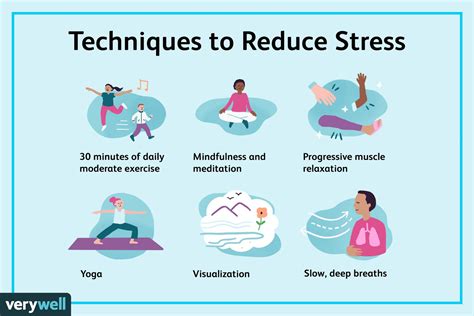
The concept of mindfulness has been around for thousands of years, originating from ancient Eastern spiritual practices. However, it’s only in recent decades that the Western world has begun to fully appreciate the profound benefits of mindfulness in reducing stress and improving overall well-being. At its core, mindfulness is about being fully present and engaged in the current moment, while cultivating a non-judgmental awareness of one’s thoughts, feelings, and bodily sensations.
One of the primary ways that mindfulness helps to reduce stress is by teaching individuals to focus on the present moment, rather than getting caught up in worries about the past or future. This is achieved through the practice of meditation, which involves sitting comfortably, closing one’s eyes, and bringing one’s attention to the breath or a mantra. As the mind wanders, the individual gently brings their attention back to the chosen focal point, without judgment or attachment.
The Science Behind Mindfulness
Research has shown that regular mindfulness practice can lead to a range of benefits, including:
- Reduced symptoms of anxiety and depression
- Improved sleep quality
- Enhanced cognitive function and memory
- Boosted immune system function
- Increased feelings of compassion and empathy
These benefits are thought to arise from the way that mindfulness practice alters the structure and function of the brain, particularly in regions involved in attention, emotion regulation, and memory. For example, studies have shown that long-term meditators tend to have a thicker cortex in areas like the hippocampus, which is involved in learning and memory, and the amygdala, which is involved in emotional processing.
Mindfulness Techniques for Stress Reduction
While meditation is a powerful tool for reducing stress, it’s not the only mindfulness technique available. Other practices, such as yoga, tai chi, and walking, can also be used to cultivate a greater sense of awareness and calm. Here are a few examples:
- Body scan meditation: Lie down or sit comfortably, and bring your attention to different parts of your body, starting at your toes and working your way up to the top of your head. As you focus on each area, release any tension or discomfort.
- Loving-kindness meditation: Focus on sending kind thoughts to yourself and others, starting with friends and family, and gradually moving on to acquaintances and even those you may have difficulty with.
- Mindful breathing: Bring your attention to your breath, noticing the sensation of the air entering and leaving your nostrils. When your mind wanders, gently bring it back to the breath without judgment.
Getting Started with Mindfulness
- Find a quiet and comfortable spot to sit or lie down
- Close your eyes and take a few deep breaths
- Bring your attention to your chosen focal point (e.g. the breath, a mantra, or a physical sensation in the body)
- When your mind wanders, gently bring it back to the focal point without judgment
- Start with short sessions (5-10 minutes) and gradually increase as you become more comfortable with the practice
Overcoming Obstacles to Mindfulness Practice
While the benefits of mindfulness are clear, many individuals may struggle to establish a regular practice. Common obstacles include:
- Lack of time: Finding it difficult to fit mindfulness practice into a busy schedule
- Difficulty quieting the mind: Struggling to focus and quiet the mind, especially for those with anxiety or ADHD
- Physical discomfort: Experiencing pain or discomfort while sitting or lying down
To overcome these obstacles, it can be helpful to start small, setting aside just a few minutes each day for mindfulness practice. It can also be helpful to find a mindfulness community or guided recordings to support and motivate your practice.
Conclusion
Mindfulness is a powerful tool for reducing stress and improving overall well-being. By cultivating a greater sense of awareness and presence, individuals can learn to navigate life’s challenges with greater ease and clarity. Whether through meditation, yoga, or other mindfulness practices, the benefits of mindfulness are available to anyone who is willing to take the first step.
What is mindfulness and how does it reduce stress?
+Mindfulness is the practice of being fully present and engaged in the current moment, while cultivating a non-judgmental awareness of one’s thoughts, feelings, and bodily sensations. By focusing on the present moment, mindfulness reduces stress by decreasing the production of stress hormones like cortisol, while increasing the production of neurotransmitters like serotonin and dopamine.
How do I get started with mindfulness practice?
+Getting started with mindfulness is simple. Find a quiet and comfortable spot to sit or lie down, close your eyes, and bring your attention to your breath or a mantra. When your mind wanders, gently bring it back to the focal point without judgment. Start with short sessions (5-10 minutes) and gradually increase as you become more comfortable with the practice.
What are some common obstacles to mindfulness practice and how can I overcome them?
+Common obstacles to mindfulness practice include lack of time, difficulty quieting the mind, and physical discomfort. To overcome these obstacles, start small, setting aside just a few minutes each day for mindfulness practice. Find a mindfulness community or guided recordings to support and motivate your practice, and be patient with yourself as you develop your skills.