



Mindfulness Worksheets For Kindergarten Overview
You've likely landed here with a specific goal: to find a clear, concise deer feeding chart that offers reliable information at a glance. This chart is your go-to resource, a simple yet powerful tool for understanding deer nutrition and feeding practices. It provides a quick reference, ensuring you can make informed decisions about deer diet and care. While the exact values and formats may vary, depending on factors like region and specific needs, the deer feeding chart serves as an essential guide, offering insights into deer nutrition and the seasonal changes in their diet.
Understanding the Deer Feeding Chart
The deer feeding chart is a valuable tool for anyone managing deer populations or interested in their nutrition. It provides a comprehensive overview of the dietary needs of deer, offering insights into their feeding habits and requirements. This chart is designed to simplify the process of understanding deer nutrition and ensuring their proper care.
Comparing Chart Formats and Standards
There are various formats and standards for deer feeding charts, often influenced by regional differences and specific use cases. These charts typically present information on the nutritional composition of deer diets, including the percentage of protein, fiber, and other essential nutrients. They may also provide guidelines on the recommended daily intake and the types of forage available during different seasons.
Step-by-Step Guide to Using the Chart
To utilize the deer feeding chart effectively, follow these steps:
Identify the age and weight of the deer you are caring for. This information is crucial as nutritional requirements vary based on these factors.
Locate the relevant section on the chart that corresponds to the deer's age and weight. The chart often has distinct categories for fawns, yearlings, and adult deer.
Read the nutritional values and guidelines provided for each category. Pay attention to the recommended daily intake and the types of forage suggested.
Adjust the feeding plan based on the chart's recommendations. Ensure a balanced diet by providing the right proportion of protein, fiber, and other nutrients.
Monitor the deer's health and behavior. If any issues arise, consult an expert or adjust the feeding plan accordingly.
Avoiding Common Misinterpretations
It's essential to note that deer feeding charts provide general guidelines, and individual deer may have unique needs. Here are some common misinterpretations to avoid:
Assuming that the chart covers all scenarios: Always consider the specific context and environment in which the deer are living. Factors like weather, habitat, and available forage may require adjustments to the feeding plan.
Neglecting individual variations: Each deer is unique, and their nutritional needs can vary. Keep a close eye on their health and behavior to ensure they are receiving adequate nutrition.
Overlooking seasonal changes: Deer's dietary requirements often change with the seasons. The chart should be used as a dynamic tool, adapting to the changing needs of deer throughout the year.
Factors Affecting Accuracy and Real-World Application
When using a deer feeding chart, keep in mind the following key factors that can influence its accuracy and practical application:
Forage availability: The type and amount of forage available in a deer's habitat can greatly impact their diet. Ensure you understand the local forage options and their nutritional value.
Weather conditions: Extreme weather events can affect the nutritional content of forage. Be prepared to adjust feeding plans during droughts, floods, or other weather-related challenges.
Deer diet composition: While the chart provides a guide, deer may have preferences for certain foods. Observe their feeding habits and adjust the diet accordingly.
Special considerations: Pregnant or nursing does, as well as injured or sick deer, may have unique nutritional needs. Consult experts for specialized feeding plans in such cases.
Remember, while the deer feeding chart is a valuable resource, it should be used flexibly and adapted to the specific needs of the deer in your care. Regular monitoring and expert advice can ensure the health and well-being of these magnificent animals.
Remember, every deer and its needs are unique, so while this chart provides a fantastic starting point, you may need to make small adjustments to find the perfect feeding routine for your furry friends. It's all about finding that sweet spot!
We've got a whole library of practical guides just like this one, covering various topics to help you navigate the wonderful world of wildlife care. So, feel free to explore and discover more tips and tricks to enhance your outdoor adventures and make the most of your time with nature's creatures. Happy reading and happy feeding!
Related: What's the Right Pillow Size for You?
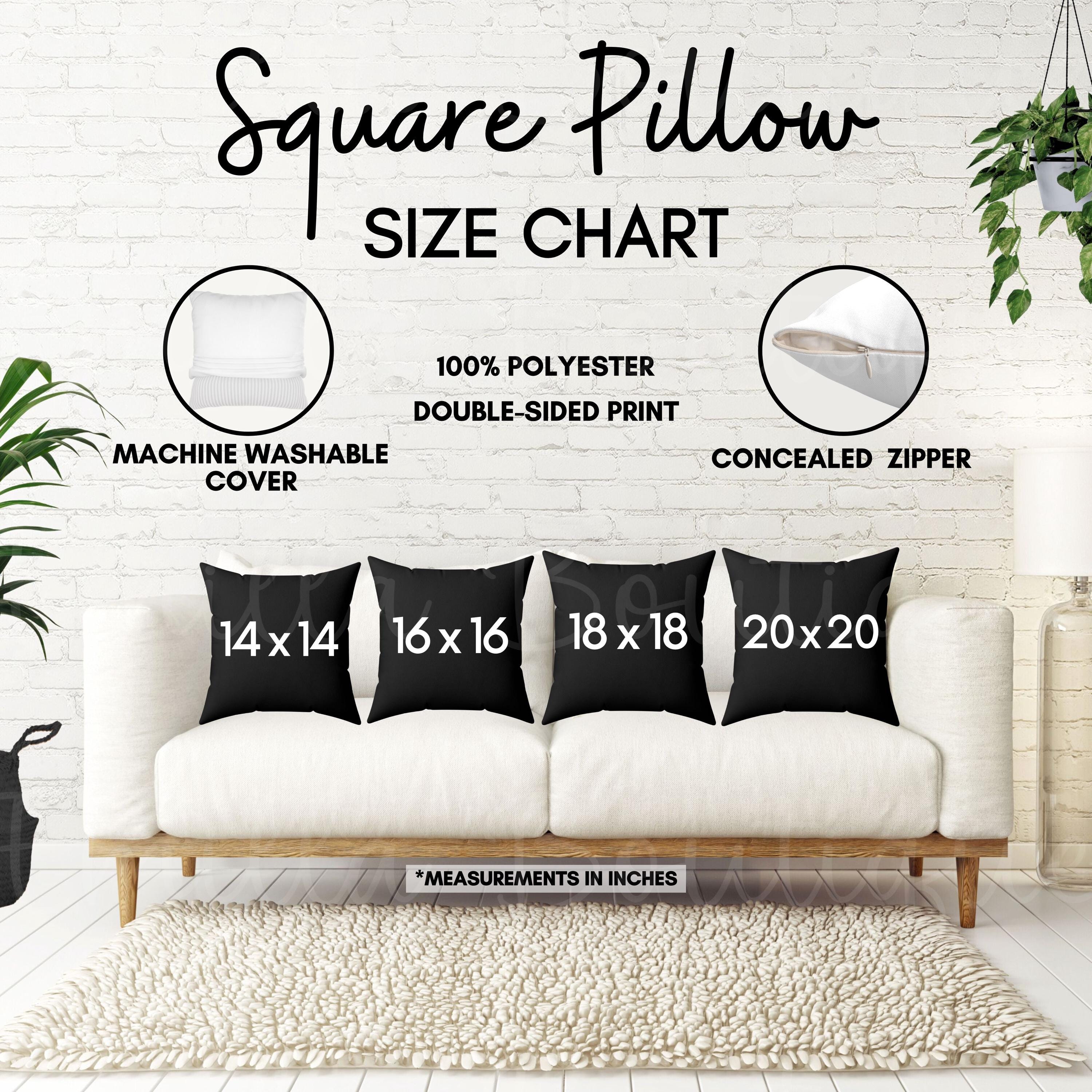
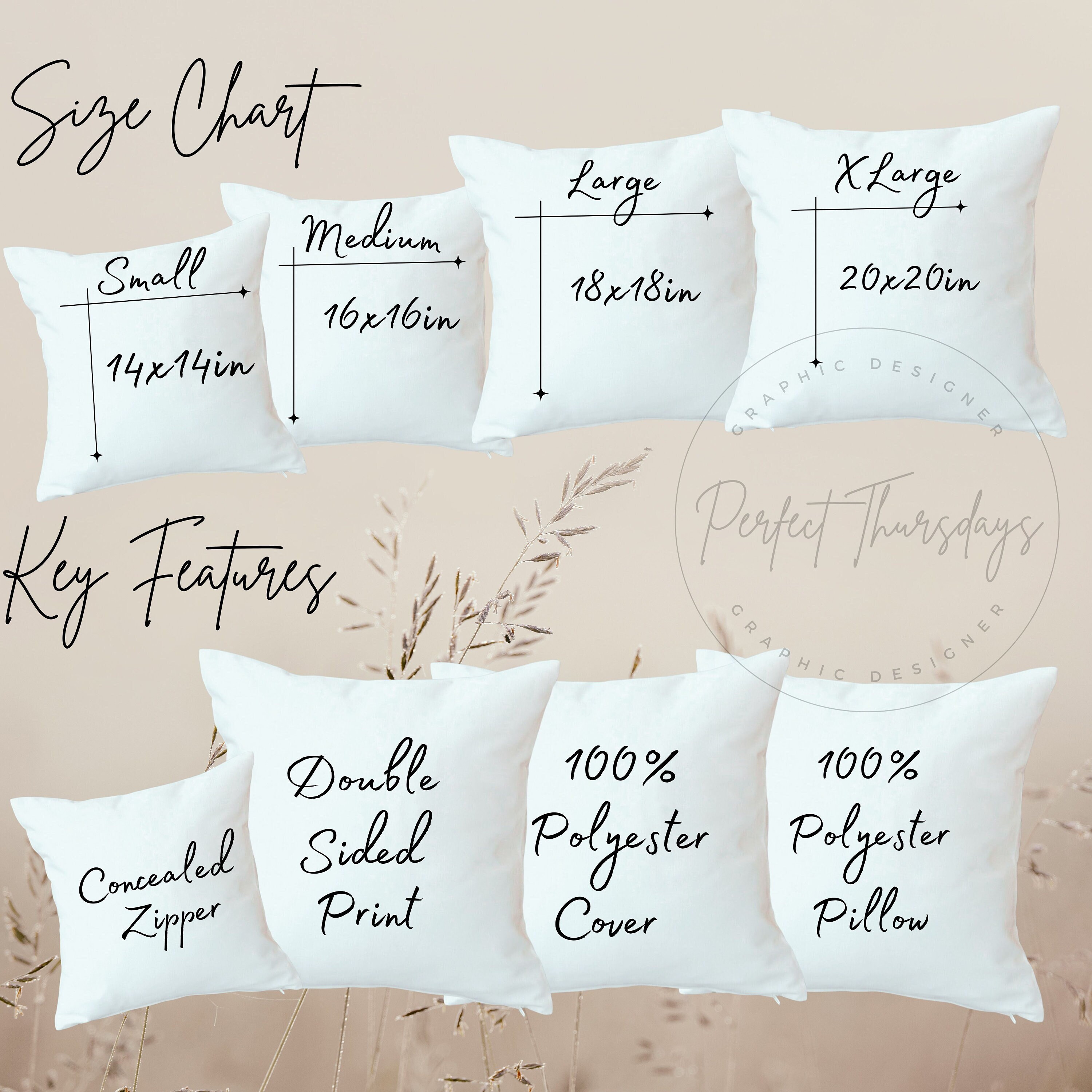
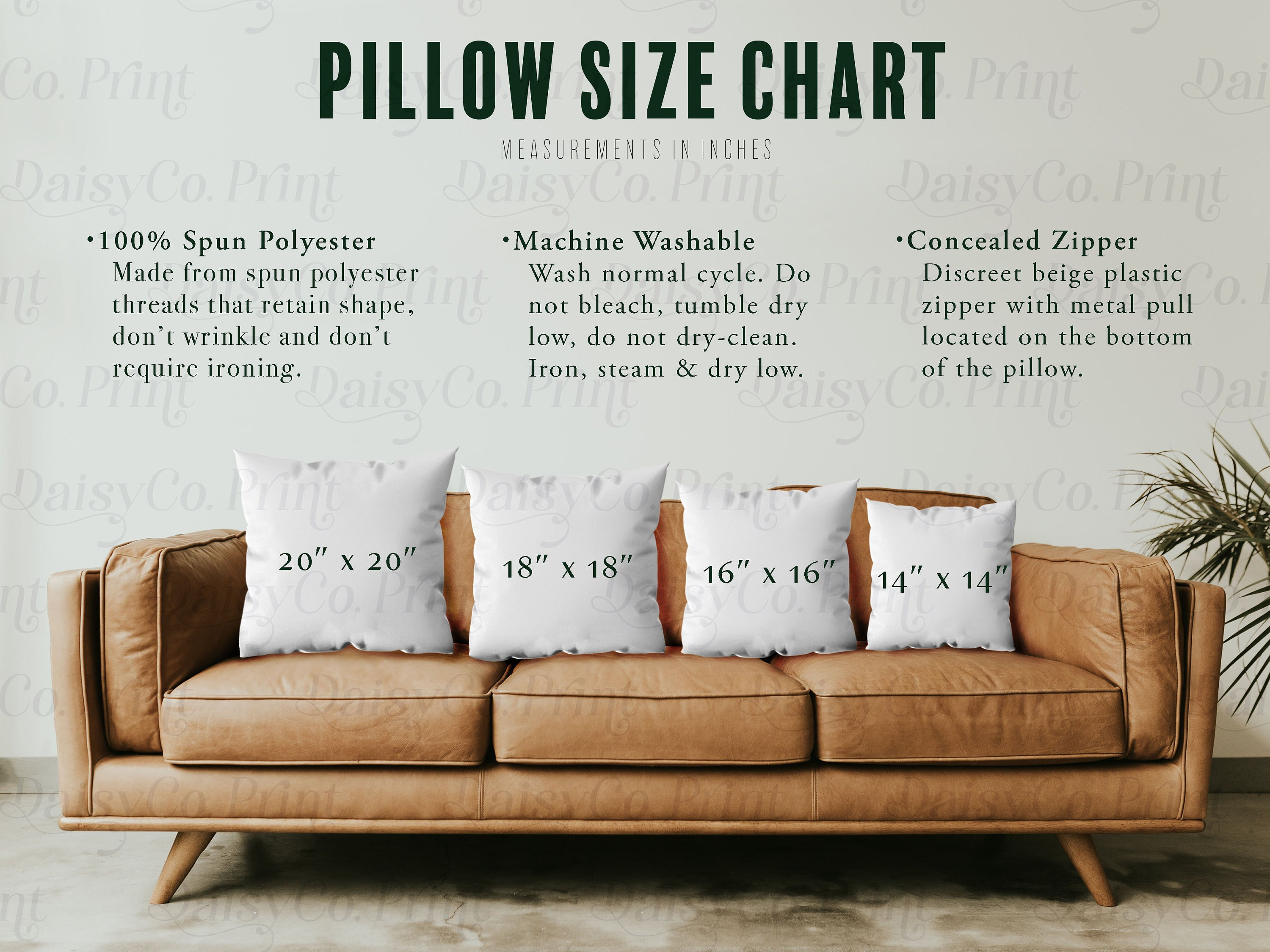
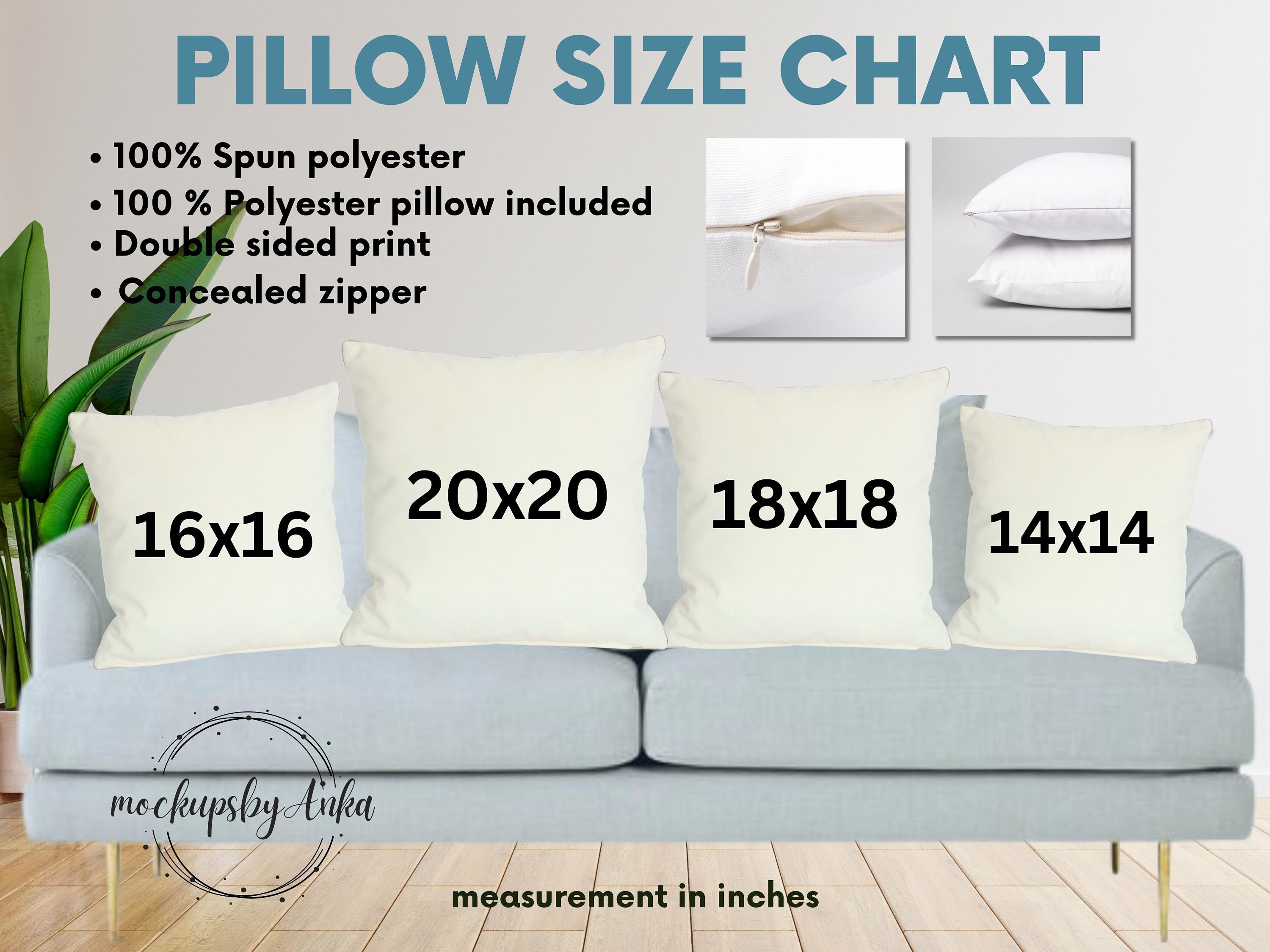
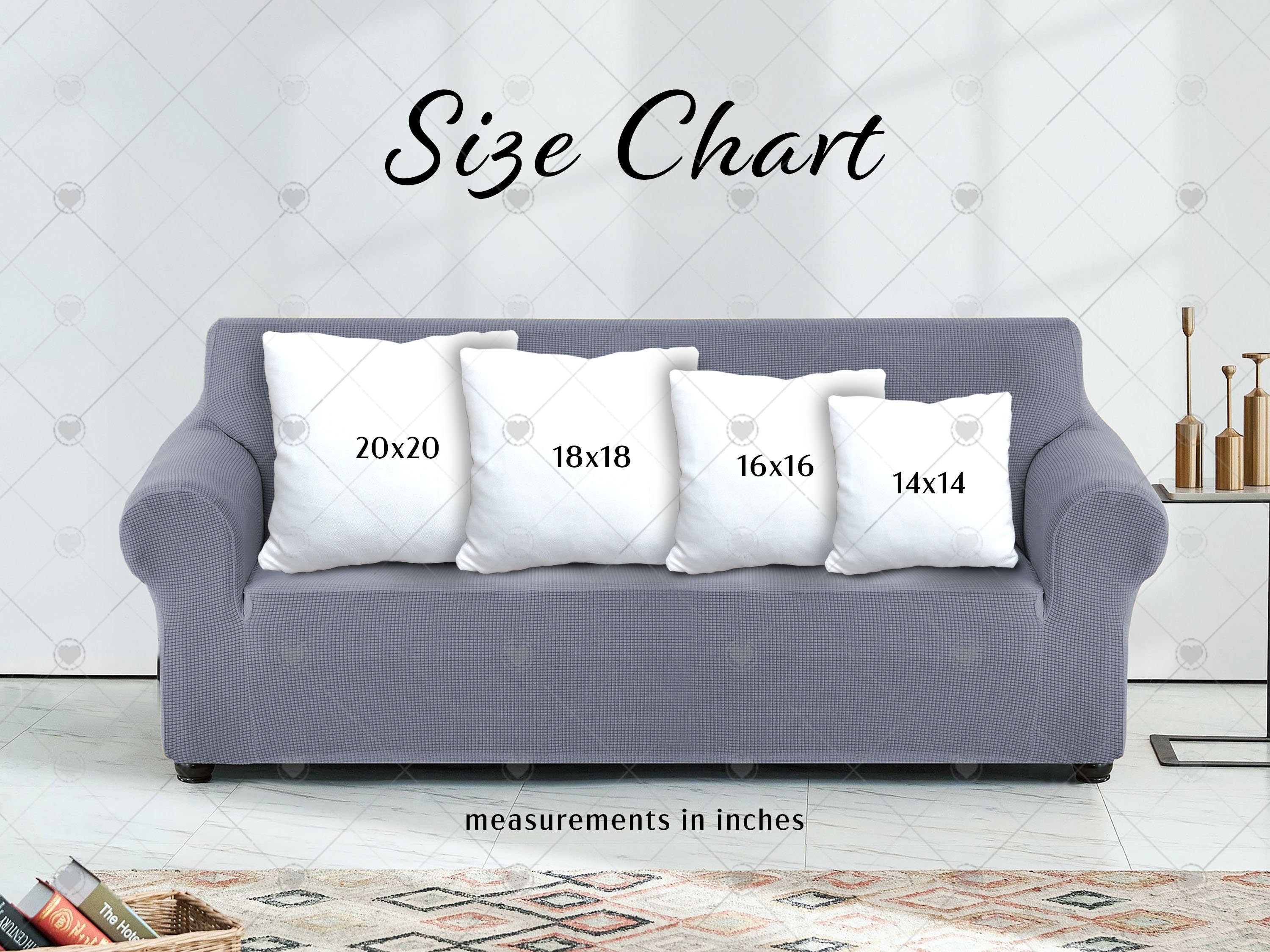
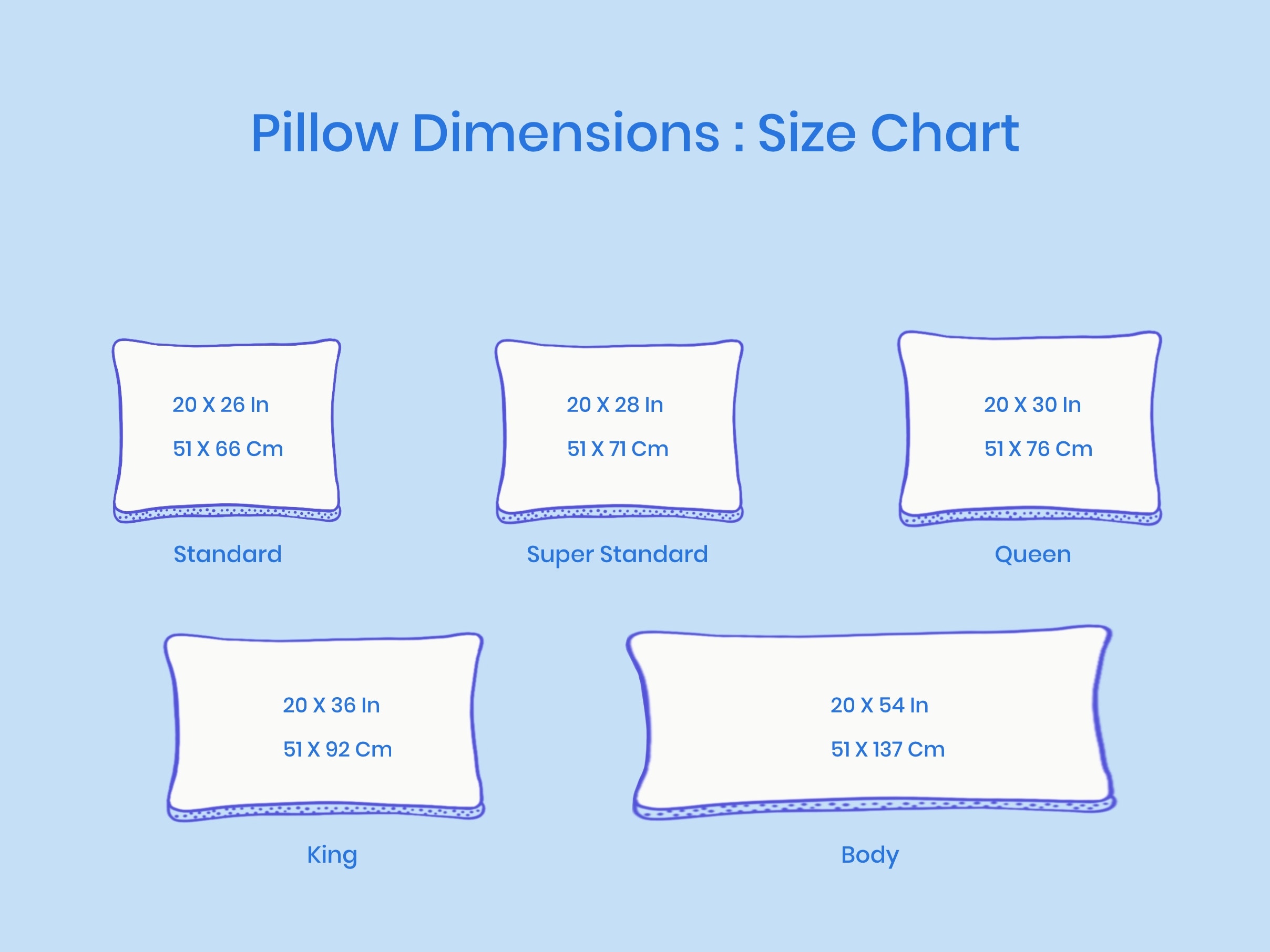
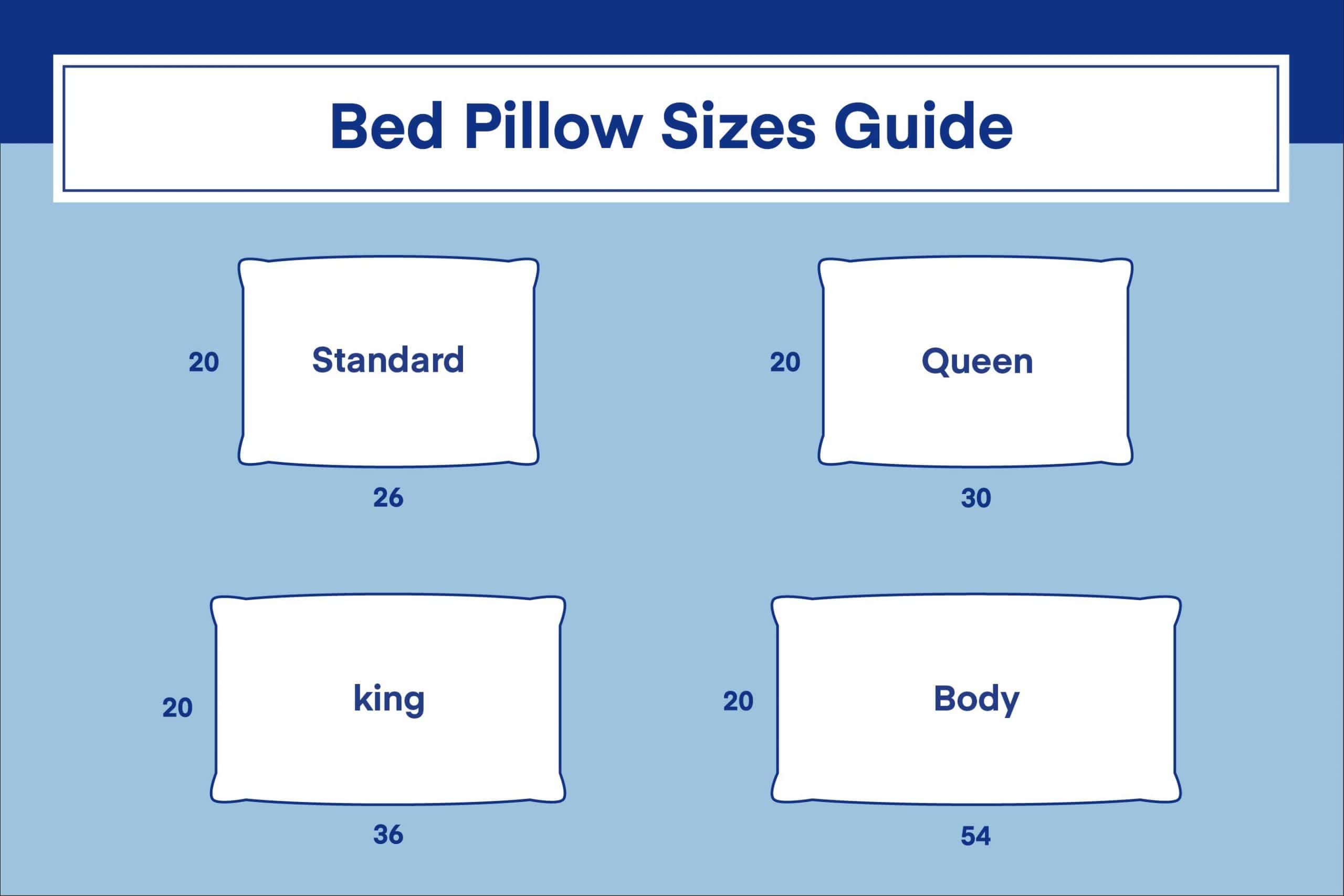
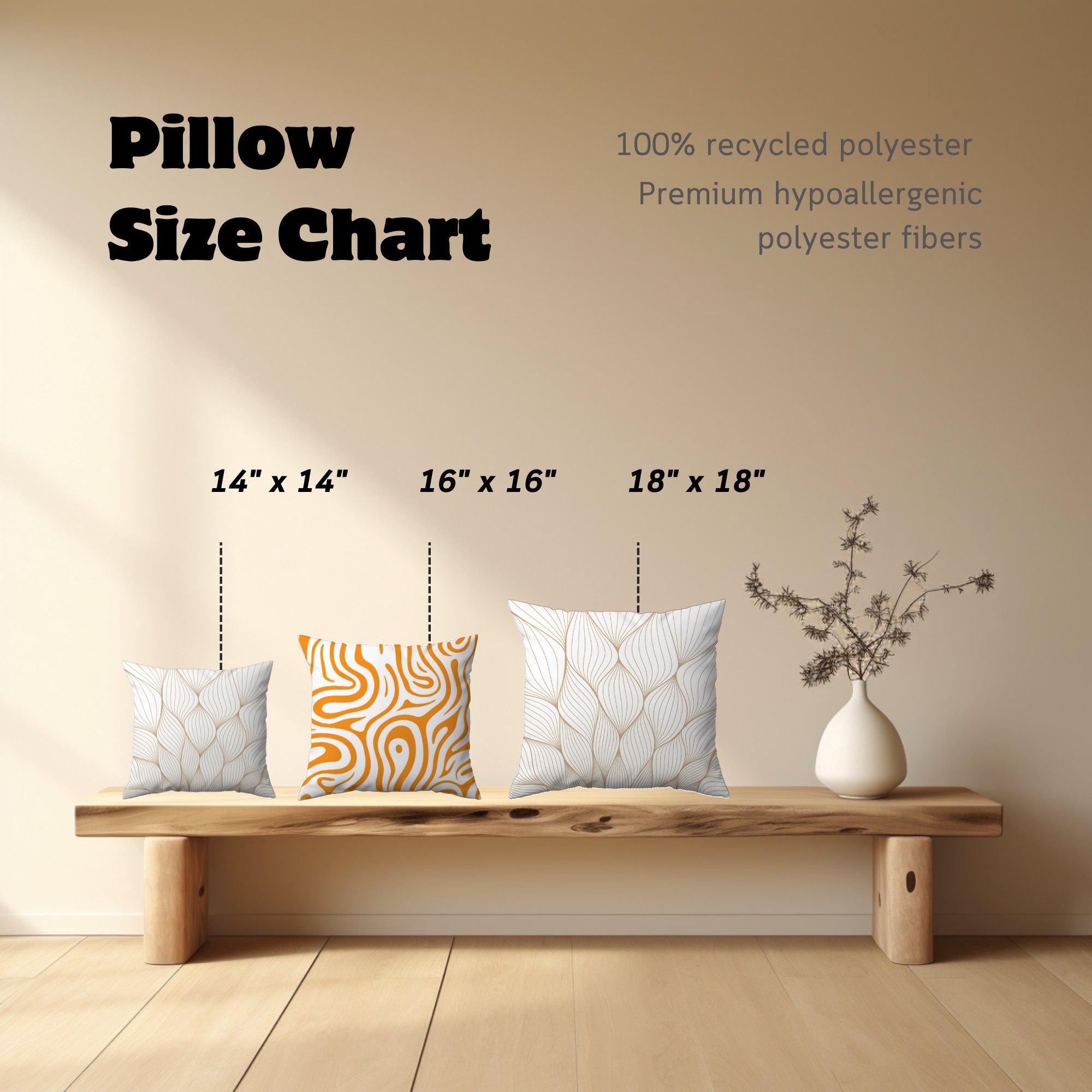
Many people assume that pillow sizes are a one-size-fits-all affair, but that's not the case! A pillow size chart is your go-to resource for understanding the diverse world of pillow dimensions. It's a simple yet powerful tool, offering a quick glance at the various sizes and their intended uses. From standard pillow dimensions to specialty sizes, this chart ensures you find the perfect fit for your needs.
Pillow Size Chart: A Quick Overview
A pillow size chart is a handy reference tool that provides a clear and visual guide to the various dimensions of pillows. It's like a map to help you navigate the world of pillow sizes, ensuring you get the right fit for your needs. This chart is a valuable resource for anyone looking to buy new pillows or pillowcases, as it offers a quick and easy way to understand the standard sizes available.
Comparing Standard and Custom Sizes
The beauty of a pillow size chart is that it presents both standard and custom sizes in a simple format. Standard sizes are the most common and widely used, and they often follow specific measurements and categories. These sizes are consistent across many brands and manufacturers, making it easy to find matching pillowcases or covers. On the other hand, custom sizes offer more flexibility and can accommodate unique preferences or specific requirements. Custom sizes might be necessary for specialty pillows, such as those designed for travel or medical purposes.
Step-by-Step Guide to Using the Chart
Using a pillow size chart is straightforward and can save you time and effort when shopping for pillows. Here's a simple process:
- Identify the Type: First, determine the type of pillow you need. Common types include standard, queen, king, and travel-sized pillows.
- Locate the Size: Find the corresponding size on the chart. The chart typically displays width and length measurements for each size.
- Check the Dimensions: Compare the chart's dimensions with the pillow or pillowcase you need. Ensure you match the width and length accurately.
- Consider Depth: Some charts also provide depth measurements, which is especially useful for pillows with varying thicknesses.
- Choose Your Size: Once you've found the size that matches your needs, you're ready to make an informed purchase.
Avoiding Common Misreadings
While a pillow size chart is user-friendly, it's essential to avoid a few common pitfalls:
- Unit Confusion: Always check the units of measurement. Some charts use inches, while others might use centimeters. Ensure you're comparing like with like.
- Rounding Errors: Charts often provide rounded measurements for simplicity. Be aware that actual products might have slight variations, so always check the exact specifications if precision is critical.
- Size Labels: Pay attention to size labels. For example, a "standard" size might not always be the same across different charts or regions.
Factors Affecting Accuracy
Several key factors can influence the accuracy of a pillow size chart and its real-world application:
- Regional Differences: Pillow sizes can vary between regions and countries. For instance, a "king" size in the US might differ from a "king" in Europe.
- Manufacturer Variations: Even within a region, manufacturers might have slight variations in their standard sizes. Always check the brand's specifications.
- Pillow Type: Different pillow types, like decorative or orthopedic pillows, might have unique size categories.
- Materials: The materials used can affect the overall size and shape of a pillow, especially over time as it ages and settles.
Choosing the Right Format for Your Needs
When it comes to pillow size charts, one size doesn't fit all. Here are some tips for choosing the right format:
- Standard vs. Custom: If you're looking for a quick and easy solution, a standard size chart is ideal. However, for specialized needs, a custom size chart might be more suitable.
- Online vs. Physical: Online charts are convenient, but having a physical chart or reference guide can be handy when shopping in-store.
- Visual Aids: Some charts use visual representations, like images or diagrams, to show size differences. These can be especially helpful for visual learners.
Keeping Your Reference Reliable
To ensure your pillow size chart remains a reliable reference, consider the following:
- Update Regularly: Pillow size standards can evolve over time. Periodically check for updated charts to ensure you have the latest information.
- Multiple Sources: Cross-reference charts from different sources to verify the accuracy of the measurements.
- Manufacturer Guides: Many pillow manufacturers provide their own size guides. Refer to these for specific product lines.
- Personal Notes: If you have unique pillow requirements, make a note of the sizes you need and keep them with your chart for easy reference.
So, there you have it! A handy pillow size chart can be a real game-changer for getting the perfect fit and comfort. But remember, it's always a good idea to double-check your specific needs and measurements to ensure you're getting the right size for your bed and sleeping style.
Feel free to explore our other guides and resources on similar topics. We've got plenty of practical tips and tricks to help you create a cozy and comfortable sleep space. Happy snoozing!
Related: What's the right window size chart for your needs?
A window size chart is a handy tool for anyone looking to understand window measurements quickly and easily. This guide will take you through the basics, covering what you need to know to read and use these charts effectively.
It's a simple reference, but one that can vary depending on your location and the type of window you're dealing with. Whether you're after standard window dimensions or more specific measurements, a good chart will provide a clear overview, helping you choose the right size for your needs.
Understanding Window Size Charts
A window size chart is a valuable tool for anyone planning a construction or renovation project. It provides a quick reference guide to standard window dimensions, helping you choose the right size and type for your space. These charts are a handy way to visualize and compare options, ensuring your windows fit the intended space and serve their purpose.
Key Details and Categories
Before diving into a window size chart, it's essential to understand the basic units and categories. Most charts use inches for width and height, with standard sizes ranging from 18" x 18" to 36" x 72". These dimensions cover a wide range of common window types, including single-hung, double-hung, casement, and fixed windows. The charts often include a breakdown of these categories, making it easy to identify the right type for your needs.
Reading the Chart: A Step-by-Step Guide
- Identify the window type you require. This could be a double-hung window for ease of use or a casement window for ventilation.
- Locate the relevant section on the chart. Each type will have its own set of standard sizes.
- Choose the size that best fits your space. Consider the width and height of the opening and ensure the window provides adequate coverage.
- Note the dimensions and any additional details, such as the number of panes or the window's energy efficiency rating.
- Cross-reference with other charts or guidelines to ensure accuracy, especially if you're working with non-standard sizes or unique architectural features.
Variations and Differences
Window size charts can vary depending on the standard being used. While most follow a similar format, there may be slight differences in dimensions or the inclusion of specific window types. For instance, some charts might cater to a wider range of window styles, including awning or bay windows. It's crucial to refer to the right chart for your region or project requirements. Additionally, manufacturers may have their own charts with slight variations to accommodate their product range.
Common Mistakes and How to Avoid Them
One of the most common mistakes is assuming that all windows are created equal. Different window types have unique purposes and may not fit the same space. Always refer to the correct chart for the window style you need. Another pitfall is neglecting to consider the frame size. The window size chart typically refers to the glass dimensions, so ensure you account for the frame when measuring your space. Finally, don't forget to check for any local building regulations or guidelines that might impact your window choices.
Well, there you have it! A window size chart is a handy tool to keep in your back pocket. It's a simple reference guide, but one that can save you time and ensure accuracy when planning your next project.
Remember, while this chart provides a great starting point, it's always wise to double-check the specific requirements for your unique situation. Exact values can vary, so it's best to be prepared and avoid any potential pitfalls. So, bookmark this page, and you'll have a quick and easy solution whenever you need it.