




Minimal Babysitting Invoice Template Overview
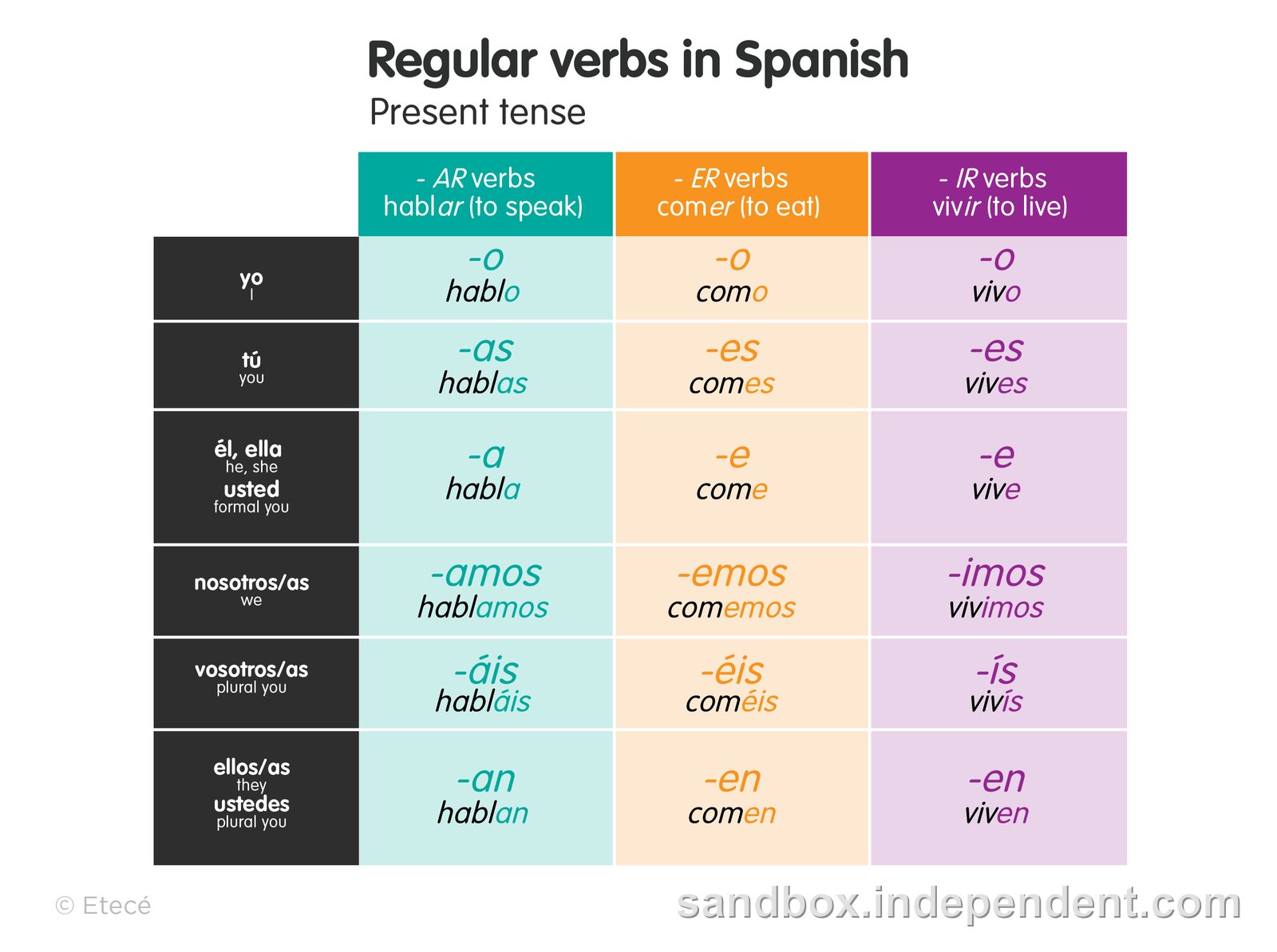
Many folks new to verb anchor charts might think they're just for kids or a basic tool. But these charts are powerful, offering a quick, visual way to grasp verb tenses and forms. A verb anchor chart is an essential reference, a simple yet effective diagram that ensures your verb usage is spot on. It's a handy tool to have, and its format can vary, offering a tailored verb guide for different needs.
Understanding the Verb Anchor Chart
The verb anchor chart is a handy tool that provides a visual representation of verbs and their various forms and tenses. It's like a map for verb usage, guiding you through the different ways verbs can be expressed. This chart is a reference point, offering a clear and organized layout to enhance your understanding and application of verbs.
Key Details and Categories
The verb chart typically includes columns representing different verb tenses, such as present, past, and future, along with their progressive and perfect forms. Each row contains a verb, often listed alphabetically, with its corresponding forms in the respective tense columns. You'll find regular verbs following a consistent pattern, while irregular verbs stand out with their unique forms. The chart may also indicate the verb's type, like action or linking verbs, and provide examples of usage.
Reading and Applying the Chart
To use the verb anchor chart effectively, follow these steps:
Identify the verb you wish to explore. Let's say you're interested in the verb "run."
Locate "run" on the chart. You'll find it listed under the present, past, and future tense columns.
Read across the row to see the different forms. For "run," you'll see "runs" (present), "ran" (past), and "will run" (future).
If you need to use a progressive tense, look for the "-ing" form. In this case, it's "running."
For perfect tenses, check the "have/has" and "had" columns. So, "has run" and "had run" are the perfect tenses for "run."
By following this simple process, you can quickly find the correct verb form for your sentence, ensuring accurate and consistent verb usage.
Variations and Differences
It's important to note that verb charts can vary based on the standard or context. Different regions or styles may have slight variations in verb forms or tenses. Here are some key factors that can cause these variations:
Regional differences: Verb usage can vary between countries or even within regions. For example, British English and American English have some distinct verb forms.
Style guides: Various style guides, like APA or MLA, may have specific preferences for verb tenses or forms, especially in academic writing.
Contextual usage: The verb's function in a sentence, such as whether it's an action or linking verb, can impact its form.
Irregular verbs: These verbs don't follow the typical patterns, so they require special attention and memorization.
Common Mistakes and How to Avoid Them
When using a verb diagram or chart, it's easy to make mistakes if you're not careful. Here are some common pitfalls to watch out for:
Misreading the chart: Always double-check the verb's tense and form. Mistakes can happen when you confuse past and present tenses, for instance.
Neglecting context: Remember that verb forms can change based on the sentence's context. Ensure you choose the right form for your specific usage.
Relying solely on the chart: While the chart is a great tool, it's not exhaustive. Some verbs have unique forms or usages that may not be covered. Always refer to additional resources or examples when in doubt.
Ignoring regional variations: Be mindful of regional differences, especially if your audience is from a different region. Ensure your verb usage aligns with their expectations.
By being aware of these potential issues and taking a careful, contextual approach, you can ensure accurate and effective verb usage in your writing.
So, there you have it! A handy verb anchor chart can be an incredibly useful tool to have in your kit. It's a simple yet effective way to keep your language skills sharp and ensure you're using verbs accurately.
Remember, while this guide offers a general overview, it's always wise to double-check any specific requirements or context-related nuances. Every situation is unique, and language can be a tricky beast!
Feel free to explore our other guides; we've got plenty of resources to help you master various language-related topics. Happy learning, and keep those verbs in check!
Related: ENR Construction Cost Index 2026 Essential Guide
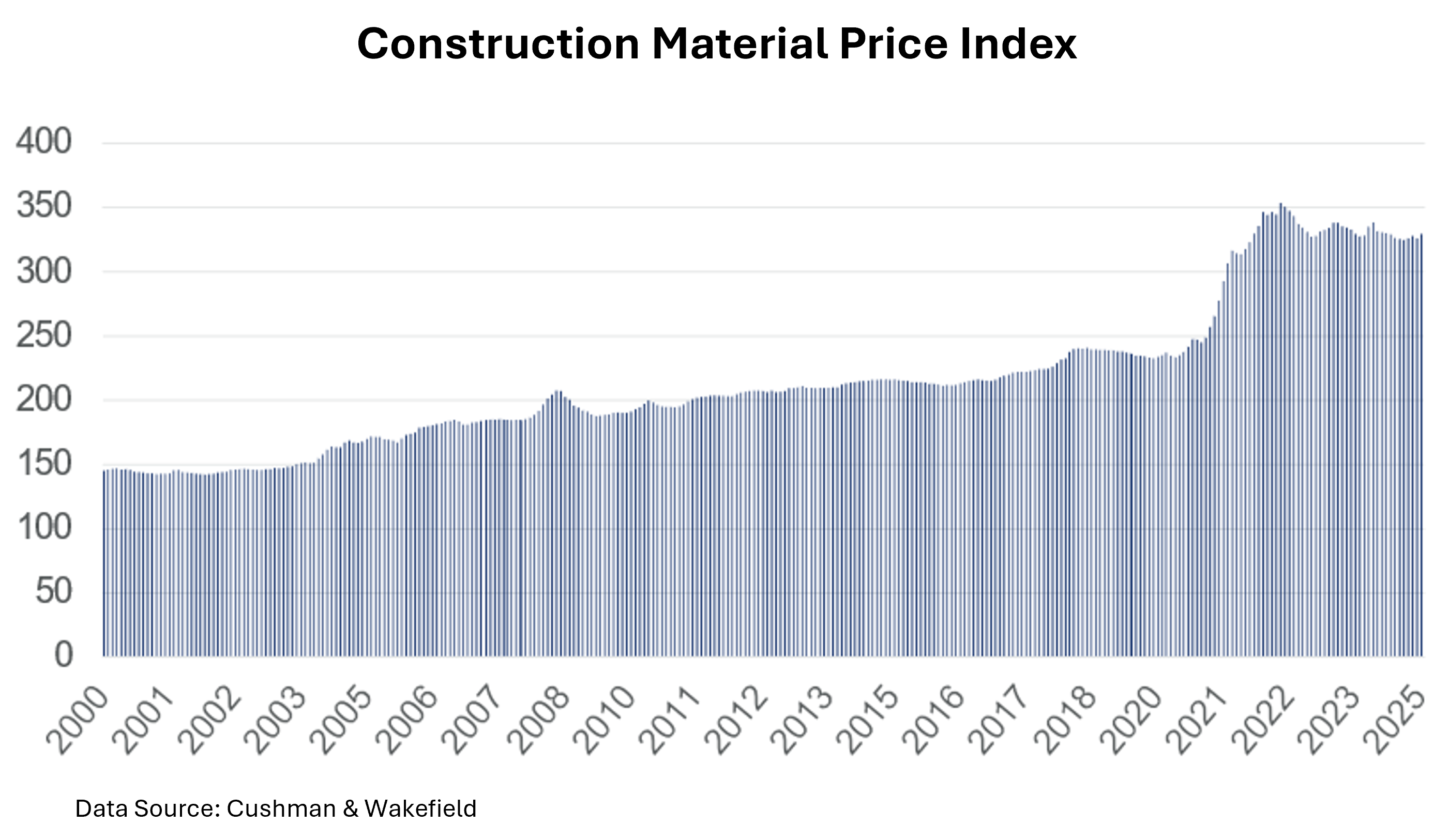
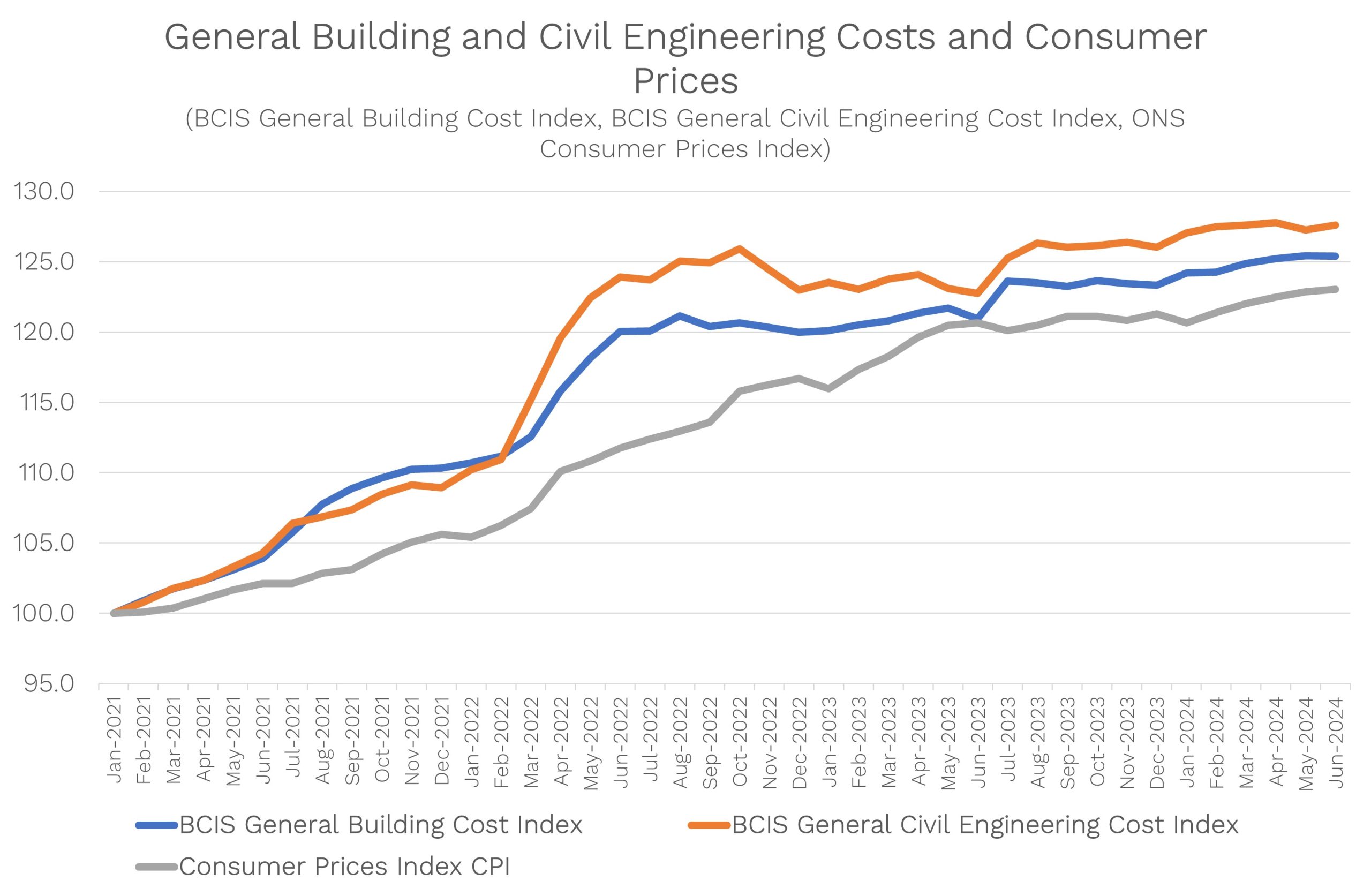
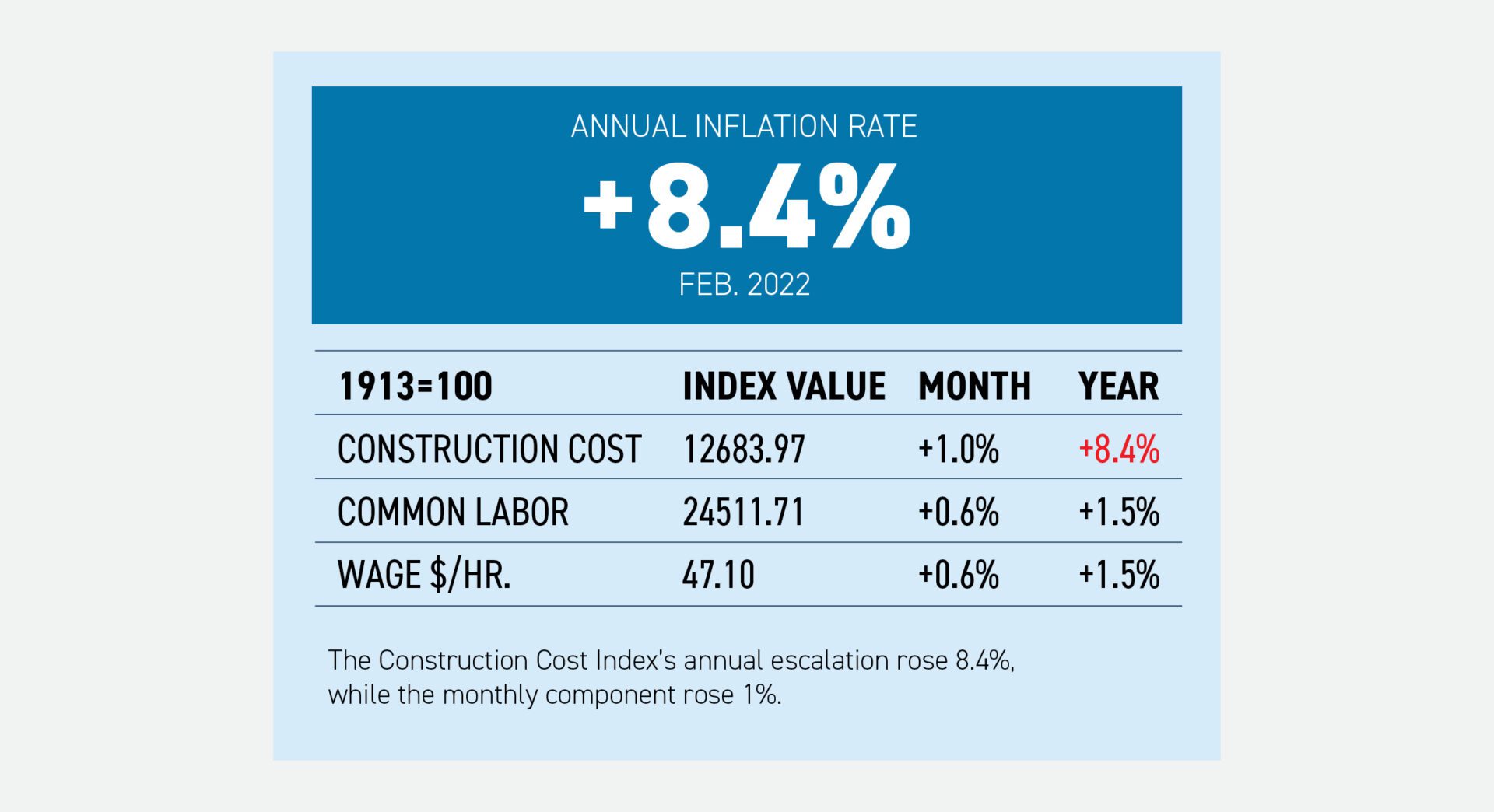
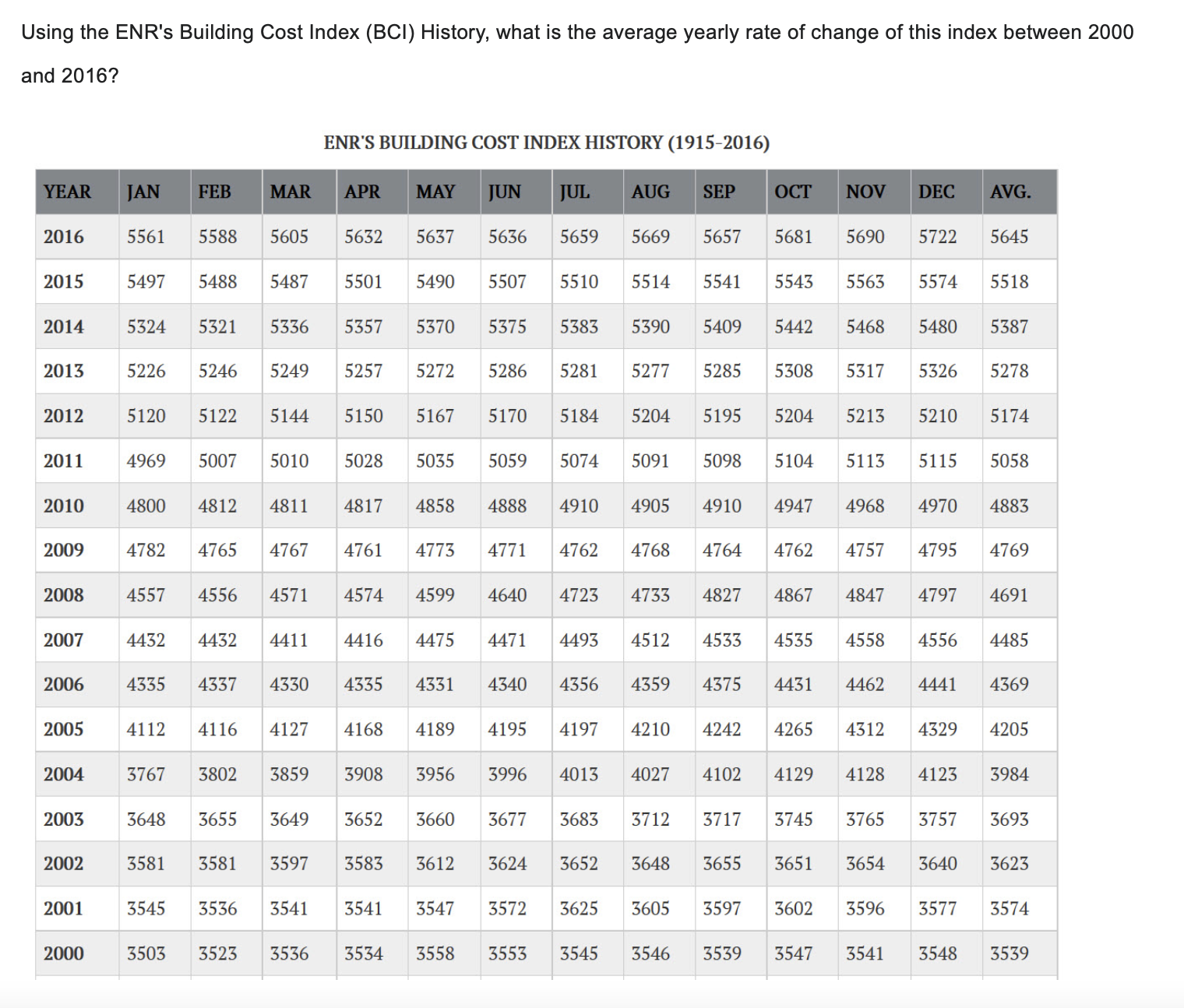
So, I was browsing the web the other day, curious about the ENR Construction Cost Index 2026, and I realized it's not as straightforward as it seems. I mean, it's an important indicator, but what does it really tell us? Let's break it down and see how it affects us regular folks.
Understanding the ENR Construction Cost Index
The ENR Construction Cost Index is a tool that keeps an eye on construction costs over time. It's like a thermometer for the industry, giving us a sense of how prices are moving. This index is super helpful for folks in construction, whether they're building companies, contractors, or even homeowners planning a remodel.
It covers a bunch of stuff, from materials to labor, and it's updated regularly. So, if you're thinking of starting a project, it's a good idea to check the index to get a feel for the market. It might just save you some headaches down the line!
How Does It Work, and Why Should I Care?
The index is all about tracking the costs of construction, which is crucial for anyone in the industry. It helps builders and contractors plan their projects and stay on budget. For homeowners, it's a way to understand the bigger picture of construction costs and how they might affect your renovation or new build.
Say you're planning a kitchen remodel. Checking the ENR Construction Cost Index can give you a sense of whether now is a good time to start, or if costs are likely to drop in the near future. It's a bit like timing the stock market, but for construction!
Practical Tips for Using the Index
So, how do you use this index in your daily life? Well, it's simple. Just head over to the ENR website (or your favorite construction data source) and take a look. You'll see the index value and maybe some charts or graphs to give you a visual idea of the trends.
If you're a builder or contractor, you can use this info to bid on projects and set your prices. For homeowners, it's a way to get a sense of the market and compare quotes from different companies. Remember, construction costs can vary a lot, so getting a few quotes is always a good idea.
Naming Your Construction Business
If you're starting a construction company, one of the first things you'll need to do is come up with a name. It's not just about being creative; the name should reflect your business and its values. Keep it simple and memorable, and make sure it's unique.
Here are a few ideas to get you started:
- Build-It-Right Construction
- Solid Foundations
- Skyward Builders
- HomeCrafters
- Earthworks
- Constructive Solutions
Don't forget to check name availability and secure your domain and local registration before you get too attached to a name!
Construction Jobs and the Industry
The construction industry offers a wide range of jobs, from general contractors to estimators and project managers. These roles involve everything from planning and managing projects to actually building and remodeling.
If you're looking for construction jobs, check out local job boards and industry-specific websites. You might also want to reach out to construction companies directly or consider joining a union. It's a great industry to be in, with lots of opportunities for growth and development.
Wrapping Up
So, there you have it! The ENR Construction Cost Index 2026 is a handy tool for anyone in the construction game. It's a simple way to stay informed and make smarter decisions, whether you're a builder, contractor, or just a homeowner with a project in mind.
Why not take a look at the index today and see what it can tell you about the construction world? It might just give you a new perspective on your next project.
Related: Understand Voice Level Charts: A Quick Guide
You're probably familiar with the concept of a voice level chart, whether you're a teacher, a parent, or just someone looking for a way to visualize and manage sound levels. This simple yet effective tool provides a quick reference guide, offering a clear and concise way to understand and interpret sound intensity. It's a handy resource, especially when you need to communicate and enforce specific volume expectations. While the exact values and formats may vary, the voice level chart remains a reliable and accessible way to measure and control acoustic environments.
Understanding the Voice Level Chart: A Quick Overview
The voice level chart is a valuable tool for measuring and understanding sound intensity, particularly when it comes to human speech. It provides a visual representation of different voice volumes, offering a practical guide to help individuals and professionals assess and manage sound levels. This chart is especially useful in environments where maintaining appropriate voice levels is crucial, such as classrooms, offices, and public spaces.
Decibel Scale and Voice Volume Categories
The voice level chart typically operates on the decibel scale, which is a logarithmic unit used to measure sound pressure. This scale allows for a wide range of sound intensities to be represented, from the faintest whispers to the loudest shouts. The chart categorizes voice levels into distinct ranges, often represented by colors or symbols, making it easy to identify and communicate different volume levels.
Step-by-Step Guide to Using the Voice Level Chart
- Identify the standard being used: Different regions and industries may employ various voice level chart standards. Ensure you are referencing the correct chart for your specific context.
- Observe the decibel scale: The chart will display a range of decibel values, typically from the lowest audible sound to a level considered harmful.
- Match your voice level: Compare your voice's volume to the categories or symbols on the chart. This will help you gauge whether your voice is at an appropriate level for the environment.
- Adjust as needed: If your voice falls outside the recommended range, adjust your volume accordingly. This could mean speaking softer or louder to match the desired level.
- Consider environmental factors: Remember that the chart provides a general guide. External factors like room acoustics and background noise can influence the perceived volume, so adjust your voice level accordingly.
Common Misinterpretations and How to Avoid Them
- Voice level charts are not absolute: They provide a reference, but individual perceptions of sound can vary. Trust your own judgment and the feedback of those around you.
- Avoid over-reliance: While the chart is a useful tool, it should not be the sole determinant of appropriate voice levels. Consider the context and the comfort of those around you.
- Decibel scale variations: Different charts may use slightly different decibel ranges or categories. Always refer to the specific chart you are using to ensure accuracy.
- Environmental factors: Be mindful of the environment's unique characteristics. A busy street may require a higher voice level than a quiet library, even if they fall within the same decibel range on the chart.
Remember, the voice level chart is a practical tool to promote clear communication and a comfortable environment. By understanding and accurately interpreting the chart, you can contribute to a more harmonious and productive space.
A voice level chart is a handy tool, offering a simple yet effective way to manage noise levels and create a harmonious environment. It's a great reference point, providing a clear guide to maintain a calm and focused atmosphere.
Remember, while this chart offers a standard framework, your unique context might require some adjustments. So, take a moment to tailor it to your specific needs, ensuring it fits your environment perfectly. Bookmark this page, and you'll always have a quick reminder for those moments when you need to keep the peace!