








Minimal Handyman Invoice Template Doc Overview
I'm thinking of giving my kitchen a makeover, and it got me wondering about top ten construction companies. Who are the big players in the industry? What makes a construction company stand out? I decided to look into it and share some insights, so here's the lowdown on all things construction-related.
The Big Picture: Construction Industry Insights
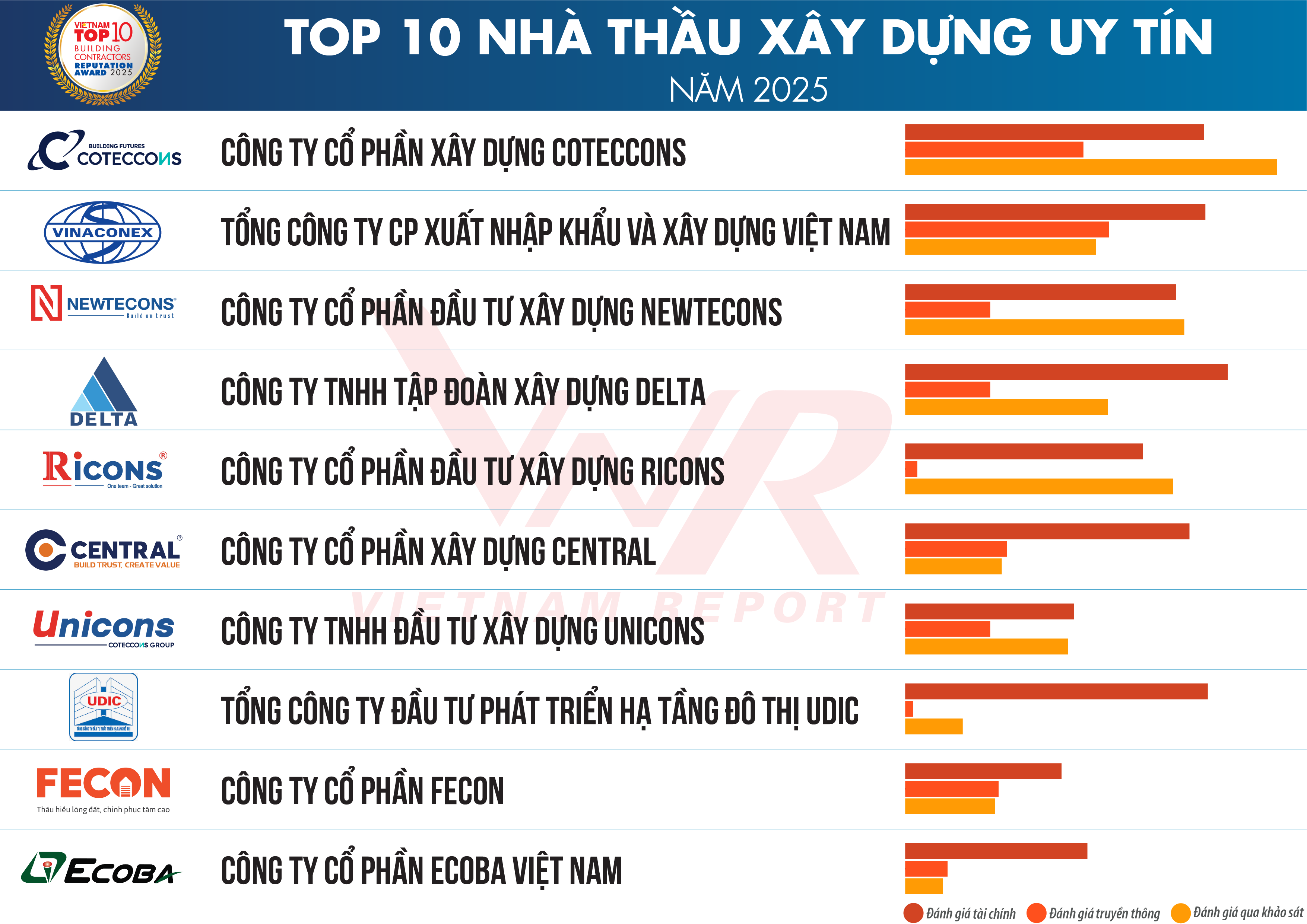
When we talk about the top ten construction companies, we're referring to the leading firms in the industry, those that have established a strong reputation and often work on large-scale projects. These companies have the resources, expertise, and experience to tackle a wide range of construction and remodeling jobs. They can handle everything from residential home renovations to commercial building projects.
So, what sets these companies apart? Well, it's a combination of factors. They often have a large, skilled workforce, which allows them to take on multiple projects simultaneously. They also tend to have strong relationships with suppliers, which can result in better deals on materials. Additionally, their size and reputation often mean they can attract and retain top talent, ensuring a consistent level of quality in their work.
Hiring a Top Construction Company: What to Consider
If you're in the market for a construction company, whether it's for a home remodel or a new build, there are a few key things to keep in mind. First, check their licensing and insurance. This is crucial to protect yourself and ensure they're legally allowed to operate. Next, look at their portfolio. Do they have experience with projects similar to yours? It's a good sign if they do.
Ask for references and check them. Speak to past clients about their experience. Were they happy with the work? Was the company responsive and professional? Also, get multiple quotes. Prices can vary, and it's a great way to compare services and find the best value.
Company Names: A Quick Tip
Choosing a name for your construction company is important. It should be memorable, reflect your business, and be unique. Avoid generic names; you want something that stands out. For example, "BuildStrong", "RenovateRight", or "Constructive Solutions" are all catchy and give a good indication of the services offered.
Before settling on a name, check its availability for registration and domain names. You don't want any legal issues or to miss out on an online presence because the name is taken.
The Construction Industry: A World of Opportunities
The construction industry offers a wide range of jobs, from skilled tradespeople to project managers and estimators. These roles can vary greatly in terms of responsibilities and salaries. For instance, an estimator's role involves calculating costs for projects, a crucial step in the construction process.
If you're looking for construction jobs, check online job boards and local classifieds. Many companies also advertise on their websites. It's a good idea to have a clear idea of the role you're interested in and the skills you can bring to the table.
Wrapping Up: Your Construction Journey
So, there you have it, a glimpse into the world of top ten construction companies and the construction industry as a whole. Whether you're hiring a company for a project or considering a career in construction, it's a fascinating and ever-evolving field. Remember, when it comes to construction, it's all about finding the right fit for your needs and ensuring a professional, skilled team is on board.
Related: Understand the Band Seating Chart
A band seating chart can often be a source of confusion, especially for those new to the world of live music and performance. While it may seem like a simple diagram, there's more to it than meets the eye! This chart is a crucial tool for musicians and organizers, offering a clear layout of the stage and ensuring everyone knows their place. It's not just about seating; it's a map for a smooth performance.
Understanding the Layout: Band Seating Chart Basics
A band seating chart is a visual representation of how a band or orchestra is arranged on stage. It's a practical tool for musicians, conductors, and venue staff to ensure everyone knows their position and the overall stage setup. This chart provides a clear layout, helping to avoid confusion and ensure a smooth performance.
Common Configurations and Standards
There are various ways to arrange a band, and the seating chart reflects these differences. The most common configurations include the traditional orchestra layout, where instruments are grouped by family, and the modern band setup, which often features a more flexible and dynamic arrangement. These charts typically use standard symbols and labels to represent instruments and their positions, making them easily readable and adaptable.
Practical Tips for Placement: A Step-by-Step Guide
- Start by identifying the stage dimensions and the desired seating capacity. This will help determine the overall layout and the number of rows or sections needed.
- Place the conductor or lead vocalist at the center, ensuring they have a clear view of the entire band and can effectively lead the performance.
- Group instruments by family or section. For example, place all the string instruments together, followed by woodwinds, brass, and percussion. This traditional arrangement ensures a balanced sound and makes it easier for musicians to communicate and interact during the performance.
- Consider the size and shape of each instrument when positioning them. Larger instruments, like the double bass or tuba, may require more space, so plan accordingly to avoid overcrowding.
- Leave sufficient space between sections to allow for movement and ensure a comfortable playing environment. This is especially important for performances involving dance or energetic movements.
Avoiding Misreadings and Common Pitfalls
While band seating charts are a useful tool, it's important to remember that they are a general guide. Variations may occur based on the specific performance requirements, the venue's unique layout, or even the conductor's preferences. Always double-check the exact specifications and tolerances, especially when dealing with non-standard instruments or unconventional setups. Misreading a chart can lead to confusion and potential issues during the performance, so it's crucial to communicate and clarify any deviations from the standard layout.
Hey there, band seating charts are a handy tool and it's great to have a basic understanding of the process. Remember, the exact details might differ slightly based on your specific needs and the standards you follow. It's always a good idea to refer to the relevant guidelines and adapt them to your situation.
Feel free to explore our other guides; we've got a range of topics covered to help you with your musical adventures. There's always something new to learn, so keep an eye out for our latest posts!
Related: What is the CBS Trade Chart All About?
A CBS trade chart is a valuable tool for anyone seeking a quick and accurate overview of trade-related information. This guide aims to provide a straightforward understanding of these charts, ensuring you can navigate and utilize them effectively.
The CBS trade chart, whether presented as a table, diagram, or guide, offers a standardized format with potential variations depending on the context. It serves as a reference point, allowing users to quickly interpret trade values and units, making it an essential resource for efficient decision-making.
Understanding the CBS Trade Chart: An Overview
The CBS trade chart is a valuable tool for anyone involved in commerce and trade. It provides a standardized way to represent and understand various trade-related values and categories. This chart is a reference guide that simplifies complex trade data, making it accessible and practical for everyday use.
Comparing CBS Trade Chart Standards and Formats
There are different versions of the CBS trade chart, each tailored to specific regions and industries. The most common formats include the US standard and the international metric system. These charts may vary slightly in their units and categories but serve the same purpose: to provide a consistent framework for trade calculations and decisions.
Step-by-Step Guide to Using the CBS Trade Chart
Using the CBS trade chart is straightforward and can greatly simplify your trade-related tasks. Here's a simple guide:
Identify the Type of Trade: Determine whether you are dealing with import, export, or domestic trade. This initial step helps you choose the right chart for your specific trade scenario.
Select the Appropriate Chart: Different charts exist for various trade types and regions. Ensure you have the correct chart for your needs. For instance, if you are an importer, choose the import-specific CBS trade chart.
Locate the Relevant Values: The chart is organized with clear categories and units. Find the values you need, such as trade value, volume, or weight, and ensure you are using the correct units.
Perform Calculations: With the values located, you can now perform any necessary calculations. The chart provides a structured format to ensure accuracy and consistency in your trade-related computations.
Double-Check for Accuracy: Always verify the values and calculations with the specific trade guidelines and regulations. While the CBS trade chart is a reliable tool, it is essential to cross-reference with official sources for precise results.
Common Misreadings and How to Avoid Them
Misinterpreting the CBS trade chart can lead to errors. Here are some common pitfalls:
Unit Confusion: Ensure you understand the units used in the chart. Different charts may use various units, so always double-check.
Category Misidentification: Each chart has distinct categories. Take time to familiarize yourself with the specific categories and their meanings to avoid confusion.
Regional Variations: Be aware of regional differences. For instance, the US and metric charts may have slight variations in categories or units. Always use the appropriate chart for your region.
Factors Affecting Accuracy and Real-World Use
The accuracy of the CBS trade chart depends on several factors:
Trade Regulations: Trade rules and guidelines can change, so staying updated is crucial. Always refer to the latest regulations to ensure your calculations are precise.
Industry-Specific Considerations: Different industries may have unique trade practices and requirements. Ensure you are using a chart tailored to your specific industry to avoid discrepancies.
Chart Updates: CBS trade charts are periodically updated to reflect changes in trade practices and regulations. Regularly check for the latest version to maintain accuracy.
Choosing the Right CBS Trade Chart Format
Selecting the appropriate CBS trade chart format is essential for accurate results:
Standard CBS Units: If you are working within a specific industry or region, choose the chart designed for that context. For example, the standard CBS units for the US market may differ from those used internationally.
Common CBS Variations: Be aware of common variations in trade practices. Some industries may have unique trade flows or categories. Ensure your chart accommodates these variations to provide accurate representations.
Practical CBS Tips: Consider your specific trade needs and choose a chart that offers the most relevant and practical information for your daily tasks.
Keeping Your Reference Reliable for Future Use
To ensure the CBS trade chart remains a reliable reference:
Regular Updates: Stay informed about any updates or revisions to the chart. Subscribe to relevant industry newsletters or follow reputable sources for the latest information.
Organize and Store: Keep your charts organized and easily accessible. Consider digital storage for quick retrieval and sharing.
Cross-Reference: Always verify the chart's accuracy by cross-referencing with official sources and industry experts. This practice ensures you have the most up-to-date and reliable information.
Hey there! I hope this guide has given you a clear understanding of the CBS trade chart and its practical applications. Remember, while the fundamentals remain consistent, exact details may differ slightly based on your specific context.
Feel free to revisit this page whenever you need a quick refresh on CBS trade charts. It's a handy tool to have bookmarked for future reference!