





Minimal Painting Invoice Template Word Overview
I'm getting ready to tackle a how to remodel painting project and it's a bit daunting. I mean, where do I even start? I've never done this before and I want to make sure I do it right. So, I've been doing some research and I've learned a few things that I think might help others in a similar situation.
Understanding the Process
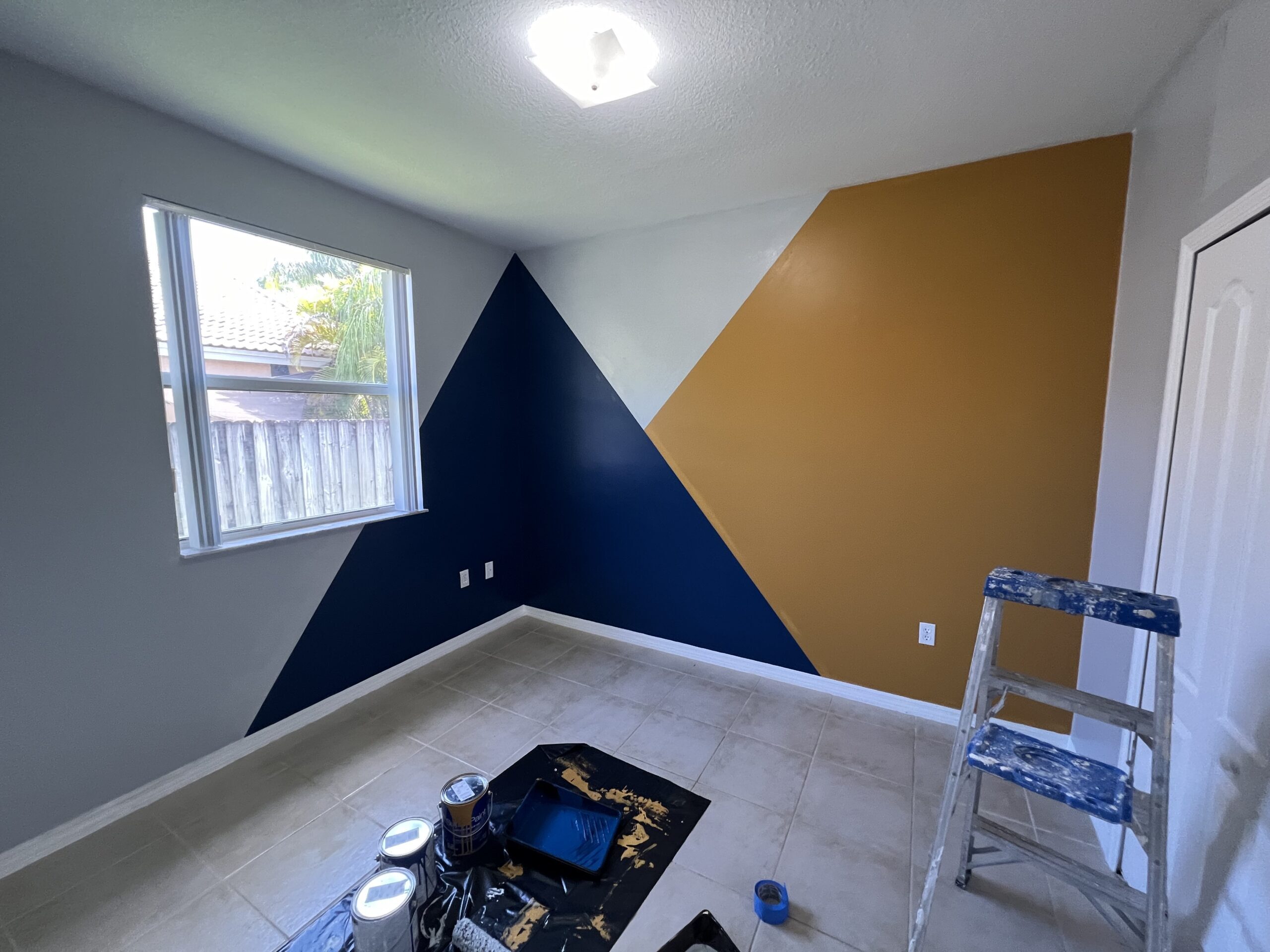
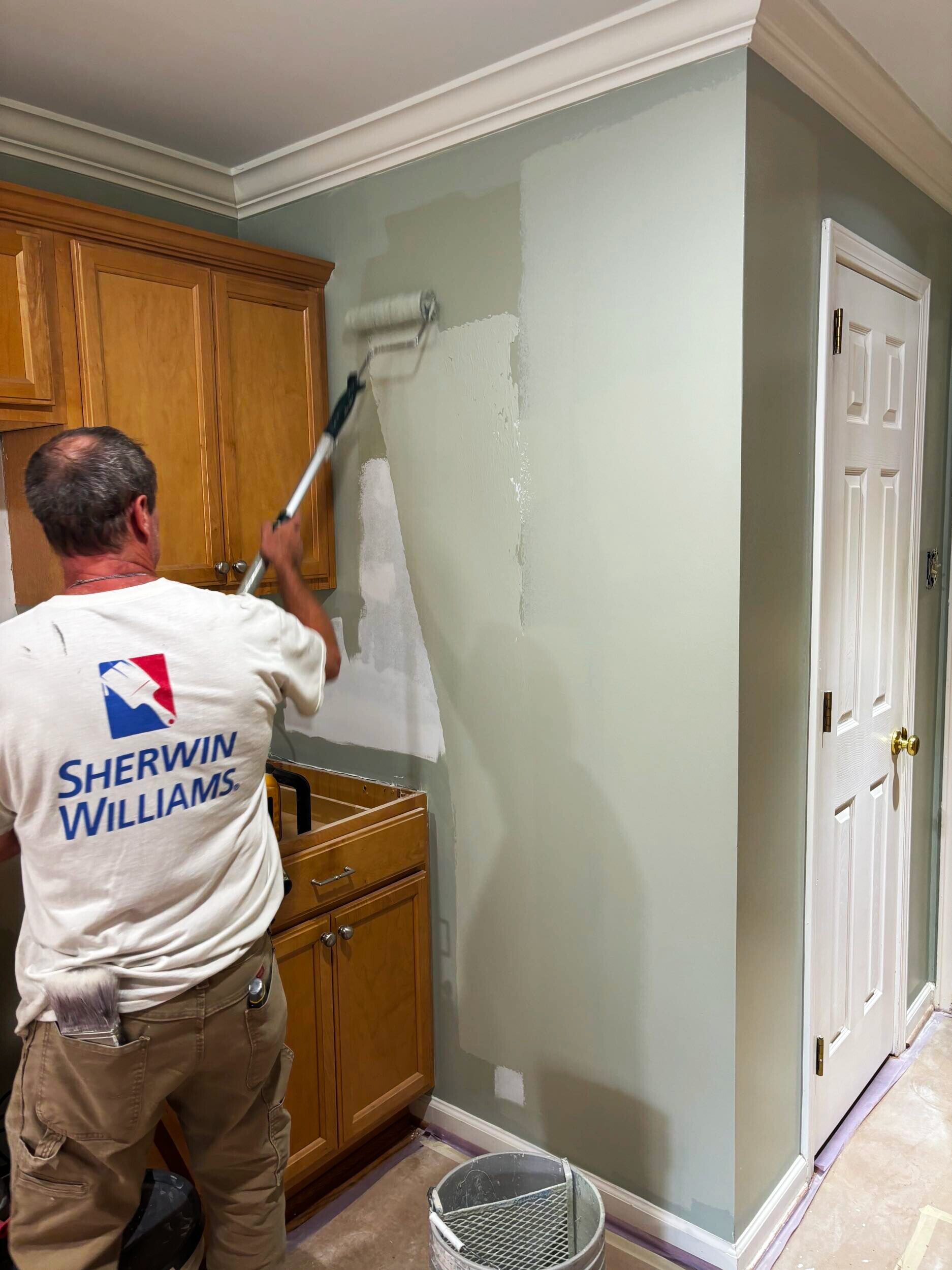
How to remodel painting is a specific type of home remodeling project that involves updating the look and feel of a room or space through a fresh coat of paint. It's a great way to transform a space without a major renovation, and it can be a fun and creative process. But, it's important to know what you're getting into and how to navigate the world of painting contractors and costs.
The first step is to assess the scope of your project. Consider the size of the space, the number of rooms, and the type of paint you want to use. This will impact the overall cost and the time it takes to complete the job. You'll also need to decide if you want to tackle the project yourself or hire a professional.
Hiring a Contractor
If you decide to hire a contractor, there are a few things to keep in mind. First, get multiple quotes. Compare prices, but also consider the quality of the work and the reputation of the company. Check online reviews and ask for references. A good contractor will be transparent about their process and pricing.
When comparing quotes, look for a detailed breakdown of the costs. This should include labor, materials, and any additional services like preparation work or special finishes. Make sure the quotes are for the same scope of work so you can make an apples-to-apples comparison.
Company Names and Reputation
The construction and remodeling industry is full of companies with unique names. A good company name should be memorable, easy to spell and pronounce, and reflect the nature of the business. It's also important to check the availability of the name and secure the relevant domain and local business registrations.
Some example names could be:
- Brushstroke Builders
- Colorful Creations
- Fresh Coat Pros
- Paint Perfect Pros
- Wall Wizards
- The Paint Pros
Construction Jobs and Salaries
The construction industry offers a range of jobs, from general contractors to estimators and project managers. Salaries can vary depending on experience, location, and the size of the company. It's a diverse industry with opportunities for growth and specialization. Many construction companies post job openings on their websites, and there are also dedicated construction job boards online.
Industry Tools and Data
Tools like RSMeans provide valuable data for the construction industry. They offer cost databases and escalation tools that help contractors and estimators calculate and manage project costs. This data is essential for accurate quotes and project planning. It ensures that costs are estimated correctly and that projects are profitable.
Large vs. Small Companies
The construction industry is diverse, with both large and small companies. Large companies often have more resources, allowing them to take on bigger projects and offer a wider range of services. They may also have more specialized staff. Small companies, on the other hand, can offer a more personalized service and may be more flexible in their approach.
Final Thoughts
How to remodel painting is a great way to update your home, and with the right approach, it can be a smooth and satisfying process. Remember to do your research, get multiple quotes, and choose a contractor who suits your needs and budget. It's a fun project that can really transform a space, so enjoy the process and the results!
Related: Bond Angle Chart: A Quick Reference Guide
A bond angle chart is a handy tool for anyone delving into the world of molecular geometry. It's a simple yet powerful visual guide, offering a quick reference to those crucial bond angles.
This guide will show you how to read and interpret these charts, ensuring you can apply the information accurately. While there may be some variation in values and formats, depending on the context, the core principles remain the same. So, let's explore the world of bond angle charts and unlock their potential!
Bond Angle Chart: A Quick Overview
The bond angle chart is a valuable tool for anyone working with molecular structures and chemical bonds. It provides a visual representation of the typical bond angles found in various molecular geometries. This chart serves as a quick reference guide, offering a snapshot of the expected angles between atoms in different molecules. By using this chart, you can easily compare and identify the bond angles in your molecular models or diagrams.
Comparing Chart Formats and Standards
There are a few variations in the presentation of bond angle charts, primarily due to different standards and conventions. Some charts use degrees (°) as the unit of measurement, while others may opt for radians. Additionally, the layout and organization of the charts can differ. Common formats include tables with columns for bond types and their corresponding angles, or diagrams with visual representations of molecular structures and their associated angles. It's essential to ensure you are using the correct chart for your specific needs and region.
Step-by-Step Guide: Using the Bond Angle Chart
Here's a simple process to utilize the bond angle chart:
Identify the type of bond you are working with. This could be a single bond, double bond, or a specific functional group.
Locate the relevant section on the chart that corresponds to your bond type.
Find the specific molecule or compound you are interested in. Charts often organize molecules by their molecular formula or common name.
Read the bond angle value associated with the molecule. This value represents the typical angle between the atoms in that bond.
Use this information to verify or estimate the bond angle in your molecular models or calculations.
Common Misreadings and How to Avoid Them
While the bond angle chart is a useful tool, it's important to be aware of potential pitfalls. One common mistake is assuming that the chart provides exact values for every molecule. In reality, bond angles can vary slightly due to factors like molecular environment and specific conditions. Treat the chart as a general guide, and be prepared to make adjustments based on your specific scenario. Another pitfall is using the wrong chart for your region or standard. Always double-check the units and ensure you are using a chart that aligns with your measurement system.
Factors Affecting Accuracy and Real-World Use
Several factors can influence the accuracy of the bond angle chart and its practical application:
Molecular Environment: The surrounding atoms and their arrangement can impact bond angles. For instance, a molecule in a crowded environment may have slightly different bond angles compared to an isolated molecule.
Bond Type and Hybridization: Different bond types, such as single, double, or triple bonds, often exhibit distinct bond angles. Additionally, the hybridization of the central atom (e.g., sp, sp2, sp3) can affect the overall molecular geometry and, consequently, the bond angles.
Standard Deviation: While the chart provides typical bond angles, there can be variations. Standard deviation represents the range of values within which most bond angles fall. Understanding this deviation is crucial for interpreting the data accurately.
Choosing the Right Format for Your Needs
When selecting a bond angle chart, consider your specific requirements and preferences:
Visual vs. Tabular: Some individuals may find visual diagrams more intuitive, while others prefer the simplicity of a tabular format. Choose the style that best suits your learning style and the nature of your work.
Level of Detail: Depending on your expertise and the complexity of your work, you might opt for a more detailed chart that includes a wider range of molecules and bond types. Beginners may benefit from a simpler chart focused on common molecules and basic bond angles.
Standard and Region: Ensure the chart you choose aligns with the standard and region you are working in. This ensures the units and values are consistent with your measurements and calculations.
Well, that's a wrap on our bond angle chart adventure! We've covered a lot of ground, from understanding the basics to mastering the art of accurate readings. Remember, it's always a good idea to double-check your specific needs and context. The exact values might differ slightly, so stay alert and adapt to your unique situation.
Feel free to explore our other guides and resources. We've got a bunch of practical tips and tricks to offer, so take a look and keep learning! It's all about finding the right tools for the job, and we're here to help you on that path.
Related: A Guide to Red Wine Chart: Quick Reference
You're here because you need a quick guide, a reliable tool, to navigate the world of red wine. And what better way to do that than with a red wine chart? This handy reference, a simple yet effective visual, is your key to understanding and appreciating the nuances of red wines. From the classic Bordeaux to the bold Australian Shiraz, the chart helps you explore and compare, offering a quick glimpse into the world of wine colors, intensities, and hues.
Understanding the Red Wine Chart: A Practical Guide
The red wine chart is a handy tool for wine enthusiasts and professionals alike. It provides a visual representation of the colors and hues commonly found in red wines, offering a quick reference guide to help identify and categorize different wine styles. This chart is a valuable resource for anyone looking to expand their wine knowledge and make more informed choices.
Comparing Wine Colors and Intensity
The red wine color scale typically features a range of shades, from light ruby to deep garnet, and sometimes even includes variations of purple and brown. These colors indicate the wine's intensity and can give clues about its age, grape variety, and even the region it comes from. For instance, a bright, youthful ruby red might suggest a young, fruity wine, while a darker, more mature garnet could indicate an aged, complex vintage.
How to Read and Use the Red Wine Chart
To utilize the red wine chart effectively, follow these simple steps:
Start by identifying the primary color of your wine. Is it a light ruby, a vibrant crimson, or perhaps a dark, almost black shade?
Next, look for any secondary hues. These could be hints of orange, brown, or even blue tints, which can further refine your assessment.
Consider the wine's overall intensity. Is it a pale, almost translucent red, or a rich, opaque color? This can be a key indicator of the wine's body and flavor profile.
Finally, cross-reference your observations with the chart. Match the colors and intensity to the corresponding descriptions or categories provided.
Avoiding Common Misreadings
While the red wine color wheel is a useful tool, it's important to remember that wine colors can be subjective and influenced by various factors. Lighting conditions, the wine's age, and even the glassware can impact how we perceive its color. To avoid misreading, ensure you're viewing the wine in natural light and consider the context. If a wine appears lighter or darker than expected, it might be a sign of a unique characteristic or an indication that the wine is evolving.
Factors Affecting Accuracy
The accuracy of the red wine chart relies on several key factors. Firstly, the chart's effectiveness depends on the standard being used. Different regions and wine-making traditions may have their own color scales and terminology. Always refer to the specific chart's guidelines and ensure you're using the correct reference for your region or wine style. Additionally, the wine's age and storage conditions can significantly impact its color, so consider these factors when interpreting the chart.
So, there you have it! A handy red wine chart to guide you through the world of wine. With this simple tool, you can quickly compare and understand the different options and formats.
Remember, when using this chart, it's always a good idea to consider your personal preferences and the specific context. Exact values may vary, so double-check the standards or sources relevant to your needs. Mark this page as a favorite, and you'll always have a quick reference guide at your fingertips for your wine adventures!