


Minion Pumpkin Carving Stencil Overview
A beard length chart is a handy tool for anyone wanting to navigate the world of facial hair with precision. This guide will provide an overview of these charts, explaining their purpose and how they can assist in achieving the desired beard style.
They offer a visual representation, often with measurements, to help individuals understand and communicate their preferred beard length. Whether you're aiming for a specific beard growth stage or seeking a particular style, these charts provide a reliable reference, ensuring you get the look you want.
Understanding Beard Length Charts
A beard length chart is a valuable tool for those looking to achieve and maintain their desired facial hair style. It provides a visual guide to help you understand and measure the length of your beard, offering a practical reference for trimming and styling.
Key Details and Categories
The chart typically displays different beard lengths, often categorized into stages or styles. These categories may include terms like "stubble," "medium," and "full beard," each representing a specific range of lengths. The units used are usually inches or centimeters, depending on the standard followed. It's essential to know your preferred unit of measurement to accurately interpret the chart.
Reading and Applying the Beard Length Chart
To use the beard length chart, follow these steps:
- Identify your current beard growth stage. Examine your facial hair and determine if it falls into the stubble, short, medium, or long category.
- Measure your beard length. Use a ruler or measuring tape to get an accurate reading. Ensure you measure from the same point on your face each time for consistency.
- Compare your measurement to the chart. Find the category that matches your beard length and refer to the corresponding style or stage.
- Trim and style accordingly. Use the chart as a guide to achieve the desired length and shape. Remember, it's a reference, so adjust as needed to suit your face shape and personal preference.
Variations and Differences
It's important to note that beard length charts may vary depending on the standard or source. Common styles and categories may differ slightly, and the exact measurements can vary between charts. Additionally, individual factors like face shape, hair texture, and personal preference can influence how you interpret and apply the chart. Here are some key factors to consider:
- Beard growth stages: Everyone's facial hair grows at a different rate, so your experience may vary from the chart's timeline.
- Facial hair length guide: Some charts provide more detailed guides, offering precise measurements for various lengths.
- Standard beard lengths: These can differ between regions and cultures, so be mindful of the standard being referenced.
- Beard style chart: This can offer a more comprehensive view of different styles and their associated lengths.
- Beard growth timeline: Remember that growth rates can vary, so use the timeline as a general guide.
When using a beard length chart, always refer to the specific standard or source to ensure accuracy. While charts provide a helpful framework, they may not cover every unique situation. Trust your judgment and adjust as needed to achieve your desired look.
While the chart provides a handy reference, it's important to remember that these measurements are not set in stone. Exact details may vary slightly depending on the context and the individual's unique facial features.
Feel free to bookmark this page for future use. We have many other practical guides and charts to explore, so be sure to check them out for more helpful tips and tricks!
Related: How to Read a Chest Size Chart?
You're probably here because you need a quick answer, and who can blame you? A chest size chart is a handy tool, offering a simple visual guide to understanding bra sizes and fit. It's a reference that can save you time and ensure you get the right size, every time. These charts can vary slightly, but they're an essential guide for anyone wanting an accurate bra size and a comfortable fit.
Understanding the Chest Size Chart
The chest size chart is a handy tool to help you find the right fit for clothing and accessories, especially when shopping online. It provides a reference for measuring and understanding your chest size, ensuring you make informed choices. This chart is particularly useful for women's sizing, including bra size charts, but it can also guide men's clothing choices.
Comparing Measurement Standards
Measurement standards can vary depending on the region and manufacturer. For example, the US and international (metric) systems have different size categories and ranges. The chest size chart typically includes both systems, making it versatile. It's essential to check which standard is being used to ensure accuracy.
Measuring Accurately: A Step-by-Step Guide
- Prepare a flexible measuring tape. Ensure it's not too tight or loose.
- Stand in a relaxed position, with your arms slightly away from your sides.
- Measure the fullest part of your chest, usually across the nipple line.
- Wrap the tape around your body, ensuring it's level and parallel to the floor.
- Take the measurement in inches or centimeters, depending on the standard.
- Refer to the chest size chart to find your size. It will provide a range of measurements and corresponding sizes.
- If you fall between sizes, consider the fabric's stretch and your personal preference for a snug or loose fit.
Common Mistakes and How to Avoid Them
One common mistake is measuring too tightly or too loosely. This can lead to an inaccurate reading and an ill-fitting garment. Always ensure the tape is snug but not constricting. Another pitfall is assuming all brands use the same sizing. Different manufacturers may have slight variations, so it's best to refer to their specific size charts. Additionally, some charts may not cover all body types, so be mindful of any special considerations you may have.
Factors Affecting Accuracy and Real-World Use
Several factors can influence the accuracy of your chest size measurement. These include your posture during measurement, the type of clothing you're wearing, and any recent weight changes. It's essential to stand upright and maintain a consistent posture. The fabric of your clothing can also affect the measurement, so consider measuring over a thin, form-fitting garment. If you've recently gained or lost weight, your chest size may have changed, so it's beneficial to remeasure periodically.
So, now you're equipped with a handy chest size chart and the knowledge to use it effectively. Remember, these charts provide a great starting point, but it's always wise to consider your unique needs and measurements.
Don't forget to check out our other guides for more practical tips and insights. We've got a range of topics to explore, so feel free to browse and discover something new!
Related: How to use a box chart maker?
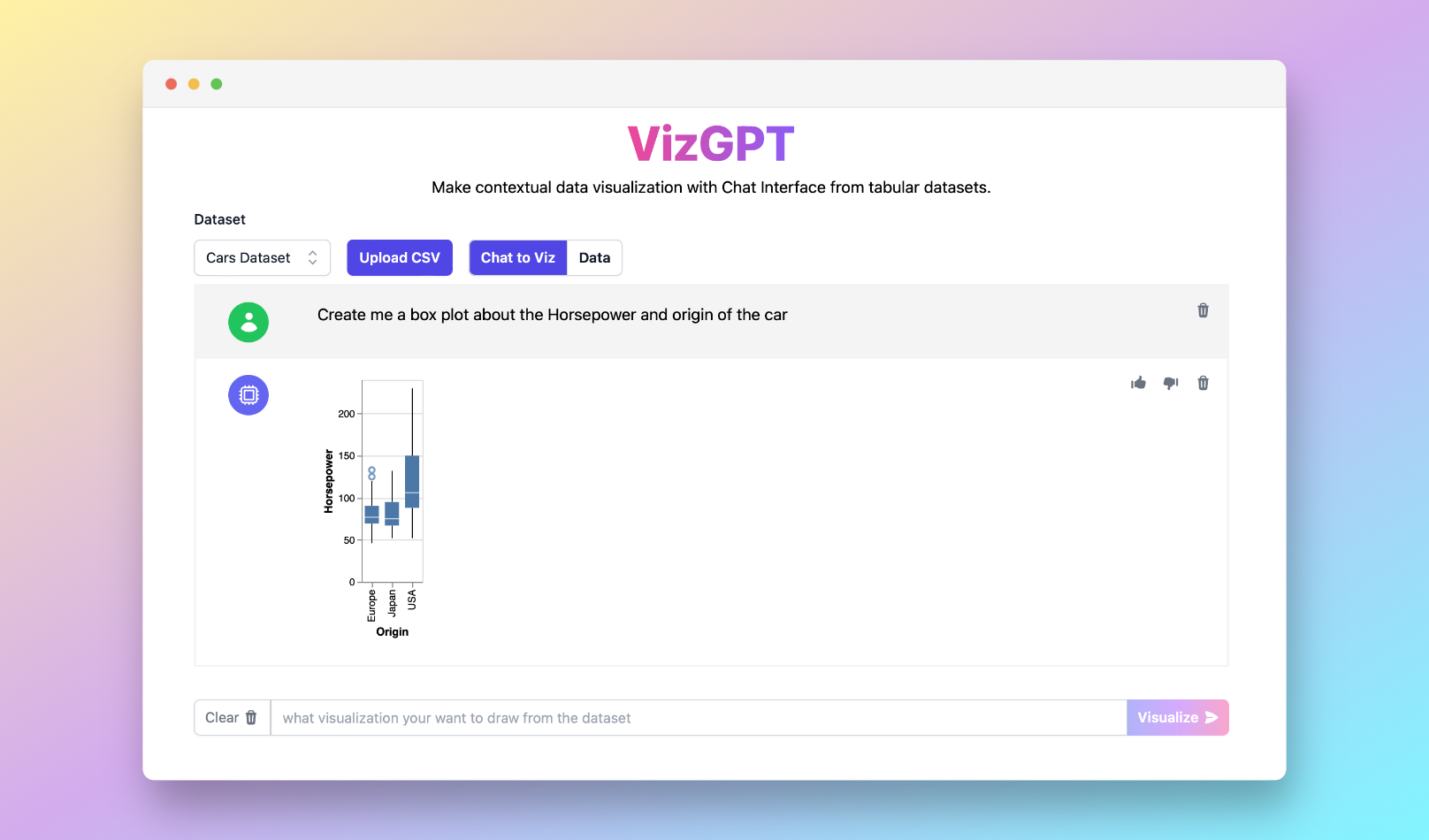
You're probably here because you need a quick solution, right? Well, a box chart maker is your tool for an efficient and visual representation of data. It's a simple yet powerful way to display and understand statistical information. This type of chart, also known as a box plot or whisker plot, provides a clear overview, especially when you need to compare multiple sets of data. The beauty of it is its versatility; you can tailor it to your needs, and the values can adapt to different contexts.
What is a Box Chart Maker?
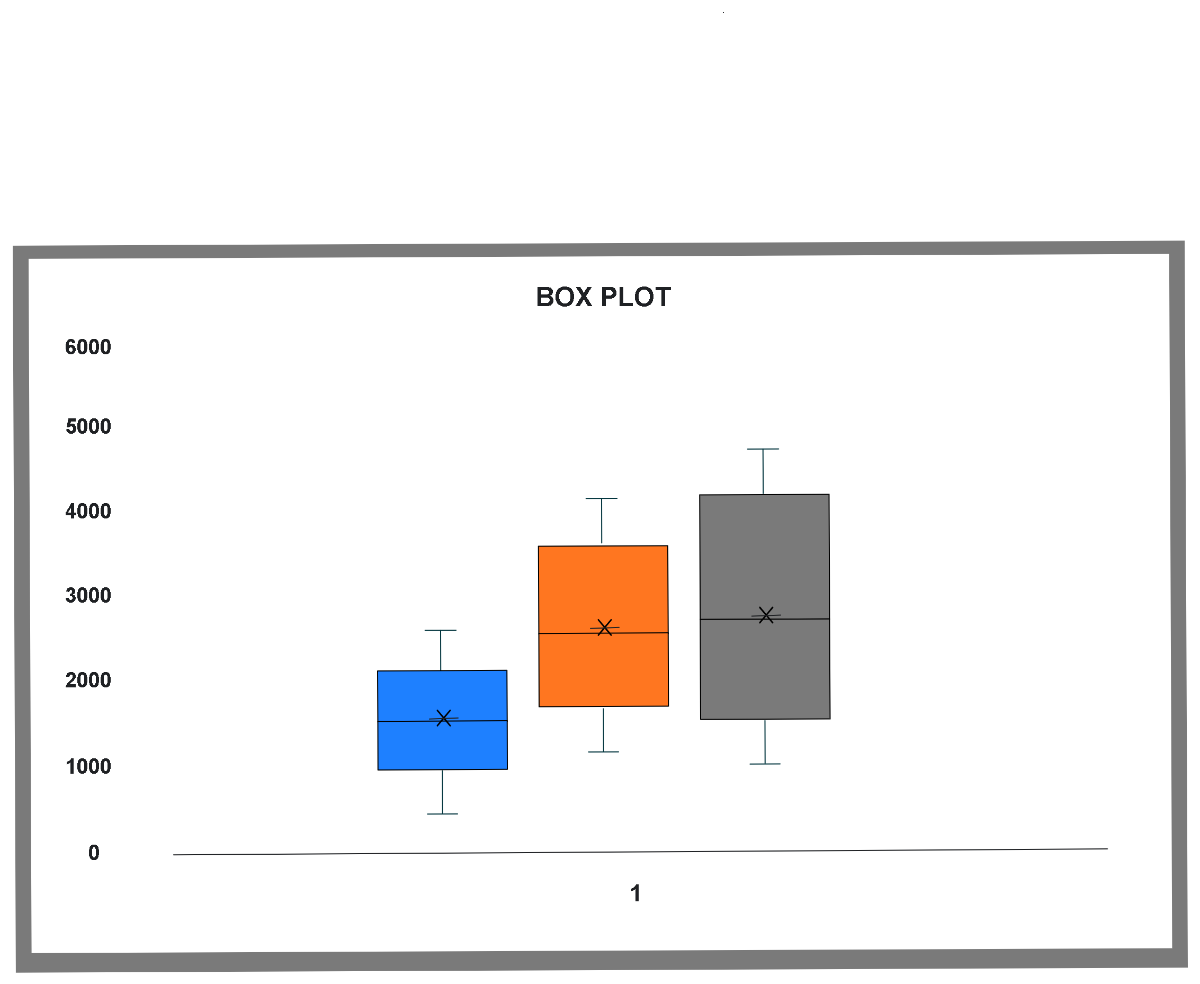
A box chart maker is a handy tool that generates box and whisker diagrams, a type of statistical data visualization. These diagrams provide a clear, concise way to understand the distribution of a dataset and are especially useful for comparing multiple datasets.
Key Details and Categories
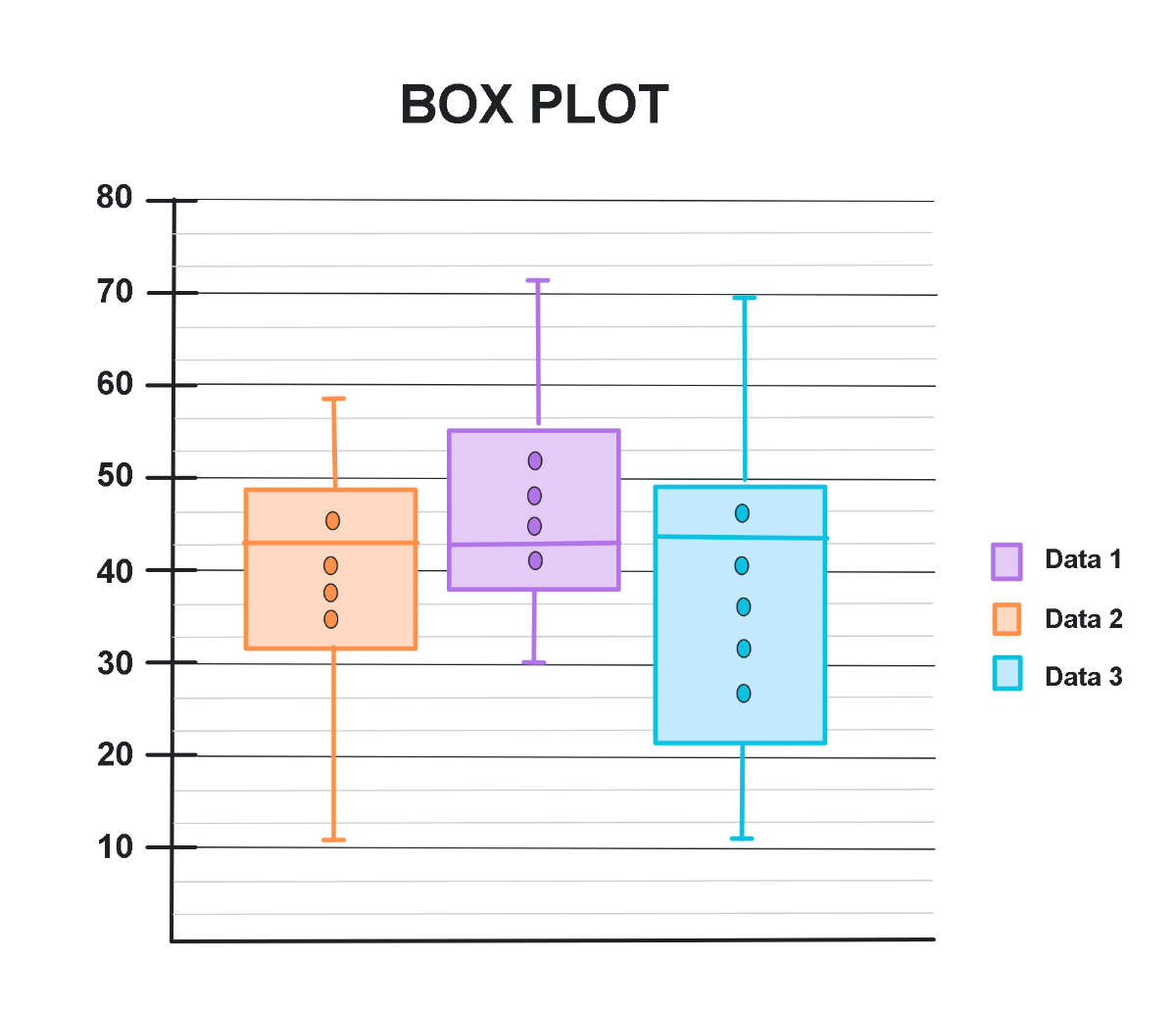
Before we dive into the details, let's establish some basics. A box plot, also known as a box and whisker diagram, typically displays five key values: the minimum, the first quartile (Q1), the median (Q2), the third quartile (Q3), and the maximum. These values are represented by different parts of the box plot: the box itself, the median line, and the whiskers. The box represents the interquartile range (IQR), which is the range between Q1 and Q3. Outliers, if any, are shown as individual points beyond the whiskers.
Understanding Box Plots: A Step-by-Step Guide
Here's a simple guide to reading and interpreting a box chart:
- Start with the median line. This line divides the box into two equal parts and represents the middle value of the dataset.
- Next, look at the box. The bottom of the box represents Q1, and the top represents Q3. The IQR gives an idea of the dataset's spread.
- The whiskers extend from the box to the minimum and maximum values. They provide a visual representation of the range of the data.
- Finally, any outliers are shown as individual points. These are values that fall outside the typical range and can indicate unusual or extreme data points.
Common Box Chart Variations and Differences
While the basic structure of a box plot remains consistent, there are some variations and standards to be aware of. Different fields and industries may use slightly different conventions, especially when it comes to defining outliers and handling extreme values. For instance, some plots may use different symbols or colors to indicate outliers, while others may extend the whiskers to a certain multiple of the IQR. It's essential to understand the specific conventions being used to ensure accurate interpretation. Additionally, when comparing box plots, it's crucial to ensure that the scales and units are consistent to avoid misinterpretation.
Remember, box chart maker tools are a great way to quickly visualize and compare datasets, but it's always a good idea to double-check the specific standards and conventions being used to ensure accurate analysis.
Hey there! We've covered a lot of ground on box charts, and I hope you feel ready to tackle any chart-making challenge that comes your way. Remember, while the basics remain the same, the exact details might shift a little depending on your specific needs and the context you're working in.
So, the next time you need a quick refresher, feel free to bookmark this page. It's always here to help, and there are plenty more guides to explore too!