




Miraculous Ladybug Coloring Sheet Overview
A common pitfall when using a Puma size chart is assuming that one standard size fits all. This is a mistake many of us have made, and it's an easy trap to fall into, especially with the variety of sizing systems out there. The Puma size chart, a simple yet essential tool, offers a reliable guide to ensure you find the perfect fit for your Puma gear. It's a quick reference, but one that can make a big difference in your comfort and confidence.
Understanding the Puma Size Chart: Your Guide to Perfect Fit
The Puma size chart is a valuable tool for anyone looking to purchase Puma footwear or apparel. It provides a clear and concise guide to help you find your ideal size, ensuring a comfortable and well-fitted product. This chart is designed to offer a standardized sizing system, making it easier for customers to navigate Puma's range.
Comparing Size Standards: International vs. US
Puma size charts typically follow two main standards: the international or metric system and the US sizing system. These charts provide conversions between the two, ensuring a seamless shopping experience for customers worldwide. The international system uses centimeters (cm) for length measurements, while the US system relies on numerical sizes.
Step-by-Step Guide to Using the Puma Size Chart
To accurately use the Puma size chart, follow these simple steps:
Identify the type of product you wish to purchase. Puma's size charts cater to various items, including shoes, clothing, and accessories.
Locate the specific size chart for your chosen product. Puma provides separate charts for men's, women's, and kids' sizes, ensuring an accurate fit for all.
Measure your body or feet, depending on the product. For shoes, measure your foot length accurately, ensuring you stand up straight and measure both feet, as sizes may vary slightly.
Refer to the size chart and find your measurement. The chart will provide a range of sizes with corresponding measurements. Choose the size that aligns with your measurement, ensuring a comfortable fit.
Consider any additional fit preferences. Puma's size charts offer guidance on whether a particular style runs small, large, or true to size. This information helps you make an informed decision.
Common Misreadings and How to Avoid Them
While the Puma size chart is straightforward, a few common misreadings can occur:
Shoe size variations: Shoe sizes can vary slightly between brands, so always refer to Puma's specific chart. Don't assume your usual size will fit perfectly.
Clothing size differences: Clothing sizes can be influenced by various factors, such as style, fabric, and fit preferences. Puma's size guide offers helpful tips to ensure an accurate fit.
Kids' sizes: Children's growth can be rapid, so regular measurements are essential. Puma's kids' size chart provides age and height ranges to help you choose the right size.
Remember, while the Puma size chart is a valuable tool, it's always a good idea to double-check specific product details and customer reviews for any unique sizing considerations.
While every effort has been made to ensure the accuracy of this guide, it's important to note that exact details can differ slightly depending on the specific product or brand you're dealing with. Puma's size charts are a great starting point, but always double-check with the manufacturer's guidelines for the most precise fit.
Remember, this is a handy reference, so feel free to bookmark this page for future use. It's a quick and easy way to ensure you're getting the right size, and it's always good to have these practical guides on hand. For more helpful tips and tricks, be sure to explore our other guides too!
Related: Understand My Norton Chart: A Simple Guide
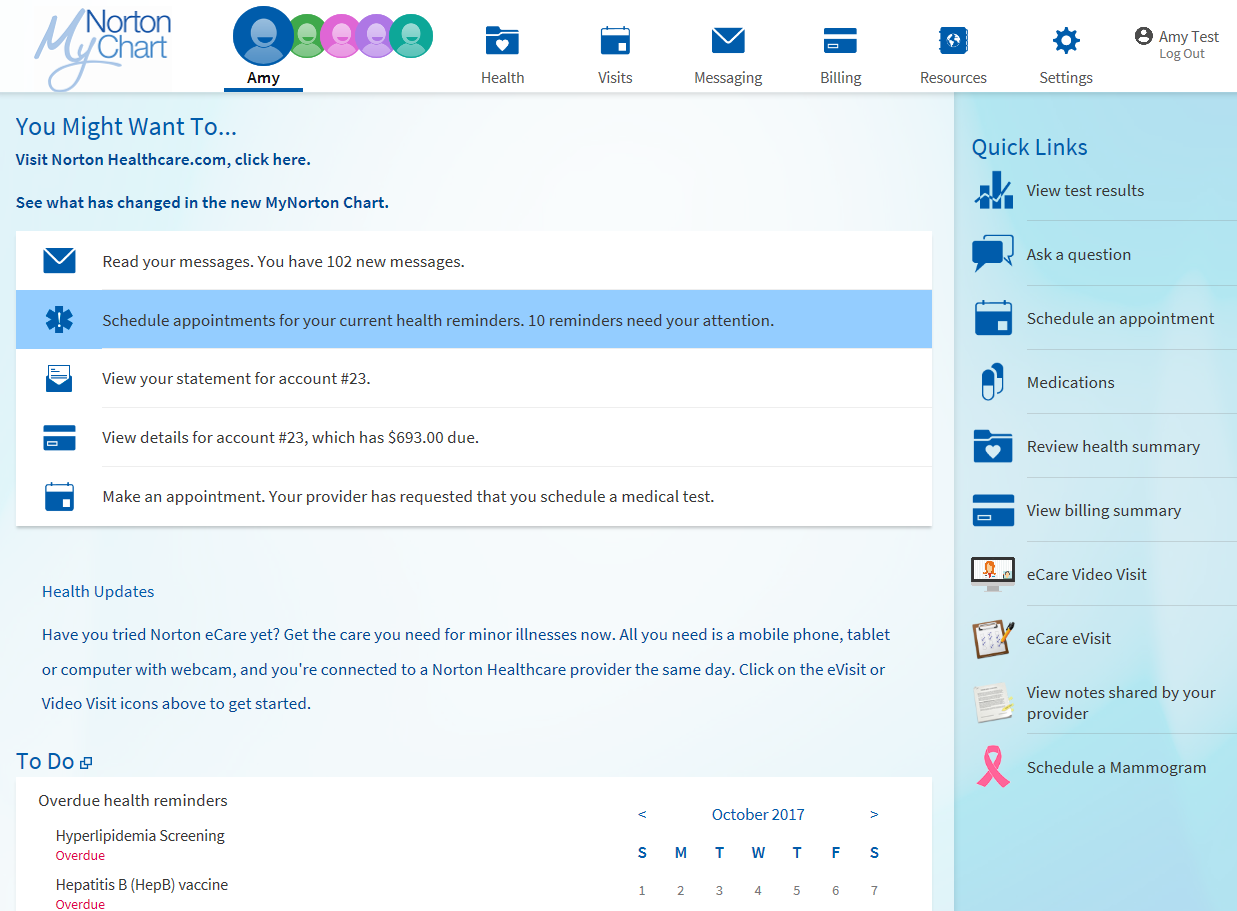
You're here because you need a reliable reference for my Norton chart, a trusted tool for material hardness testing. Whether it's a quick check or a detailed task, this chart is your go-to guide. It offers a clear, visual representation of hardness values, often using the Norton hardness scale, and can include various other scales like Rockwell and Brinell. While the specific values may vary depending on your region or industry standards, the chart's format remains a consistent and valuable resource.
My Norton Chart: An Overview
The My Norton Chart is a valuable tool used in material hardness testing, providing a quick and efficient way to determine the hardness of various materials. This chart is particularly useful for engineers, metallurgists, and quality control professionals who need to assess material properties. It offers a standardized scale, the Norton Hardness Scale, which allows for easy comparison and interpretation of results.
Comparing Hardness Scales and Formats
When it comes to material hardness testing, there are different scales and formats available. The My Norton Chart utilizes the Norton Hardness Scale, which is often compared to other popular scales like the Rockwell and Brinell hardness scales. Each scale has its own advantages and is suitable for specific applications. The Norton scale provides a unique and comprehensive approach, offering a wide range of values and categories.
Step-by-Step Guide to Using My Norton Chart
To accurately use My Norton Chart, follow these steps:
- Identify the material you wish to test. Different materials have varying hardness properties, so it's essential to know what you're working with.
- Select the appropriate test method. The Norton scale offers different test methods, such as indentation or rebound testing, depending on the material's characteristics.
- Perform the hardness test. Follow the specific procedure for your chosen method, ensuring accurate and consistent testing conditions.
- Record the test results. The Norton scale provides a reference table with corresponding hardness values. Match your test result to the appropriate value on the chart.
- Interpret the results. The hardness value obtained can be compared to standard specifications or material requirements to assess its suitability for your application.
Avoiding Common Misreadings and Pitfalls
While My Norton Chart is a reliable tool, there are a few potential pitfalls to be aware of:
- Ensure you are using the correct version of the chart for your region or industry. Different standards may have slight variations, so double-check the applicable standard for your specific application.
- Pay attention to the units of measurement. The Norton scale typically uses the HRC (Hardness Rockwell C) scale, but conversions to other scales like Brinell or Vickers may be necessary for certain materials.
- Understand the limitations of the chart. While it provides a comprehensive range of values, extremely hard or soft materials may require additional testing methods for accurate assessment.
Factors Affecting Accuracy and Real-World Use
The accuracy of My Norton Chart depends on several key factors:
- Test Conditions: Ensure consistent testing conditions, including temperature, pressure, and sample preparation, to minimize variability.
- Material Properties: Different materials have unique characteristics, and some may require specialized testing techniques to obtain accurate results.
- Calibration and Maintenance: Regularly calibrate your testing equipment and maintain it according to manufacturer guidelines to ensure reliable readings.
- Operator Skill: Proper training and experience are essential for accurate testing and interpretation of results.
Choosing the Right Format for Specific Needs
My Norton Chart is versatile and can be adapted to specific needs. Here are some considerations:
- Standardized Formats: For general applications, the standard Norton chart provides a comprehensive overview. However, for specialized industries or materials, customized charts or tables may be more suitable.
- Digital Tools: In addition to the physical chart, digital versions or software can offer enhanced features, such as automatic conversions and data analysis.
- Conversion Tips: If you work with multiple hardness scales, having a conversion chart or tool can simplify the process and ensure accurate comparisons.
- Practical Examples: Refer to real-world examples and case studies to understand how the Norton scale is applied in various industries, helping you choose the right format for your specific application.
Well, there you have it! My Norton Chart guide aims to provide a practical and accessible reference for your projects. Remember, while the fundamentals remain consistent, the exact details may shift slightly based on your specific context.
Feel free to explore our other guides; we've got a range of topics covered, each offering a unique perspective and practical insights. Happy reading and discovering!
Related: Find the Perfect Fit: Chicos Size Chart Guide
Many shoppers may approach the chicos size chart with some hesitation, assuming it's a complex and confusing tool. However, it's quite the opposite; this chart is a straightforward and invaluable resource for anyone navigating the world of clothing sizes.
The beauty of the chicos size chart lies in its simplicity and consistency. While size charts can vary slightly across brands and regions, the Chicos chart offers a reliable and standardized guide, ensuring a seamless shopping experience for its customers. With a quick glance, you can confidently understand your size and make informed choices, whether you're shopping online or in-store.
Understanding the Chicos Size Chart
The chicos size chart is a valuable tool for anyone looking to find their perfect fit in Chicos clothing. It provides a clear and organized guide to help you determine your size based on your body measurements. By following this chart, you can ensure a comfortable and flattering fit for your Chicos wardrobe.
Key Details and Categories
The chicos sizing guide typically includes measurements for bust, waist, and hip, which are the primary categories to consider. These measurements are presented in inches or centimeters, depending on the standard being used. The chart offers a range of sizes, usually starting with smaller sizes and progressing to larger ones, covering a wide range of body types. It's important to note that Chicos, like many clothing brands, may have slight variations in their sizing charts, so always refer to the specific chart provided by Chicos for the most accurate information.
How to Read and Apply the Size Chart
To use the chicos size chart effectively, follow these steps:
- Measure your bust, waist, and hip using a measuring tape. Ensure the tape is straight and not twisted, and that it sits comfortably around your body without squeezing or sagging.
- Locate your measurements on the chart. Find the size that aligns with your bust, waist, and hip measurements. If your measurements fall between two sizes, consider the overall fit you prefer. A looser fit may be more comfortable, while a closer fit can create a more tailored look.
- Take into account the fabric and style of the garment. Some fabrics have more give, so a slightly smaller size may work, while structured garments may require a more precise fit.
- If you're between sizes or unsure, don't hesitate to contact Chicos' customer support for further guidance. They can provide additional advice based on the specific garment and your preferences.
Size Variations and Common Causes
It's important to understand that size charts can vary across brands and even within a brand's different product lines. Here are some factors that can contribute to size variations:
- Fabric and design: Different fabrics and styles can affect the fit and sizing of a garment. Stretchier fabrics may accommodate a wider range of sizes.
- Regional standards: Clothing size charts can differ based on regional standards. For example, a US size may not align perfectly with an international size chart.
- Body shape: Everyone's body is unique, and variations in body shape can impact how a size chart applies to you. Curves, height, and proportion can all influence the fit.
- Manufacturing tolerances: Even within a brand, there can be slight variations in sizing due to manufacturing processes. Always refer to the specific size chart for the garment you're interested in.
Remember, the chicos size chart is a helpful guide, but it's not an exact science. By understanding your body measurements and the factors that can influence sizing, you can make informed choices and find the perfect Chicos outfit that flatters your figure.
Chicos size charts are a handy tool to have at your disposal, especially when you need to find the perfect fit. Remember, these charts are a guide, and while they provide a consistent framework, exact values can vary.
So, before you finalize your measurements, take a moment to ensure you're using the right chart for your specific needs. With that in mind, you're all set to tackle your sizing challenges! Consider bookmarking this page for future reference; it might just save you some time and effort the next time you need to refer to a size chart.