



Miss Circle R34 Overview
You're probably here because you need a quick fix, a go-to guide for your saxophone journey. Well, the sax finger chart is your reliable companion on this path. It's a simple yet powerful tool, a map that translates those mysterious finger positions into beautiful music. Whether you're a beginner or a pro, this chart is a must-have, offering a standard fingering system that can vary slightly but is universally understood.
Understanding the Sax Finger Chart
The sax finger chart is your go-to guide for mastering saxophone finger placement. It's a visual representation, often in the form of a table or diagram, that shows you which fingers to place where to produce specific notes. Think of it as a map for your fingers on the saxophone. This chart is an essential tool for any sax player, whether you're a beginner or a pro.
Comparing Chart Formats and Standards
There are a few different types of sax finger charts, but the most common is the standard fingering system. This system is widely used and is based on the layout of the saxophone's keys and pads. It provides a clear, universal guide for players. However, there can be slight variations depending on the type of saxophone, such as alto sax fingerings or tenor sax fingerings, as well as regional differences in notation.
Using the Chart: A Step-by-Step Guide
To use the sax finger chart, follow these steps:
- Identify the note you want to play. This is usually indicated by a letter and an octave number, e.g., C4 or G#5.
- Locate the corresponding fingering on the chart. The chart will show you which keys to press and which fingers to use.
- Place your fingers on the saxophone according to the chart. Ensure a firm but relaxed grip, and pay attention to the positioning of each finger.
- Practice and memorize the fingerings for common notes. The more you practice, the more natural it will become.
- Explore alternative fingerings for advanced techniques. Some charts may include these, offering options for different sounds or easier playing.
Common Misreadings and How to Avoid Them
While the sax finger chart is a valuable tool, there are a few potential pitfalls to watch out for:
- Common Saxophone Fingerings can vary slightly between different sax models and manufacturers. Always double-check the specific fingerings for your instrument.
- Pay attention to octave indicators. Notes with the same letter but different octave numbers will have different fingerings.
- Some charts may use abbreviations or symbols. Familiarize yourself with these to avoid confusion.
- Remember that finger placement is just one aspect of playing. Breath control, embouchure, and technique also play crucial roles in producing the desired sound.
The sax finger chart is a powerful tool, but it's just one part of the learning process. With practice and patience, you'll master the art of finger placement and produce beautiful music on your saxophone.
Well, there you have it! A simple yet effective tool to keep at hand. The sax finger chart is a handy reference, offering a quick solution to those tricky finger placements.
Remember, while this guide provides a solid foundation, always consider your specific instrument and playing style. Exact values might vary, so it's worth double-checking to ensure you're covered.
Feel free to explore our other guides; we've got plenty of resources to enhance your musical journey!
Related: How to Read a Sock Size Chart?
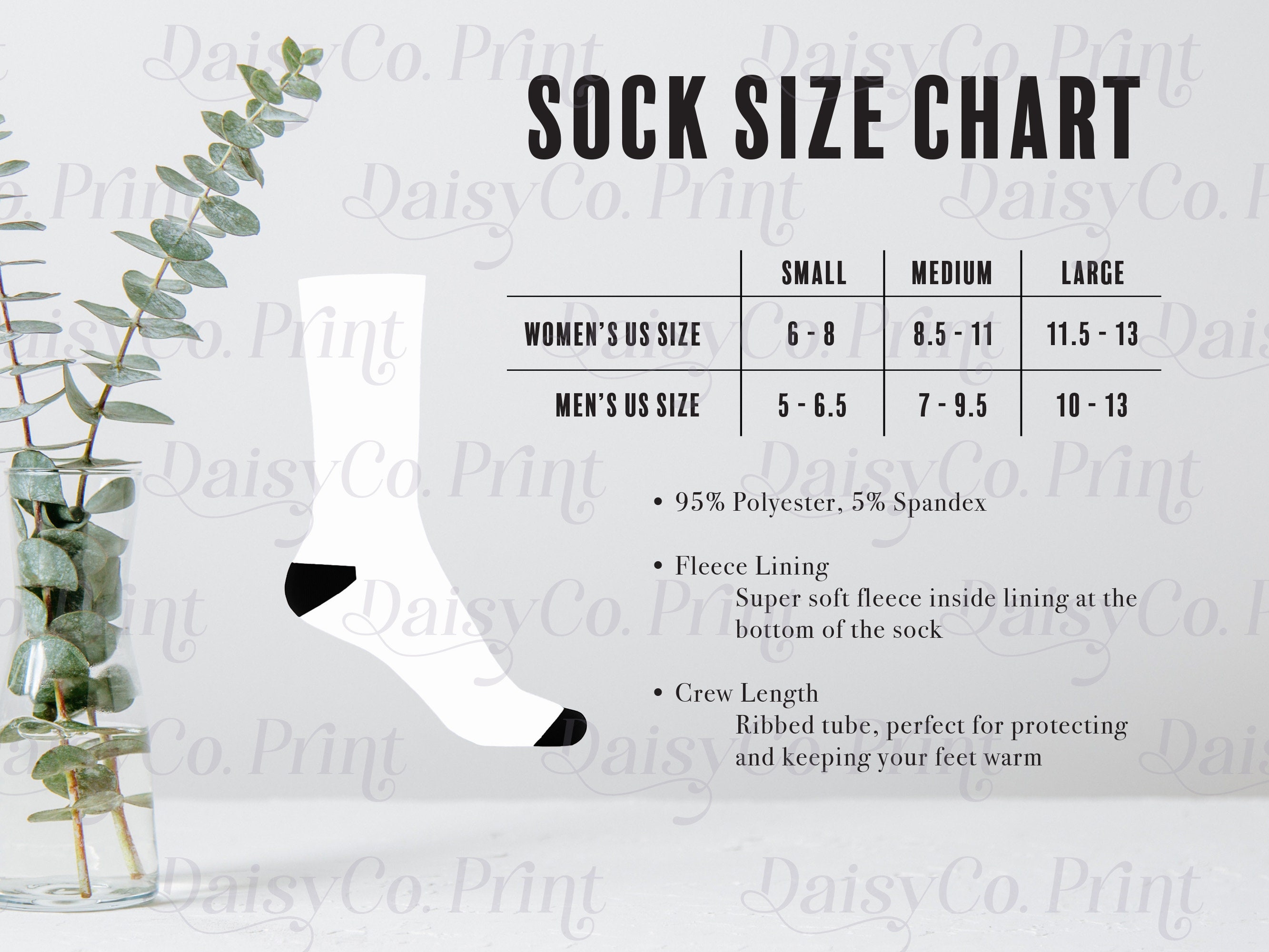
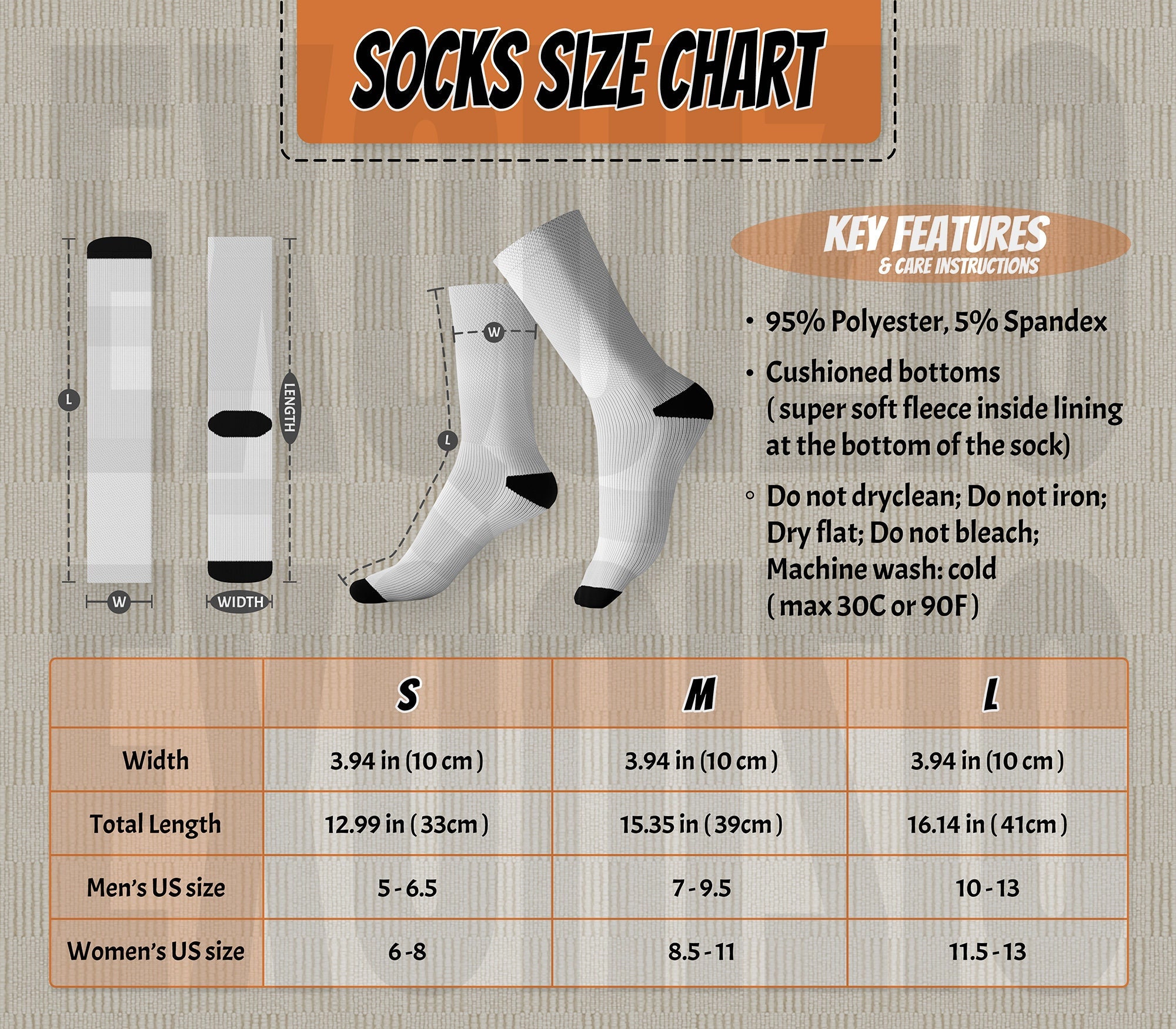
Many people overlook the importance of a sock size chart and its accuracy, often leading to ill-fitting socks and discomfort. This simple tool is your secret weapon against blisters and sore feet!
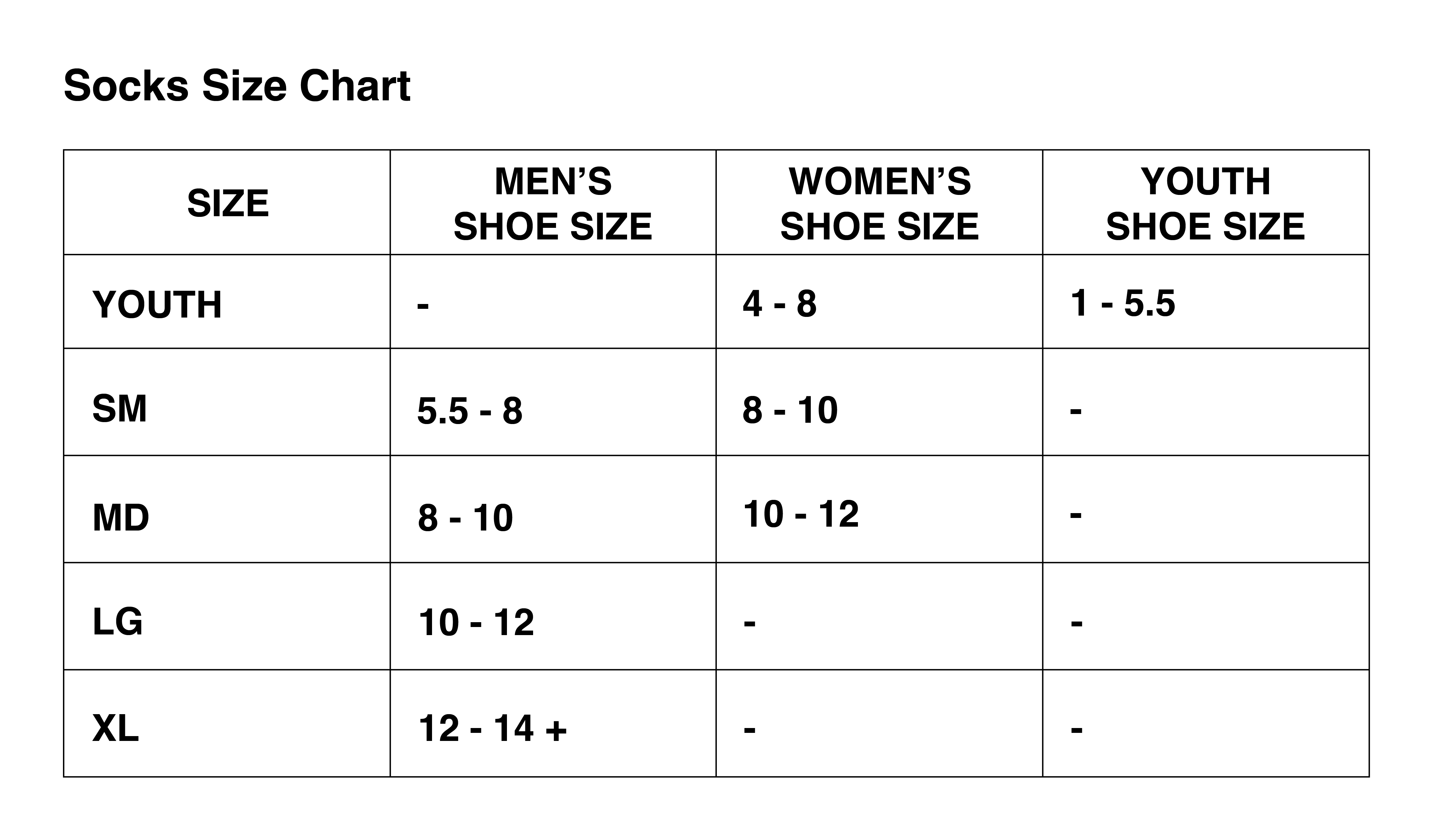
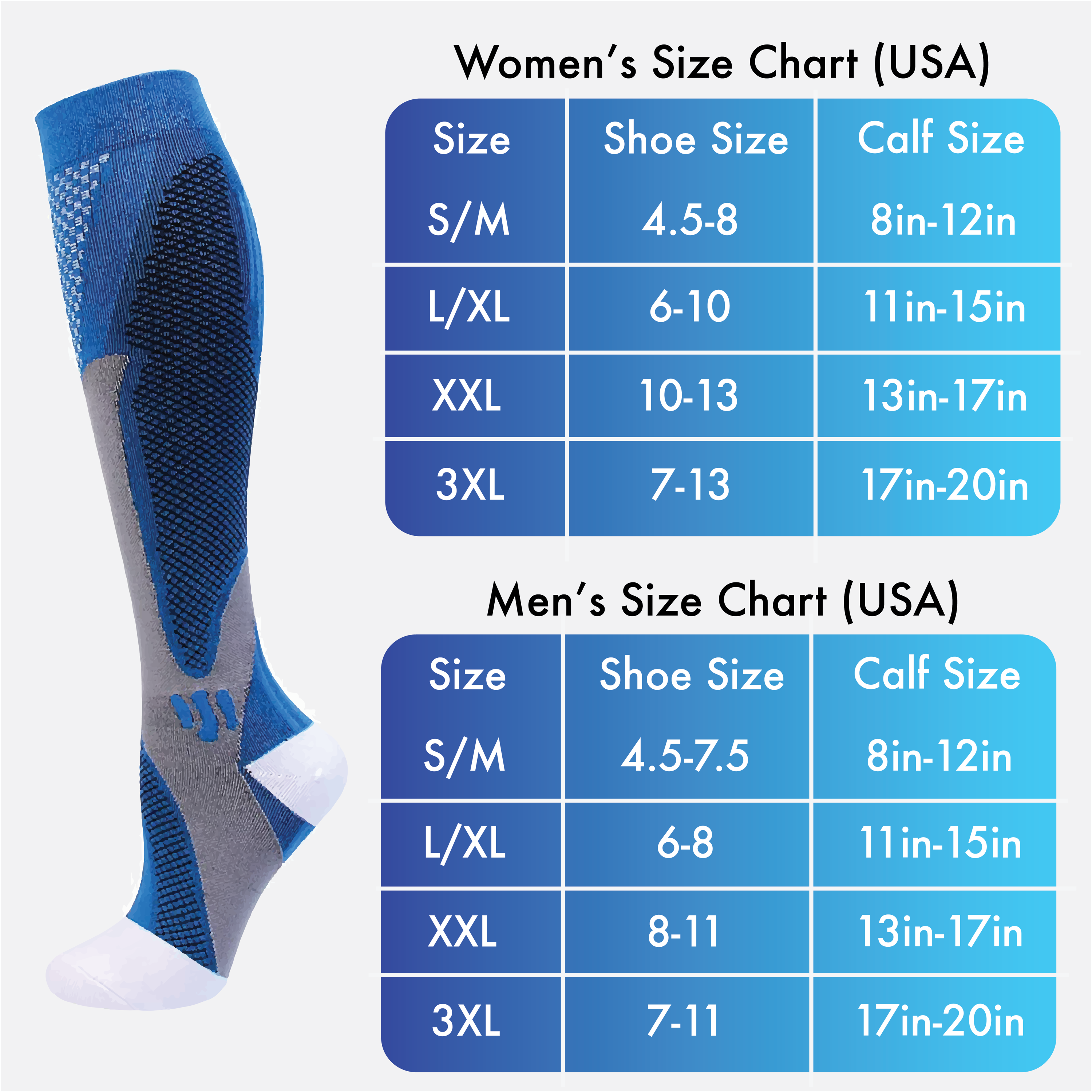
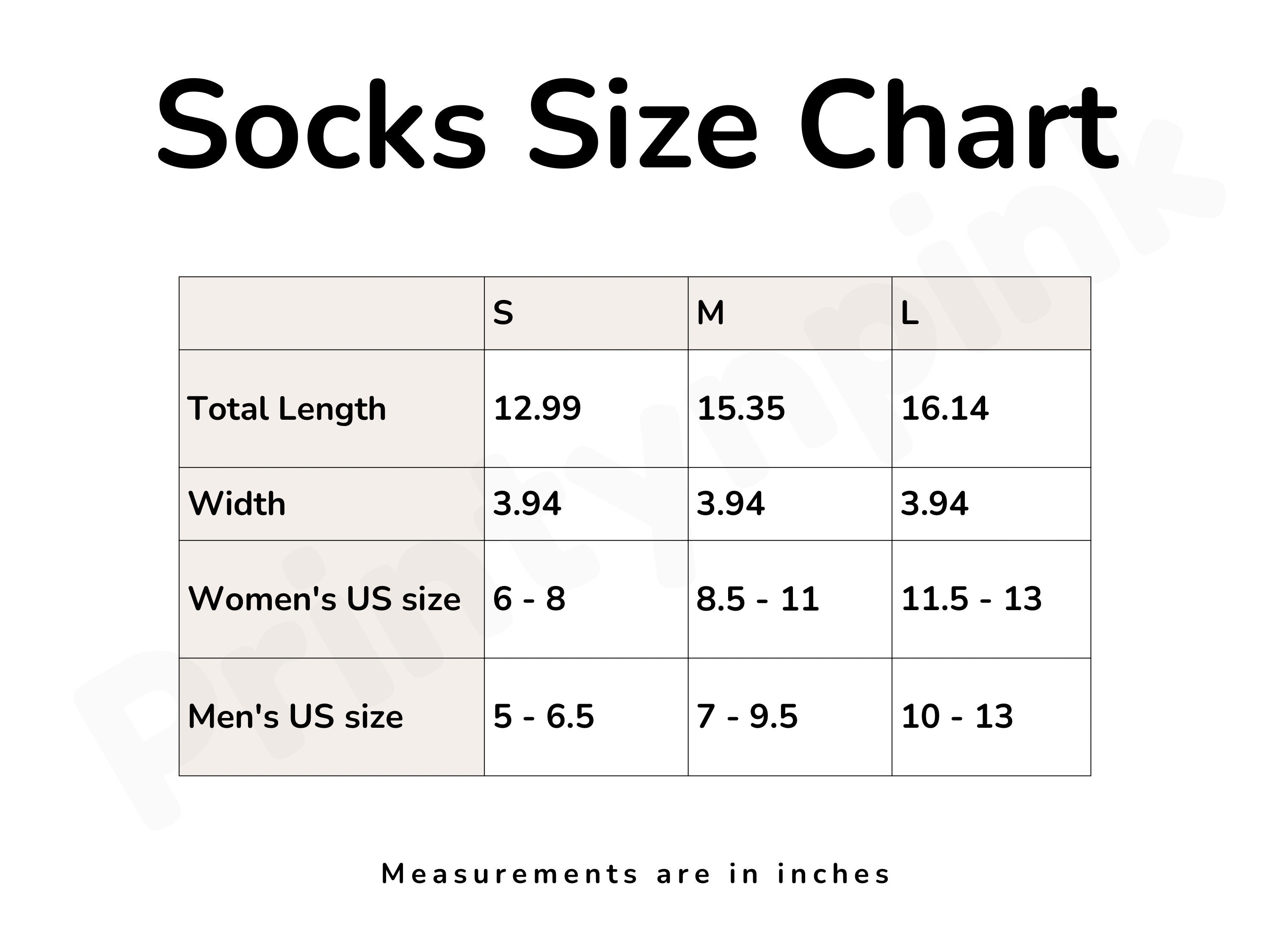
A sock size chart is a straightforward reference, yet it can vary depending on the brand and region. It's a quick guide to ensure you choose the right size, and it's especially useful when buying online. Think of it as a map to finding the perfect fit, guiding you through the process of matching your foot measurements to the right sock size.
Understanding the Sock Size Chart
A sock size chart is your go-to guide for finding the perfect fit for your feet. It's a simple tool that helps you match your foot measurements to the right sock size, ensuring comfort and avoiding any awkward bunching or slipping.
Key Details and Categories
The chart typically displays two main categories: foot length and sock size. Foot length is usually measured in centimeters (cm) or inches, and it's the distance from the heel to the tip of your longest toe. Sock size, on the other hand, is a standardized measurement that corresponds to this foot length. It's important to note that sock size charts can vary slightly depending on the region and manufacturer, so it's good to check if you're using an international sock size chart or one specific to your country.
How to Read and Apply the Chart
Using a sock size chart is straightforward:
Measure your foot length. Place your foot on a flat surface and use a ruler or measuring tape to get the distance from your heel to the longest toe.
Find your foot length on the chart. Look for the column or row that matches your measured foot length.
Identify the corresponding sock size. The intersecting row or column will give you the recommended sock size.
Choose your socks. Now you can confidently pick your socks, knowing they'll fit comfortably and snugly.
Variations and Differences
While sock size charts provide a standardized guide, there can be variations across different brands and manufacturers. Some may have slightly different size ranges or use unique sizing systems. It's always a good idea to check the brand's specific size guide, especially if you're ordering online or trying a new brand. Additionally, the type of sock (e.g., crew, ankle, or no-show) can also impact the fit, so consider the style you prefer.
Common Mistakes and How to Avoid Them
One of the most common mistakes is not measuring your foot length accurately. Ensure you're standing up and placing your foot flat on the measuring surface. Another pitfall is assuming all sock size charts are the same. Always double-check if you're using an international or regional chart, especially when shopping online or across borders. Lastly, remember that foot shape and width can also affect the fit, so consider trying on socks if possible, or opting for a brand that offers a generous return policy.
Well, that's a wrap on our sock size chart adventure! You now have the tools to ensure you're always getting the perfect fit, which is a win-win for your comfort and style.
Remember, while this guide offers a solid framework, exact values can vary slightly between different standards and sources. So, take a moment to double-check the specific requirements or guidelines relevant to your context. And there you have it—a simple yet effective way to ensure your socks are always a snug and cozy fit!
Related: Suit Size Chart: A Quick Reference Guide
You're likely here because you need a suit size chart to ensure a perfect fit, and you're right to prioritize this. A well-fitted suit is essential, and having an accurate reference is key. The chart provides a simple yet effective way to determine your size, whether you're measuring yourself or referring to a tailor's guide. It's a straightforward process, but it's worth noting that sizing can vary slightly, depending on the brand and your personal preferences. With a quick glance at the suit size chart, you can navigate the differences and find the right measurements for a suit that flatters your figure.
Understanding the Suit Size Chart: A Quick Overview
The suit size chart is an essential tool for anyone looking to purchase or tailor a suit. It provides a standardized guide to help you find the perfect fit for your body type and preferences. This chart offers a simple yet effective way to determine your suit size, ensuring a comfortable and stylish look.
Comparing Suit Size Chart Standards and Formats
Suit size charts can vary slightly depending on the region and standard being used. The most common standards are the US and EU systems, each with its own measurement units and categories. The US system typically uses inches, while the EU system employs centimeters. It's crucial to know which standard you are referring to when using a size chart.
The charts often include categories such as chest size, waist size, and jacket length, providing a comprehensive guide for both the jacket and pants. These categories are further divided into specific measurements, ensuring a precise fit. For instance, the chest size may be categorized into small, medium, and large, with corresponding numerical ranges.
Taking Accurate Measurements: A Step-by-Step Guide
To use the suit size chart accurately, follow these steps:
- Gather a measuring tape and a mirror. Ensure the tape is flexible and can conform to your body's curves.
- Measure your chest size by wrapping the tape around your chest at the widest point, usually just below your armpits. Record this measurement.
- Determine your waist size by measuring the narrowest part of your waist. This measurement is crucial for a well-fitted jacket and pants.
- For jacket length, measure from the base of your neck to where you want the jacket to end. This measurement ensures the jacket's length suits your preference and body type.
- Compare your measurements to the suit size chart's categories and ranges. Choose the size that best aligns with your measurements for a comfortable and stylish fit.
Common Misreadings and How to Avoid Them
Misinterpreting the suit size chart is common, especially when dealing with different standards and measurement units. Always ensure you are using the correct standard for your region or the manufacturer's specifications.
Another pitfall is assuming that one size fits all. Suit sizes can vary between brands and styles, so it's essential to double-check the exact specifications, especially when ordering online. Additionally, remember that the chart provides a guide, and slight variations are normal.
Key Factors Affecting Accuracy and Real-World Use
- Suit measurement guide: Ensure you follow the guide accurately, taking precise measurements.
- Common size variations: Suit sizes can differ between brands, so always check the manufacturer's size guide.
- Pant waist size: This measurement is crucial for a comfortable fit and should be considered carefully.
- Standard suit sizing: While charts provide a standard, individual body shapes and preferences may require adjustments.
- Cm to inches conversion: If you are used to one unit of measurement, ensure you understand the conversion when referring to a different standard.
Adapting the Chart for Your Specific Needs
The suit size chart is a versatile tool, and you can adapt it to suit your preferences and body type. If you prefer a more tailored look, you can use the chart as a starting point and make adjustments based on your measurements.
For instance, if you have a broader chest and a narrower waist, you may need to size up for the jacket and size down for the pants. The chart provides a foundation, but it's essential to consider your unique body shape and style choices.
Remember, the perfect suit fit is a combination of accurate measurements and personal preference. With the right suit size chart and a little tailoring, you can achieve a stylish and comfortable look.
Remember, while this guide offers a comprehensive overview, the exact details can vary slightly across different sources and standards. It's always a good idea to refer back to this page for a quick refresh when you need it, and feel free to explore our other guides for more practical tips and insights. Stay organized, and happy measuring!