








Modern Auto Repair Invoice Template Doc Overview
"I've been putting off those house repairs for too long, but I really need to get them done. Time to find a contractor for house repair!"
All About Hiring a Contractor
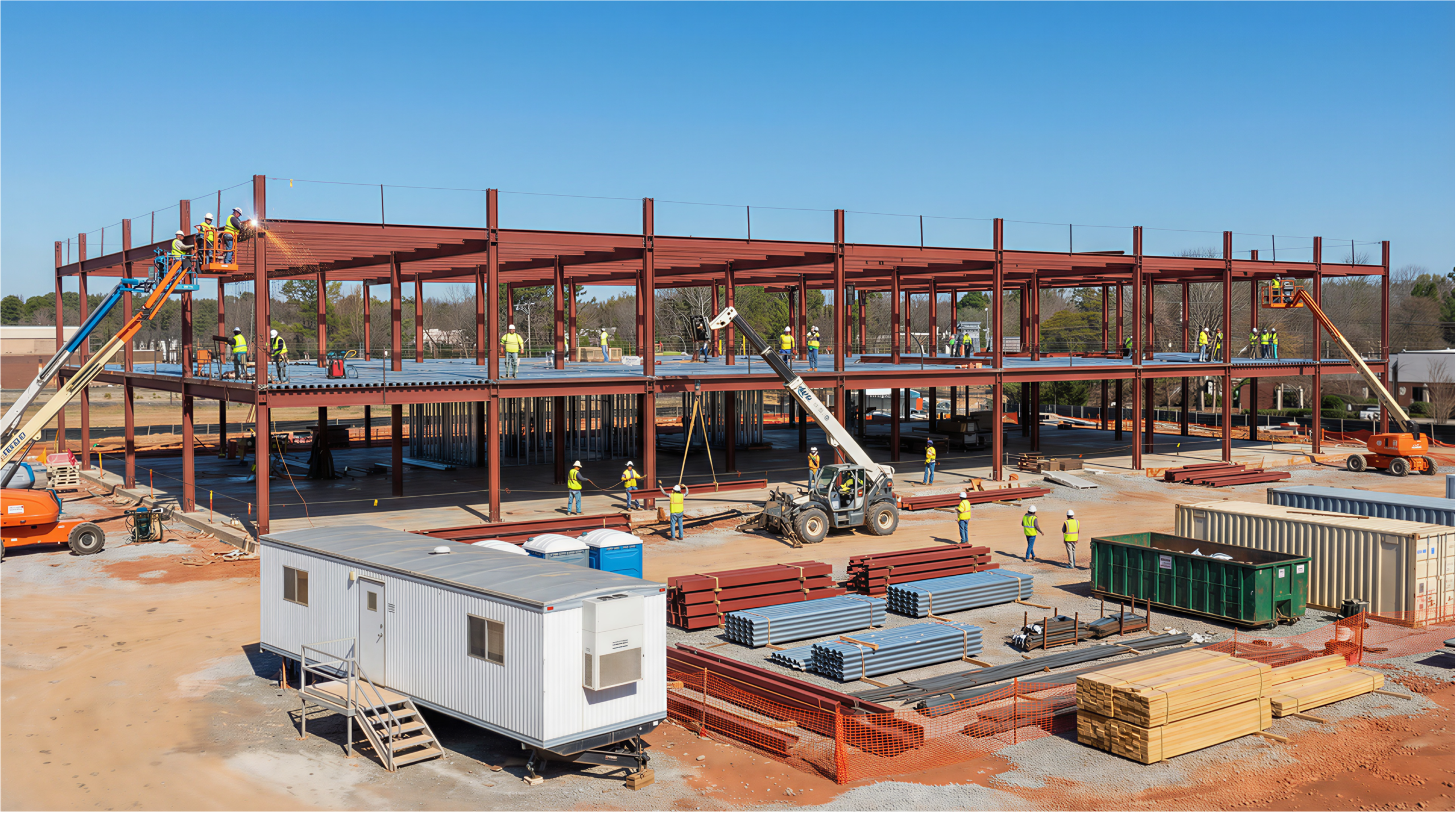
So, you've got some home repairs or renovations on your to-do list, and you're thinking about hiring a contractor to get the job done. It's a big step, and there's a lot to consider. A contractor for house repair can handle all sorts of jobs, from small fixes to major overhauls. They're the experts in construction and remodeling, and they'll have the skills and tools to get your project completed.
When it comes to costs, it's tricky to give an exact figure as it depends on so many factors. The size of the job, the materials needed, and the labor involved will all impact the price. It's a good idea to get quotes from a few different contractors to compare. Look for detailed quotes that break down the costs, so you can see what you're paying for. Don't just go for the cheapest option; consider the quality of the work and the contractor's reputation too.
Finding and Choosing the Right Contractor
There are lots of contractors and building companies out there, so how do you find the right one? Word of mouth is a great way to start - ask friends or family for recommendations. You can also search online for local contractors and read reviews to get an idea of their work. When you've found a few potential contractors, give them a call or send an email to ask some initial questions.
Find out about their experience and the types of projects they typically work on. Ask about their availability and how long they estimate the job will take. It's also worth asking about any potential extra costs or unexpected issues that might arise during the work. A good contractor will be transparent and give you an honest assessment.
Naming Your Construction Business
If you're thinking of starting your own construction business, you'll need a great name. The name should be memorable and reflect the nature of your work. It might include words like 'build', 'repair', 'remodel', or 'renovate'. It could also be a play on your own name or a unique combination of words. Here are a few ideas:
- Build-It-Better
- Renovate Right
- Fix-It-Fast
- Home Remedy
- Construction Solutions
- The Repair Crew
Remember to check the availability of the name you choose. You'll need to register it locally and secure the domain name for your website.
The Construction Industry and You
The construction industry offers a range of jobs, from general contractors and estimators to specialized roles like plumbers, electricians, and carpenters. If you're looking for work, these roles are often advertised online or through local recruitment agencies. The industry is always in need of skilled workers, so it's a great field to get into.
Estimators, for example, play a crucial role in construction. They use tools like RSMeans to calculate the costs of materials and labor for a project. It's a detailed and important job, and estimators are in high demand.
Big Companies and the Industry Outlook
The construction industry is made up of a mix of small, medium, and large companies. The bigger firms often have more resources and can take on larger, more complex projects. They might have a wider range of specialized staff and more advanced tools and equipment.
However, smaller companies can offer a more personalized service and often have a strong local reputation. It's a competitive industry, and companies of all sizes are always looking for ways to stand out and offer the best service.
So, there you have it! A contractor for house repair is a great option for getting those home improvements done. It's an exciting step, and with the right contractor, you'll be enjoying your renovated space in no time.
Related: Atlanta Construction Jobs Essential Guide
Atlanta construction jobs is a phrase that might pop up in your search bar when you're looking to hire someone to build or remodel your home. It's a pretty straightforward term, but there's a lot to unpack when it comes to finding the right people for the job and understanding the costs involved. So, let's dive in and explore what Atlanta construction jobs really means and how to navigate this world effectively.
Understanding the Scope
When you search for Atlanta construction jobs, you're essentially looking for professionals who can help you with various construction projects, from building a new home to remodeling an existing one. This could involve hiring general contractors, specialized tradespeople, or even companies that offer a range of construction services. It's important to define your project's scope before diving into the search, as this will guide your choices and help you find the right fit.
Hiring the Right Team
Finding the right construction team for your project is crucial. You'll want to do your research and ask around for recommendations. Check online reviews and ask friends or family who have recently undergone similar projects. Once you have a few potential contractors or companies in mind, reach out and ask for quotes. Compare these quotes, but remember that the cheapest option isn't always the best. Look for detailed quotes that cover all aspects of the job, including materials, labor, and any potential extras.
Company Names and Reputation
Many construction businesses in Atlanta have creative names that reflect their services or location. A good business name should be memorable, unique, and give a hint about what they do. For instance, names like "Atlanta Build & Remodel" or "The Home Renovators" are straightforward and descriptive. When choosing a name for your construction business, it's essential to check its availability for registration and domain names to avoid any legal issues or confusion. Here are a few original name ideas:
- "Craftsman's Corner"
- "Build-It-Right"
- "Atlanta Home Makeovers"
- "Renovation Revolution"
- "The Construction Crew"
Construction Roles and Salaries
Atlanta construction jobs encompass a wide range of roles, from general contractors who oversee the entire project to specialized tradespeople like plumbers, electricians, and carpenters. The salaries for these roles can vary greatly depending on experience, the scope of the project, and the company's size. It's always a good idea to check online job boards and construction-specific websites to get an idea of the going rates for different roles in your area.
Industry Tools and Data
In the world of construction, tools like RSMeans can be incredibly useful. RSMeans is a cost database that provides accurate and up-to-date information on construction costs, helping contractors and clients understand the financial aspects of a project. It takes into account various factors, such as materials, labor, and escalation, which refers to the potential increase in costs over time. Using tools like RSMeans can help ensure that quotes and estimates are fair and realistic.
Big Companies vs. Small Businesses
The construction industry in Atlanta, like many places, has a mix of large companies and smaller, independent businesses. Large firms often have the resources to take on bigger projects and may have a broader range of services. They might also have more specialized equipment and a larger team. On the other hand, smaller businesses can offer a more personalized experience and may be more flexible in their approach. It's a matter of finding the right balance for your specific project and preferences.
Final Thoughts
Navigating the world of Atlanta construction jobs can seem daunting, but with the right approach and some research, you can find the perfect team for your project. Remember to define your needs, compare quotes, and don't be afraid to ask questions. Whether you're building a dream home or remodeling your bathroom, the right construction crew can make all the difference. So, take your time, do your due diligence, and you'll be on your way to a successful construction project.
Related: Understand the 100 Number Chart Easily
Many folks get tripped up by the 100 number chart's simplicity, but it's a powerful tool when you grasp its potential. This chart, a basic number line or grid, is often overlooked yet incredibly useful for various tasks. It's not just for counting; it's a versatile reference, and understanding its layout is key to unlocking its benefits.
Understanding the 100 Number Chart
The 100 number chart is a simple yet powerful tool for visualizing and understanding numbers from 1 to 100. It's like a map that helps you navigate the world of numbers, showing you how they relate to each other and providing a quick reference for counting, calculating, and identifying patterns.
Key Details and Categories
This chart is typically a grid with 10 rows and 10 columns, creating a hundred squares. Each square contains a number, starting from 1 in the top left and increasing sequentially to 100 in the bottom right. The numbers are arranged in a logical, ascending order, with each row representing a multiple of 10. So, the first row has numbers 1 to 10, the second row has 11 to 20, and so on.
Reading and Applying the Chart
To use the 100 number chart, you simply read the numbers as you would on a regular number line. Start at the top left and move across and down, following the natural flow of the grid. This method is particularly useful for young learners who are just starting to grasp the concept of numbers and their relationships. It helps them count, identify patterns, and understand place value. For example, they can see that the number 23 is in the same row as 13 and 33, which helps reinforce the concept of 'tens' and 'ones'.
Variations and Differences
While the basic structure of the 100 number chart remains consistent, there can be variations in how it's presented or used. Some charts might include additional features like color-coding to highlight patterns or groups of numbers. Others might have certain sections emphasized to focus on specific mathematical concepts, like prime numbers or square numbers. Additionally, the chart's size and format can vary depending on its intended use and the preferences of the user or educator. It's important to note that while the 100 number chart is a great tool for understanding numbers, it's not an exhaustive resource. For more complex calculations or specific mathematical tasks, other charts or reference tables might be more suitable. Always double-check the exact specifications and tolerances for your particular use case.
Well, there you have it! A simple and handy guide to navigating the 100 number chart. Remember, these charts are versatile tools, so always check your specific needs and ensure you're using the right one for your context.
Consider bookmarking this page for future reference. It's a quick and easy way to refresh your memory and ensure you're using the chart correctly. Happy charting!