

Modern Electrician Invoice Template Doc Overview
You're probably here because you need a quick answer, a simple guide to help you understand nipple size charts and their purpose. It's a common query, and these charts are more useful than you might think! They provide a straightforward way to measure and compare nipple sizes, often alongside other breast-related measurements. While the values may vary depending on the source, a nipple size chart can be a handy reference tool, especially when paired with a bra size guide or areola size chart.
Understanding the Nipple Size Chart
The nipple size chart is a handy reference tool that provides a standardized way to measure and categorize nipple sizes. It offers a simple and visual guide to help individuals understand their nipple dimensions and find the right products or solutions based on size. This chart is particularly useful for those seeking nipple piercings, nipple jewelry, or even nursing aids, as it ensures a comfortable and accurate fit.
Key Details and Categories
The nipple size chart typically displays nipple diameters, measured in millimeters (mm) or inches, depending on the standard being used. It categorizes nipples into size ranges, often with labels like "Small," "Medium," "Large," and so on. These categories provide a quick reference for individuals to identify their nipple size without the need for precise measurements.
Reading the Measurements: A Step-by-Step Guide
Start by locating the chart's measurement scale. This scale will typically run along one edge of the chart, indicating the nipple diameters in either mm or inches.
Next, identify the category labels. These labels, such as "Small," "Medium," or "Large," are usually positioned above or below the measurement scale, indicating the size range.
To determine your nipple size, measure the diameter of your nipple using a ruler or a specialized nipple gauge. Ensure you measure from the base of the nipple, where it meets the areola, to the tip.
Compare your measured diameter to the scale on the chart. Find the corresponding size category, and you've identified your nipple size!
Common Variations and Differences
It's important to note that nipple size charts may vary depending on the standard or region. For instance, a chart designed for the US market might use inches as the unit of measurement, while an international chart might use millimeters. Additionally, some charts may provide more detailed size categories, especially for specialized products like nipple jewelry, which require precise sizing.
Mistakes to Avoid
One common mistake is assuming that all nipple size charts are the same. Always check the units of measurement and the source of the chart to ensure it aligns with your needs. Another pitfall is relying solely on category labels without measuring your nipples. While categories provide a quick reference, precise measurements are essential for an accurate fit, especially for delicate items like piercings or jewelry.
Practical Tips for Accurate Results
When measuring your nipples, ensure you're in a relaxed state. Nipple size can vary slightly depending on factors like temperature and arousal, so it's best to measure when you're comfortable and at rest. If you're measuring for piercings or jewelry, consider consulting a professional piercer or a medical professional for guidance and to ensure you're using the correct techniques and tools.
Double-Checking and Edge Cases
While the nipple size chart provides a useful guide, it's not an exact science. Individual variations and unique anatomical features can sometimes fall outside standard size categories. In such cases, it's essential to consult a professional or the manufacturer's guidelines for specific products. They may provide additional sizing information or custom solutions to accommodate unique nipple sizes.
Hey there, we've covered a lot of ground on this topic, and I hope it's been helpful! Remember, when it comes to nipple size charts, the exact measurements can vary slightly depending on the source or standard you're using, so it's always good to double-check.
This guide aims to provide a straightforward reference, but every body is unique, and so are their measurements. So, if you ever need a quick reminder or want to explore other related topics, feel free to bookmark this page for future use. It's always handy to have these practical guides at your fingertips!
Related: What's the AC Pressure Chart All About?
Many folks new to AC pressure charts might assume they're complex and confusing, but they're actually a simple and handy tool. It's a common misconception that these charts are hard to interpret, when in fact, they provide a clear snapshot of your AC system's health.
The AC pressure chart is a visual guide, often in table format, that displays pressure readings and their corresponding temperatures. These charts can vary slightly, but they offer a quick way to identify any issues and ensure your AC is running smoothly.
Understanding AC Pressure Charts
An AC pressure chart is a handy tool for anyone working with air conditioning systems. It's a visual representation of the relationship between pressure and temperature, helping you understand the state of your AC system and make informed decisions. These charts are like a map, guiding you through the complex world of AC diagnostics and maintenance.
Key Details and Units
Before diving into the chart, let's cover some basics. The AC pressure chart typically displays pressure readings in two units: psi (pounds per square inch) and kPa (kilopascals). These units measure the force exerted by the refrigerant gas inside your AC system. The chart also shows temperature, often in degrees Fahrenheit or Celsius, which is crucial for understanding the refrigerant's state.
Reading and Applying the Chart: A Step-by-Step Guide
Start by identifying the type of refrigerant used in your AC system. Common refrigerants like R134a or R410A have specific pressure-temperature relationships, so knowing this is essential.
Find the corresponding AC pressure chart for your refrigerant. These charts are readily available online or in AC maintenance manuals.
Locate the pressure reading on the chart. Pressure is usually displayed on the y-axis, with higher values indicating greater pressure.
Next, identify the temperature reading. Temperature is typically on the x-axis, with higher temperatures to the right.
Now, simply trace a line from your pressure reading to the temperature reading. The point where these lines intersect gives you the refrigerant's state.
Interpret the chart reading. If the point falls within the normal operating range, your AC system is likely functioning correctly. However, if it's outside this range, it could indicate an issue.
Variations Across Standards and Contexts
It's important to note that AC pressure charts can vary depending on the standard being used. Different regions and manufacturers may have slight variations in pressure and temperature ranges. Always refer to the specific chart for your AC system to ensure accuracy. Additionally, environmental factors like altitude can affect pressure readings, so be mindful of these variables when interpreting the chart.
Common Mistakes and How to Avoid Them
One common mistake is using the wrong AC pressure chart for your refrigerant type. Always double-check the refrigerant and ensure you have the correct chart. Another pitfall is misinterpreting the chart readings. Remember, the chart provides a snapshot of the refrigerant's state, but it doesn't account for other factors like airflow or system efficiency. Always consider the bigger picture when troubleshooting.
Practical Tips for Accurate Results
When using an AC pressure chart, ensure your AC system is running under normal conditions. This means the system should be operating at full capacity with a steady airflow. Avoid taking readings during start-up or shutdown, as these transient states can provide misleading results. Additionally, ensure your pressure gauge is calibrated and accurate. Even a small error in pressure reading can lead to incorrect interpretations.
Double-Checking and Handling Edge Cases
While AC pressure charts are valuable, they are not foolproof. Always cross-reference your chart readings with other diagnostic tools and your AC system's performance. If you suspect an issue, consider using a pressure-temperature chart or consulting an AC professional. Remember, these charts provide a general guide, but real-world conditions can vary. Always err on the side of caution and seek expert advice when needed.
Remember, while this guide provides a solid foundation, it's always a good idea to check your specific needs and requirements. Exact values can vary, so double-check the standards and sources relevant to your project.
Take a moment to explore our other resources; we've got plenty of practical guides to keep you informed and inspired. Happy reading, and stay tuned for more!
Related: Understand Your Dog's Dental Health with a Teeth Chart
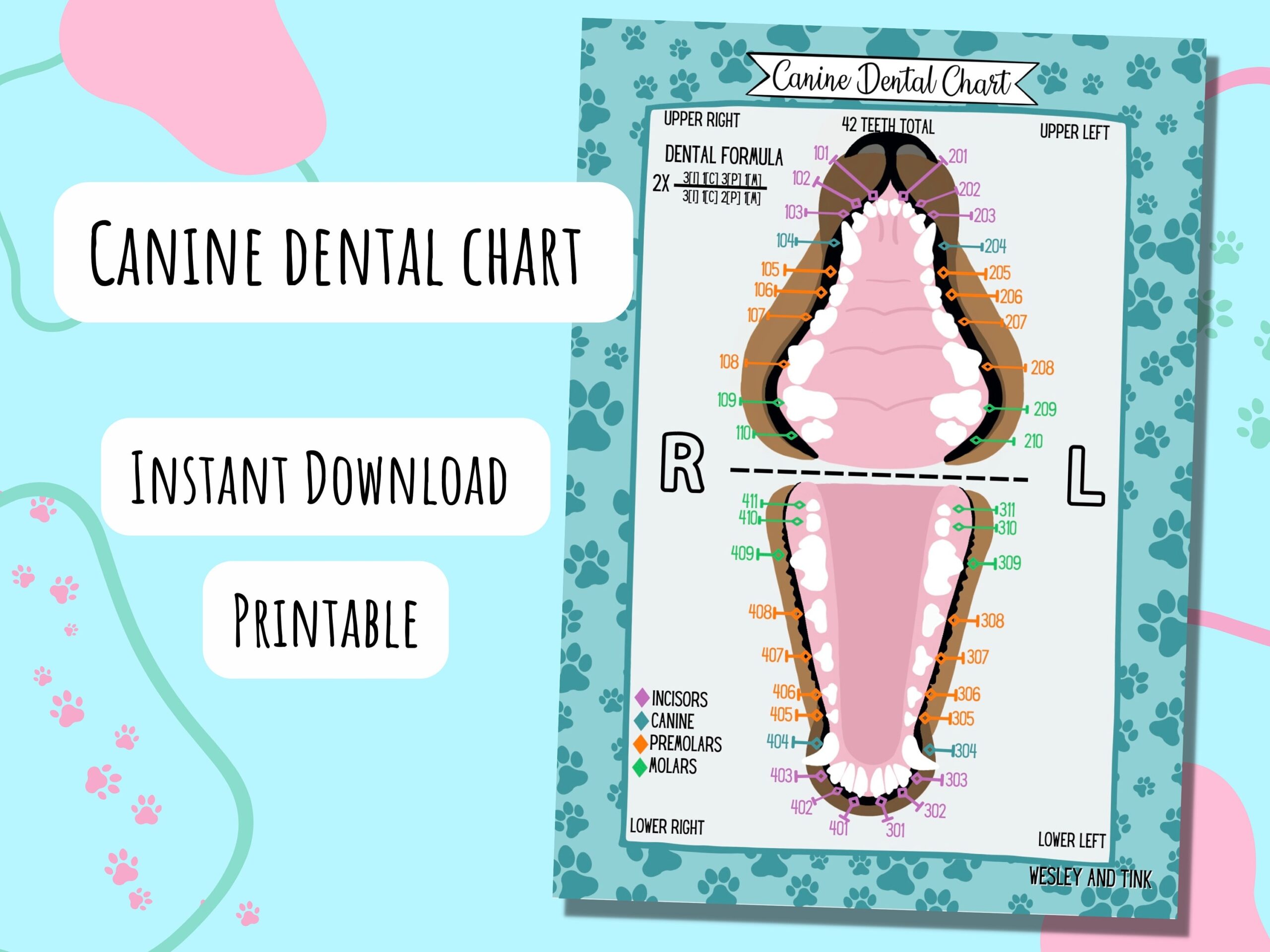
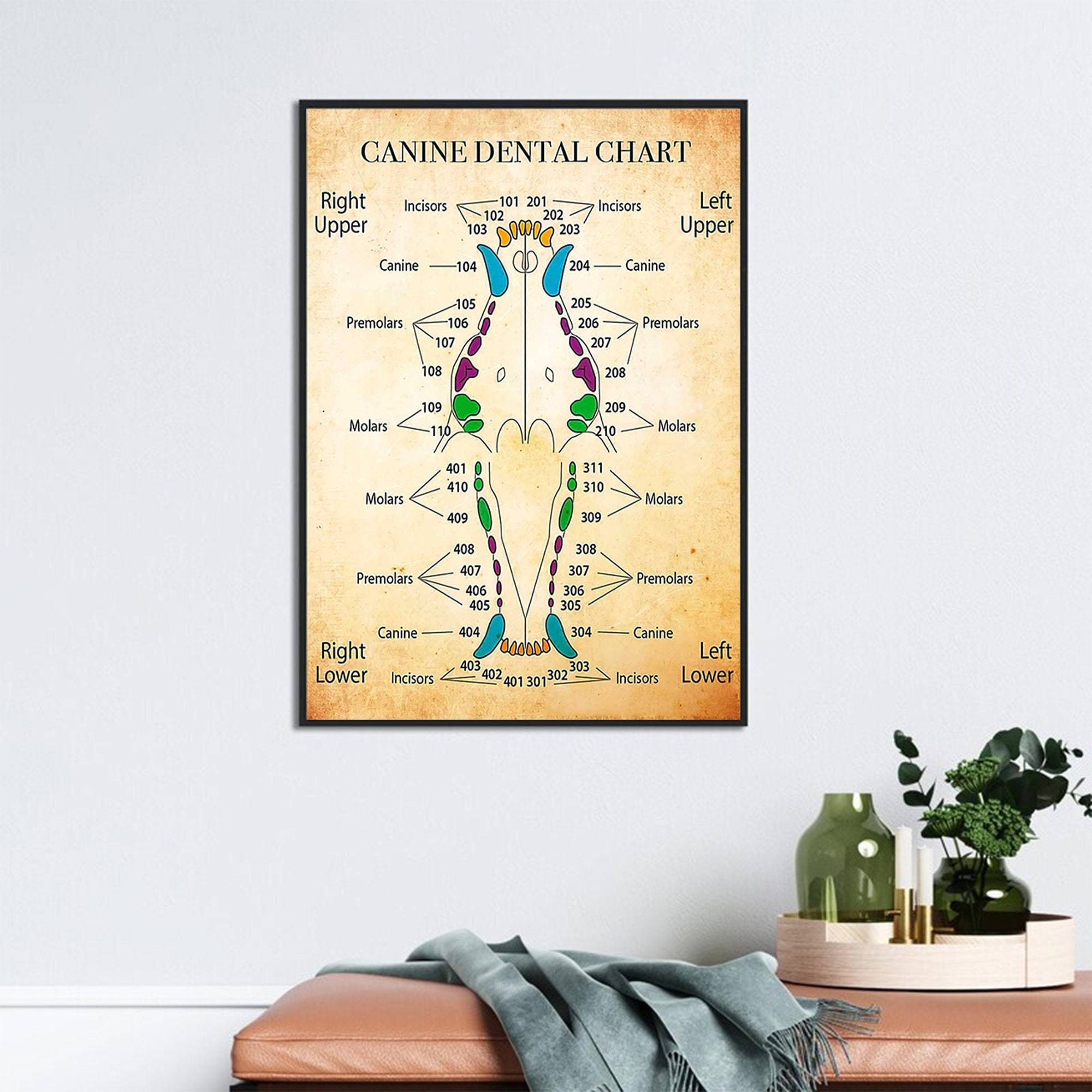
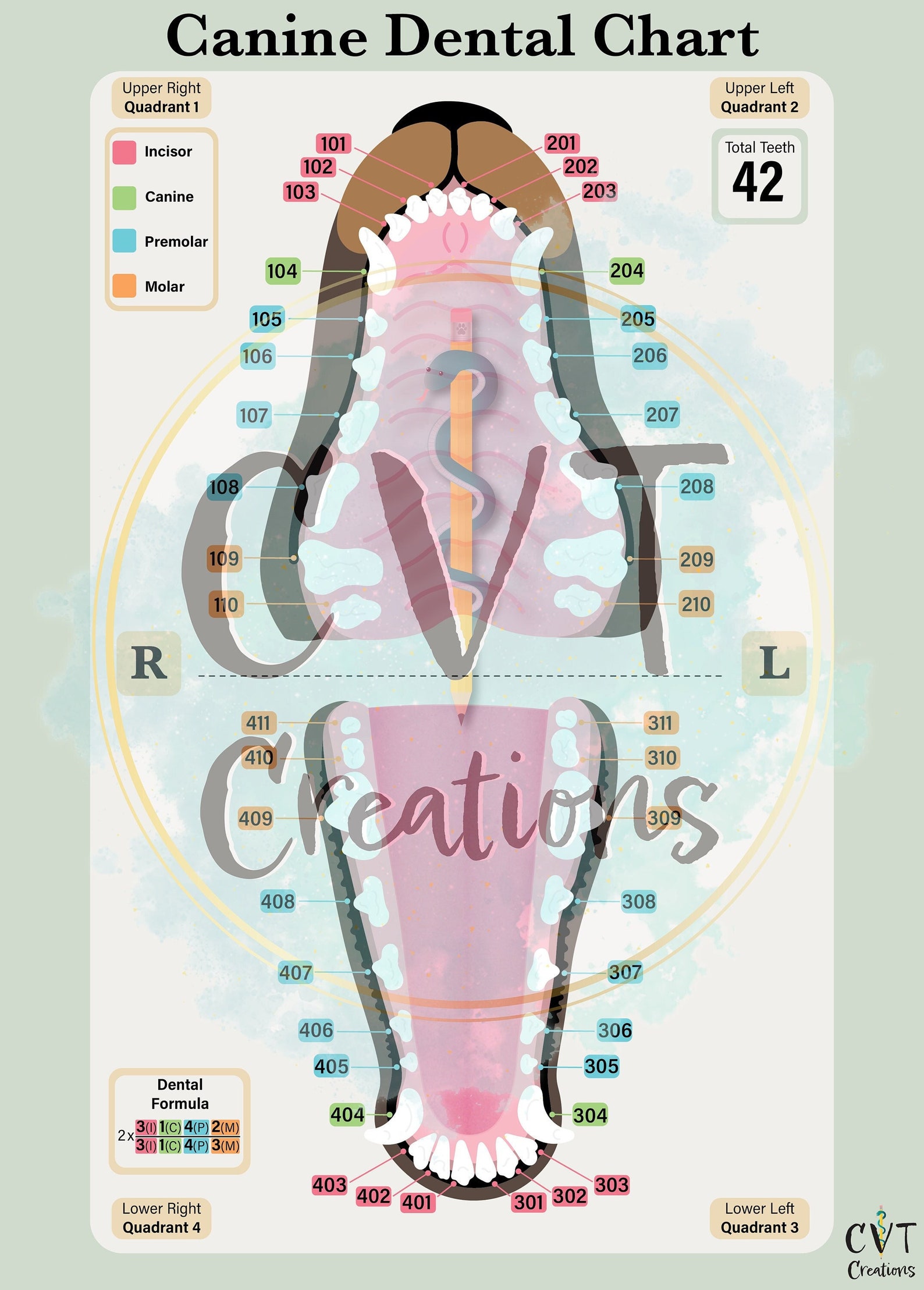
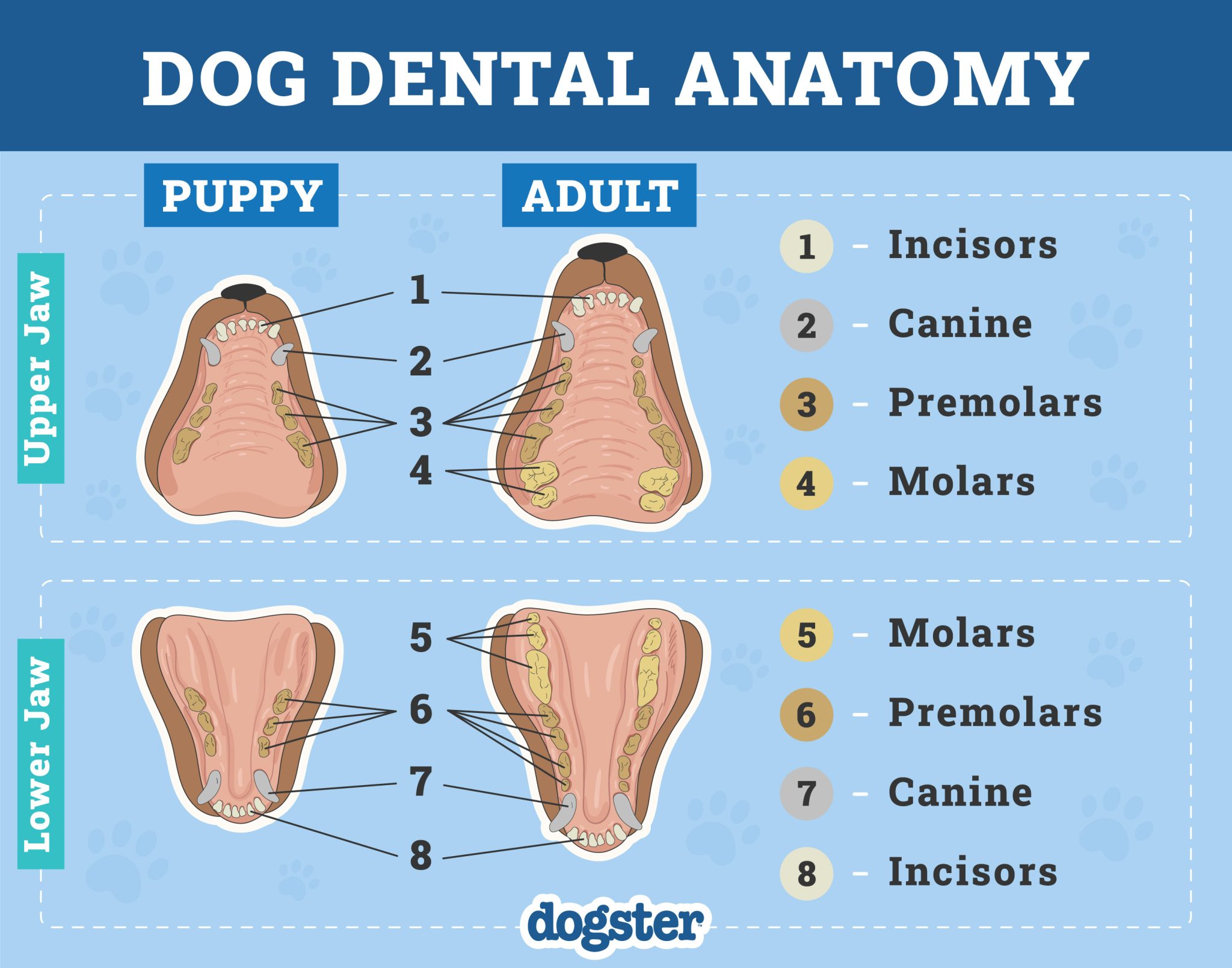
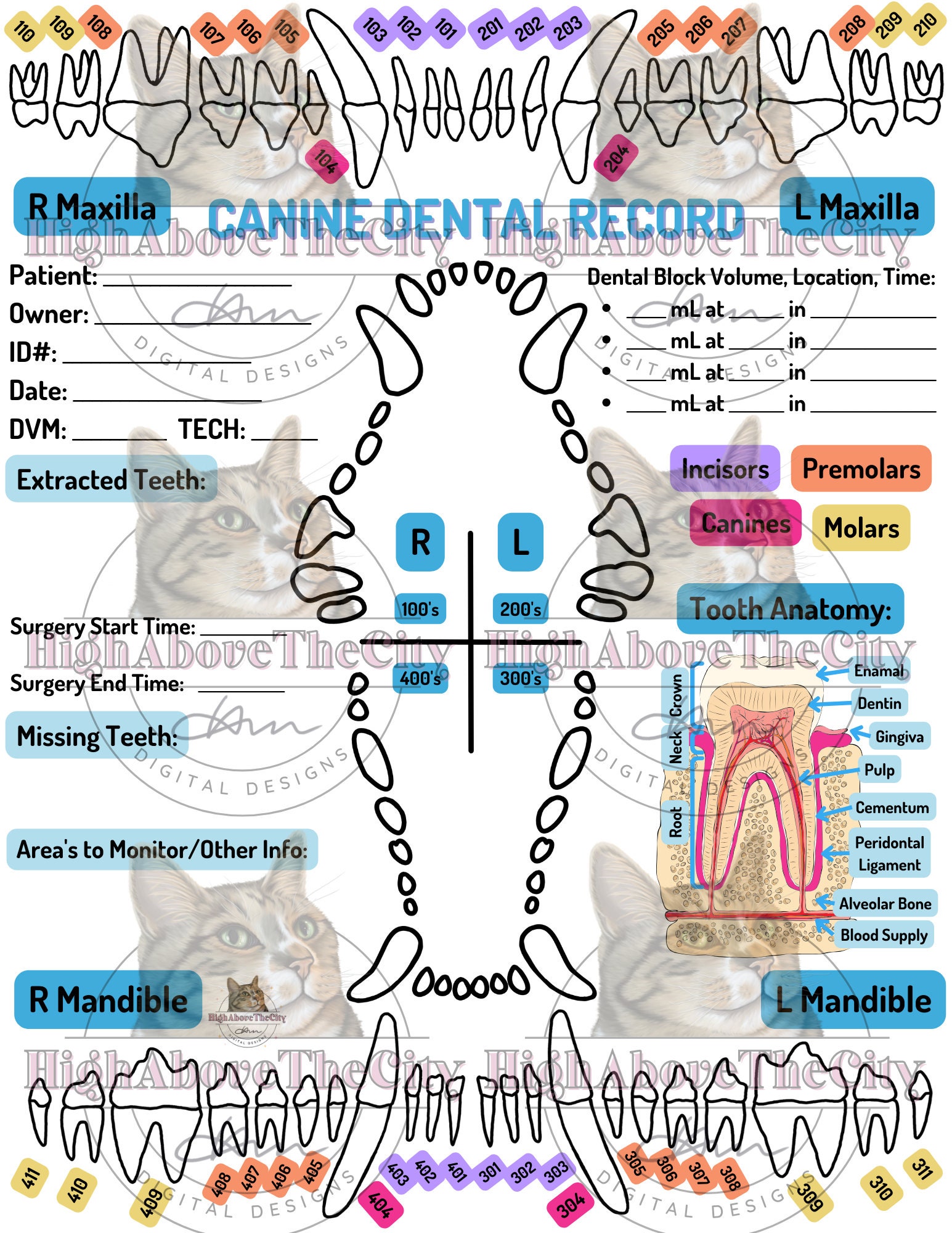
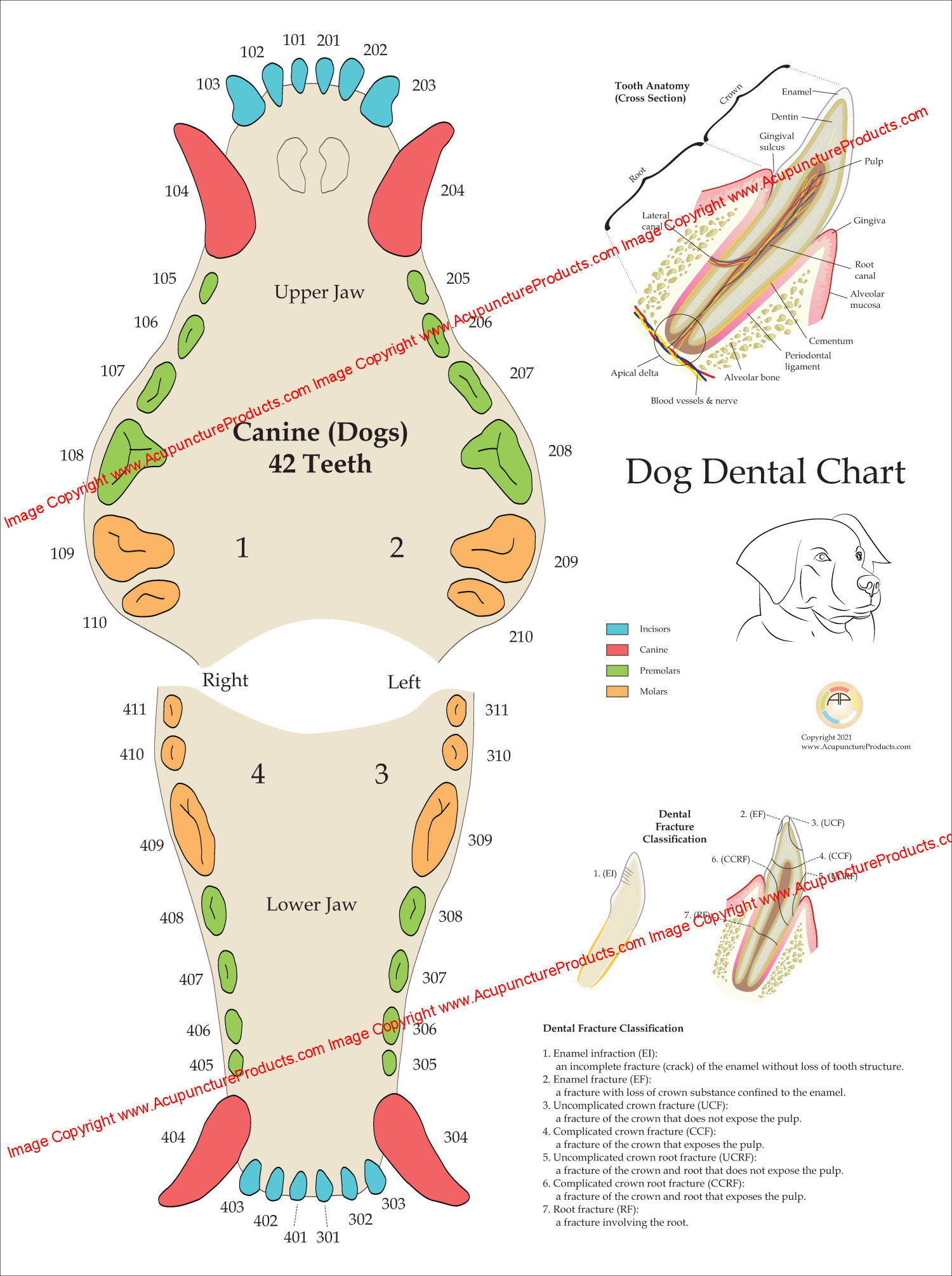
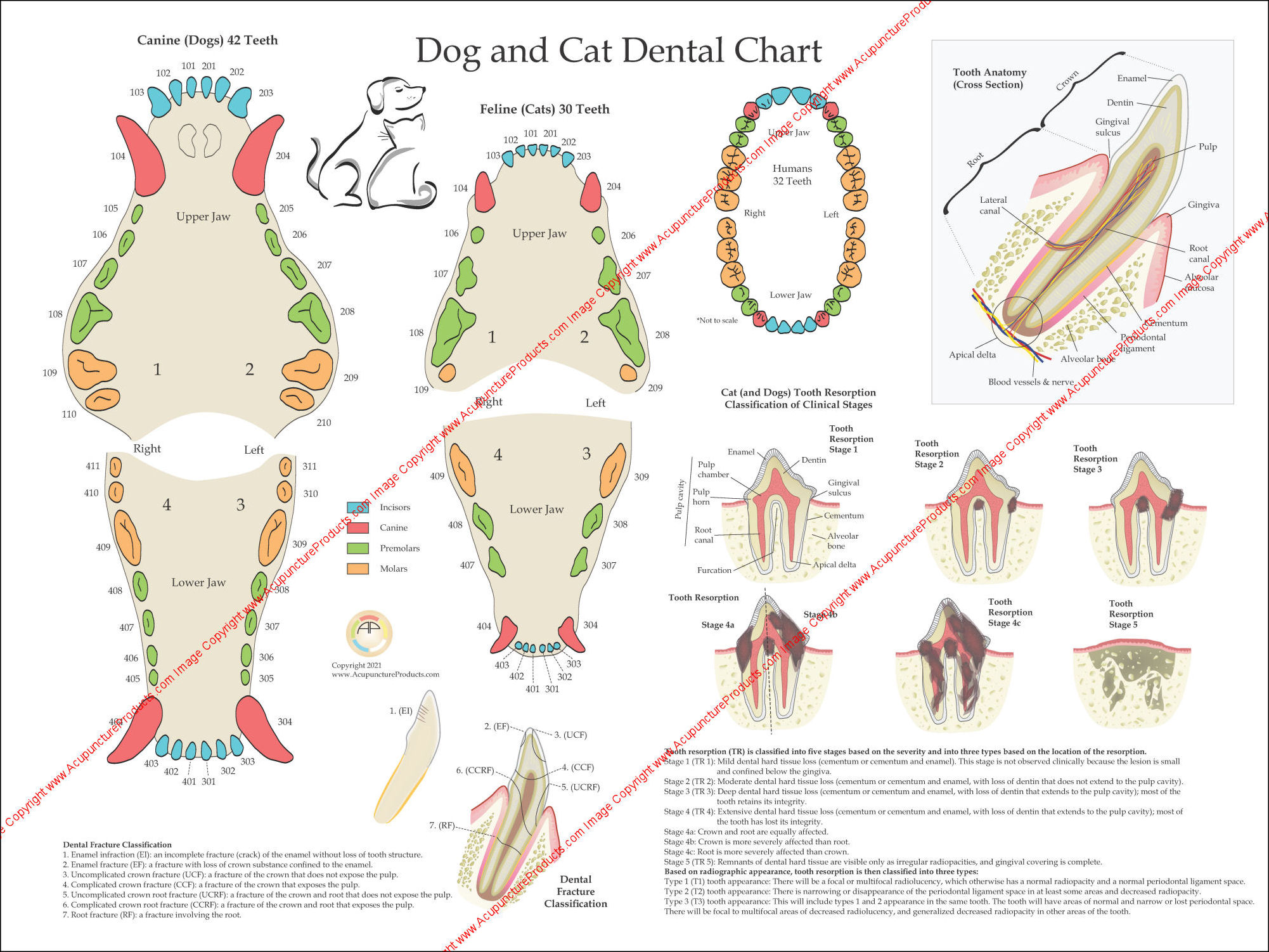
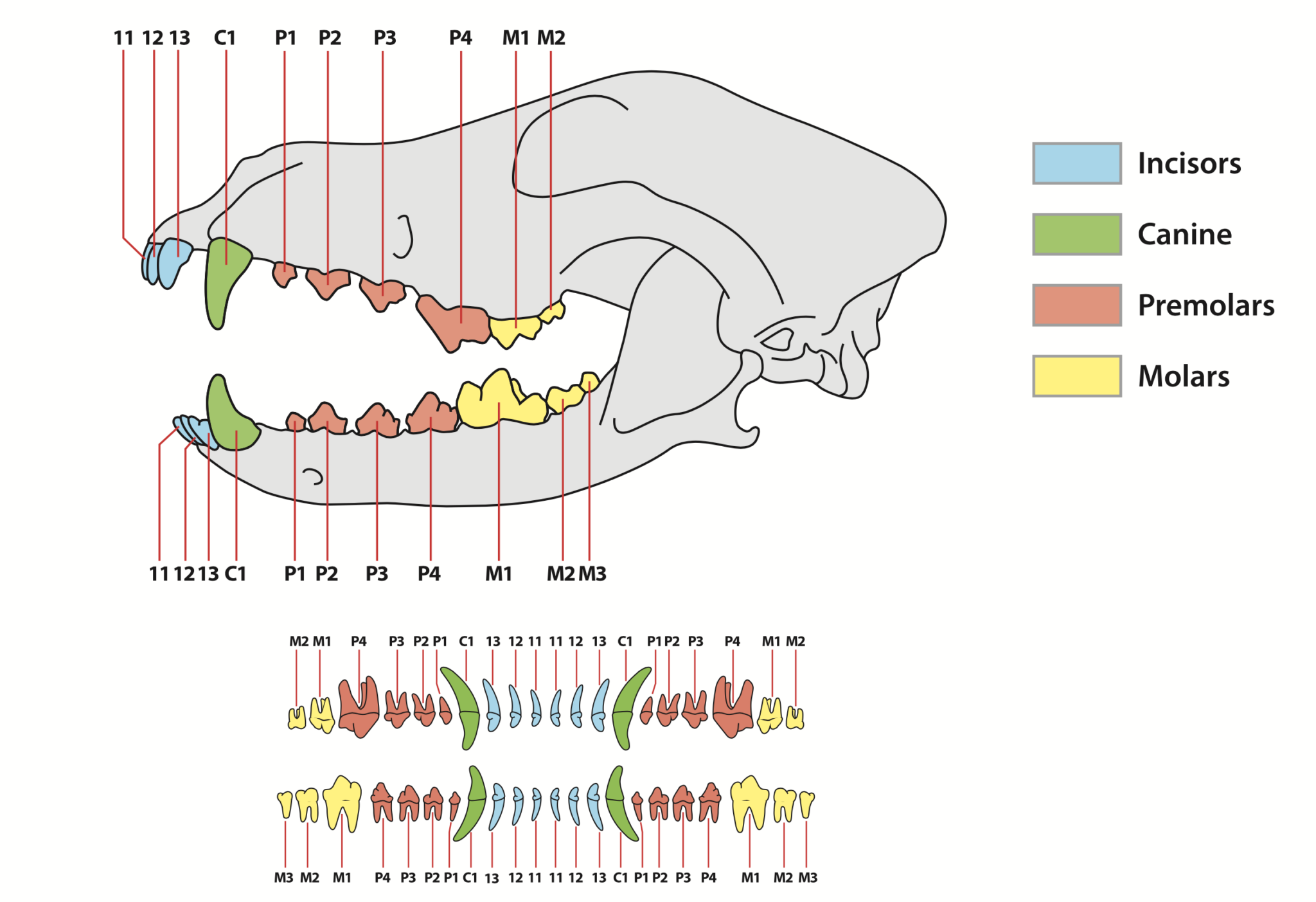
Many dog owners might assume that a dog teeth chart is a complex and intimidating tool, but it's actually a simple and incredibly useful resource. While it may seem like a foreign concept at first, this chart is a straightforward visual guide to understanding your dog's teeth. It's not as scary as it sounds! A dog teeth chart is a handy reference, offering a clear layout of your pup's dental structure, and it can vary slightly depending on the source.
Understanding the Dog Teeth Chart: A Practical Overview
The dog teeth chart is a handy reference tool for dog owners and veterinary professionals. It provides a visual representation of a dog's dental anatomy, offering insights into tooth positions, types, and development. This chart is an essential guide for anyone looking to maintain their furry friend's oral health.
Comparing Chart Formats and Standards
Dog teeth charts come in various formats, but the most common ones follow either the international or US standard. These standards dictate the tooth numbering system, ensuring consistency across veterinary practices. The international standard uses a three-digit system, while the US standard employs a simpler two-digit approach. Both systems have their merits, and it's crucial to know which standard your chart follows to interpret it accurately.
Step-by-Step Guide to Reading the Chart
Reading a dog teeth chart is straightforward once you know the basics. Here's a simple guide:
- Identify the tooth type: The chart typically categorizes teeth into incisors, canines, premolars, and molars. Each tooth type has a unique shape and function.
- Locate the tooth position: The chart displays teeth in their correct positions within the dog's mouth. Understand the left and right sides and the upper and lower jaws.
- Read the tooth notation: Each tooth has a specific notation, following the chosen standard. For instance, the international standard might label an upper right incisor as "101," while the US standard would use "UR1."
- Interpret the tooth's development: The chart often includes information on tooth eruption, showing when permanent teeth replace milk teeth. This is vital for monitoring a dog's dental development.
Avoiding Common Misreadings
Misinterpreting a dog teeth chart can lead to incorrect dental care. Here are some common pitfalls:
- Mixing up left and right sides: Always double-check the chart's orientation to ensure you're treating the correct side.
- Confusing tooth types: Incisors, canines, and premolars can look similar. Pay attention to their unique characteristics and positions.
- Ignoring the standard: Different standards use different notations. Ensure you're familiar with the one your chart follows.
- Assuming universal applicability: While charts provide a general guide, some breeds may have unique dental characteristics. Always consult a veterinarian for breed-specific advice.
Factors Affecting Accuracy
Several factors can influence the accuracy of a dog teeth chart:
- Breed variations: Different dog breeds have distinct dental anatomies. For instance, a Chihuahua's teeth may be smaller and more delicate than a German Shepherd's.
- Age: A dog's dental development changes over time. Puppies have milk teeth, which are replaced by permanent ones as they grow.
- Dental anomalies: Some dogs may have extra or missing teeth, impacted teeth, or other dental abnormalities. These cases require specialized attention.
- Standard variations: As mentioned, different standards exist. Always confirm the standard your chart follows to avoid confusion.
Choosing the Right Chart for Your Needs
When selecting a dog teeth chart, consider your specific requirements:
- Breed-specific charts: If you own a unique breed, opt for a chart tailored to that breed's dental characteristics.
- Age-appropriate charts: For puppies or senior dogs, choose charts designed for their specific dental stages.
- Specialized charts: Some charts focus on specific dental issues, like tooth extraction or orthodontic treatment. Select one relevant to your dog's needs.
- Digital vs. physical charts: Digital charts offer convenience, while physical charts provide a tangible reference. Choose based on your preference and accessibility.
Maintaining Reliable References
To ensure the accuracy and reliability of your dog teeth chart setup:
- Regularly update your chart: Dental science evolves, and new research may impact tooth identification and care. Stay informed and update your chart as needed.
- Consult professionals: Veterinarians and dental specialists are valuable resources. Seek their advice to ensure you're using the most appropriate and up-to-date charts.
- Double-check measurements: When in doubt, verify tooth measurements and positions with a trusted source. Accuracy is crucial for effective dental care.
- Keep a record: Maintain a log of your dog's dental history, including any anomalies or treatments. This record will help you track progress and identify potential issues.
Hey there, dog lovers! We hope this guide has given you a clear understanding of dog teeth charts and how to use them effectively. Remember, while we've covered the basics, the specifics can differ slightly, so always double-check your sources.
Feel free to bookmark this page for future reference; it's always handy to have a quick reminder when you need it. And don't forget to explore our other guides for more practical tips and tricks! We've got you covered.