


Modern Photography Invoice Template Overview
A common misconception about the emotion code chart is that it's a complex, intimidating tool, but it's actually a simple and powerful resource when used correctly. This chart, a visual representation of emotions, is an accessible guide that offers a clear and concise way to understand and interpret emotional responses. While there may be variations in the specific values and formats across different systems, the core concept remains the same: an emotion code system provides a structured approach to navigating the spectrum of human feelings.
Understanding the Emotion Code Chart: A Quick Overview
The emotion code chart is a valuable tool designed to help us interpret and understand human emotions. It provides a visual representation of various emotional states, offering a structured way to analyze and communicate feelings. This chart serves as a reference guide, aiding individuals in recognizing and expressing their emotions accurately.
Comparing Emotion Coding Systems: Formats and Standards
There are different formats and standards for emotional coding systems. The emotion code chart typically follows a widely accepted scale, ensuring consistency in emotional analysis. This scale often ranges from 0 to 10, with 0 representing a neutral or calm state and 10 indicating an intense or extreme emotion. It is essential to note that while this scale is common, variations may exist, especially in specialized fields or cultural contexts.
How to Use the Emotion Code Chart: A Step-by-Step Guide
To utilize the emotion code chart effectively, follow these steps:
- Identify the emotion you wish to analyze or communicate.
- Locate the emotion on the chart by considering its intensity and context.
- Assign a numerical value based on the scale, ensuring it aligns with the emotion's intensity.
- Communicate the emotion by sharing the assigned value, providing a clear and concise representation.
- When discussing emotions with others, refer to the chart to ensure a shared understanding.
Common Misreadings and Pitfalls: Ensuring Accurate Interpretation
Misinterpreting emotions can lead to misunderstandings. To avoid this, consider these tips:
- Ensure you understand the context in which the emotion is expressed.
- Be aware of cultural differences and how they may influence emotional expression.
- Regularly review and update your understanding of the emotion code chart, especially if you encounter new or unfamiliar emotions.
- Seek clarification if needed; open communication is key to accurate emotional interpretation.
Factors Affecting Real-World Accuracy: Key Considerations
When using the emotion code chart in real-life situations, several factors can impact accuracy:
- Affect intensity can vary widely between individuals, so be mindful of personal differences.
- Cultural norms and expectations play a significant role; emotions may be expressed differently across cultures.
- The context and situation greatly influence emotional responses; consider these factors when interpreting emotions.
- Personal experiences and past associations can shape how emotions are perceived and expressed.
- Physical and mental health conditions may affect an individual's emotional range and expression.
Remember, while the emotion code chart provides a valuable framework, it is essential to approach emotional analysis with flexibility and an open mind, considering the unique factors that influence each individual's emotional landscape.
Remember, the emotion code chart is a flexible tool, so you may find slight variations in practice. The key is to adapt it to your specific needs and context.
Feel free to explore our other guides for more practical insights and tips. Consider bookmarking this page for a handy reference—it might come in handy sooner than you think!
Related: How to use a color mixing chart?
A color mixing chart is a valuable tool for artists, designers, and anyone working with colors. It provides a visual guide to creating new hues by combining different colors. This simple yet effective resource is a go-to for those seeking an accurate and quick reference.
The chart offers a clear overview of color relationships, often featuring a color wheel and various mixing methods like additive and subtractive techniques. While formats may vary, the core purpose remains: to help you master the art of color blending with ease.
Understanding the Color Mixing Chart
The color mixing chart is a valuable tool for artists, designers, and anyone working with colors. It provides a visual guide to creating new colors by mixing primary and secondary hues. This chart simplifies the process of achieving desired shades and tones, making it an essential reference for color enthusiasts.
Key Details and Categories
The color wheel forms the basis of most color mixing charts. It represents the relationship between colors, with primary colors (red, blue, and yellow) and their combinations creating secondary and tertiary hues. The chart typically displays these colors in a circular format, making it easy to identify complementary and analogous colors.
Additionally, the chart may include various color models, such as RGB (for digital screens) and CMYK (for printing). These models offer different approaches to color mixing, considering the specific mediums and their unique characteristics.
Reading and Applying the Chart
To use the color mixing chart effectively:
- Identify the primary colors and their positions on the chart. These are the foundation for creating new shades.
- Locate the desired secondary or tertiary color you wish to achieve. The chart will show the combination of primary colors needed to create it.
- Mix the specified primary colors in the indicated proportions. For instance, if the chart suggests equal parts of two primary colors, ensure an even mix.
- Adjust the mixture by adding more of a specific color if needed. This allows for subtle variations and the creation of unique shades.
- Consider the medium you are working with. Different mediums, like paint or digital design, may require specific adjustments to achieve the desired result.
Variations and Differences
While color mixing charts provide a consistent framework, variations can occur due to several factors:
- Different color models, such as RGB and CMYK, have unique color spaces and capabilities, leading to slight variations in the final outcome.
- The quality and brand of pigments or dyes used can impact the resulting color, especially when mixing paints.
- Lighting conditions and the surface on which the color is applied can affect its appearance. What looks vibrant in natural light may appear different under artificial lighting.
- Personal perception and interpretation of colors can also lead to slight variations in mixing results.
Common Mistakes and How to Avoid Them
When working with a color mixing chart, avoid these common pitfalls:
- Overlooking the specific color model or medium the chart is designed for. Ensure you are using the right chart for your needs.
- Not paying attention to the proportions indicated on the chart. Precise measurements or ratios are crucial for accurate color mixing.
- Assuming all colors will mix predictably. Some colors may have unique behaviors, especially when combining complementary hues.
- Forgetting to consider the context and lighting conditions in which the color will be used. Test your mixed colors in the intended environment to ensure they meet your expectations.
Remember, while this guide provides a solid foundation, color mixing can be a nuanced art. Exact values and standards may differ, so it's always a good idea to double-check and adapt to your specific needs.
Feel free to explore our other guides for more practical tips and insights. And don't forget to bookmark this page for a handy reference—it's always good to have a quick reminder of the basics!
Related: Construction Cost Database Essential Guide
I've been thinking about doing some home renovations lately, and one thing that's been on my mind is how to budget and plan for the costs. That's when I stumbled upon the construction cost database - a handy tool that seems like it could really help me out. So, I did some digging and here's what I found...
Understanding Construction Costs
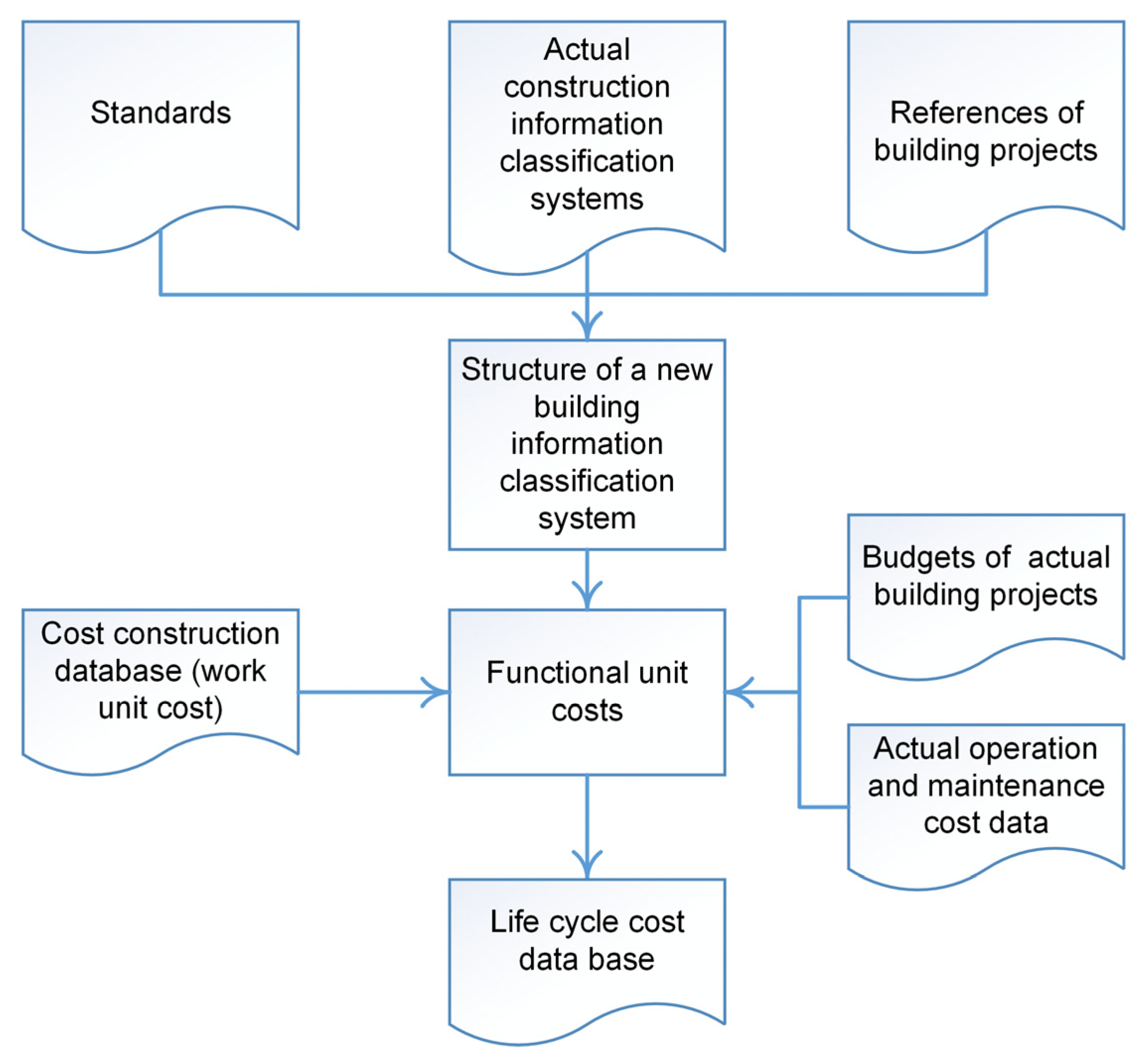
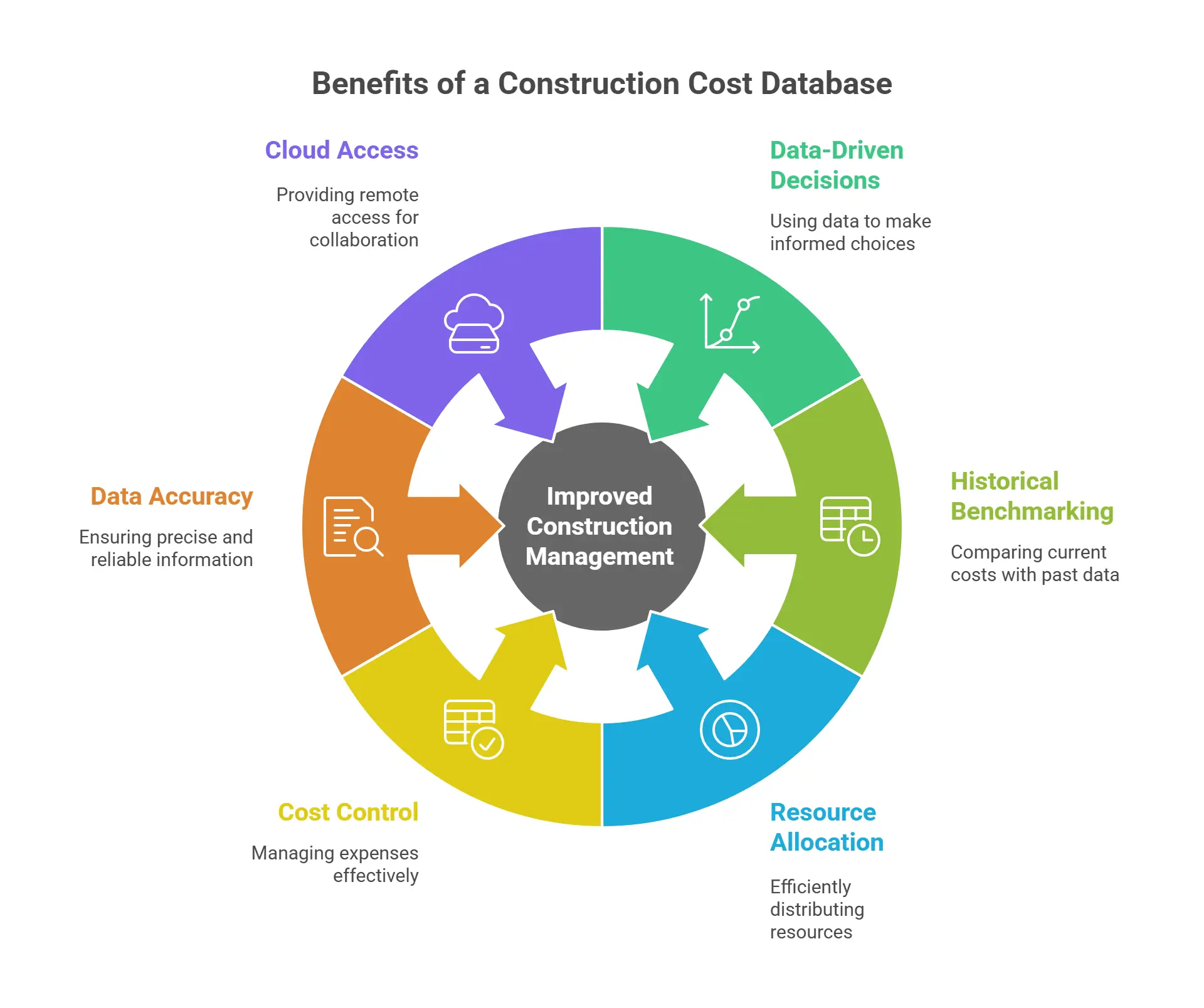
A construction cost database is like a big, detailed library of information about building and renovation costs. It's a resource that construction companies, contractors, and even homeowners like me can use to get a better idea of what projects might cost. This database covers all sorts of construction work, from new builds to remodels and everything in between.
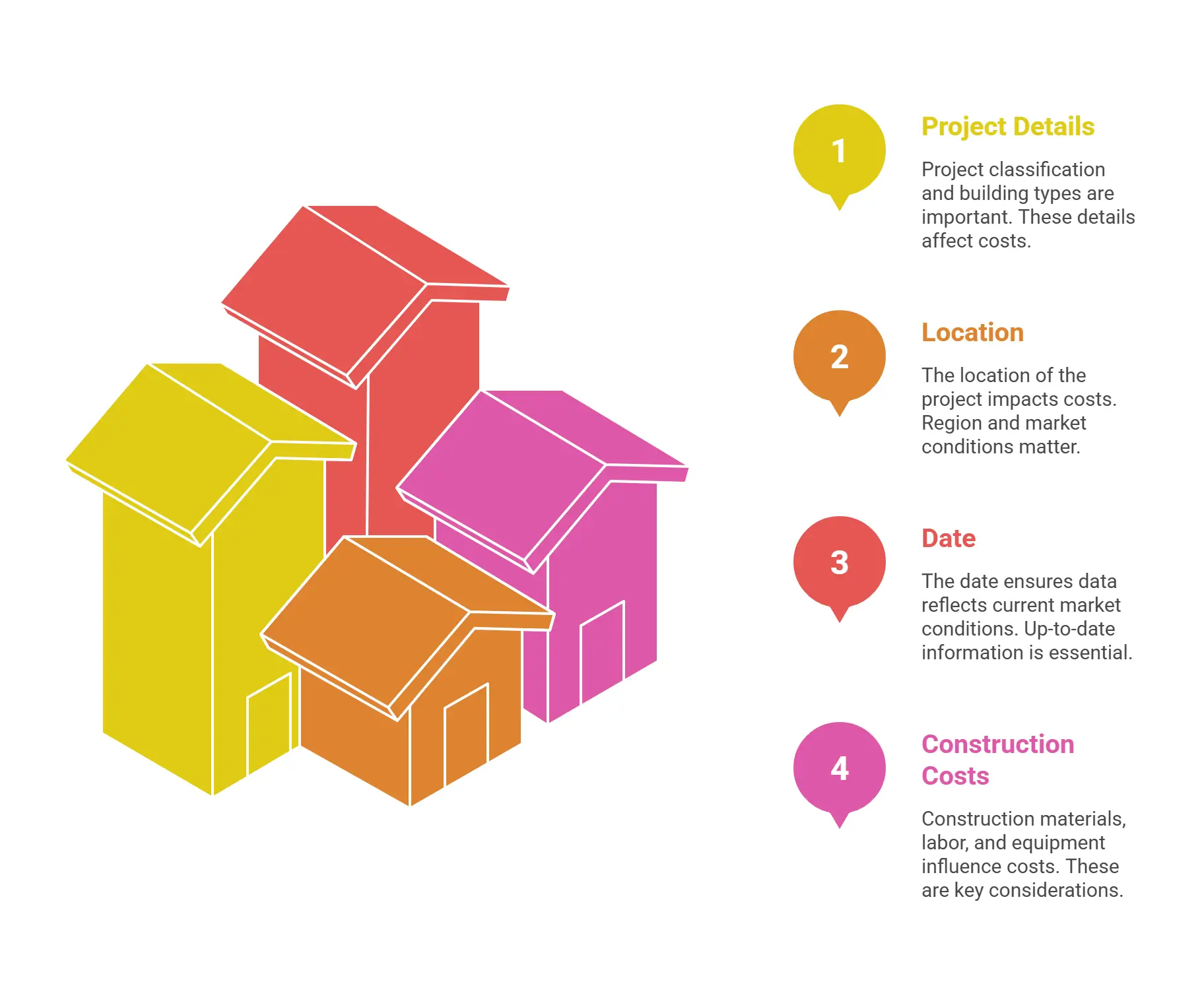
The beauty of it is that it provides estimates for different types of work, like installing a new roof, adding a room, or even just painting a wall. It takes into account things like the size of the project, the materials needed, and even the location, which can affect costs. So, it's a great way to get a rough idea of what you might be looking at financially before you even start a project.
Finding the Right Contractor
When it comes to hiring a contractor, the construction cost database can be a real lifesaver. It can help you compare quotes and ensure you're getting a fair deal. You see, contractors will often use these databases to estimate their quotes, so if you have access to the same info, you can better understand the costs they're quoting you.
Before hiring, make sure to check their references, ask about their experience with similar projects, and get a detailed breakdown of the costs. A good quote will cover all the bases, from labor to materials, and will give you a clear idea of any potential extra costs that might come up.
Company Names and the Industry
In the construction world, company names can be a bit of a giveaway about what they do. Often, you'll see names that are straightforward and to the point, like "Atlanta Building Solutions" or "Helena Home Renovations". These names are easy to remember and give a clear indication of the services offered.
If you're thinking of starting a construction business, choosing a name is an important step. It needs to be unique, memorable, and reflect the services you provide. Some fun examples could be "Build-it-Right Construction", "Hammer & Nail Builders", or "Renovate & Revive". Just remember to check the availability of the name and secure the relevant registrations and domains.
Jobs and Opportunities
The construction industry offers a wide range of jobs, from general contractors and estimators to project managers and specialists in various trades. These roles can vary greatly in terms of responsibility and salary, depending on experience and the size of the company.
If you're interested in construction jobs, you'll likely find opportunities advertised online, through job boards, and even on company websites. It's a good idea to keep an eye on these platforms and to tailor your resume and cover letter to the specific role and company you're applying for.
Industry Tools and Insights
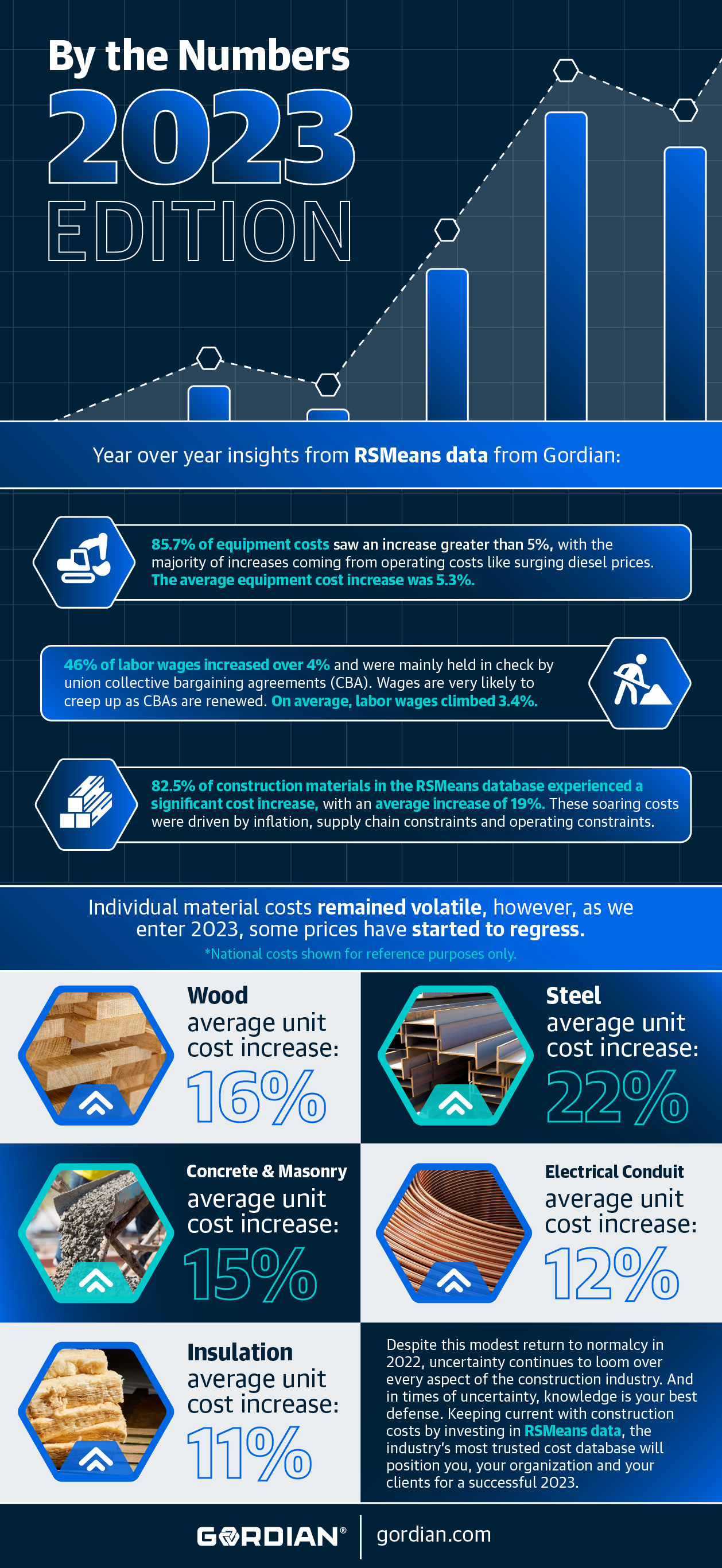
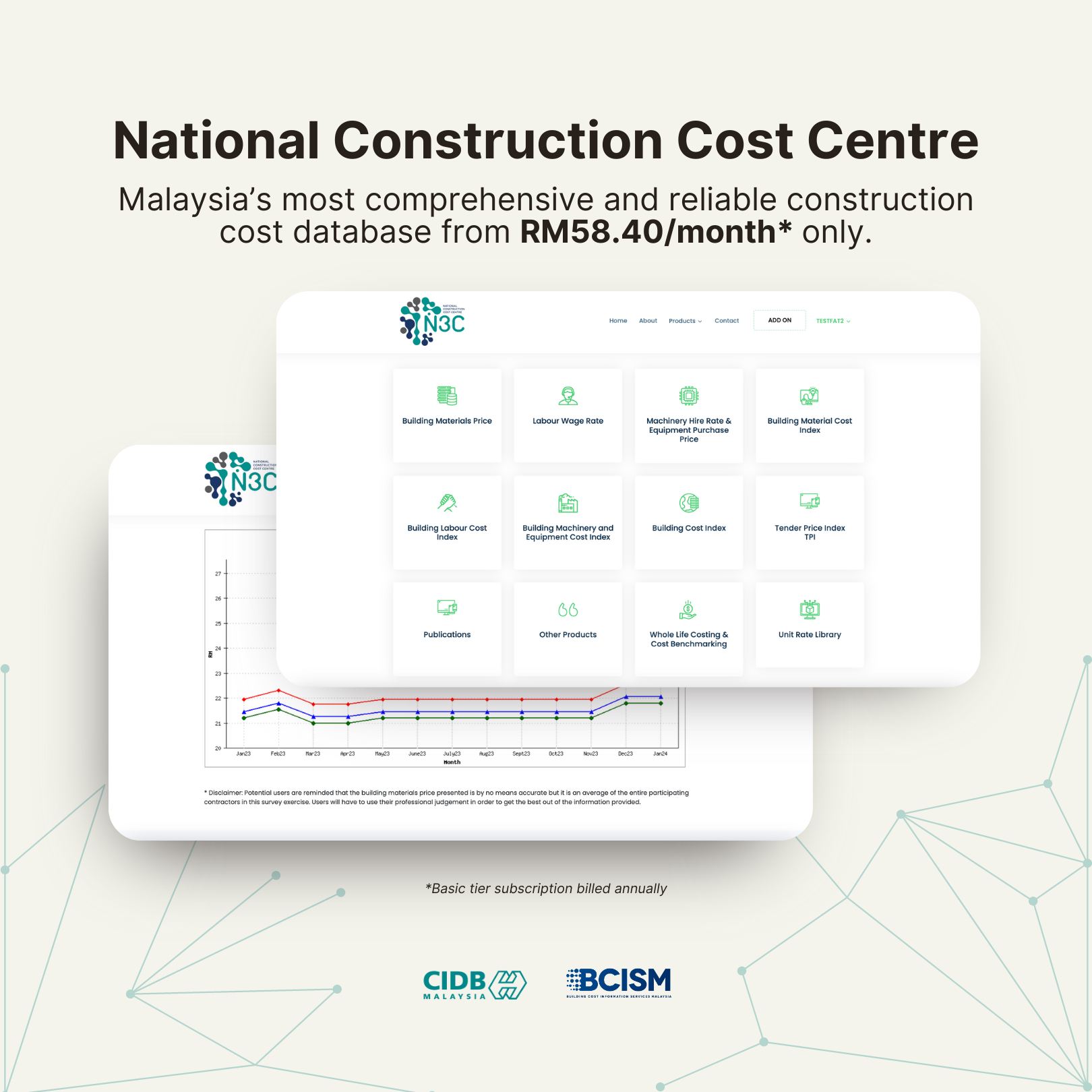
Tools like RSMeans are popular in the construction industry and are essentially detailed cost databases. These tools are used by professionals to estimate costs accurately and efficiently. They provide valuable insights into the costs of different materials, labor, and even the potential impact of economic factors on a project.
Having access to these tools can be a real advantage, especially for larger construction companies. It allows them to provide accurate quotes and plan projects effectively. For homeowners, it's a great way to get a realistic idea of what your renovation might cost.
Big Players and the Industry
The construction industry is diverse, with companies of all sizes. The big players often have the advantage of economies of scale, allowing them to take on larger projects and offer more specialized services. They might have access to better resources, like advanced cost databases and tools, which can give them an edge in the market.
However, smaller companies can offer a more personalized service and often have a strong local presence. It's a balance between size and specialization, and both types of companies play a vital role in the industry.
So, there you have it! The construction cost database is a valuable resource for anyone involved in construction, whether you're a homeowner, a contractor, or a company owner. It's a great way to get a handle on costs and plan effectively.