

Moncler Size Chart Editable Overview
Many people often overlook the importance of a Hampton tide chart and its accuracy, assuming it's just a simple diagram. But this chart is a powerful tool, offering valuable insights into the ever-changing tides of Hampton Bay.
While it may seem straightforward, there's more to it than meets the eye. The Hampton tide chart provides precise tidal data, including times and heights, which can vary depending on the region and specific location. Understanding these charts is key to making the most of your time on the water.
Understanding the Hampton Tide Chart
The hampton tide chart is a valuable tool for anyone interested in predicting and understanding the tides in Hampton Bay. It provides a visual representation of the water levels and tide times, offering a practical guide for various activities and planning. This chart is an essential resource for boaters, fishermen, and anyone enjoying the bay's waters.
Key Measurements Explained
The chart displays two main categories: tide height and time. Tide height is measured relative to mean sea level hampton, often abbreviated as MSL. This measurement indicates how high or low the tide will be at a specific time. The time category shows the exact hours and minutes when these tide heights occur. It's important to note that the measurements are standardized, ensuring consistency across different charts and regions.
Reading the Data Accurately: A Step-by-Step Guide
- Locate the current date and time on the chart. This information is usually displayed along the top or bottom edge.
- Identify the corresponding tide height for that time. The height is typically indicated by a line or curve, with values marked alongside it.
- Note the tide height and its relationship to mean sea level hampton. A positive value indicates a high tide, while a negative value represents a low tide.
- Repeat this process for future times to plan your activities accordingly.
Seasonal Variations and Their Impact
Hampton tide charts may vary slightly depending on the season. Tides are influenced by the gravitational pull of the moon and sun, which can result in different tidal patterns throughout the year. During certain seasons, you might notice higher or lower tide extremes, impacting the bay's water levels and activities. It's crucial to consider these variations when planning activities that depend on specific tide conditions.
Common Mistakes and How to Avoid Them
One common mistake is assuming that the tide chart is an exact representation of real-time conditions. While it provides a reliable prediction, actual tide heights can vary slightly due to weather conditions and other factors. Always check the current conditions before relying solely on the chart. Additionally, ensure you understand the scale and measurements used on the chart to avoid misinterpretation.
Practical Tips for Accurate Results
When using the hampton tide chart, it's beneficial to familiarize yourself with the specific details and formats of your region. Different areas might have unique tidal patterns and measurement standards. Additionally, consider the weather forecast, as strong winds and storms can influence tide heights and times. By staying informed and cross-referencing multiple sources, you can make more accurate predictions and plans.
Well, there you have it! Understanding Hampton's tide chart is a handy skill for anyone planning coastal adventures. Remember, while the basics are universal, exact values can vary slightly, so always double-check your specific context and requirements.
Consider bookmarking this page for a quick reference guide the next time you need it. Happy tide-watching!
Related: What is the vocal ranges chart?
Many people mistakenly believe that vocal ranges charts are complex and intimidating, but in reality, they are a simple and powerful tool for singers and vocal enthusiasts. These charts, often presented as visual guides, provide a clear overview of the different voice types and their respective ranges. While the specifics may vary slightly depending on the source, the vocal ranges chart serves as an accessible reference, helping singers navigate and understand their vocal potential.
Understanding the Chart: An Overview
The vocal ranges chart is a handy reference tool for singers and vocal enthusiasts. It provides a visual representation of the different vocal ranges, helping you identify and understand your voice type and its capabilities. This chart is a great starting point for anyone wanting to explore their singing potential and improve their vocal technique.
Comparing Voice Types and Ranges
The chart typically categorizes vocal ranges into several standard types, including soprano, mezzo-soprano, alto, tenor, baritone, and bass. Each category has a specific range of notes, shown as a visual scale, that defines the voice's capabilities. For instance, a soprano voice, often associated with higher pitches, has a range that extends to the higher end of the scale.
How to Read and Use the Chart
Using the vocal ranges chart is straightforward:
- Identify your voice's general range by singing through a scale or using a pitch-detecting app.
- Locate your lowest and highest comfortable notes.
- Refer to the chart and match your range with the closest vocal type.
- Use this information to choose songs that suit your voice and explore your vocal potential.
For example, if your range aligns with the soprano category, you'll know you can comfortably sing higher-pitched songs.
Common Misconceptions and Pitfalls
One common mistake is assuming that the chart provides an exact, rigid definition of your voice type. In reality, vocal ranges can overlap, and some voices may not fit neatly into one category. It's essential to understand that the chart is a guide, and your voice may have unique characteristics that set it apart. Additionally, factors like age, training, and vocal health can influence your range, so regular assessment is beneficial.
Factors Affecting Accuracy and Real-World Use
Several key factors can impact the accuracy of the vocal ranges chart and its real-world application:
- Age and Development: Vocal ranges can change as you age, especially during puberty and early adulthood.
- Training and Practice: Consistent vocal training can expand your range and improve your technique.
- Vocal Health: Illness, strain, or damage to the vocal cords can temporarily alter your range.
- Musical Style and Genre: Different music genres may require specific vocal ranges or techniques.
Adapting the Chart for Specific Needs
While the standard vocal ranges chart is a great starting point, it might not cater to everyone's needs. For instance, some charts provide more detailed subdivisions for specific voice types, offering a more precise guide. Others might use different measurement systems or cater to non-traditional vocal styles. It's essential to choose a chart that aligns with your musical goals and preferences. If you're unsure, consulting a vocal coach or expert can provide valuable guidance.
Hey there! I hope this vocal ranges chart guide has been a helpful tool for you. Remember, these charts are a great reference, but they are not set in stone; the exact details might differ slightly based on your specific needs and the context.
Feel free to explore other guides and resources to deepen your understanding. And don't forget to bookmark this page for future reference; it's always handy to have these tools at your fingertips!
Related: A Simple Guide to Understanding CKD Stages Chart
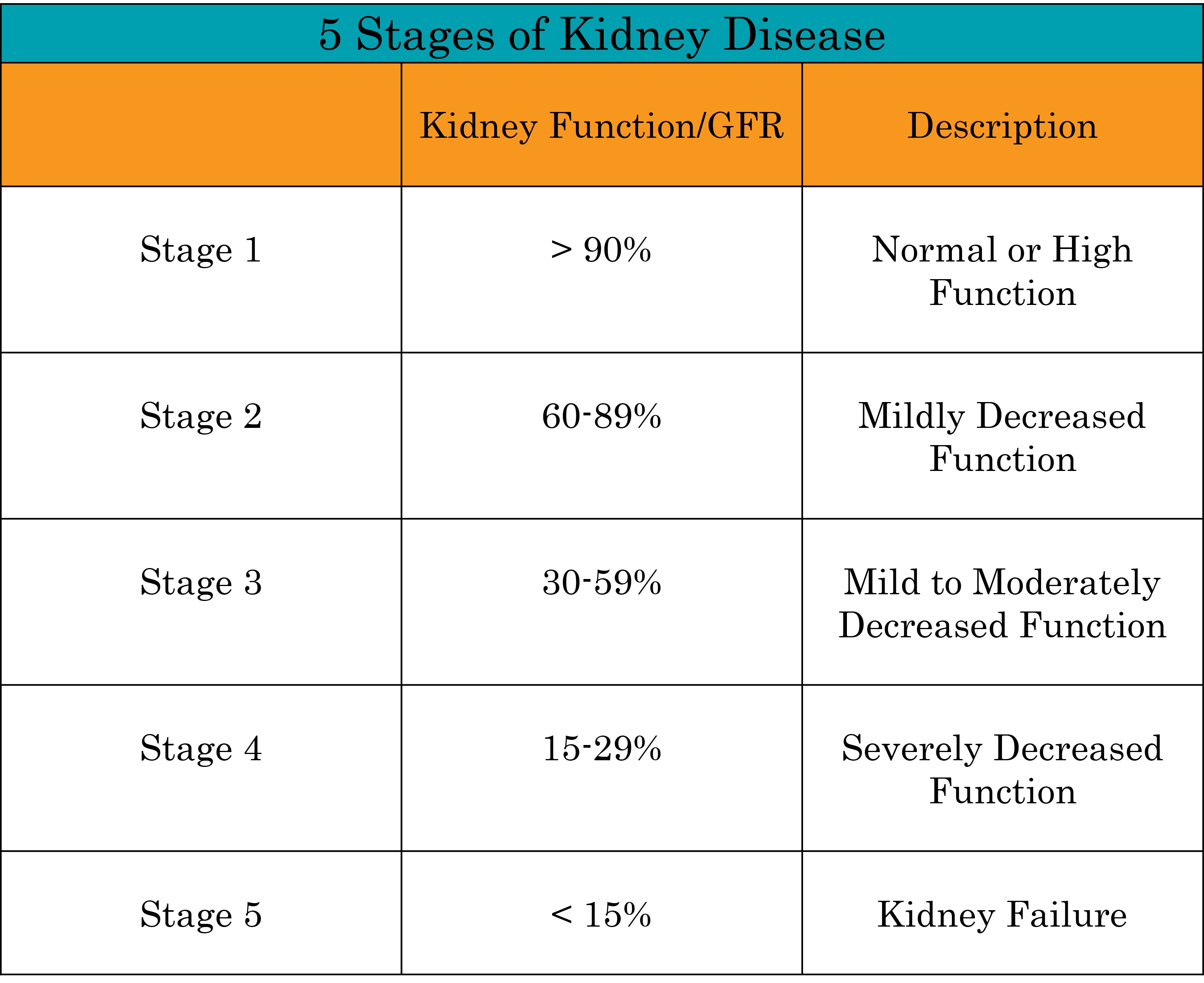
You've landed on this page, likely with a specific goal in mind: to understand and utilize the ckd stages chart effectively. This chart is your go-to reference, a simple yet powerful tool to grasp kidney health and its progression. It's a straightforward guide, offering insights into the kidney disease staging system, which can vary slightly depending on your region and specific context.
A Quick Overview of the CKD Stages Chart
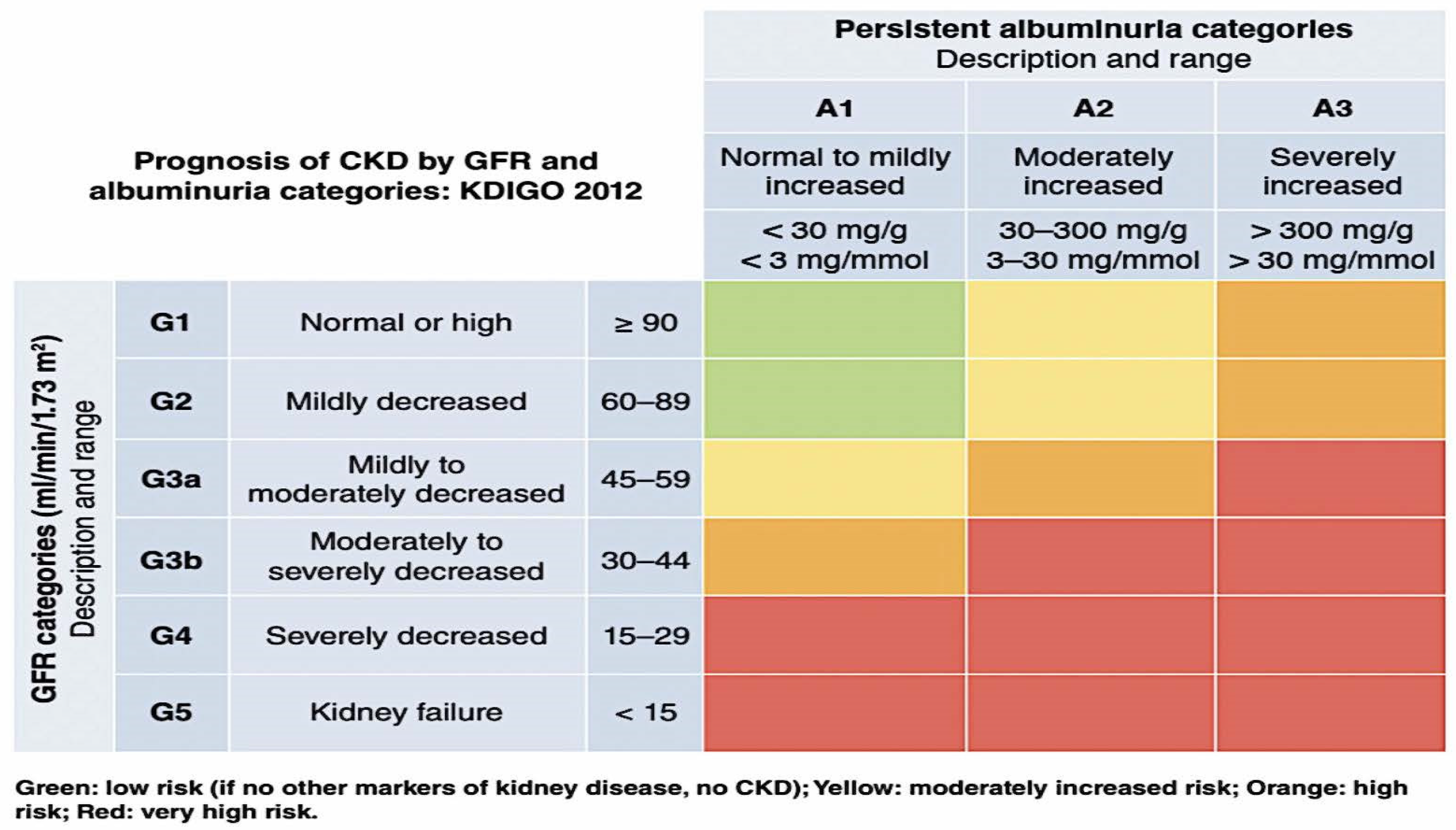
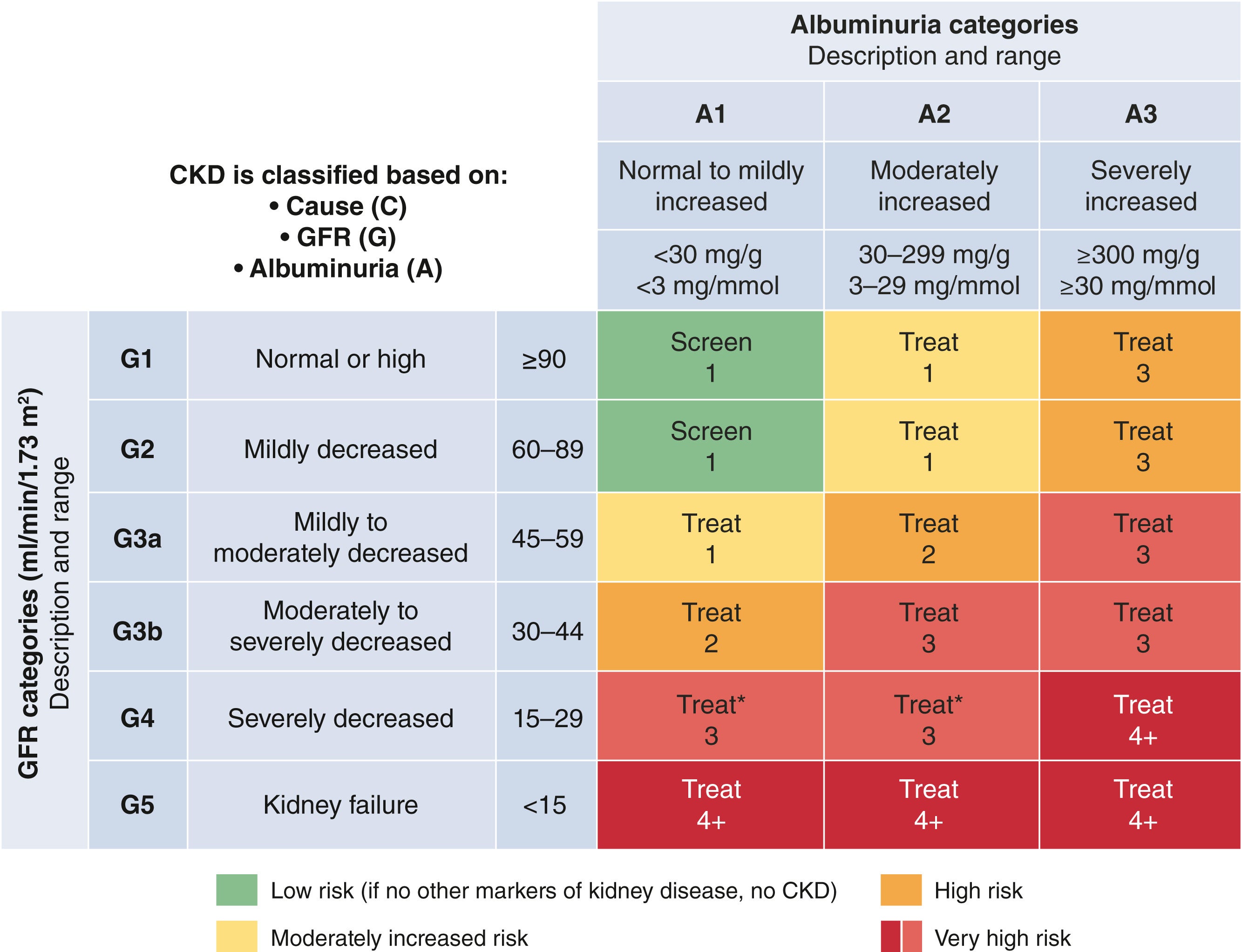
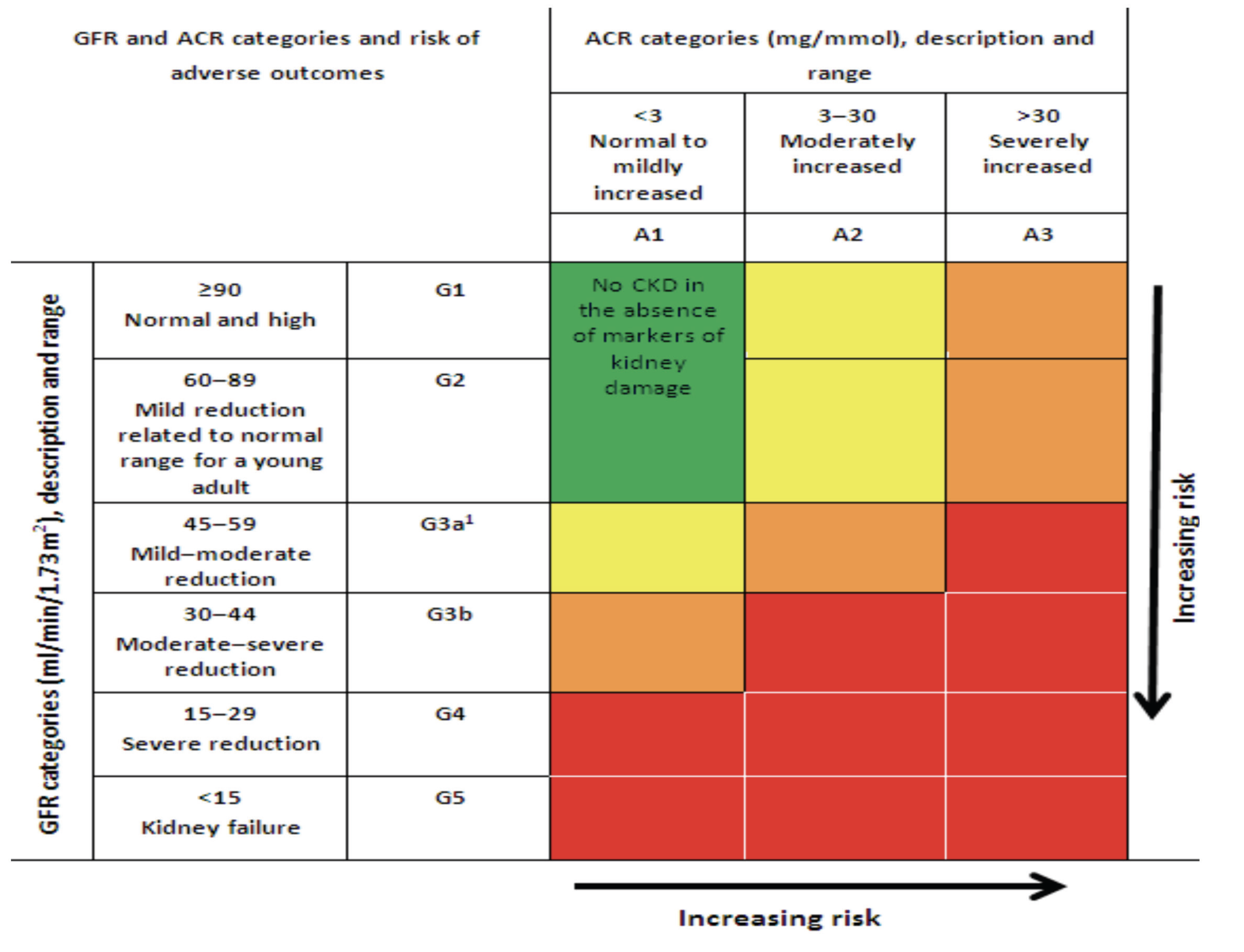
The ckd stages chart is a valuable tool for understanding kidney health and the progression of kidney disease. It provides a clear visual representation of the different stages of chronic kidney disease (CKD), helping patients and healthcare professionals monitor and manage kidney function.
Interpreting the CKD Stages Chart: Key Categories
The chart typically uses a simple scale, often from 1 to 5, to represent the stages of CKD. Each stage corresponds to a specific range of kidney function, with Stage 1 indicating the highest level of kidney function and Stage 5 representing kidney failure. This classification system is based on the glomerular filtration rate (GFR), a key indicator of kidney health.
Step-by-Step Guide to Using the CKD Stages Chart
- Locate your GFR value: This is a crucial step. Your GFR is a measure of how efficiently your kidneys are filtering waste from your blood. It is typically provided by your healthcare provider.
- Identify the stage: Match your GFR to the corresponding stage on the chart. For example, a GFR of 60-89 would be Stage 2.
- Understand the implications: Each stage has specific characteristics and treatment considerations. Stage 1 and 2 often require monitoring and lifestyle adjustments, while later stages may involve more intensive medical interventions.
Common Misunderstandings and How to Avoid Them
One common mistake is assuming that the chart is a one-size-fits-all tool. It's important to remember that individual experiences with CKD can vary greatly. Factors like age, overall health, and other medical conditions can influence kidney function and the progression of CKD. Therefore, it's essential to consult with healthcare professionals for personalized guidance. Additionally, the chart may use different scales or categories depending on the specific CKD classification system being followed. Always confirm the standard being used to ensure accurate interpretation.
Hey there! I hope this guide has given you a clear understanding of the ckd stages chart and its practical use. Remember, while the basics remain the same, the exact details might differ slightly, so always refer to the most relevant and up-to-date sources for your specific needs.
Feel free to explore our other guides; we've got a bunch of helpful resources on various topics that might interest you. Happy reading and learning!