


Moncler Size Chart Sheet Overview
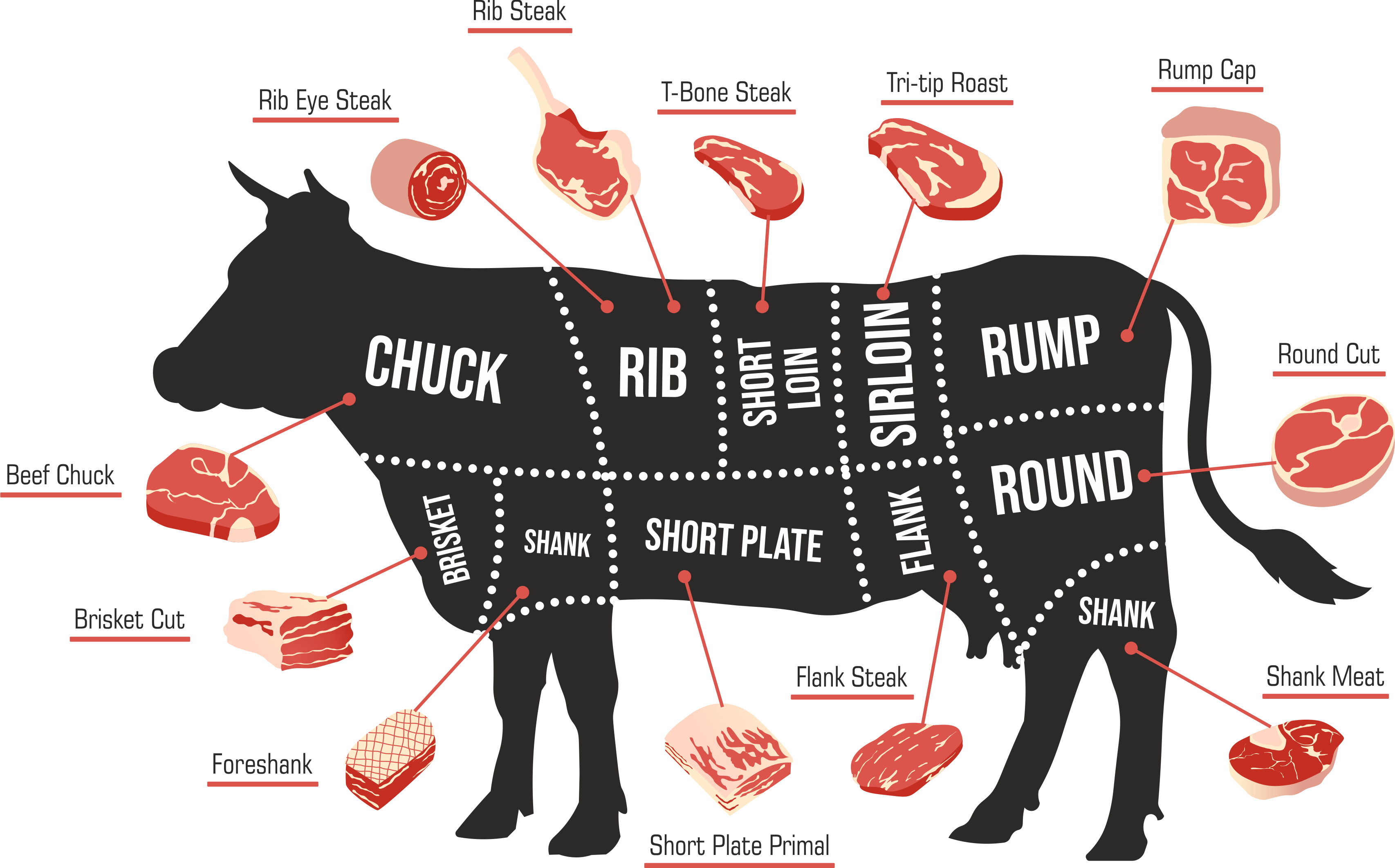
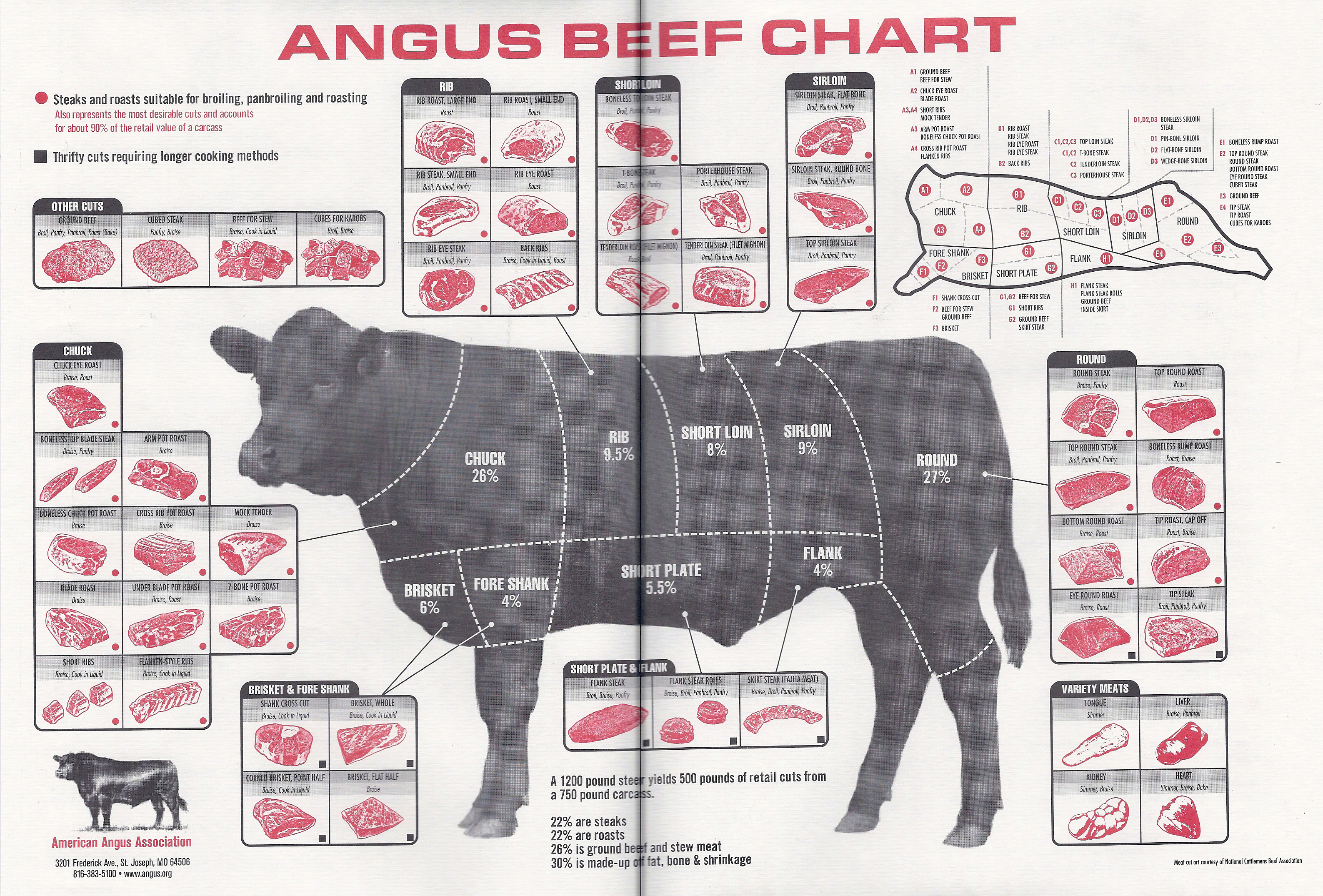
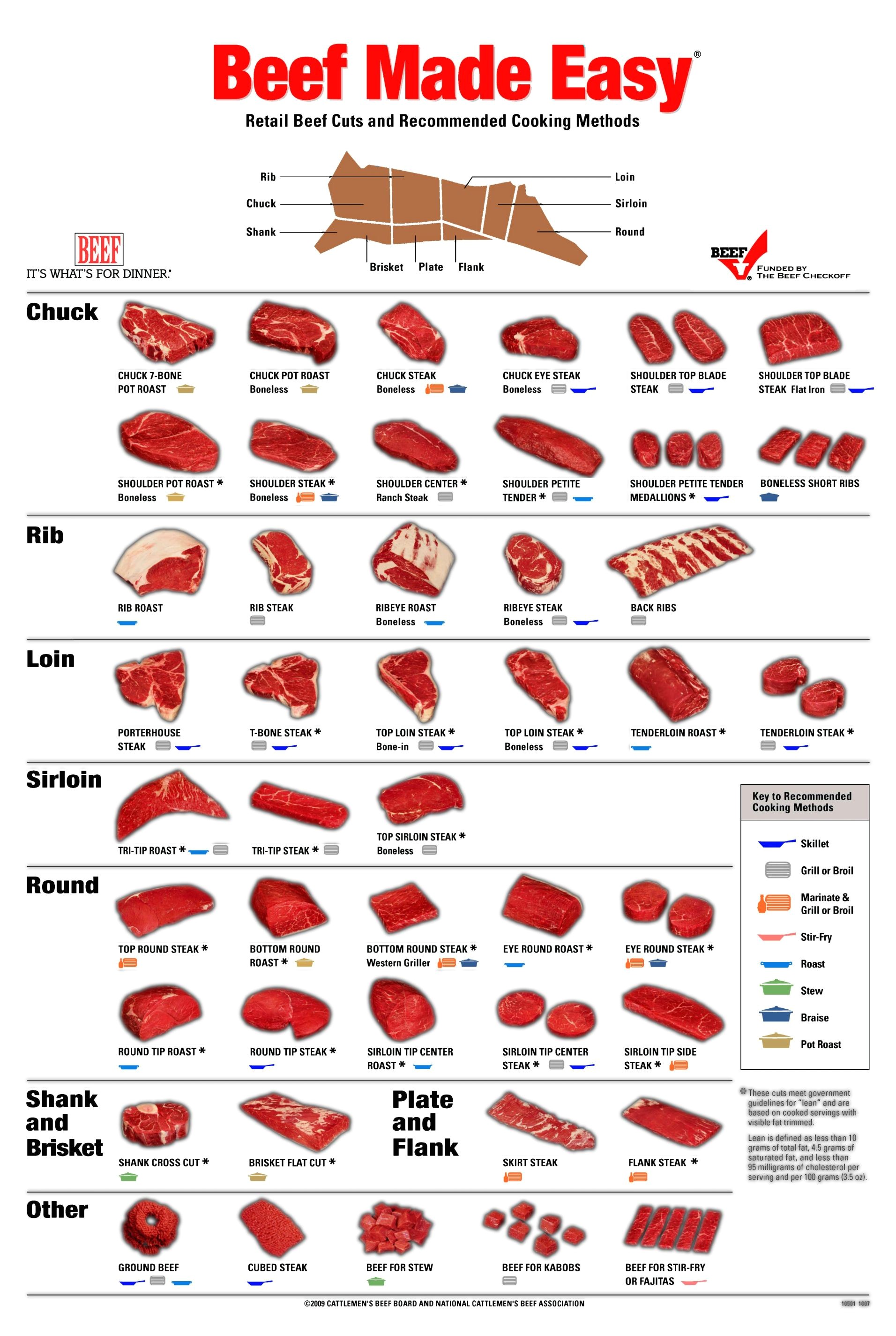
You're likely here because you're seeking a reliable resource, a quick reference guide, or perhaps you're in the middle of a cooking adventure and need to check those beef cuts chart details. It's a handy tool, a visual aid, and a great way to navigate the world of beef cuts, ensuring you can identify and utilize the right cut for your culinary creations. The beef cuts chart offers a simple yet effective way to understand the various cuts, their names, and their ideal uses, be it for grilling, roasting, or slow-cooking. While formats and values may vary slightly depending on your region or the butcher's chart, the fundamentals remain the same, providing a solid foundation for your meat-cooking endeavors.
Understanding the Beef Cuts Chart: A Practical Guide
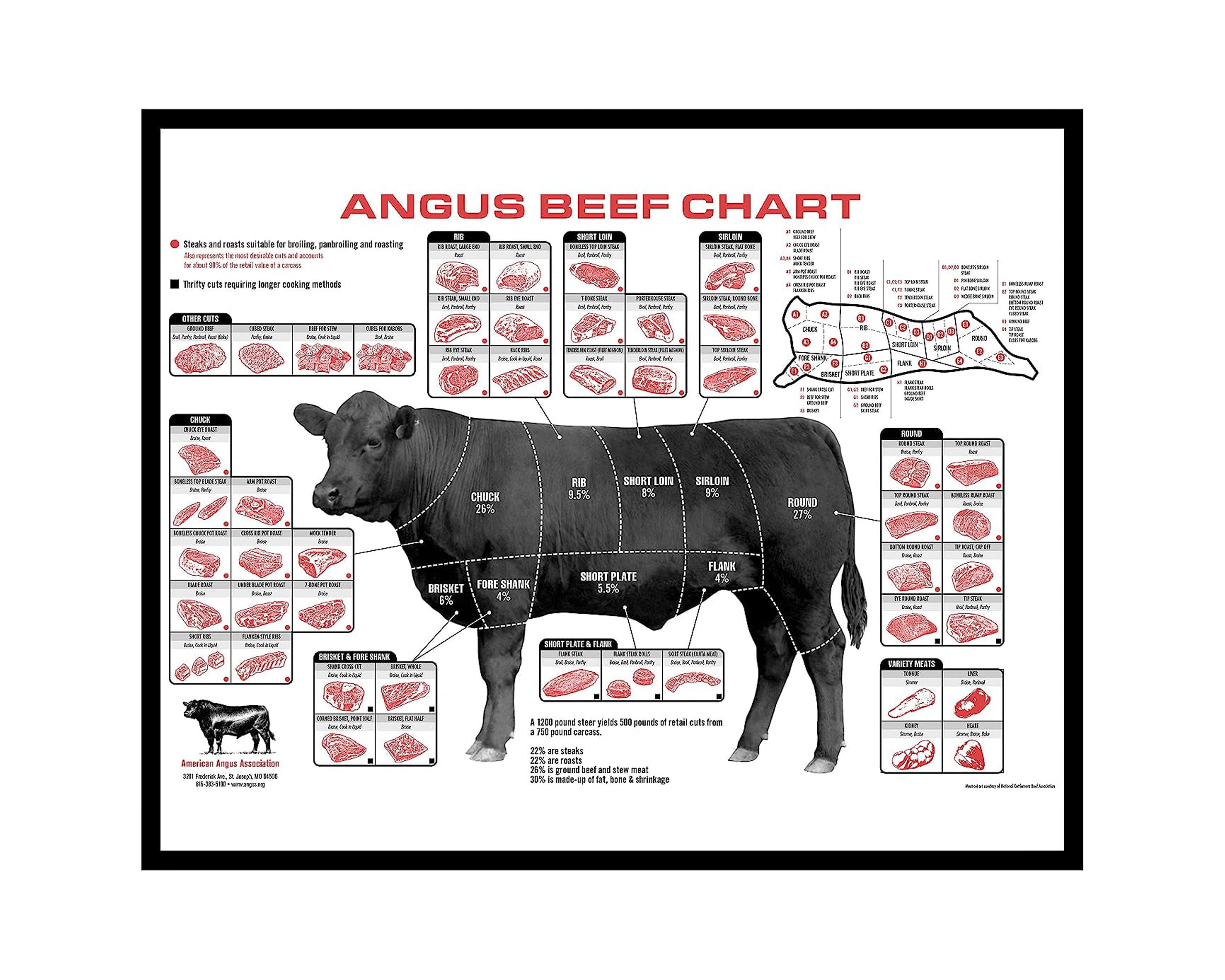
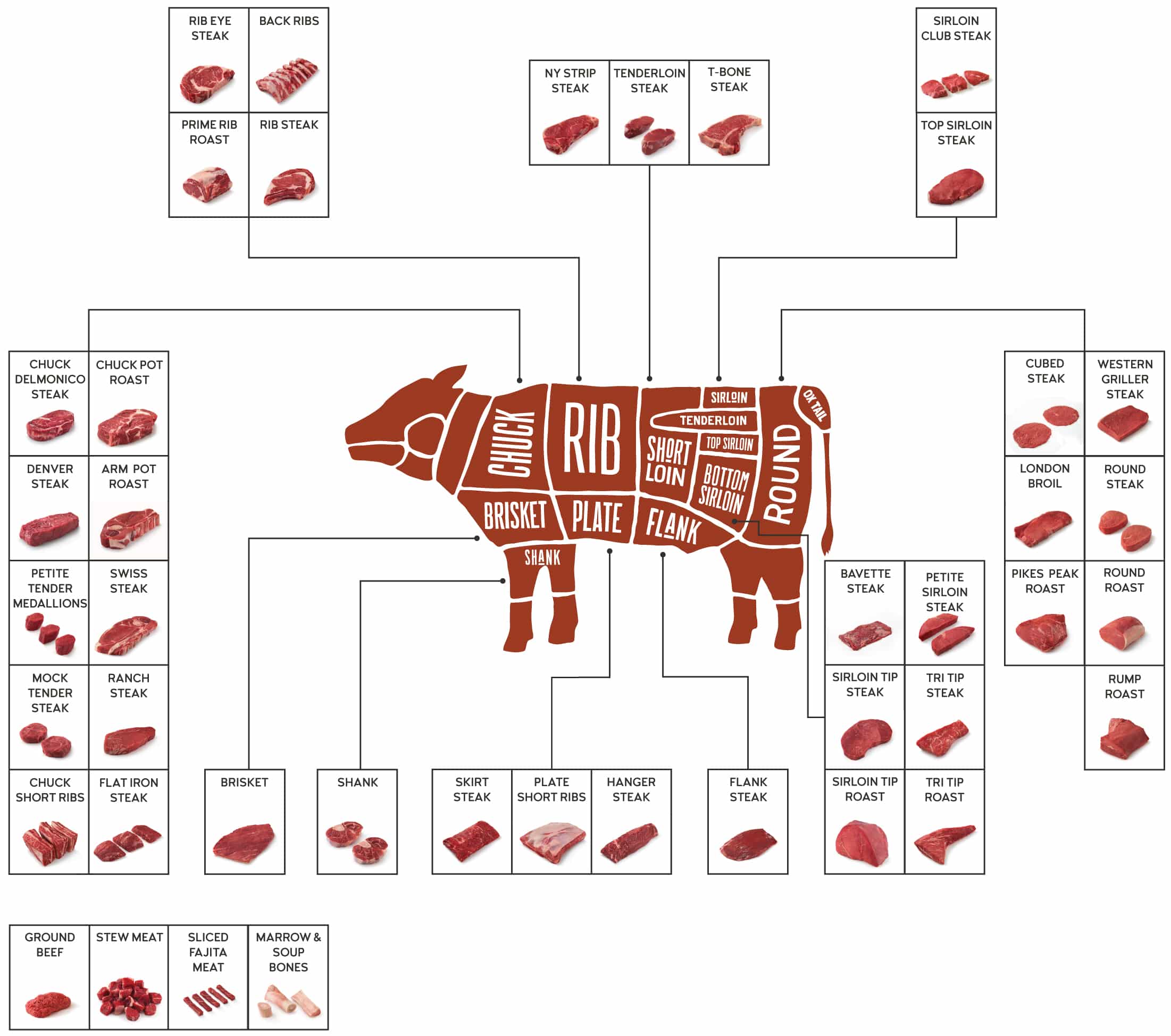
The beef cuts chart is an invaluable tool for anyone who enjoys cooking with beef, offering a comprehensive visual guide to different cuts and their characteristics. This chart provides a quick reference for selecting the right cut for your culinary needs, whether you're looking for a tender steak or a flavorful roast.
Comparing Beef Cuts: Standards and Formats
Beef cuts charts typically organize cuts into categories based on the animal's anatomy, with each cut having its own unique qualities. You'll find categories like "rib," "loin," "chuck," and "round," each with its own sub-cuts. These charts often include additional information such as cooking recommendations, ideal cooking methods, and even storage tips. The format may vary, but the essential details remain consistent, ensuring you can make informed choices.
Step-by-Step Guide to Using the Chart
To utilize the beef cuts chart effectively, follow these steps:
Identify the primary cut you wish to use. This is usually based on the recipe or your desired dish.
Refer to the chart to locate the specific cut. It's helpful to know alternative names or common abbreviations, as these may be used interchangeably.
Check the recommended cooking methods and any special instructions. Some cuts may require specific preparation or cooking techniques to achieve the best results.
Consider the serving size and adjust the quantity as needed. The chart often provides guidance on portion sizes, ensuring you have enough for your meal.
Finally, review any storage tips provided. Proper storage is crucial to maintaining the quality and safety of your beef.
Avoiding Misreadings and Pitfalls
While the beef cuts chart is designed for clarity, a few common misreadings can occur. Here's how to avoid them:
Pay attention to the scale or size of the cut. Some charts may use different scales, so ensure you're interpreting the measurements correctly.
Understand the cooking recommendations. These are often general guidelines, and you may need to adjust cooking times or methods based on your specific oven or grill.
Be aware of regional variations. Different countries or regions may have unique names or classifications for certain cuts, so double-check if you're unsure.
Factors Affecting Accuracy and Real-World Use
Several key factors can influence the accuracy and practical application of the beef cuts chart:
Beef quality: The grade of beef, such as prime or choice, can impact the tenderness and flavor of the cut.
Aging: Proper aging enhances flavor and tenderness. The chart may not specify aging, so consider this factor when selecting your cut.
Cut thickness: Thicker cuts may require adjustments to cooking times.
Personal preference: Your own taste and cooking style can guide your choices, even if they deviate slightly from the chart's recommendations.
Cooking measurements: Ensure you're using the correct units and conversions for your region or standard.
Adapting the Chart for Specific Needs
While the beef cuts chart provides a comprehensive guide, you may need to adapt it for specific recipes or preferences. Here are some tips:
If you're cooking for a large group, adjust portion sizes accordingly.
For special dietary needs, consider alternative cuts or cooking methods that align with those requirements.
If you have a favorite recipe that calls for a specific cut, use the chart to find suitable alternatives if that cut is unavailable.
Experiment with different cooking techniques to discover new flavors and textures.
Remember, the beef cuts chart is a versatile tool, and with a little practice, you'll become an expert at navigating it and creating delicious beef dishes.
Well, there you have it, a comprehensive guide to beef cuts and their uses. Remember, when it comes to selecting the right cut for your culinary creations, it's always wise to consider your specific needs and the context in which you'll be using them.
Feel free to explore our other guides and resources; we've got a whole host of practical information to help you navigate the world of cooking and beyond. Happy browsing, and here's to delicious adventures!
Related: What's the Matrix Color Chart All About?
A matrix color chart can be a powerful tool, but many people underestimate its simplicity and end up overthinking its purpose. It's not as complex as it may seem at first glance! This chart is a straightforward visual aid, offering a clear reference for anyone working with colors. Think of it as a colorimetry cheat sheet, providing an easy-to-read guide to the RGB color model and its various shades. While the specific values and formats may vary, the concept remains the same: a color chart guide to help you navigate the world of colors with confidence.
What is the Matrix Color Chart?
The matrix color chart is a reference tool that provides a visual representation of color, helping users identify and match colors accurately. It is a valuable resource for various industries, from design and printing to manufacturing and retail, where precise color matching is essential. This chart offers a standardized way to communicate and understand color, ensuring consistency across different processes and materials.
Key Details and Prerequisites
The matrix color chart typically consists of a grid or matrix, with each cell representing a specific color. The chart uses a combination of numerical values and color swatches to define each color. The numerical values often refer to the RGB color model, which represents colors using red, green, and blue components. For instance, a color might be described as RGB (255, 0, 0), indicating full red, no green, and no blue. Other color models or systems, like CMYK or HEX codes, can also be used, depending on the industry and standard.
How to Read and Apply the Matrix Color Chart
Reading the matrix color chart is straightforward. Each color is assigned a unique position on the chart, and its corresponding numerical value is listed alongside it. To use the chart, you can:
- Identify the color you need to match or specify.
- Locate the color on the chart by either its position or by comparing it to the color swatches.
- Note down the numerical values associated with that color. These values can then be used to communicate the color accurately to others or input them into design software or printing systems.
- For more precise color matching, especially in critical applications, you may also need to consider additional factors like lighting conditions and material properties.
Understanding Common Color Variations
While the matrix color chart provides a standardized reference, color variations can occur due to various factors. Different lighting conditions, such as natural light, fluorescent lighting, or LED lights, can affect how colors appear. Additionally, the material or substrate on which the color is applied can influence its perception. For example, a color may look different on paper compared to fabric or plastic. These variations are why it's essential to consider the context and intended use when matching colors accurately.
Avoiding Common Mistakes
One common mistake is relying solely on the matrix color chart without considering the specific requirements of your project. It's crucial to understand the limitations and potential variations, especially when working with different materials or lighting environments. Another pitfall is neglecting to calibrate your equipment, such as monitors or printers, which can lead to inaccurate color representations. Regular calibration ensures that the colors you see and produce are as close to the intended values as possible.
Practical Tips for Accurate Results
To achieve accurate color matching, consider the following best practices:
- Always work in a controlled lighting environment to minimize variations.
- Calibrate your devices regularly to maintain color accuracy.
- When possible, use color management systems and profiles to ensure consistency across different devices and materials.
- For critical applications, consider investing in professional color measurement tools, such as spectrophotometers, which provide precise color data.
- Stay updated with industry standards and guidelines to ensure your color references are up-to-date and relevant. By following these tips and understanding the nuances of color representation, you can effectively utilize the matrix color chart and achieve consistent, accurate color results in your projects.
Well, there you have it! A matrix color chart is an incredibly useful tool, offering a simple and visual way to navigate the world of color. It's a handy reference guide that can save you time and effort, ensuring you get the right colors every time.
Remember, while this chart provides a great starting point, it's always wise to double-check the specific requirements for your project. Exact values may vary, so it's best to ensure you're using the right standard and context. Consider bookmarking this page for future reference; it's a quick and easy way to refresh your memory when you need it most!
Related: Understand Wrist Size Chart: A Quick Guide
You're probably here because you need a quick answer, and the wrist size chart is a handy tool for just that. It's a simple yet effective way to get accurate measurements, whether you're sizing up for a new watch or jewelry. This chart, a sizing guide, provides a reliable reference, and it's worth noting that the values may vary slightly depending on your region or the brand's standards.
Understanding the Wrist Size Chart
A wrist size chart is a handy tool that helps you determine the right size for various accessories like watches, bracelets, and even medical equipment. It's a simple yet effective guide, often presented as a table or diagram, that provides a quick reference for wrist measurements.
Key Details and Units
The wrist size chart typically includes two main columns: wrist circumference and corresponding size categories. The wrist circumference is measured in centimeters (cm) or inches, depending on the standard being used. You'll find a range of values, usually from around 12 cm to 22 cm, with each value representing a specific wrist size. Alongside these measurements, you'll see size categories, often labeled with letters or numbers, which indicate the appropriate accessory size.
How to Read and Apply the Chart
Using the wrist size chart is straightforward:
Measure your wrist circumference. This is done by wrapping a flexible tape measure around your wrist at the point where you'd wear a watch or bracelet. Ensure the tape is snug but not too tight.
Locate your measurement on the chart. Find the value that matches your wrist circumference.
Determine your size category. The chart will provide a letter or number corresponding to your measurement. This is your size category.
Select the right accessory. When shopping for watches, bracelets, or other wrist-worn items, refer to the size category you've identified. Most manufacturers will provide a size guide, ensuring you choose the perfect fit.
Variations and Differences
It's important to note that wrist size charts may vary slightly depending on the standard or region. Some charts might use different units of measurement, like millimeters (mm) or even a combination of cm and inches. Additionally, certain manufacturers or brands might have their own unique sizing systems, so always double-check the specific guidelines provided by the brand you're interested in.
Common Mistakes and How to Avoid Them
When using a wrist size chart, one common mistake is measuring your wrist incorrectly. Ensure you follow the instructions precisely to get an accurate reading. Another pitfall is assuming all charts are universal. Always check the units and standards used on the chart to ensure it aligns with your needs. Additionally, be aware that some accessories, like medical equipment, might require more precise measurements, so always refer to the specific guidelines provided. Finally, remember that wrist sizes can change slightly throughout the day due to factors like temperature and activity levels, so consider measuring at different times for the most accurate result.
Hey there! I hope this guide has been helpful in understanding wrist size charts and their practical use. Remember, while the basics remain the same, exact values can vary, so always double-check your source.
Don't forget to bookmark this page for future reference. It's a handy tool to have at your fingertips, and you never know when you might need to measure a wrist or two!