







Monster Colouring In Pages Overview
A coat size chart can be a tricky business, and many of us have experienced the frustration of getting it wrong. It's easy to assume that one size fits all, but that's not the case!
This simple reference tool, whether a table or diagram, is your friend and can save you time and potential sizing disasters. While the values and formats may vary depending on the brand and region, the coat size chart offers a reliable guide to ensure you find the perfect fit. It's a quick and easy way to navigate the often confusing world of garment sizing.
Understanding the Coat Size Chart: A Quick Overview
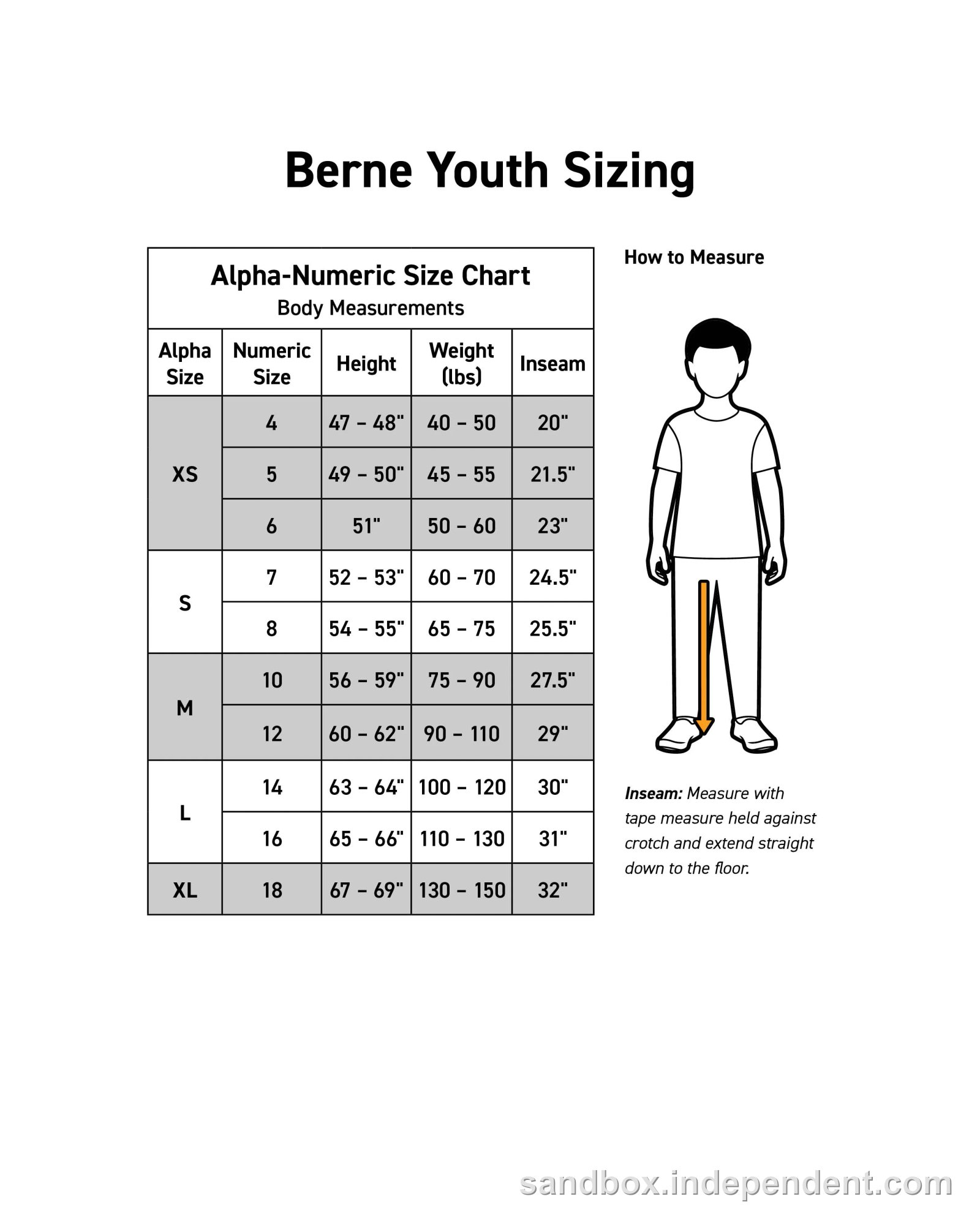
The coat size chart is your practical guide to finding the perfect fit for your coats and jackets. It's a reference tool that simplifies the process of selecting the right size, ensuring comfort and style. This chart provides a standardized way to match your body measurements with the corresponding coat size, making shopping easier and more accurate.
Comparing Standard Sizing Systems and Formats
Coat size charts can vary depending on the standard used. The most common systems are the US standard sizes and the international or metric sizes. These systems have different measurements and categories, so it's essential to know which standard the chart follows. US sizes often use alphabetical letters (e.g., S, M, L) and numerical sizes (e.g., 6, 8, 10), while international sizes typically use numerical ranges (e.g., 36, 38, 40) and may include additional letters (e.g., XS, XL).
Practical Steps to Use the Coat Size Chart Accurately
Using the coat size chart is straightforward:
- Measure your body: Take accurate measurements of your chest, waist, and hips. These are the key areas for coat sizing.
- Find your size: Locate your measurements on the chart. Match your chest measurement to the corresponding size column. If your waist and hip measurements fall within the same size range, great! If not, choose the size that best fits your chest and consider adjusting the fit with a belt or tailoring.
- Consider the style: Different coat styles may have varying fits. Some are designed to be more relaxed and loose-fitting, while others are tailored and fitted. Check the product description or consult the size guide for specific style recommendations.
- Double-check: Always refer to the product's size guide or specifications. Some brands may have slight variations in their sizing, so it's best to confirm the exact measurements and tolerances.
Common Misreadings and Pitfalls to Avoid
Here are some key factors to keep in mind to avoid sizing mistakes:
- Garment measurement standards can vary: Coats and jackets may have different fit preferences, so always check the product's specific size guide.
- International clothing sizes may differ: If you're shopping internationally, be aware of the size conversions. Some countries use different sizing systems, so a size 10 in one country might not be the same as a size 10 elsewhere.
- Body measurement guide: Ensure you measure yourself accurately. Loose or tight clothing during measurement can affect the result. Stand upright and measure snugly but comfortably.
- Consider the fabric: The stretch and drape of the fabric can impact the fit. Natural fibers like wool may have more give, while synthetic fabrics might be more structured.
- Personal preference: Sizing is not one-size-fits-all. Some people prefer a looser fit, while others like a more tailored look. Consider your personal style and comfort when choosing a size.
Hey there! We hope this coat size chart guide has been helpful in your quest for the perfect fit. Remember, while we've covered the basics, the exact values might differ slightly depending on the brand or standard you're referring to. It's always a good idea to check the specific guidelines for each item you're eyeing.
Feel free to explore our other guides on similar topics. We've got a range of practical resources to help you navigate the world of fashion and sizing with ease. Happy browsing and happy shopping!
Related: Need a canvas size? Check our chart!
You've stumbled upon the canvas sizes chart, a handy tool for artists and creators, and you're eager to dive right in. This chart is your quick reference guide, offering a clear overview of canvas dimensions, from the standard sizes to the more unique formats. It's a simple yet effective way to ensure you choose the right canvas for your next masterpiece, and it can vary depending on your region and preferences.
Understanding the Canvas Sizes Chart
The canvas sizes chart is your go-to guide for all things related to canvas dimensions. It's a handy reference tool that simplifies the process of choosing the right canvas size for your art or project. This chart provides a clear overview of standard canvas sizes, helping you make informed decisions and avoid any potential sizing headaches.
Standard Sizes Explained
When you look at a canvas sizes chart, you'll notice a range of sizes, each represented by a specific code or label. These codes often consist of numbers and letters, like '12x16' or 'M4'. The numbers indicate the dimensions in inches or centimeters, depending on the standard being used. The letters, if present, often represent a specific format or ratio, such as 'M' for metric or 'S' for a standard ratio. It's important to note that the units and categories can vary based on the standard, so always double-check the specific chart you're using.
Practical Size Selection: A Step-by-Step Guide
Selecting the right canvas size is a breeze with this simple process:
Identify the purpose: Are you painting a landscape, a portrait, or something abstract? Different subjects may require specific ratios or sizes.
Choose your standard: Decide if you prefer the metric system or imperial measurements. This choice will determine the units used on your chart.
Refer to the chart: Locate the desired dimensions on the canvas sizes chart. The chart will provide the corresponding code or label for that size.
Cross-reference: If needed, check the dimensions against your specific project requirements. Ensure the size aligns with your vision and any practical constraints.
Variations and Differences
While the canvas sizes chart provides a comprehensive guide, variations can occur due to different standards and contexts. For instance, the metric and imperial systems have distinct measurement units, which can lead to slight differences in size. Additionally, some manufacturers may have their own unique sizing systems, especially for larger or specialized canvases. It's crucial to be aware of these variations and ensure you're using the correct chart for your needs.
Common Mistakes and How to Avoid Them
One common pitfall is assuming that all canvas sizes are universal. Always check the standard being used to avoid confusion. Another mistake is neglecting to consider the aspect ratio. Different ratios can significantly impact the final look of your artwork, so choose wisely. Lastly, don't forget to account for the thickness of the canvas itself, as this can affect the overall dimensions.
Tips for Accurate Results
To ensure precision, always measure your workspace or display area before selecting a canvas size. This step is especially crucial for larger projects. Additionally, consider the scale of your subject matter. A small, intricate painting may require a different size canvas than a bold, large-scale piece. Trust your artistic instincts and let the chart guide you towards the perfect size.
Double-Checking and Edge Cases
While the canvas sizes chart covers a wide range of standard sizes, it's important to remember that exceptions exist. If you have a unique or non-standard project, you may need to customize your canvas size. In such cases, consult with a professional framer or artist who can guide you through the process and ensure your specific requirements are met.
Hey there, I hope this canvas sizes chart has been a helpful reference for your projects. Remember, while the basics are covered here, exact values can vary slightly depending on the context and the source you're working with, so always double-check if you're unsure.
Feel free to explore other guides on our site for more practical tips and insights. We've got a range of topics covered, so you can find the information you need to tackle any creative challenge!
Related: Healthcare Construction Management Firms Essential Guide
Healthcare construction management firms are an essential part of the healthcare industry, but have you ever considered the behind-the-scenes work that goes into building and maintaining these facilities? Let's explore what these firms do and why they're crucial for healthcare.
What's the Deal with Healthcare Construction Management?
Healthcare construction management firms are the experts who oversee the entire construction process for medical facilities, from hospitals to clinics and everything in between. They handle the planning, coordination, and execution of these complex projects, ensuring they meet all the necessary regulations and standards. Think of them as the conductors of a healthcare construction orchestra, keeping everything in sync.
These firms bring together a team of professionals, including architects, engineers, contractors, and healthcare specialists, to create functional and safe spaces. They manage budgets, timelines, and resources, often navigating unique challenges specific to the healthcare industry. For instance, they might need to work around a hospital's ongoing operations or ensure that new equipment installations meet strict medical standards.
Hiring and Costs: What to Know
When it comes to hiring a healthcare construction management firm, it's important to do your research. These projects can be costly, so getting multiple quotes is a must. Compare apples to apples by looking at what's included in each quote: some firms might offer more comprehensive services, while others might specialize in certain areas. Ask about their experience with similar projects and check references to ensure they deliver quality work.
Cost is a big factor, and it can vary widely depending on the scope and complexity of the project. Materials, labor, and location all play a role. For instance, a hospital renovation in a busy urban area might cost more due to higher material and labor rates. Always get a detailed breakdown of costs to understand where your money is going.
Company Names and the Industry
In the world of healthcare construction management, company names often reflect their expertise and values. Some might go for a straightforward approach, like "Healthcare Construction Experts," while others might opt for something more creative, like "MedBuild Solutions." A good name should be memorable and convey the firm's specialty.
Here are a few original name ideas:
- HealthBuild
- MedPro Construction
- Vitality Builders
- CareConstruct
- MedTech Builders
- HealthHub Construction
Remember to check name availability and secure the right domains and local registrations before finalizing your choice.
Industry Insights and Jobs
The healthcare construction management industry offers a range of roles, from project managers who oversee the entire process to estimators who calculate costs and timelines. These professionals often work closely with healthcare providers and architects to understand their needs and bring their vision to life.
If you're interested in a career in this field, you'll likely find job openings advertised through specialist construction job boards or directly on company websites. Salaries can vary depending on experience and the specific role, but these jobs often offer competitive packages due to the high demand for skilled professionals.
Wrapping Up
Exploring the world of healthcare construction management firms reveals the intricate work that goes into creating functional healthcare spaces. From managing costs to hiring the right team, these firms play a vital role in ensuring our healthcare facilities are up to standard. So, the next time you step into a well-designed medical facility, remember the experts who made it all possible!