


Monthly Cleaning Invoice Overview
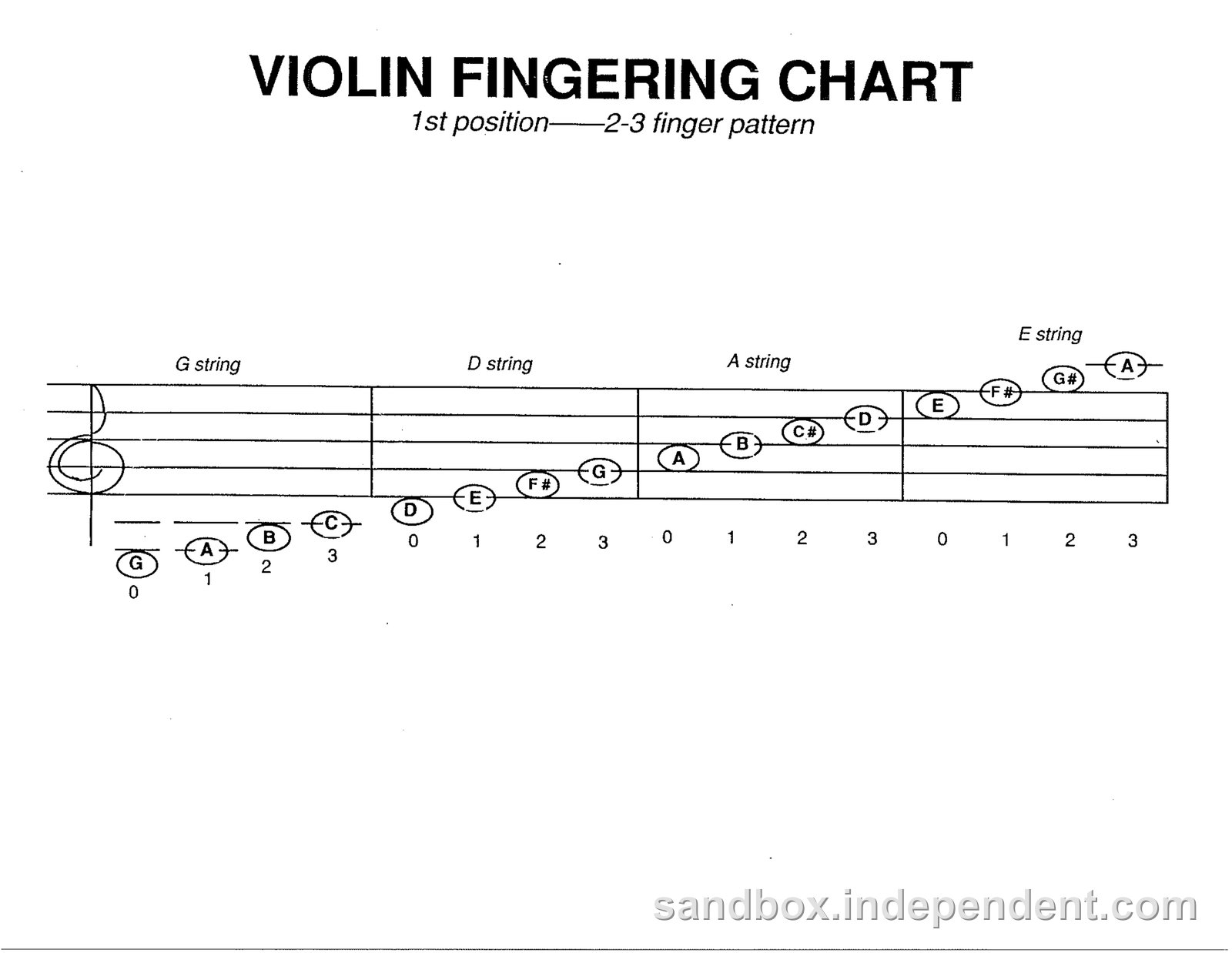
A violin notes chart is a handy tool for any violinist, offering a quick glance at the notes and their positions. This guide will cover the basics, helping you navigate and utilize this reference effectively.
The chart provides a visual representation of the violin's strings and their corresponding notes. While the standard tuning is a common reference point, it's worth noting that variations can occur, especially with different playing styles and regional traditions.
Understanding the Violin Notes Chart
The violin notes chart is a handy tool for any violinist, offering a visual guide to the notes and their positions on the fingerboard. It's like a map, helping you navigate the strings and find the right notes with ease. This chart is especially useful for beginners, providing a clear reference point as they learn to play.
Comparing Note Patterns and Formats
There are various types of violin notes charts, but the most common format shows the fingerboard with frets or positions marked. Each fret or position corresponds to a specific note. You'll often see charts with different colors or symbols to indicate the notes on each string. Some charts also include finger placement guides, showing you where to position your fingers for each note.
Using the Chart: A Step-by-Step Guide
- First, familiarize yourself with the chart. Understand the layout and how the notes are represented. Each string has its own unique set of notes, so pay attention to the differences.
- Next, locate the open strings. These are the notes played without pressing any fingers on the fingerboard. You'll see them at the top of the chart, typically marked as G, D, A, and E.
- Now, start exploring the notes on each string. Press your finger at the indicated positions to play the corresponding notes. For example, if the chart shows a green circle at the third position on the D string, that indicates the note F#.
- Practice moving between notes smoothly. Try playing scales or simple melodies using the chart as a guide. The more you practice, the easier it will be to memorize the note positions.
- As you advance, you can explore alternative tunings and more advanced techniques. The chart can still be a valuable tool, even for experienced players, as it provides a quick reference for less familiar pieces or new styles.
Common Misreadings and How to Avoid Them
One common mistake is assuming that the chart represents the exact position of your fingers. Remember, it's a guide, and your hand size and finger length may vary. Always adjust the finger placement slightly to find the most comfortable and accurate position for your hand.
Another pitfall is ignoring the context. The chart provides a general guide, but the specific piece you're playing may require slight variations. Always refer to the sheet music or listen to the piece to understand the intended notes and their context.
Factors Affecting Accuracy and Real-World Use
The accuracy of the violin notes chart depends on several factors. Firstly, the chart's scale and size can impact its precision. A larger chart may provide more detail, but it's essential to find a balance between size and portability.
Secondly, the chart's design and formatting can affect its usability. Look for charts with clear, easy-to-read fonts and colors. Avoid overly complex designs that may distract from the main purpose of the chart.
Lastly, remember that the chart is a tool, not a substitute for practice and musical understanding. It's a guide to help you find the right notes, but the real magic happens when you internalize the music and play with expression and feeling.
Hey there! We've covered a lot of ground in this blog post, giving you a comprehensive guide to violin notes charts. Remember, these charts are a handy tool, and while the basics remain the same, you might find slight variations depending on your specific needs and the source you're using.
So, the next time you're practicing or teaching, be sure to bookmark this page for a quick reference. It's always good to have these resources at your fingertips, and we've got plenty more guides to explore, so feel free to dive in and discover more!
Related: What is an NPT Size Chart?
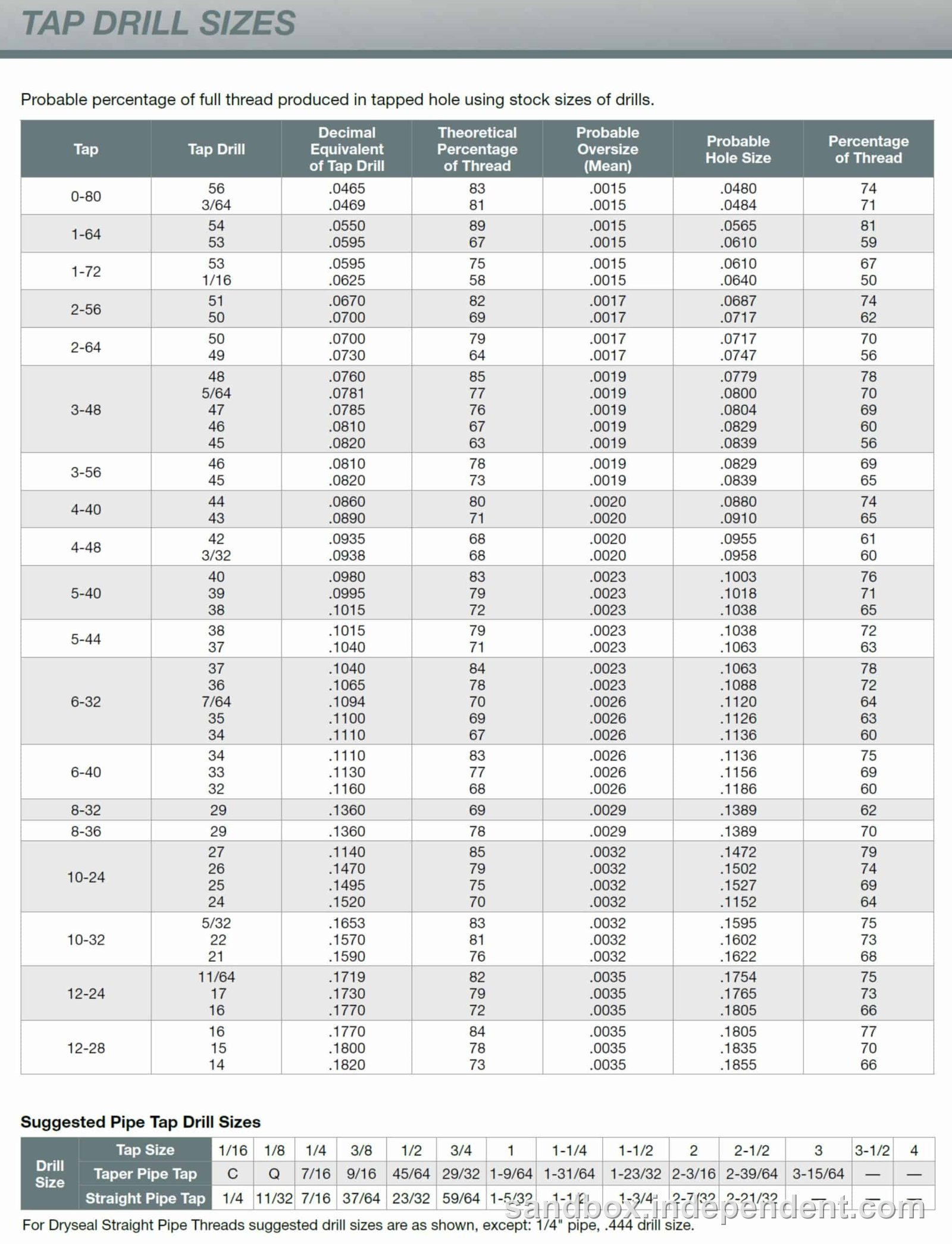
An NPT size chart is a valuable resource for anyone working with pipe fittings and connections. This guide will provide you with an overview of what these charts entail and how they can be utilized effectively.
The NPT size chart offers a standardized way to identify and select the right pipe threads and fittings. It covers various dimensions, including thread sizes, tapers, and other specifications, which can vary depending on the region and application. By referring to this chart, you can ensure accurate and compatible connections, a critical aspect of any plumbing or piping project.
Understanding the NPT Size Chart
The NPT size chart is a valuable reference tool for anyone working with National Pipe Thread (NPT) fittings and connections. It provides a clear overview of the standard sizes and dimensions, ensuring accurate selections and installations.
Key Details and Categories
This chart outlines the various NPT thread sizes, including their outer diameter, thread pitch, and taper. It typically covers a range of sizes, from the smallest to the largest, with each size category providing specific measurements. The units used are inches, a common standard for NPT threads.
Reading the Size Chart: A Step-by-Step Guide
- Identify the size category you need. The chart will likely have a column or section dedicated to size categories, such as 1/8", 1/4", 1/2", and so on.
- Once you've identified the size, locate the specific dimensions. These will include the outer diameter (OD), which is the overall size of the pipe or fitting, and the thread pitch, which is the distance between threads.
- For a more detailed analysis, some charts may also provide information on the taper, which is the angle of the thread relative to the pipe axis. This is particularly important for ensuring a proper seal and connection.
- Finally, double-check the tolerance levels. While the chart provides standard dimensions, there may be slight variations or tolerances allowed for each size. These tolerances ensure that different NPT fittings can still connect effectively, even with minor manufacturing differences.
Common Variations and Differences
While the NPT size chart provides a standardized reference, variations can occur due to different manufacturing processes, materials, and regional standards. For instance, while the chart typically uses inch measurements, some regions may use metric units, leading to slight differences in dimensions. Additionally, while the chart provides standard sizes, some manufacturers may offer slightly modified dimensions to suit specific applications. It's essential to refer to the exact specifications provided by the manufacturer or supplier to ensure compatibility and accuracy.
Well, there you have it, a handy guide to navigating the NPT size chart. It's always a good idea to familiarize yourself with these charts and their nuances, especially when precision is key.
Remember, while this chart provides a comprehensive overview, exact values can vary slightly across different standards and sources. So, be sure to double-check your specific requirements and context before making any final decisions. Consider bookmarking this page for future reference; it might just save you some time and effort the next time you need it!
Related: How to Read a Cap Size Chart?
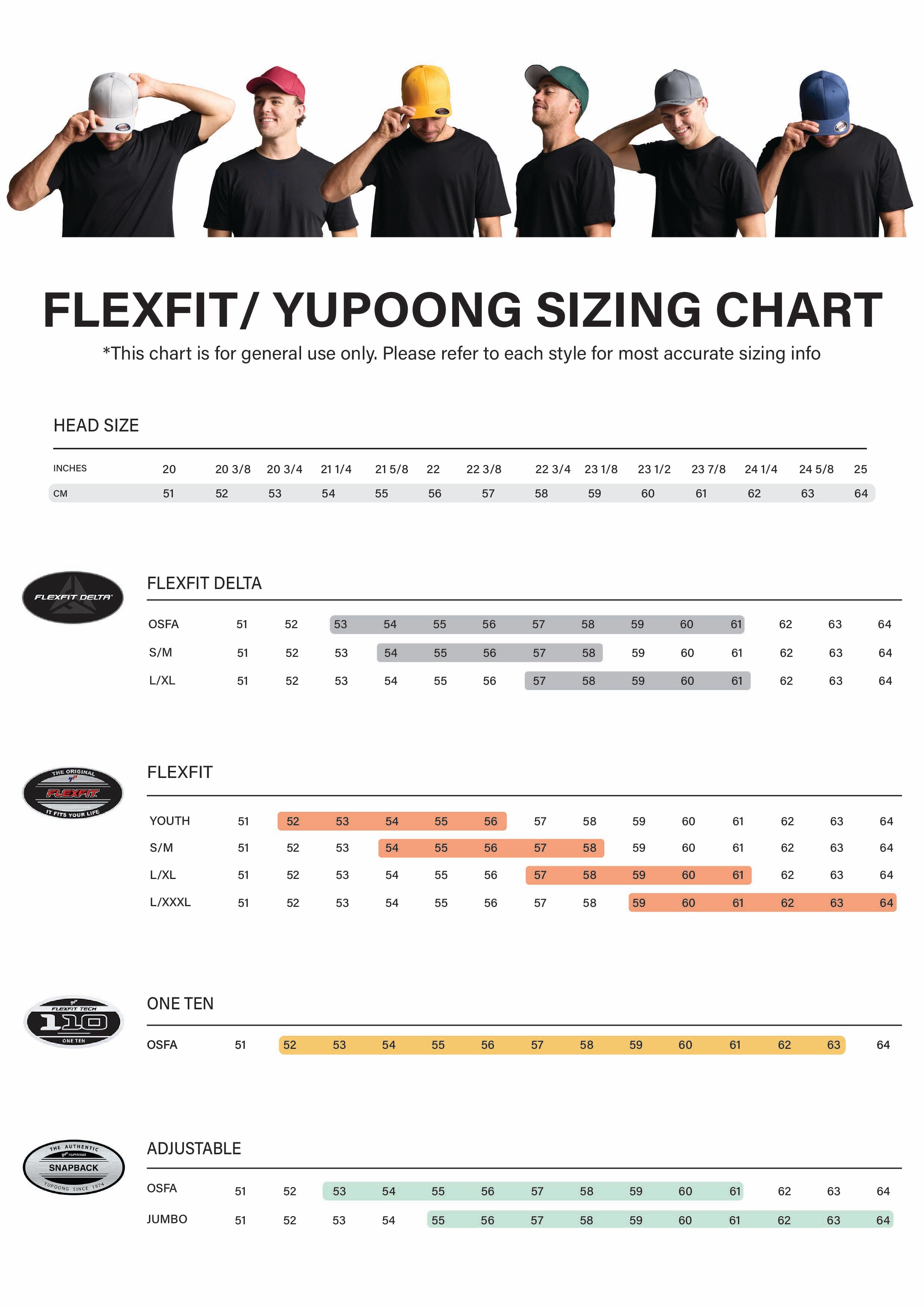
You're probably here because you need a quick fix, a simple solution to a sizing dilemma. Well, you've come to the right place! The cap size chart is your handy tool, a quick reference guide to ensure you get the perfect fit every time. It's a straightforward way to measure and match your head size to the right cap, and it's a lifesaver when you're in a rush or shopping online. This chart offers a simple solution, and it's worth familiarizing yourself with, especially if you want to avoid those pesky sizing mistakes!
Understanding the Chart: A Quick Overview
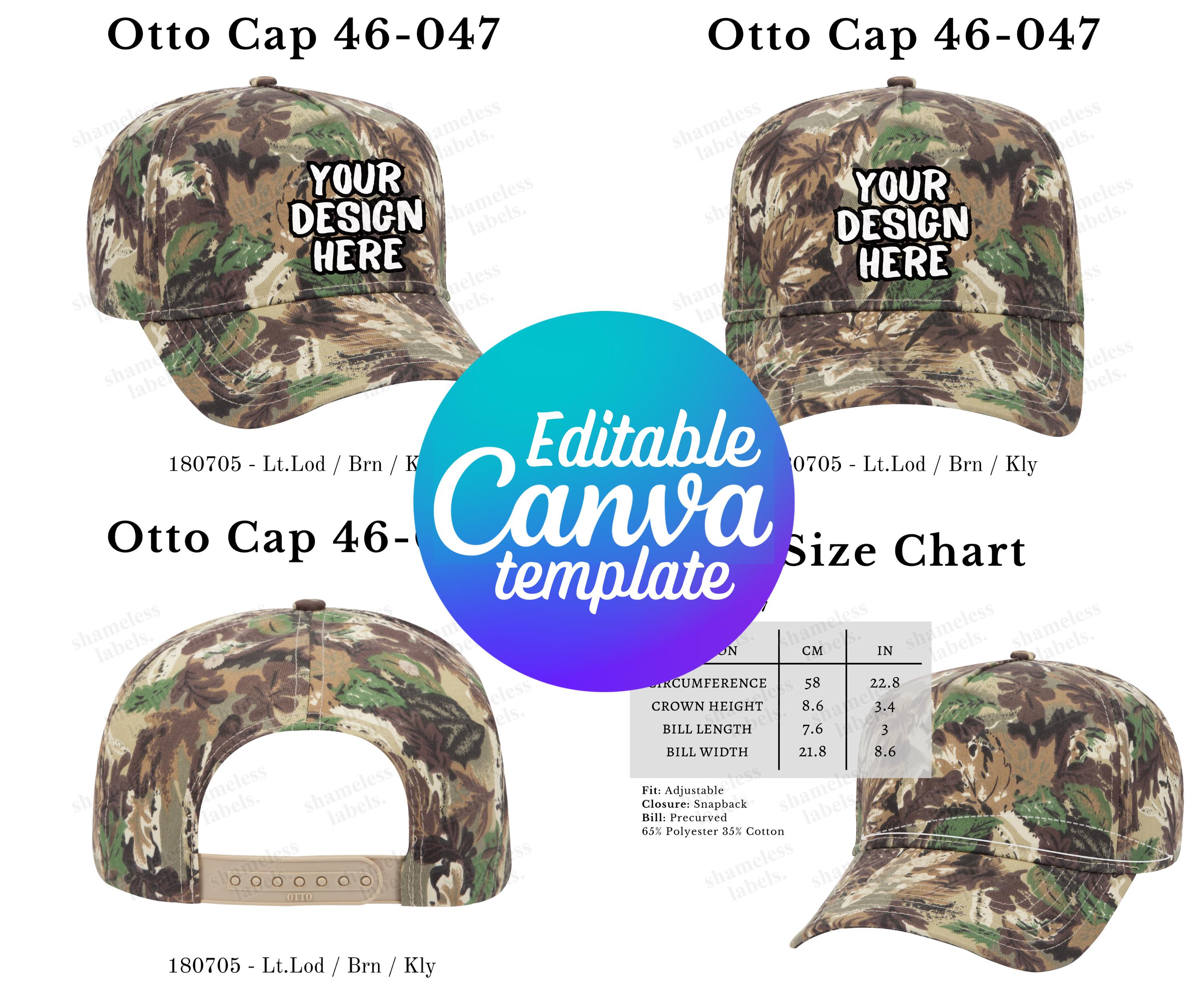
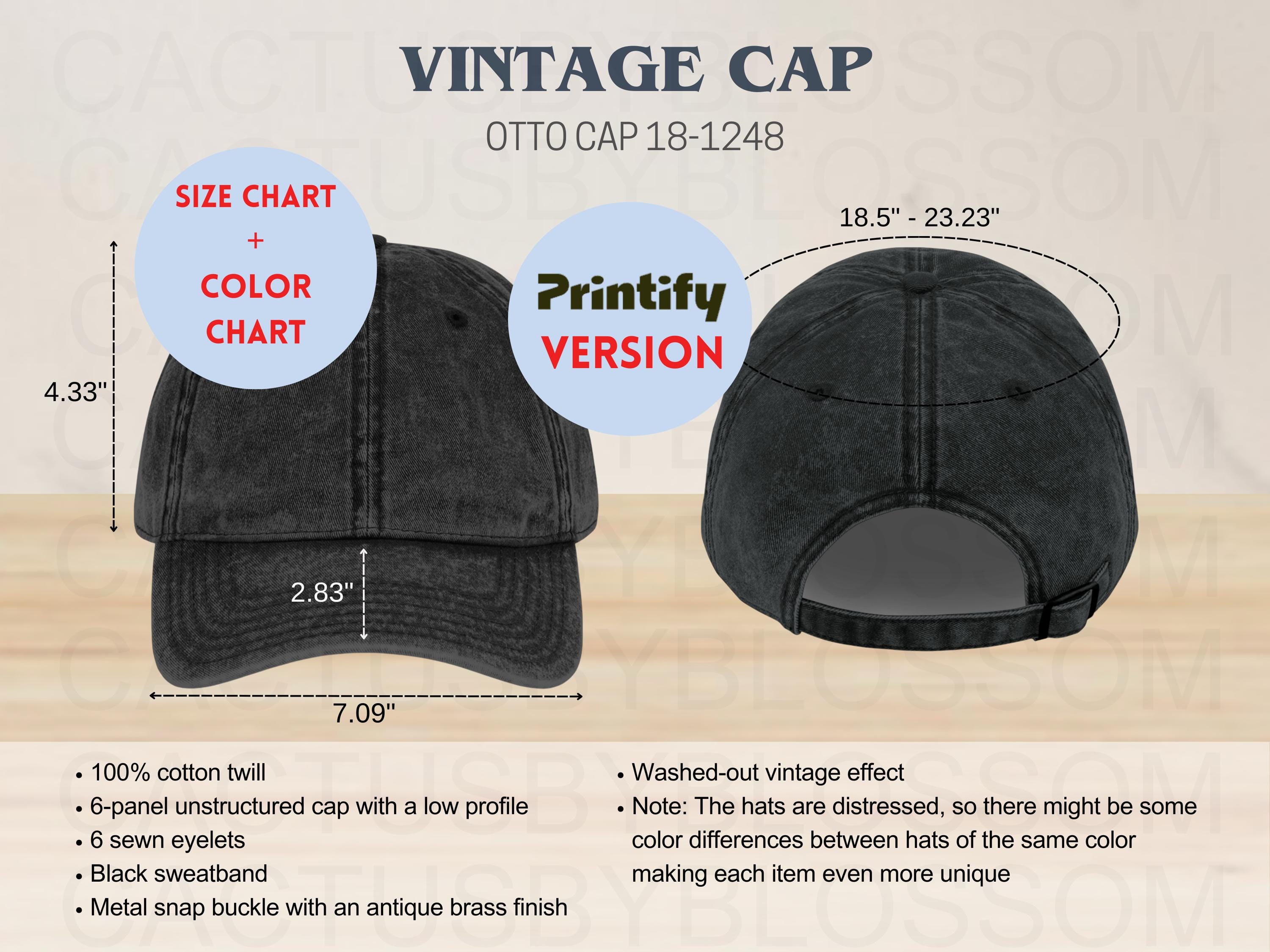
The cap size chart is a handy tool that helps you find the perfect fit for your headwear. It's a simple guide, often presented as a table or diagram, that matches your head measurements to the right cap size. This chart ensures your caps are neither too tight nor too loose, providing a comfortable and secure fit.
Comparing Common Cap Sizes and Standards
Cap size charts typically use two main standards: metric and imperial measurements. The metric system is widely used internationally and offers precise measurements in centimeters. On the other hand, the imperial system, common in the US, uses inches. These standards determine the cap circumference, which is the key measurement for finding your ideal cap size.
Step-by-Step Guide to Using the Cap Size Chart
Measure your head circumference: Take a flexible tape measure and wrap it around your head, just above your ears and across your forehead. Ensure it's not too tight or too loose. Note down the measurement in either centimeters or inches, depending on your preference or the chart's standard.
Refer to the cap size chart: Look for the column or row that corresponds to your head circumference measurement. The chart will provide you with a recommended cap size based on this measurement.
Adjust for comfort: While the chart offers a guide, personal preference plays a role. If you prefer a looser fit, consider going up a size. For a snugger fit, especially for activewear, you might want to choose a slightly smaller size.
Check the hat sizing chart: Some charts provide additional information, such as hat sizing. This can be useful if you're looking for a specific hat style and want to ensure it fits well.
Avoiding Common Misreadings and Pitfalls
It's important to remember that the cap size chart is a guide, and individual preferences may vary. While it provides a reliable starting point, you might need to make slight adjustments to find your perfect fit. Always double-check the chart's measurements and ensure they align with your head size guide. If you're between sizes, consider trying both and choosing the one that feels most comfortable.
Key Factors Affecting Accuracy and Real-World Use
Several factors can influence the accuracy of the cap size chart. Firstly, the chart's measurements may vary slightly depending on the manufacturer and the intended use of the cap. For instance, a baseball cap might have different sizing standards compared to a beanie. Additionally, personal factors like hair volume and style can impact the fit. If you have thick hair or a hairstyle that adds volume, you might need to adjust the size accordingly. Always consider these factors and refer to the specific cap's instructions or sizing guidelines for the most accurate fit.
Well, that's a wrap on our cap size chart adventure! We've covered a lot of ground, from understanding the different options to nailing down the key steps for accurate measurements.
Remember, when it comes to getting the right fit, always double-check your specific needs and the guidelines for your chosen standard or source. Exact values can vary slightly, so it's good to be aware of that.
Consider bookmarking this page for future reference; it's a handy tool to have at your fingertips when you need it most!