








Monthly Meal Planner Template Overview
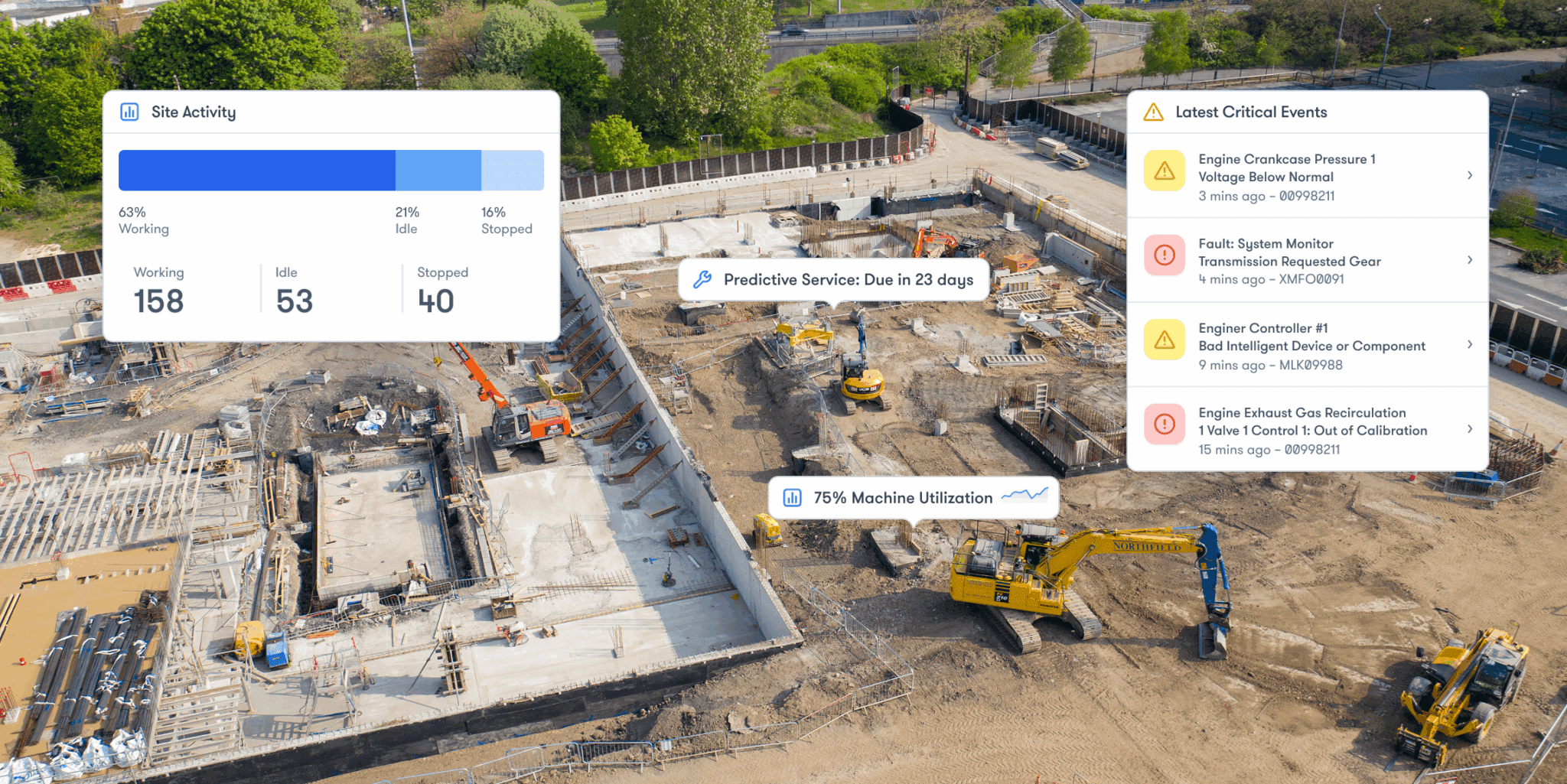
Top construction management companies are a key part of any major building project, but when you're not in the industry, it can be hard to know where to start. So, let's break it down and explore what these companies do and why they matter.
What's the Deal with Top Construction Management Companies?
These companies are the experts who oversee the entire construction process, from planning and budgeting to managing contractors and ensuring the work is completed on time and to a high standard. They're like the conductors of an orchestra, keeping everything in harmony and on beat.
When you're taking on a big building project, whether it's a new home, a renovation, or a commercial development, you want to make sure it's done right. That's where these companies come in. They bring a wealth of experience and knowledge to the table, ensuring your project runs smoothly and efficiently.
Hiring the Right Team
When it comes to hiring a top construction management company, there are a few key things to consider. First, check their track record and experience. You want a company that has a proven history of successful projects, especially in the type of work you need. Ask for references and take the time to call and chat with previous clients.
Next, look at their team. A good company will have a range of skilled professionals, from project managers and estimators to site supervisors and safety officers. Make sure they have the right people for the job and that their team is well-organized and communicates effectively.
Finally, get quotes from a few different companies. Compare their proposals, not just on price, but also on the scope of work, timeline, and any guarantees or warranties they offer. A detailed, itemized quote is a good sign that they've thought through the project thoroughly.
Company Names and the Industry
In the construction industry, company names can be a bit of a giveaway. Often, they'll include the founder's name, a reference to the type of work they do, or a unique, memorable phrase. For example, "Smith & Sons Construction" or "Blue Sky Builders."
When coming up with a name for your construction business, think about what makes you unique and how you can stand out. Keep it simple, memorable, and reflective of your brand. And don't forget to check name availability and secure the right domain and local registration before you start using it.
Industry Insights and Tools
The construction industry has its own language and tools. One you might have heard of is RSMeans, a popular cost database and estimating tool. It's a go-to resource for many in the industry, providing accurate cost information for a range of construction projects.
Other tools and topics to be aware of include escalation, which refers to the increase in construction costs over time, and the cost indexes, which track and predict these changes. These tools are essential for accurate budgeting and forecasting, especially on larger, long-term projects.
Taking the Next Step
If you're ready to dive into a construction project, whether it's a renovation or a new build, consider reaching out to a few top construction management companies in your area. They can provide valuable insights, help you navigate the process, and ensure your project is a success.
Remember, it's all about finding the right team for your vision and ensuring they have the skills and experience to bring your project to life.
Related: How to Use the Bar Chart Creator?
You're here because you need a bar chart creator tool, and you're right to seek one out. These charts are a handy way to present data visually, and with a good bar chart creator, you can quickly turn your numbers into a clear, easy-to-read graph. Whether it's a simple vertical bar chart or a more complex stacked or grouped design, the right tool will ensure your data is accurately represented.
What is a Bar Chart Creator?
A bar chart creator is a powerful tool that allows you to visualize data in a simple and effective way. It's an essential resource for presenting information clearly, making it easy to compare and analyze different categories or values. With a bar chart, you can quickly grasp trends and patterns, making it a popular choice for data representation.
Key Details: Understanding the Basics
Before diving into the specifics, let's cover some fundamental aspects. A bar chart typically consists of a horizontal axis (x-axis) and a vertical axis (y-axis). The x-axis represents the categories or groups you are comparing, while the y-axis displays the corresponding values or measurements. The bars themselves are usually vertical, with their lengths indicating the magnitude of each value. It's crucial to ensure your chart has clear and accurate axis labels, as these provide context for your data.
Reading and Applying Bar Charts: A Step-by-Step Guide
- Start by identifying the categories or groups you want to compare. These could be different products, time periods, or any other relevant factors.
- Next, gather the corresponding data points for each category. Ensure your data is reliable and consistent, as this is key to accurate analysis.
- Create your bar chart by plotting the categories on the x-axis and their respective values on the y-axis. The bars should be evenly spaced and of appropriate width to ensure clarity.
- Consider using color coding to enhance the visual appeal and make specific categories stand out. However, be mindful of color blindness and use a limited color palette for better accessibility.
- Add axis labels and a title to provide context. Ensure the labels are descriptive and easy to understand.
- Interpret the chart by comparing the heights of the bars. Longer bars indicate higher values, while shorter bars represent lower values. Look for patterns or trends across categories.
- Use the bar chart to make informed decisions or draw conclusions. For example, you might identify the most popular product or the time period with the highest sales.
Variations and Differences: Understanding Context
Bar chart creators can vary depending on the specific context and industry standards. For instance, some charts may use a different scale or range of values, especially when dealing with large datasets. Additionally, the bar width and spacing can impact the visual representation, so it's essential to follow best practices or guidelines relevant to your field. Always refer to industry-specific standards or consult experts to ensure your bar chart accurately represents your data. While bar chart creator tools provide a standardized approach, it's crucial to adapt and customize them for your unique needs and data.
Hey there, chart enthusiasts! We hope you found this guide helpful in understanding the ins and outs of bar chart creation. Remember, while the basics remain the same, the exact details can vary slightly depending on the context and the tools you're using.
Feel free to explore our other guides to uncover more practical tips and tricks for creating effective visual representations of data. We've got a whole library of resources to help you on your data visualization journey, so dive in and discover more!
Related: Find the Perfect Fit: Chicos Size Chart Guide
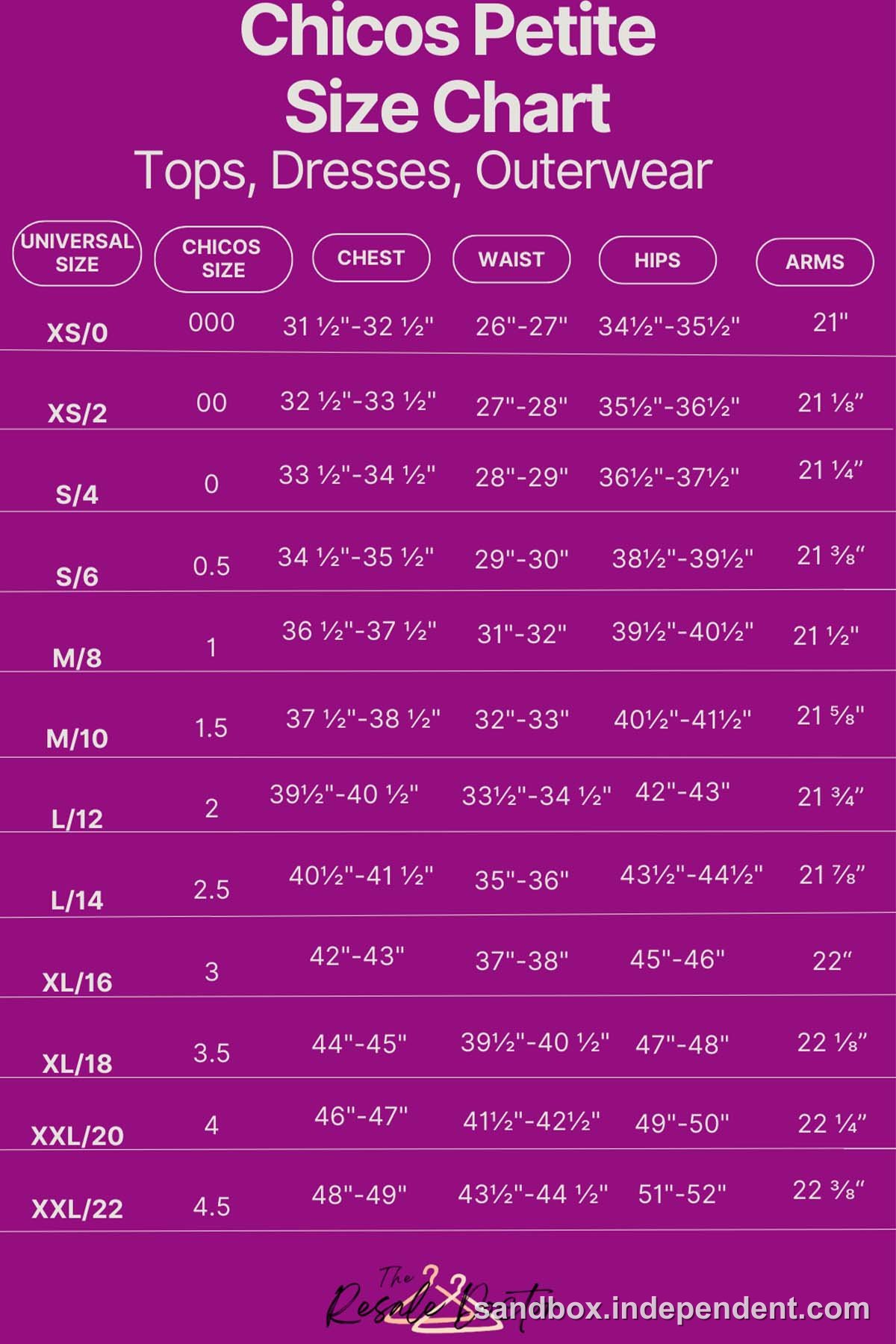
Many shoppers may approach the chicos size chart with some hesitation, assuming it's a complex and confusing tool. However, it's quite the opposite; this chart is a straightforward and invaluable resource for anyone navigating the world of clothing sizes.
The beauty of the chicos size chart lies in its simplicity and consistency. While size charts can vary slightly across brands and regions, the Chicos chart offers a reliable and standardized guide, ensuring a seamless shopping experience for its customers. With a quick glance, you can confidently understand your size and make informed choices, whether you're shopping online or in-store.
Understanding the Chicos Size Chart
The chicos size chart is a valuable tool for anyone looking to find their perfect fit in Chicos clothing. It provides a clear and organized guide to help you determine your size based on your body measurements. By following this chart, you can ensure a comfortable and flattering fit for your Chicos wardrobe.
Key Details and Categories
The chicos sizing guide typically includes measurements for bust, waist, and hip, which are the primary categories to consider. These measurements are presented in inches or centimeters, depending on the standard being used. The chart offers a range of sizes, usually starting with smaller sizes and progressing to larger ones, covering a wide range of body types. It's important to note that Chicos, like many clothing brands, may have slight variations in their sizing charts, so always refer to the specific chart provided by Chicos for the most accurate information.
How to Read and Apply the Size Chart
To use the chicos size chart effectively, follow these steps:
- Measure your bust, waist, and hip using a measuring tape. Ensure the tape is straight and not twisted, and that it sits comfortably around your body without squeezing or sagging.
- Locate your measurements on the chart. Find the size that aligns with your bust, waist, and hip measurements. If your measurements fall between two sizes, consider the overall fit you prefer. A looser fit may be more comfortable, while a closer fit can create a more tailored look.
- Take into account the fabric and style of the garment. Some fabrics have more give, so a slightly smaller size may work, while structured garments may require a more precise fit.
- If you're between sizes or unsure, don't hesitate to contact Chicos' customer support for further guidance. They can provide additional advice based on the specific garment and your preferences.
Size Variations and Common Causes
It's important to understand that size charts can vary across brands and even within a brand's different product lines. Here are some factors that can contribute to size variations:
- Fabric and design: Different fabrics and styles can affect the fit and sizing of a garment. Stretchier fabrics may accommodate a wider range of sizes.
- Regional standards: Clothing size charts can differ based on regional standards. For example, a US size may not align perfectly with an international size chart.
- Body shape: Everyone's body is unique, and variations in body shape can impact how a size chart applies to you. Curves, height, and proportion can all influence the fit.
- Manufacturing tolerances: Even within a brand, there can be slight variations in sizing due to manufacturing processes. Always refer to the specific size chart for the garment you're interested in.
Remember, the chicos size chart is a helpful guide, but it's not an exact science. By understanding your body measurements and the factors that can influence sizing, you can make informed choices and find the perfect Chicos outfit that flatters your figure.
Chicos size charts are a handy tool to have at your disposal, especially when you need to find the perfect fit. Remember, these charts are a guide, and while they provide a consistent framework, exact values can vary.
So, before you finalize your measurements, take a moment to ensure you're using the right chart for your specific needs. With that in mind, you're all set to tackle your sizing challenges! Consider bookmarking this page for future reference; it might just save you some time and effort the next time you need to refer to a size chart.