

Monthly Planner Format Overview
You're probably here because you need a quick fix, a simple solution to a sizing dilemma. Well, you've come to the right place! The cap size chart is your handy tool, a quick reference guide to ensure you get the perfect fit every time. It's a straightforward way to measure and match your head size to the right cap, and it's a lifesaver when you're in a rush or shopping online. This chart offers a simple solution, and it's worth familiarizing yourself with, especially if you want to avoid those pesky sizing mistakes!
Understanding the Chart: A Quick Overview
The cap size chart is a handy tool that helps you find the perfect fit for your headwear. It's a simple guide, often presented as a table or diagram, that matches your head measurements to the right cap size. This chart ensures your caps are neither too tight nor too loose, providing a comfortable and secure fit.
Comparing Common Cap Sizes and Standards
Cap size charts typically use two main standards: metric and imperial measurements. The metric system is widely used internationally and offers precise measurements in centimeters. On the other hand, the imperial system, common in the US, uses inches. These standards determine the cap circumference, which is the key measurement for finding your ideal cap size.
Step-by-Step Guide to Using the Cap Size Chart
Measure your head circumference: Take a flexible tape measure and wrap it around your head, just above your ears and across your forehead. Ensure it's not too tight or too loose. Note down the measurement in either centimeters or inches, depending on your preference or the chart's standard.
Refer to the cap size chart: Look for the column or row that corresponds to your head circumference measurement. The chart will provide you with a recommended cap size based on this measurement.
Adjust for comfort: While the chart offers a guide, personal preference plays a role. If you prefer a looser fit, consider going up a size. For a snugger fit, especially for activewear, you might want to choose a slightly smaller size.
Check the hat sizing chart: Some charts provide additional information, such as hat sizing. This can be useful if you're looking for a specific hat style and want to ensure it fits well.
Avoiding Common Misreadings and Pitfalls
It's important to remember that the cap size chart is a guide, and individual preferences may vary. While it provides a reliable starting point, you might need to make slight adjustments to find your perfect fit. Always double-check the chart's measurements and ensure they align with your head size guide. If you're between sizes, consider trying both and choosing the one that feels most comfortable.
Key Factors Affecting Accuracy and Real-World Use
Several factors can influence the accuracy of the cap size chart. Firstly, the chart's measurements may vary slightly depending on the manufacturer and the intended use of the cap. For instance, a baseball cap might have different sizing standards compared to a beanie. Additionally, personal factors like hair volume and style can impact the fit. If you have thick hair or a hairstyle that adds volume, you might need to adjust the size accordingly. Always consider these factors and refer to the specific cap's instructions or sizing guidelines for the most accurate fit.
Well, that's a wrap on our cap size chart adventure! We've covered a lot of ground, from understanding the different options to nailing down the key steps for accurate measurements.
Remember, when it comes to getting the right fit, always double-check your specific needs and the guidelines for your chosen standard or source. Exact values can vary slightly, so it's good to be aware of that.
Consider bookmarking this page for future reference; it's a handy tool to have at your fingertips when you need it most!
Related: Need an Alo Size Chart?
The alo size chart is a valuable tool for anyone seeking a reliable guide to sizing, especially for activewear enthusiasts. This comprehensive guide covers the essential aspects of understanding and utilizing the alo size chart effectively. It provides a clear and concise reference for navigating the world of clothing sizes, ensuring a perfect fit for your activewear needs.
Understanding the Alo Yoga Size Chart
The alo yoga size chart is a valuable tool for anyone looking to purchase alo yoga apparel, ensuring a perfect fit. This guide will help you navigate the chart, understand its categories, and make informed size choices.
Comparing Size Chart Standards
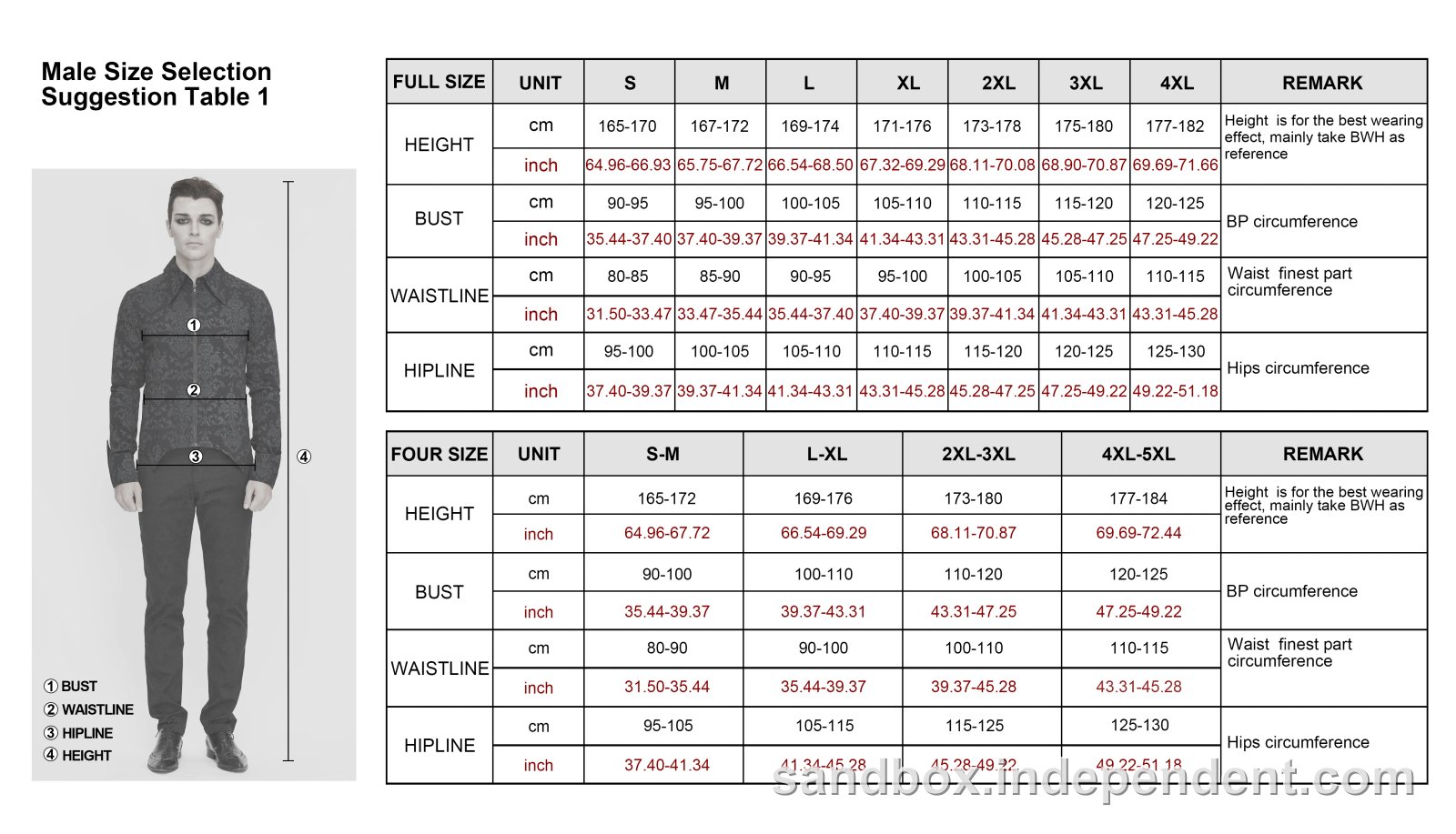
Size charts can vary depending on the brand and region. Alo yoga size charts typically follow US standard sizing, but it's essential to check the specific chart for any variations. These charts provide a range of sizes, often in small, medium, and large categories, with corresponding numerical values for bust, waist, hip, and inseam measurements.
Step-by-Step Guide to Using the Alo Size Chart
Here's a simple process to ensure you choose the right size:
Measure yourself accurately. Use a flexible tape measure to record your bust, waist, hip, and inseam dimensions. Ensure the tape is parallel to the floor and not too tight.
Refer to the alo yoga size chart. Find your closest match for each measurement. For instance, if your bust measurement is 34 inches, look for the size that corresponds to this value on the chart.
Consider the garment's intended use. If you're buying alo yoga pants, you might want a snug fit for better movement. In this case, choose the size that aligns with your smallest measurement.
Check the size guide notes. Some charts provide additional information, such as whether a garment runs small or large. This can help you make a more precise choice.
Convert if necessary. If you're more familiar with metric measurements, use a conversion tool to ensure accuracy.
Avoiding Common Misreadings
It's easy to misinterpret size charts, especially if you're not used to them. Here are some tips to avoid mistakes:
Don't assume all brands use the same sizing. Always refer to the specific brand's chart.
Be aware of the size categories. Some charts use letters (S, M, L), while others use numbers (e.g., 4, 6, 8). Ensure you're reading the right column or row.
Consider the garment's style. Fitted styles might require more precise measurements, while loose-fit garments offer more flexibility.
Factors Affecting Size Accuracy
Several factors can influence the accuracy of your size choice:
Body composition: Muscle mass and body fat distribution can affect your measurements.
Garment design: Different alo yoga styles might have varying fits, so always check the product description.
Personal preference: Some might prefer a looser fit, while others go for a more tailored look.
Material stretch: The fabric's stretchability can impact the final fit.
Manufacturing variations: Even within the same size, there can be slight differences between garments.
Remember, the alo size chart is a guide, and individual variations are normal. It's always a good idea to refer to the brand's return policy if you're unsure.
Remember, while this chart is a fantastic tool, it's always wise to double-check your specific needs and requirements. Exact values can vary, so a quick verification ensures you get the perfect fit.
Consider bookmarking this page for future reference. It's a handy guide to have on hand, and you'll be glad you did when you need it again!
Related: Canadian Construction Companies Essential Guide
Canadian construction companies are everywhere, and we often take them for granted. From building our homes to renovating our spaces, these companies play a vital role in shaping our communities. Let's explore what they offer and how they can help us create our dream spaces.
Building Our Dreams: An Introduction to Canadian Construction
Canadian construction companies are the backbone of our built environment. They are the experts who bring our architectural visions to life, whether it's constructing a new home, adding an extension, or transforming our living spaces through remodeling. These companies offer a range of services, from general contracting to specialized trades, ensuring every aspect of a project is covered.
When considering a construction project, it's important to understand the factors that influence costs. Pricing can vary depending on the scope, materials, and labor involved. Getting multiple quotes is essential to compare and find the best fit for your budget. Remember, the cheapest quote might not always be the best choice, as quality and expertise matter too.
Hiring a reputable contractor is crucial. Check their licenses, insurance, and references to ensure they are reliable and capable. Ask about their experience with similar projects and their ability to manage timelines and budgets. A good quote should provide a detailed breakdown of costs and a clear timeline, giving you peace of mind.
Naming Your Construction Business: A Creative Venture
Naming a construction company is an art. It should be memorable, reflect your brand, and stand out in a competitive market. Consider a name that evokes strength, reliability, and creativity. Some unique name ideas could be:
- BuildCraft
- Constructive Solutions
- Home Evolution
- Skyrise Builders
- EcoBuild
Remember to check name availability and secure your domain and local business registration to avoid legal issues.
The Construction Industry: Jobs and Opportunities
The construction industry offers a wide range of roles, from general contractors to specialized tradespeople. Estimators, project managers, and skilled laborers are in demand. Salaries vary depending on experience, location, and the scale of projects. Job boards, industry networks, and local construction associations are great places to start your search.
Industry Tools and Resources
Tools like RSMeans provide valuable cost data and resources for construction professionals. These databases help estimate project costs accurately, ensuring projects stay on budget. Construction companies rely on such tools to provide reliable estimates and manage projects effectively.
The Size of the Company: Does it Matter?
The size of a construction company can influence its capabilities. Larger firms often have more resources and specialized teams, allowing them to take on complex projects. Smaller companies, on the other hand, may offer a more personalized service and be better suited for smaller-scale projects. It's about finding the right fit for your needs.
Final Thoughts
Canadian construction companies are an integral part of our daily lives, and understanding their role can help us make informed decisions. Whether you're building, remodeling, or just curious, these companies offer a wealth of expertise and creativity. So, the next time you see a construction site, remember the hard work and dedication that goes into creating our built environment.