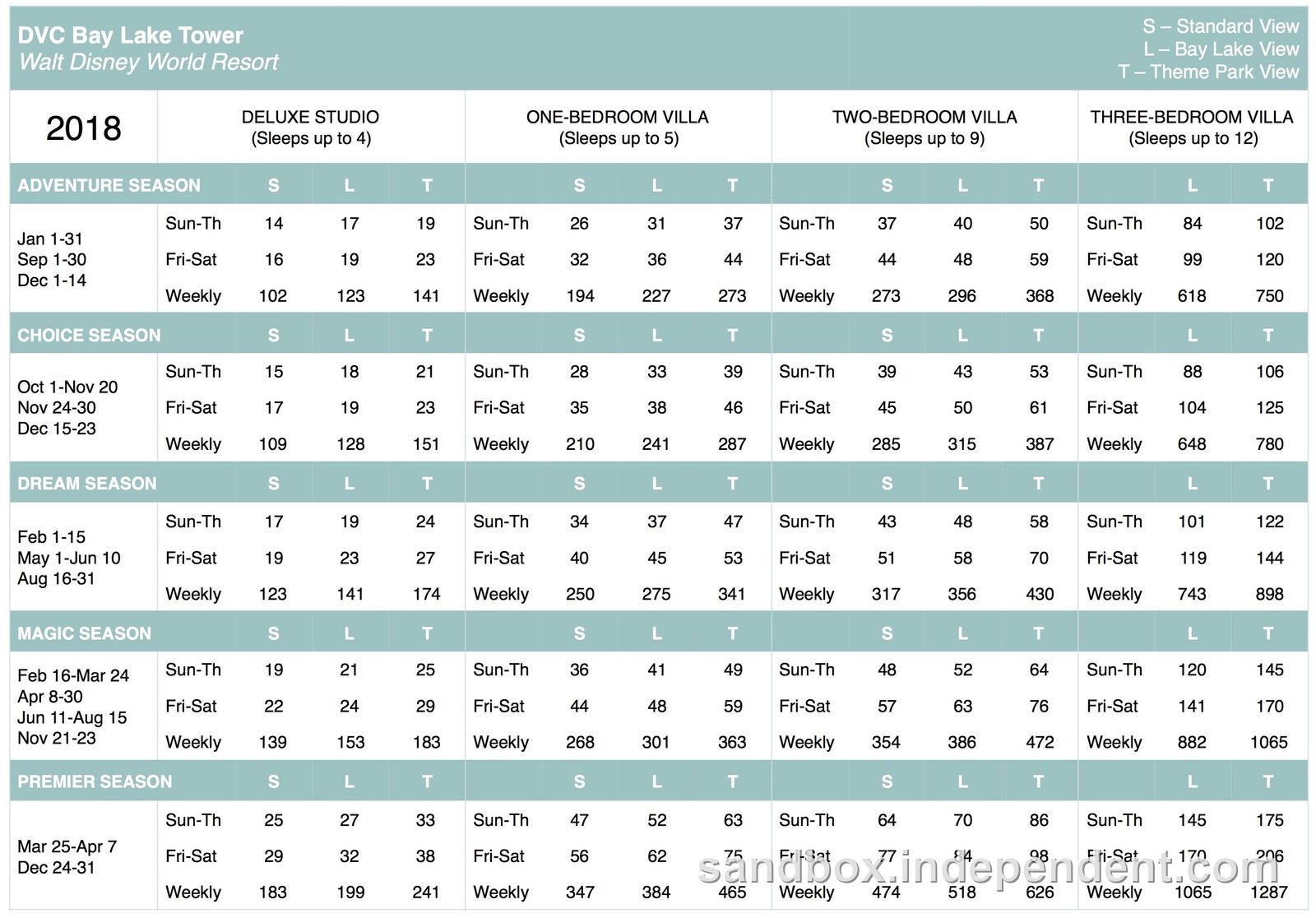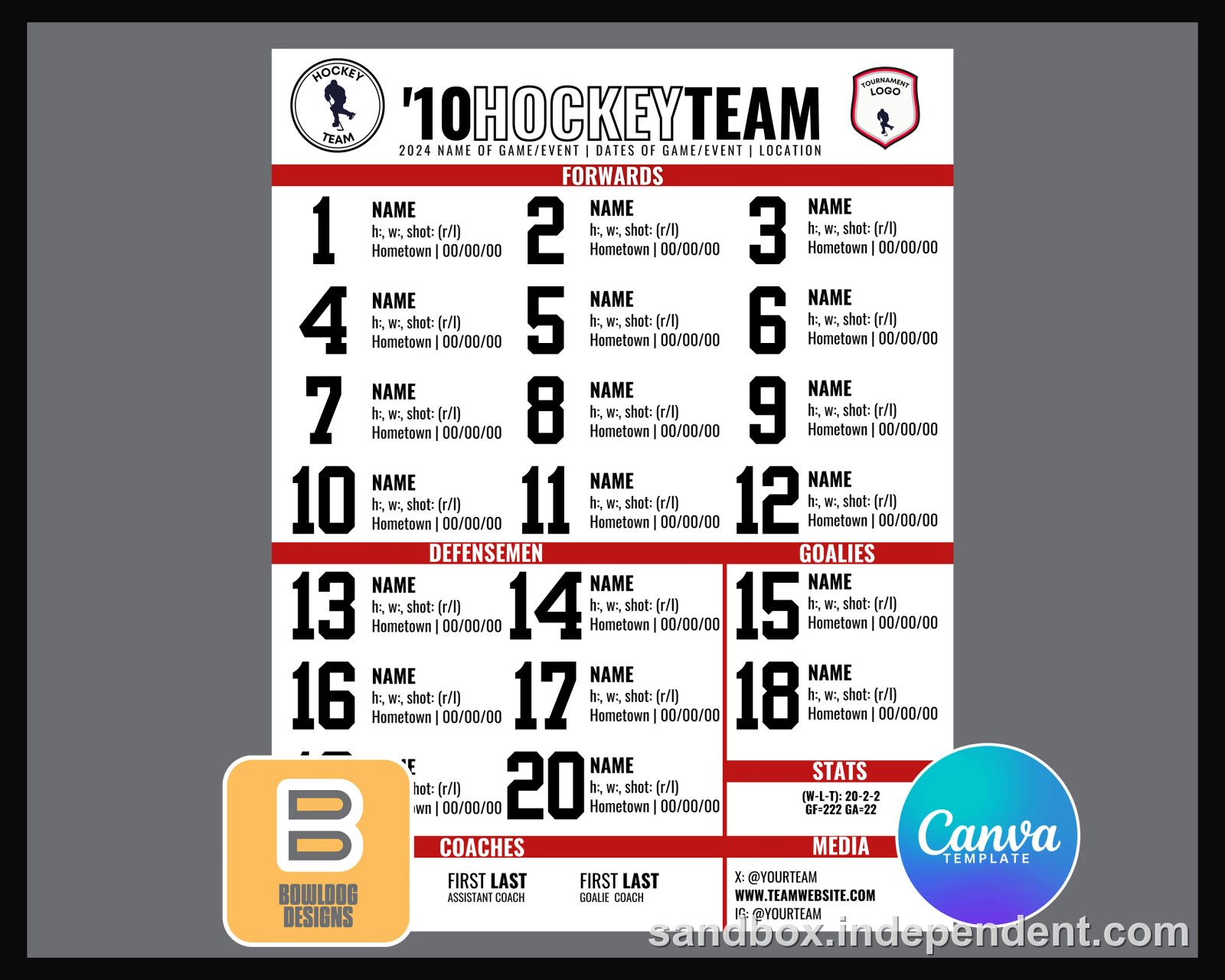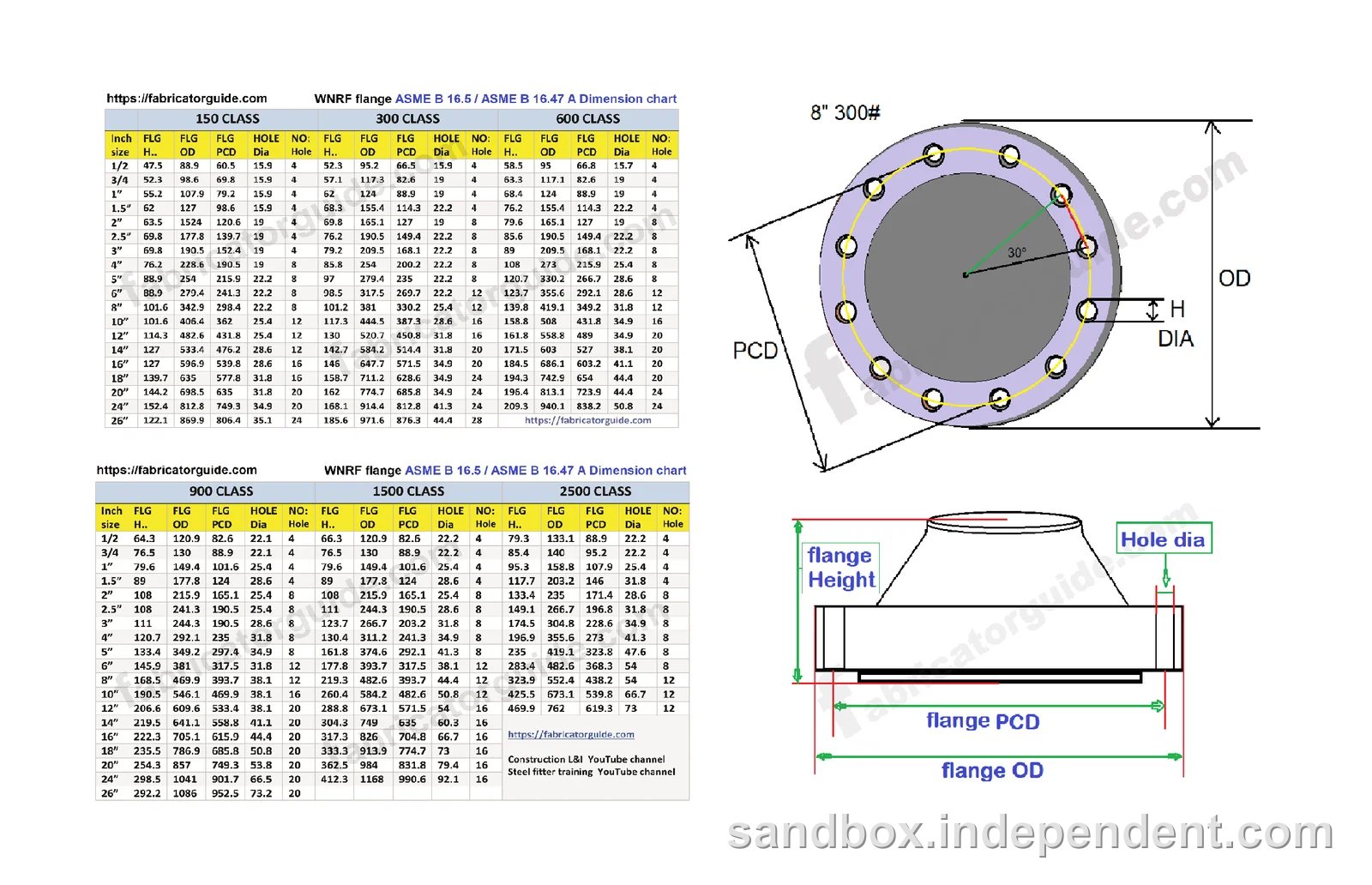








Monthly Planner Layout Overview
I've got a question for you: when was the last time you really paid attention to the buildings around you? Like, really noticed the details, the craftsmanship, and the sheer scale of some of these structures? Because I was walking through my neighborhood the other day, and I started thinking about international construction services and all the work that goes into creating these amazing spaces. It got me curious, so I did some digging, and here's what I found out...
Uncovering the World of International Construction Services
International construction services is a broad term that covers a whole lot of different aspects of the building and remodeling world. It's not just about the big, flashy skyscrapers or iconic landmarks; it's about the everyday projects that shape our cities and towns. From residential remodels to commercial builds, this industry is all about bringing spaces to life.
One of the key things to understand is that construction services can vary massively in cost. It's not just about the materials; it's the labor, the location, and the scale of the project. For example, a simple kitchen remodel might be a straightforward job, but add in some custom cabinetry and it could push the price up. So, when you're comparing quotes, make sure you're getting an itemized list of what's included.
Hiring the right contractor is crucial. You want someone who's reliable, experienced, and has a good track record. Check online reviews, ask for references, and don't be afraid to ask lots of questions. A good contractor will be happy to explain their process and provide a detailed quote. It's also worth considering whether you need a general contractor or a specialist for your project.
Now, let's talk about naming. If you're in the construction business, you might be wondering how to choose a name that stands out. It's all about finding something memorable and unique, but also professional. Something like "Build-It-Right" or "Renovation Revolution" could work well. Just make sure you check the availability of the name and secure the domain and local registration before you get too attached!
The construction industry offers a whole range of jobs, from estimators to project managers and skilled tradespeople. It's a diverse field with opportunities for all sorts of skills and interests. If you're looking for work, you'll probably find the best openings through specialist job boards and industry networks. It's a competitive market, but with the right skills and a bit of persistence, you can find great roles.
One tool that's really useful in the construction world is RSMeans. It's a cost database that helps contractors and companies estimate project costs accurately. It takes into account all sorts of factors, like labor rates and material costs, to give a reliable estimate. It's a handy resource for anyone in the industry, whether you're a small business or a large firm.
When it comes to the big construction companies, they tend to have a broader scope and more resources. They can take on larger, more complex projects and often have a wider network of contacts and specialists. But that doesn't mean smaller firms can't compete; it's all about finding your niche and building a strong reputation.
So, whether you're looking to remodel your home, build a new commercial space, or just curious about the construction world, international construction services is a fascinating and vital industry. It's all about bringing ideas to life and shaping the spaces around us. I hope this has given you a taste of what's out there and inspired you to learn more.
Related: How to Read the Charter Oak Winery's Chart?
If you're seeking a quick reference on a specific winery, you've come to the right place. Charter Oak Winery is a name that might ring a bell for wine enthusiasts, and it's no surprise, given their reputation for quality. This winery, known for its attention to detail, offers an extensive wine list, providing an array of choices for any occasion. From the classic oak barrel aging to modern wine production processes, their wines are a true reflection of their dedicated craft.
Charter Oak Winery: A Guide to Understanding the Chart
Charter Oak Winery provides a comprehensive chart that offers valuable insights into their wine production process and the unique characteristics of their wines. This guide will help you decipher the information presented on the chart, ensuring an enjoyable and informed wine-tasting experience.
Key Details and Categories
The chart from Charter Oak Winery covers essential information about their wine offerings. It typically includes details such as the wine region, oak barrel aging duration, and wine production process techniques. Additionally, you'll find notes on the wine's aroma, taste, and texture, providing a sensory guide. Each wine is categorized by its varietal and vintage, offering a snapshot of its unique qualities.
Reading the Chart: A Step-by-Step Guide
To navigate the chart effectively, follow these steps:
Begin by locating the wine you wish to explore. The chart is typically organized by wine name or varietal, making it easy to find your preferred choice.
Once you've identified the wine, pay attention to the wine region it originates from. This provides context for the wine's unique characteristics, influenced by the region's climate and soil.
Take note of the oak barrel aging duration. This process imparts a range of flavors and textures, so understanding the aging time can offer insights into the wine's complexity.
Explore the wine tasting notes section. Here, you'll find detailed descriptions of the wine's aroma, taste, and texture. These notes guide you in appreciating the wine's unique sensory experience.
Finally, consider the wine production process techniques mentioned. Different methods, such as traditional or modern approaches, can influence the wine's overall profile.
Variations and Differences
It's important to note that wine production is an art, and variations can occur due to various factors. Here are some key considerations:
Wine region: Different regions have unique climates and soil compositions, leading to distinct grape characteristics and, consequently, variations in the resulting wine.
Oak barrel aging: The duration and type of oak barrels used can significantly impact the wine's flavor and texture. Longer aging periods often result in more complex and robust flavors.
Wine production process: Winemakers may employ different techniques, such as traditional or innovative methods, which can influence the wine's style and character.
Vintage: Each vintage year brings its own set of weather conditions and grape qualities, leading to unique wines within the same varietal.
Common Mistakes and How to Avoid Them
To ensure an accurate understanding of the chart and wine characteristics:
Avoid assuming that all wines from a specific region taste identical. Each wine region has diverse sub-regions, each with its own unique attributes.
Don't neglect the importance of oak barrel aging. The duration and type of oak used can significantly impact the wine's flavor profile, so pay attention to these details.
Be mindful of the wine production process techniques. Understanding the winemaker's approach provides context for the wine's style and character.
Remember that vintage variations are natural and can lead to unique wine experiences, even within the same winery and varietal.
Well, there you have it! A comprehensive guide to Charter Oak Winery and its unique offerings. Remember, when it comes to wine, context is key. So, be sure to consider your specific needs and preferences before making any decisions.
Feel free to explore our other guides and resources; we've got a wealth of information to help you navigate the world of wine with ease and confidence. Happy browsing, and cheers to your next wine adventure!
Related: What is a "spice t chart"?
You're here because you need a quick fix, a reliable source to refer to when it comes to spices and their measurements. Well, look no further than the Spice T Chart! It's a handy tool that simplifies the often confusing world of spice quantities. This chart is your go-to guide, offering a visual representation of spice measurements, ensuring your dishes are perfectly seasoned every time. Whether you're a cooking novice or a pro, having this reference can make all the difference.
What is a Spice T Chart?
A spice chart is a handy reference tool for anyone who loves to cook or wants to explore the world of spices. The Spice T Chart is a visual guide that helps you understand the heat intensity and flavor profiles of various spices. It's like having a spice expert right in your kitchen!
Key Details and Categories
The Spice T Chart typically features a range of common spices, organized by their heat level and flavor characteristics. You'll find spices like chili peppers, paprika, cumin, and many more. Each spice is assigned a heat rating, often on a scale of 1 to 10 or using a simple heat indicator like mild, medium, or hot. Additionally, the chart provides a brief description of the spice's flavor, including its aroma and any unique qualities.
How to Read and Use the Spice T Chart
Using the Spice T Chart is a breeze! Here's a simple step-by-step guide:
Identify the Spice: Look for the spice you want to use or explore on the chart. It's usually listed by name or with a small illustration.
Check the Heat Rating: Locate the spice's position on the heat scale. This will give you an idea of how spicy it is. A higher number or a 'hot' indicator means a more intense heat level.
Explore Flavor Notes: Read the description provided for each spice. This will help you understand its unique flavor profile, including any dominant aromas or tastes.
Choose and Experiment: Now you can confidently select spices for your dish! Consider the heat level and flavor notes to create a balanced and delicious meal.
Variations and Differences
It's important to note that spice charts can vary depending on the source and intended audience. Different regions and cuisines may have their own spice preferences and intensity scales. For example, a chart designed for Indian cuisine might emphasize certain spices and heat levels that are less common in other cuisines. Always check the source and intended use of the Spice T Chart to ensure it aligns with your culinary goals.
Common Mistakes and How to Avoid Them
One common mistake is assuming that all chili peppers or spice blends will have the same heat level. In reality, even within a single type of chili pepper, there can be significant variations in heat intensity. Always refer to the specific heat rating on the Spice T Chart and consider trying a small amount first to gauge the spice's true heat. Additionally, be mindful of the freshness of your spices. Old spices may have lost some of their potency, so adjust the quantity accordingly.
Practical Tips for Accurate Results
To get the most out of your Spice T Chart, consider the following tips:
- Start with a small amount of spice and gradually increase to find the perfect balance.
- Fresh spices can have more intense flavors, so adjust your quantities if using fresh ingredients.
- Experiment with different spice blends to create unique flavor profiles.
- Keep your Spice T Chart handy in the kitchen for quick reference.
- If you're trying a new spice, research its traditional uses and cultural significance to understand its role in various dishes.
Remember, the Spice T Chart is a guide, and cooking with spices is an art. Have fun exploring the world of spices and creating delicious, flavorful dishes!
Well, there you have it! The spice t chart is a handy tool, and with these tips, you should feel confident using it. Remember, always check the specific guidelines or standards relevant to your project, as exact values may differ slightly.
This chart is a great reference, so be sure to keep it close by and bookmark this page for future use. Happy spicing!