

Monthly Year Planner Overview
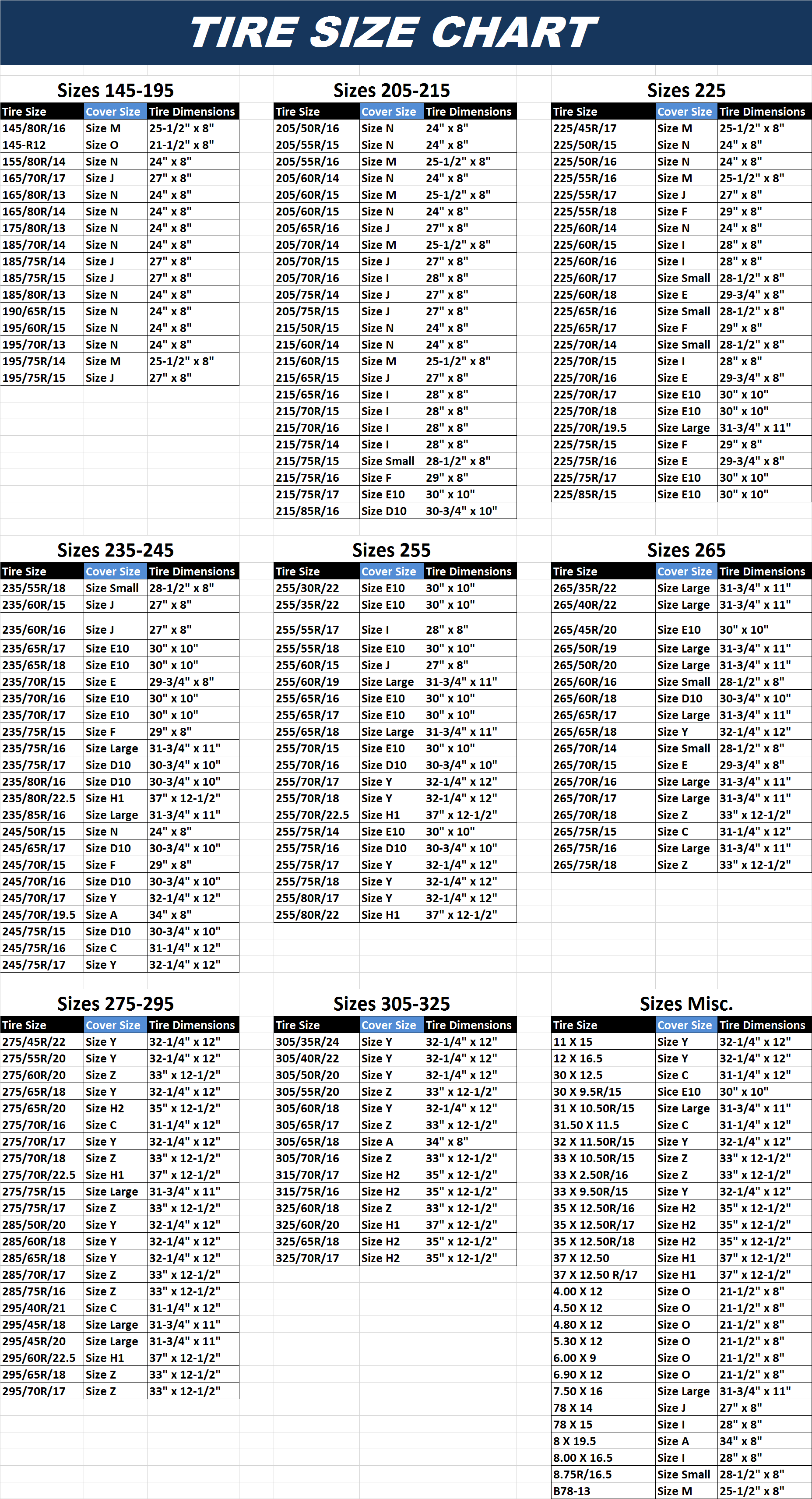
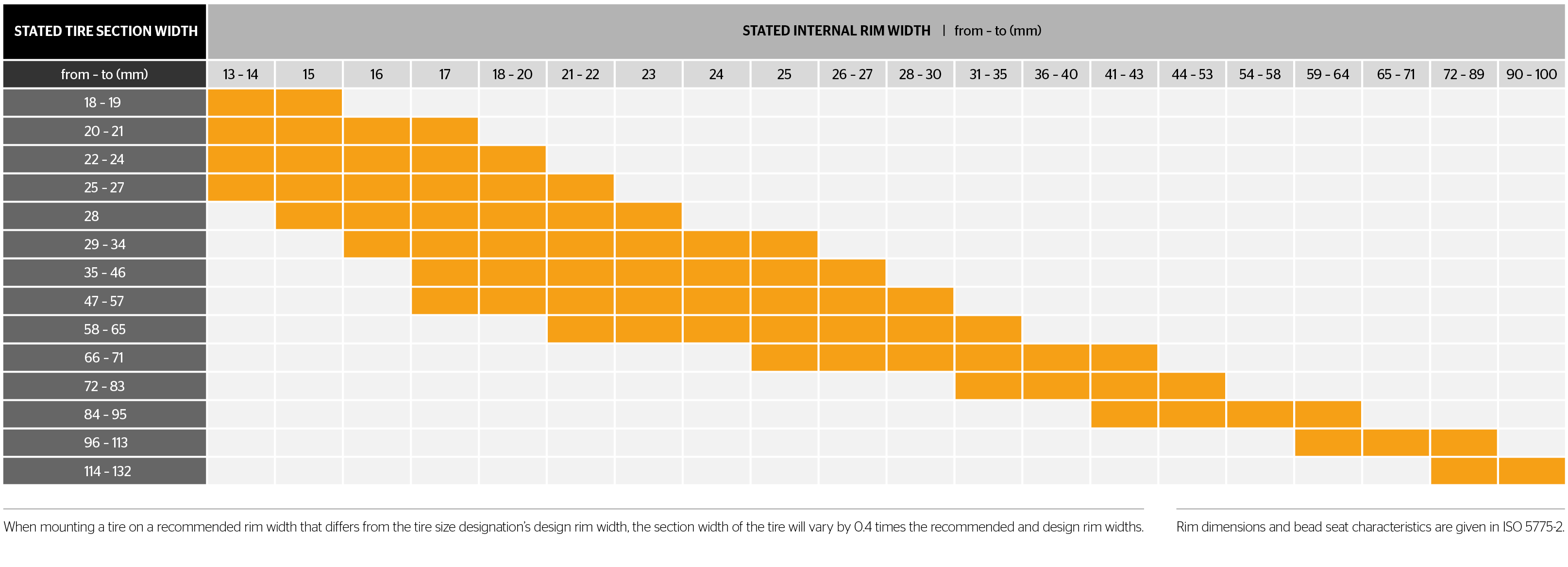
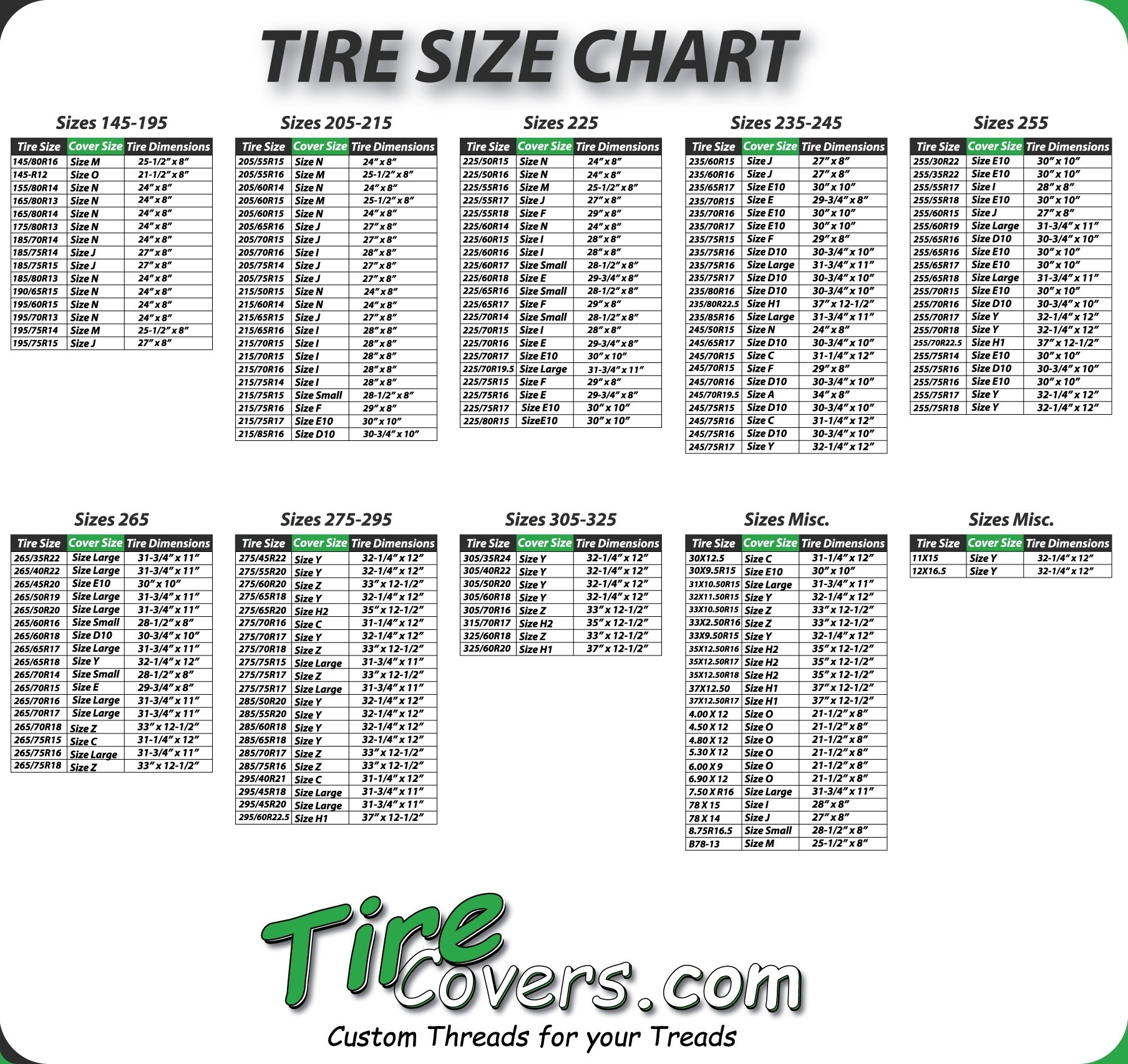
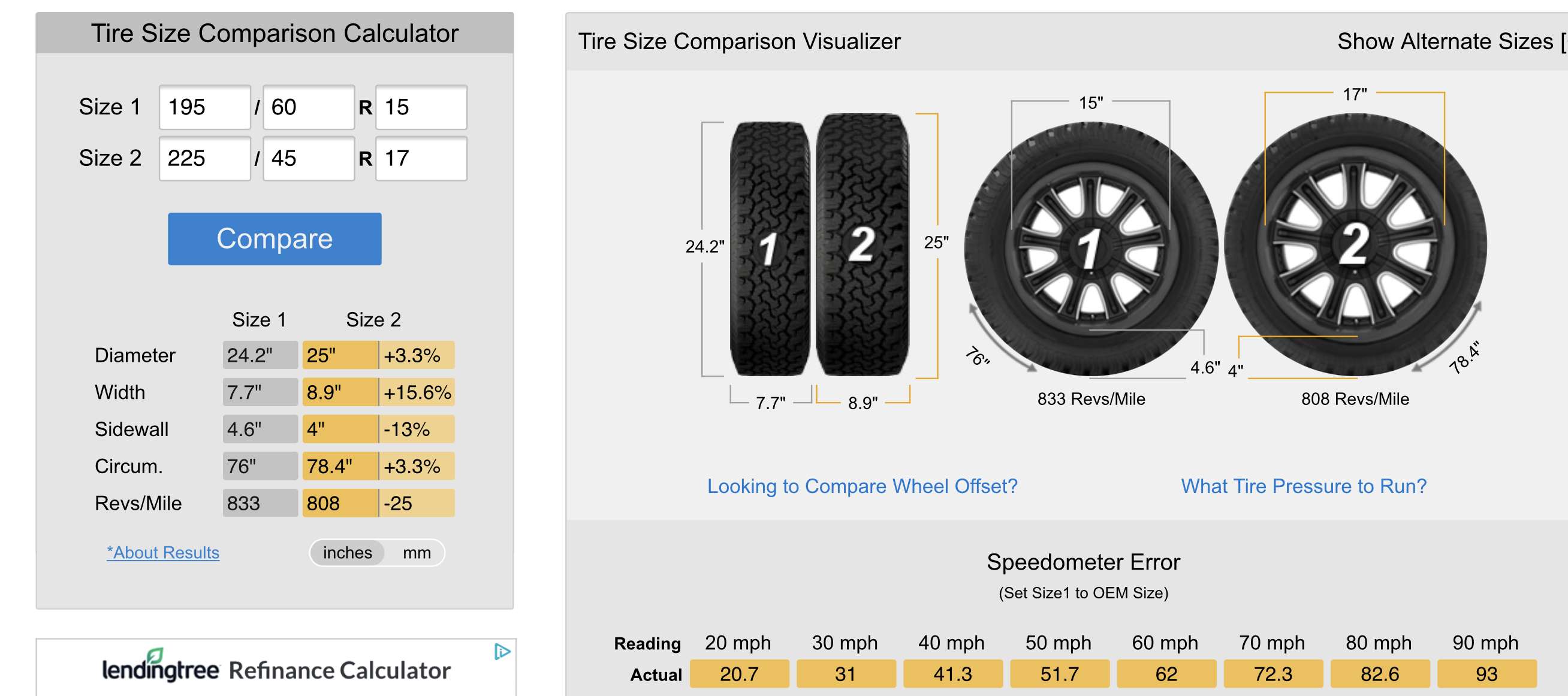
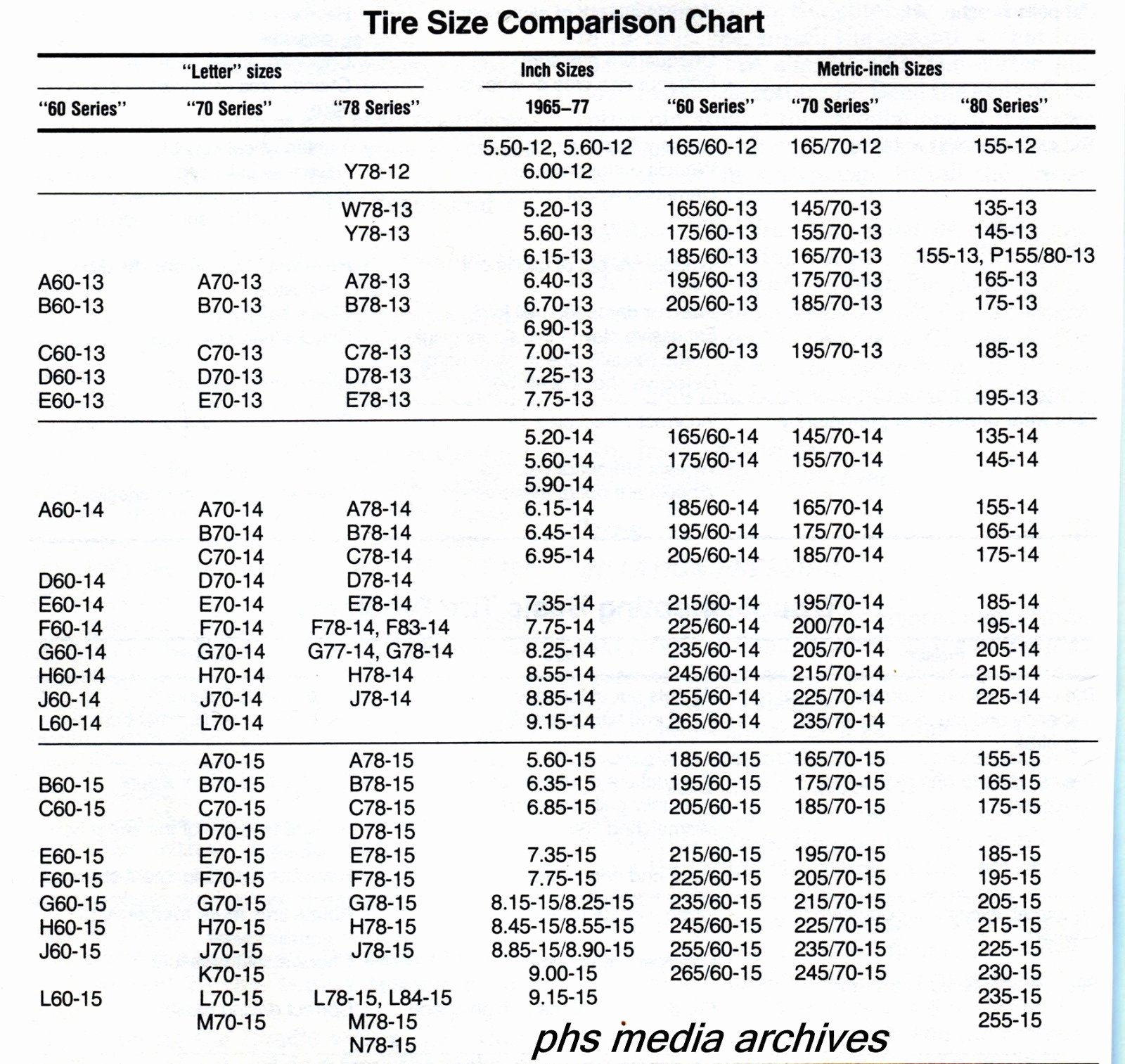
Finding the right tire size can be a straightforward process with the right tools. A tire size chart is an essential reference, offering a clear overview to help you make an informed decision. This chart, a simple yet powerful tool, provides a quick and reliable way to match your needs with the right tire specifications. From tire diameter charts to rim size guides, these resources offer a comprehensive view, ensuring you find the perfect fit for your vehicle.
Understanding Tire Size Charts: A Quick Overview
A tire size chart is an essential tool for anyone dealing with tires, offering a comprehensive guide to tire dimensions and specifications. It provides a clear, visual representation of various tire sizes, helping you make informed choices for your vehicle.
Comparing Tire Size Chart Standards and Formats
There are different standards and formats for tire size charts, primarily the metric tire size chart and the one based on imperial units. The metric system is widely used internationally, while the imperial system is more common in the US. These charts may also vary based on the tire manufacturer's specific guidelines.
Practical Guide to Reading Tire Size Charts
To use a tire size chart accurately, follow these steps:
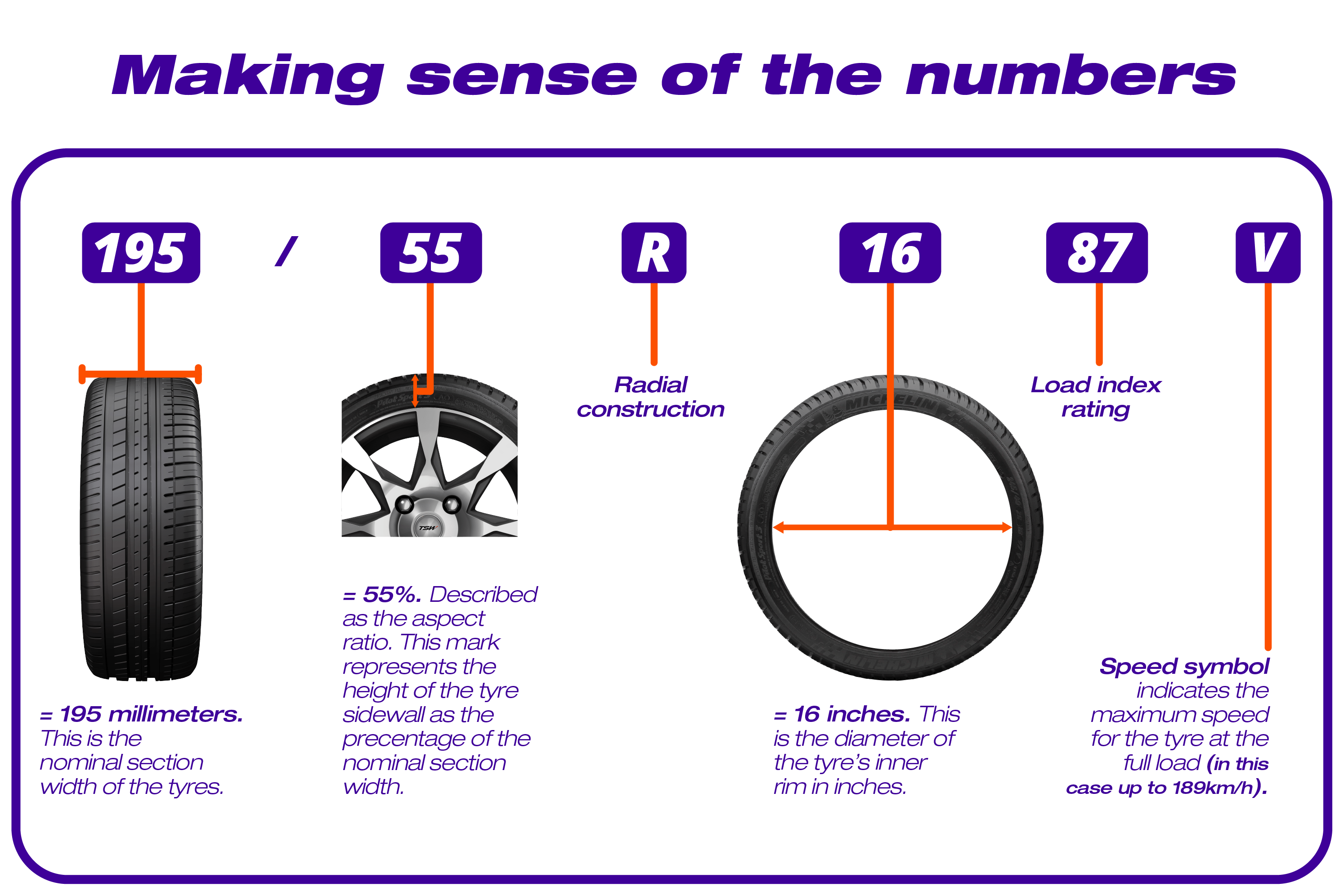
Identify the tire size code on your existing tire. This code typically starts with a letter (e.g., P for passenger vehicle) followed by numbers indicating the width in millimeters, aspect ratio, and rim diameter in inches.
Locate the corresponding size on the chart. Most charts are organized with tire width on one axis and aspect ratio on the other, with rim sizes indicated along the edges.
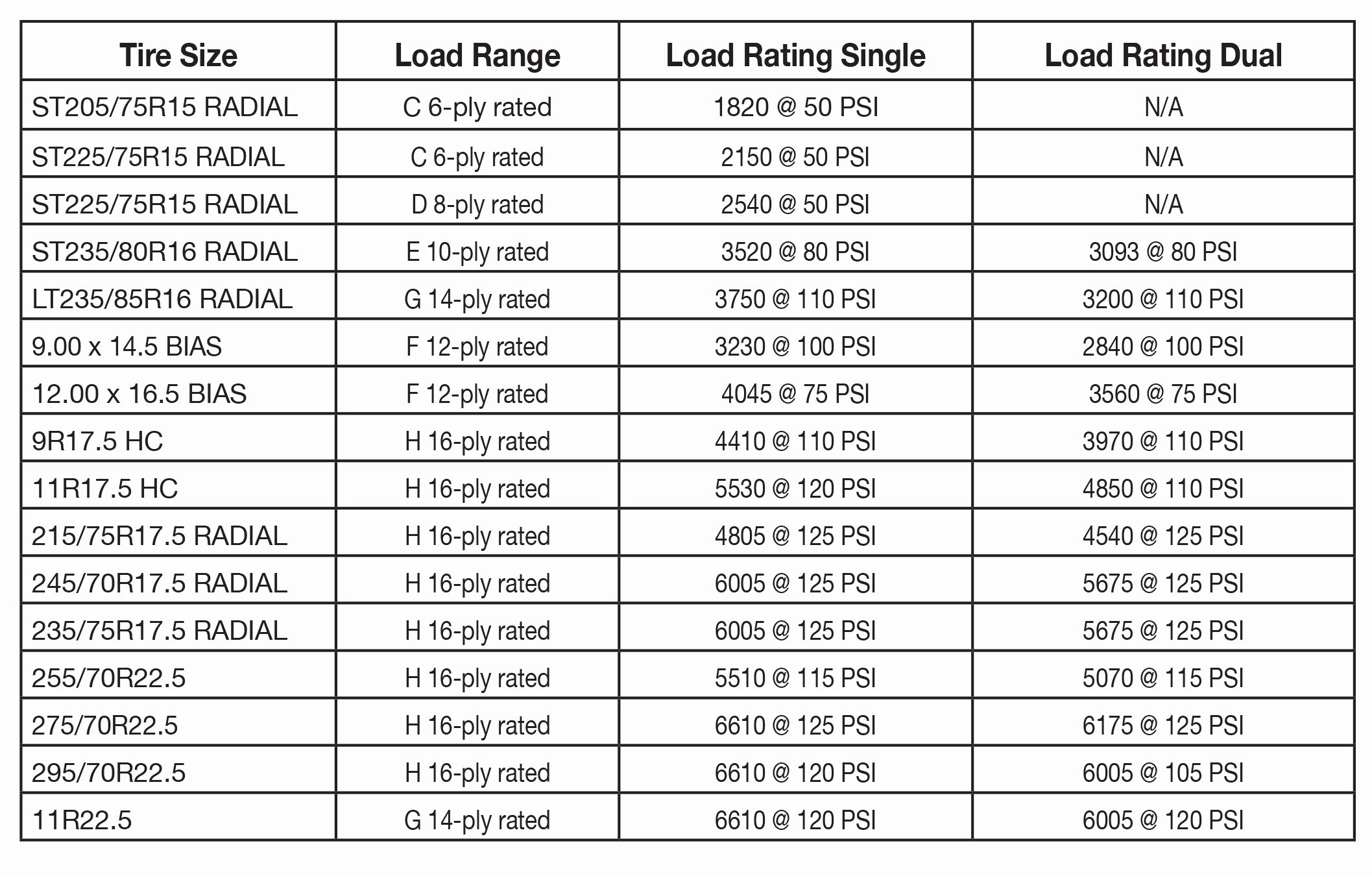
Cross-reference the size code with the chart to find the tire's diameter, load index, and other relevant specifications.
Ensure the tire size you choose is compatible with your vehicle's make and model, as well as the intended use (e.g., off-road vs. highway driving).
Common Misreadings and How to Avoid Them
Tire size charts can be misinterpreted if you confuse the tire width with the rim size. Always check the chart's labels to ensure you're reading the correct values.
Aspect ratio, which represents the tire's sidewall height, is often misunderstood. It's a percentage of the tire width, not an absolute value.
Load index, indicating the maximum weight a tire can carry, is another critical specification. Ensure you understand the load index range for your vehicle and choose tires within this range.
Remember, while tire size charts provide valuable guidance, they may not cover every possible variation. Always double-check exact specifications, especially when dealing with specialized tires or unique vehicle requirements.
While the chart provides a comprehensive guide, it's important to remember that tire sizing can have slight variations, so always double-check the specifics for your vehicle. These details might differ based on your region and the tire manufacturer's standards.
Feel free to explore our other guides for more practical tips and insights. We've got a range of topics covered, so you can find the information you need to make informed decisions. Happy reading!
Related: Find the Right Tooth Shade Chart for You
A common misconception about tooth shade charts is that they are complex and intimidating tools, reserved only for dental professionals. However, these charts are designed to be accessible and practical, offering a simple visual reference for anyone seeking to understand tooth shades accurately. The tooth shade chart, whether in the form of a guide or a scale, provides a clear and organized way to identify and match tooth colors, and it's an essential tool for various dental procedures and aesthetic treatments.
A Practical Guide to Tooth Shade Charts
Tooth shade charts are essential tools for dental professionals and technicians, offering a standardized way to assess and communicate tooth color. These charts provide a reference point for various dental procedures, ensuring accurate shade matching and aesthetic outcomes.
Comparing Standard Shade Guides
The most widely recognized tooth shade guide is the Vitapan 3D-Master Shade Guide. This guide features a systematic arrangement of shades, typically organized in a step-like structure, with each step representing a different shade range. Other popular systems include the Tabulation of Tooth Color and the Dental Shade Guide, which offer similar shade categorization but may vary in their specific numbering or labeling systems.
Practical Shade Matching Process
Using a tooth shade chart accurately involves a straightforward process:
- Prepare the teeth: Ensure the teeth are clean and dry, free from any debris or moisture.
- Lighting conditions: Standardize lighting to ensure consistent and accurate shade assessment. Natural daylight or specialized dental lighting systems are often recommended.
- Select the guide: Choose the appropriate shade guide based on the specific dental procedure and the patient's needs.
- Compare and match: Hold the guide next to the teeth and compare the shades. Look for the closest match, considering both the overall color and any subtle variations.
- Record the shade: Note the shade code or name from the guide for future reference and communication.
- Verify and confirm: Double-check the shade with the patient and ensure it aligns with their expectations and preferences.
Avoiding Misinterpretations and Pitfalls
While tooth shade charts are valuable, misinterpretations can occur. Here are some common pitfalls and how to avoid them:
- Lighting: Inconsistent lighting can lead to incorrect shade assessments. Always ensure proper lighting conditions to maintain accuracy.
- Teeth preparation: Poorly prepared teeth, with residual stains or moisture, can affect shade matching. Proper cleaning and drying are essential.
- Chart variations: Different shade guides may have slight variations in their shade ranges and labeling. Always refer to the specific guide's instructions and double-check the shade codes.
- Individual variations: Keep in mind that tooth color can vary due to factors like age, genetics, and oral health. Be mindful of these variations and communicate them clearly.
- Environmental factors: External factors like lighting conditions and the patient's overall complexion can influence shade perception. Take these into account during the matching process.
By following these guidelines and being aware of potential pitfalls, dental professionals can utilize tooth shade charts effectively, ensuring precise shade matching and enhancing the overall patient experience.
Using a tooth shade chart is a straightforward process, but it's important to remember that the exact values and shades can vary slightly, so always refer to the specific standard or source you're working with. Double-check the details and ensure you're using the right guide for your needs.
Feel free to explore our other guides and resources; we've got plenty of practical information to help you navigate various topics. It's always a good idea to expand your knowledge and stay informed!
Related: How to use the ski height chart?
You're probably here because you need a quick answer, a simple guide to help you choose the right skis. Well, you've come to the right place! The ski height chart is your go-to tool for ensuring you get the perfect ski length. It's a handy reference, offering a quick and reliable way to find your ideal ski size. These charts often provide a ski length guide, giving you a starting point for your search. While the exact values may vary depending on your skiing style and preferences, the ski height chart is a great starting point for your ski sizing journey.
Understanding Ski Height: A Quick Overview
The ski height chart is a handy tool that simplifies the process of choosing the right ski length for your height and skill level. It provides a visual guide, often in the form of a table or diagram, to help you select skis that offer the best performance and control.
Comparing Ski Height Standards and Formats
There are a few key standards and formats for ski size charts. The most common ones are based on height and skill level, with recommendations for ski lengths in both centimeters and inches. These charts typically offer a range of ski lengths suitable for your height, ensuring you find the right fit.
How to Use the Ski Height Chart: A Step-by-Step Guide
Start by identifying your height. This is a crucial piece of information for using the chart accurately.
Next, determine your skill level. Are you a beginner, intermediate, or advanced skier? This factor influences the recommended ski length, as it's tailored to your experience and ability.
Refer to the chart and locate your height range. You'll typically find a column or section dedicated to your height, with suggested ski lengths.
Choose the ski length that aligns with your skill level within that height range. For example, a beginner within a certain height range might be advised to choose a shorter ski length for better control, while an advanced skier might opt for a longer ski for more speed and stability.
If you're between two sizes, consider your personal preference and the terrain you typically ski on. Longer skis offer more speed and stability but can be harder to maneuver, while shorter skis are easier to control but may feel less stable at higher speeds.
Common Misreadings and How to Avoid Them
It's important to remember that ski height charts provide general recommendations. Your personal preferences, skiing style, and the specific terrain you ski on can influence your choice. Always consider these factors when selecting skis, and don't hesitate to seek advice from ski professionals if you're unsure.
Additionally, be mindful of the units used in the chart. Some charts use centimeters, while others use inches. Ensure you understand the units to make an accurate selection. If you're unsure, you can always use a cm to inches conversion tool to double-check.
Well, that's a wrap on our ski height chart adventure! We've covered a lot of ground, from understanding the basics to navigating the different options and avoiding common pitfalls.
Remember, when it comes to ski height, there's no one-size-fits-all approach. So, before you hit the slopes, take a moment to ensure you've considered your unique needs and preferences. With the right ski length, you'll be carving down the mountain like a pro in no time!
And if you're keen to explore more ski-related topics, feel free to browse our other guides. We've got plenty of practical tips and tricks to keep you informed and inspired. Happy trails!