








Monthly Year Planner 2025 Overview
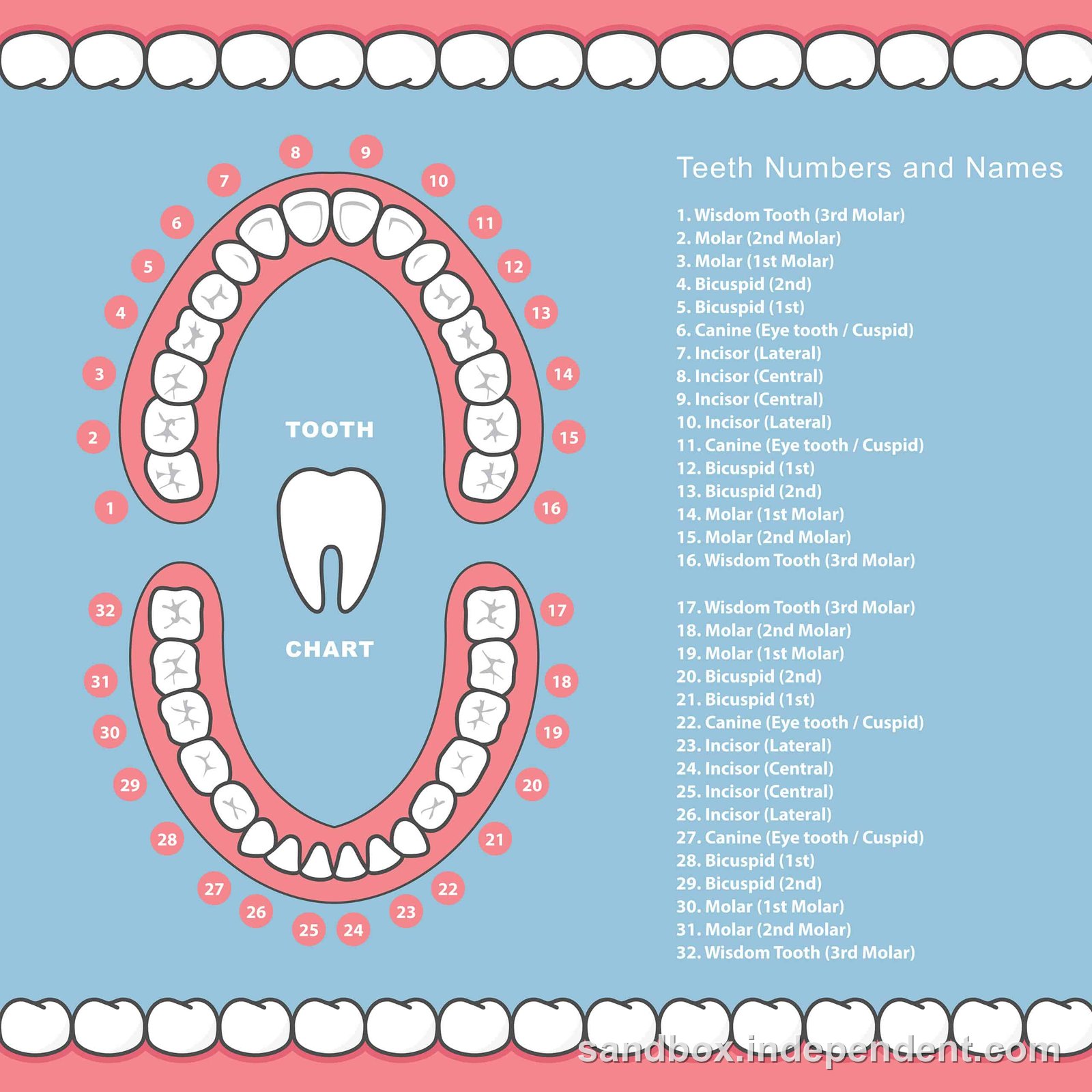
A teeth color chart is a handy tool for anyone seeking a quick and accurate way to assess and match tooth shades. This guide will walk you through the basics, covering what these charts are and how to use them effectively.
These charts, often in the form of a simple table or visual guide, provide a reference for tooth shade comparison. While the specific values and formats may vary, the concept remains the same: an easy-to-read resource for dental shade matching.
What is a Teeth Color Chart?
A teeth color chart is a visual guide that helps dental professionals and patients understand and communicate tooth shade accurately. It provides a standardized reference for comparing and matching tooth colors, ensuring consistency in dental procedures and treatments.
Key Details and Categories
The chart typically consists of a range of tooth shades, often organized in a grid or tabulated format. Each shade is represented by a unique code or label, making it easy to identify and communicate. The shades are usually based on a recognized standard, such as the Vitapan Classical Shade Guide, which is widely used in dentistry. This guide categorizes tooth colors into various groups, with each group further divided into sub-shades, providing a comprehensive and precise color reference.
Reading and Applying the Teeth Color Chart
To use the teeth color chart effectively, follow these steps:
- Prepare the teeth for shade matching by cleaning and drying them thoroughly. Natural light or specialized lighting can enhance color accuracy.
- Compare the patient's teeth with the shades on the chart. Hold the chart close to the teeth and observe the color match.
- Identify the closest shade match. Consider the overall color and any subtle variations.
- Confirm the shade with the patient and document it for future reference.
- Repeat the process for multiple teeth if needed, ensuring consistency across the dental arch.
Understanding Shade Variations
Shade variations can occur due to several factors. Natural tooth color can differ based on genetics, age, and lifestyle factors like diet and oral hygiene. External factors like staining from food, drinks, or tobacco can also impact tooth color. Additionally, lighting conditions and the observer's perception can influence shade matching. It's essential to consider these variables when using a teeth color chart to ensure accurate results.
Common Mistakes and How to Avoid Them
When working with a teeth color chart, it's crucial to avoid these common pitfalls:
- Relying solely on memory: Always refer to the chart for an accurate shade match. Avoid guessing or relying on past experiences.
- Inconsistent lighting: Ensure consistent lighting conditions to minimize errors. Natural daylight or specialized dental lighting is recommended.
- Neglecting patient feedback: Involve the patient in the shade selection process. Their perception and feedback are valuable for an accurate match.
- Overlooking oral health: Ensure the teeth are clean and free from debris or stains before shade matching.
- Using outdated charts: Keep your teeth color chart up-to-date to reflect the latest standards and shades. Regularly check for new versions or updates.
Well, there you have it! A teeth color chart is a handy tool, and now you know how to navigate it like a pro. Remember, the exact shades and values might differ slightly depending on the source or standard, so always double-check.
Feel free to explore other guides on our site for more practical tips and tricks. We've got you covered with a range of topics, so take a look and discover something new!
Related: What is my Grady Chart and How to Use It?
My Grady Chart is a valuable tool for anyone working with lighting and color. It offers a simple yet effective way to understand and control the color temperature of light sources. This guide will cover the essentials of the Grady chart, its purpose, and how it can benefit your lighting design or photography projects. Whether you're a professional or a hobbyist, having a grasp of this chart's principles is key to achieving accurate and consistent results.
Understanding My Grady Chart: A Quick Overview
My Grady Chart is a valuable tool for anyone working with lighting design, photography, or video production. It provides a visual representation of color temperature, a critical factor in achieving the desired mood and atmosphere in your visual media. This chart offers a simple yet effective way to understand and manage color temperature, helping you create consistent and accurate lighting conditions.
Comparing Color Temperature Standards: The Grady Scale vs. Kelvin Scale
The Grady Chart utilizes the Grady scale, which is a standardized method for measuring and representing color temperature. It is based on the Kelvin scale, a widely accepted standard in the lighting industry. The Grady scale provides a practical and easy-to-use reference for photographers and videographers, offering a visual guide to various light sources and their corresponding color temperatures.
Step-by-Step Guide: Using My Grady Chart Accurately
To make the most of My Grady Chart, follow these simple steps:
Identify the Light Source: Start by determining the type of light you are working with. Different light sources, such as sunlight, fluorescent, or incandescent bulbs, have unique color temperatures.
Refer to the Chart: Locate the light source on the chart. Each light source is represented by a specific color and temperature range. For instance, daylight might be indicated by a blue color, while tungsten lighting could be represented by a warmer, yellow tone.
Adjust Your Equipment: Once you've identified the color temperature, you can adjust your camera or lighting equipment accordingly. This ensures that the colors in your image or video are balanced and true to the intended effect.
Fine-Tune with White Balance: If needed, you can further refine the color temperature by adjusting the white balance settings on your camera. This step allows for precise control over the overall warmth or coolness of the image.
Avoiding Common Misreadings and Pitfalls
While My Grady Chart is a straightforward tool, there are a few potential pitfalls to be aware of:
Regional Variations: Color temperature standards may vary slightly between regions or industries. Always double-check the specific standards relevant to your project.
Light Source Changes: Be mindful that the color temperature of a light source can change over time, especially with natural light. Regularly check and adjust your settings to maintain consistency.
Creative Interpretations: While the chart provides a guide, it's important to remember that color temperature is a creative tool. Feel free to experiment and adjust to achieve your desired artistic vision.
Your Grady chart is a valuable tool, a quick and efficient reference, and a great starting point for your projects. It offers a structured approach, guiding you through the process with clarity.
Remember, while this chart provides a solid framework, your unique circumstances may require some customization. So, take a moment to review your specific needs and adapt the chart accordingly. It's a simple yet powerful resource, and with a bit of tailoring, it can become an indispensable part of your workflow.
Feel free to explore our other guides and resources. We've got a range of practical tools and tips to enhance your productivity and streamline your processes. Happy organizing!
Related: Home Renovation Contractor Simple Guide
I'm feeling a bit overwhelmed by the thought of my upcoming home renovation. I've heard home renovation contractor is the way to go, but I'm not sure where to start. I want to get it right, so I'm doing some research to find the best approach.
Understanding the Home Renovation Contractor
A home renovation contractor is your go-to expert for all things related to transforming your living space. They handle the ins and outs of construction and remodeling, ensuring your vision becomes a reality. From adding a room to updating your bathroom, these professionals manage the entire process, from planning to completion.
When you hire a home renovation contractor, you're getting a team of skilled workers who can handle various tasks. They'll coordinate the work, manage the timeline, and ensure the project stays on track and within budget. It's a one-stop shop for all your renovation needs, taking the stress out of the process.
Finding and Hiring the Right Contractor
Finding a reliable home renovation contractor is key. Check online reviews and ask for recommendations from friends or family. Once you've found a few potential contractors, it's important to ask the right questions. Inquire about their experience, the scope of their work, and any specific skills or certifications they have.
Get detailed quotes from at least three contractors. Compare these quotes, but remember the cheapest isn't always the best. Look for a balance between cost and quality. A good quote will include a breakdown of costs, the timeline, and a clear understanding of the work to be done.
Construction Companies and Their Names
Construction companies often have unique names that reflect their brand and services. A good name should be memorable, easy to pronounce, and give a hint about the business. Some creative names could be Build-It-Right, Renovate & Revive, or Home Transformation Specialists.
Before settling on a name, check its availability for local registration and as a domain. You want to ensure your business name isn't already taken and that you can secure a matching website address.
Industry Tools and Data
The construction industry uses various tools and data to estimate costs and manage projects. One such tool is RSMeans, which provides cost databases and escalation data to help contractors and estimators. This data is crucial for accurate pricing and helps ensure projects stay within budget.
Construction Jobs and Salaries
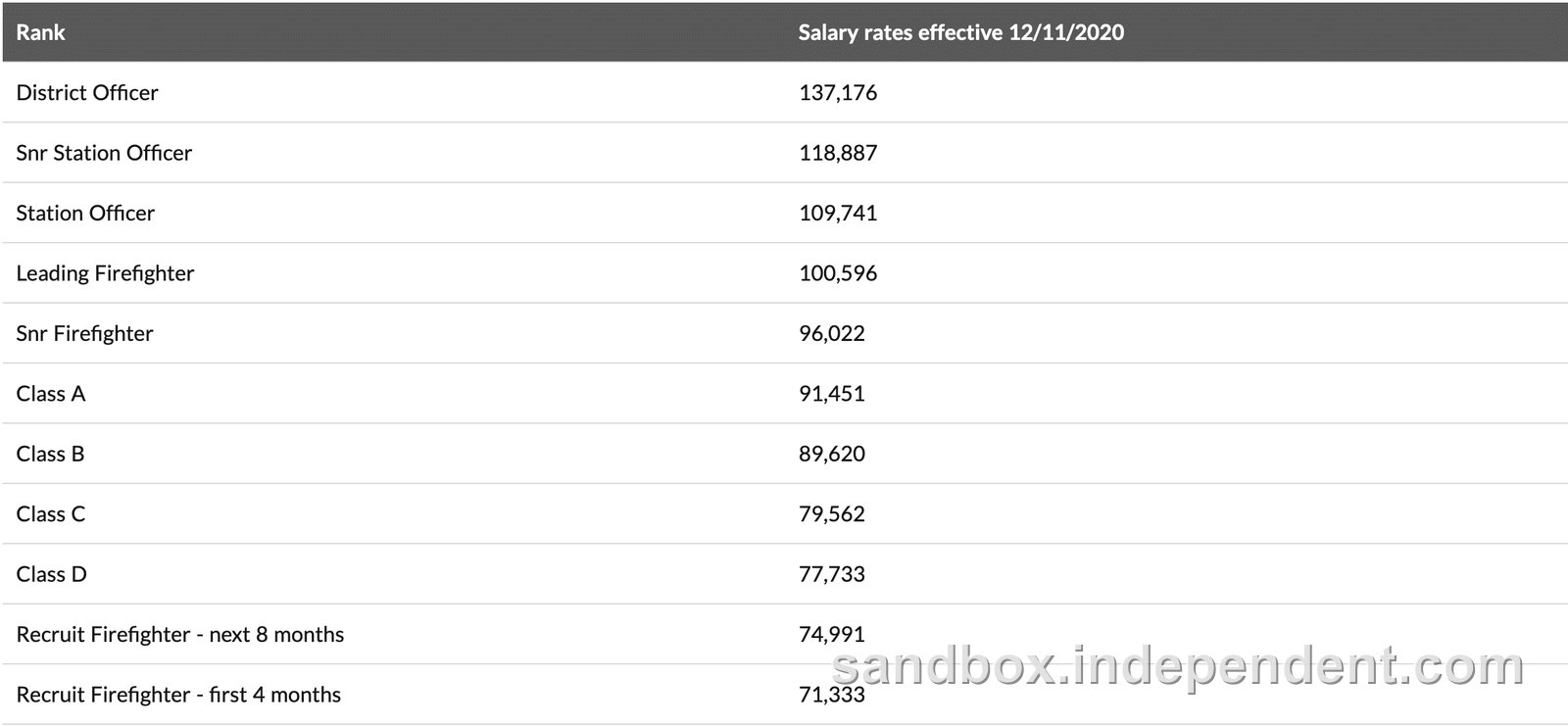
The construction industry offers a range of roles, from general contractors to specialized tradespeople. Salaries can vary depending on the role, experience, and location. Estimators, for example, play a crucial part in pricing projects accurately.
If you're interested in construction jobs, check local job boards, company websites, and industry-specific platforms. It's a hands-on, rewarding career with plenty of opportunities.
Big Construction Companies
Large construction companies often have the resources to take on major projects. They may have a broader range of services and a larger team of specialists. However, smaller companies can offer personalized service and may be more flexible.
The size of the company doesn't always determine its quality. It's important to research and choose a company that aligns with your needs and budget, regardless of its size.
Final Thoughts
Hiring a home renovation contractor can be a great way to bring your home improvement dreams to life. With the right team, you can transform your space and create a home you love. So, take the time to research, ask questions, and find the perfect fit for your project.