





Mr Beast Arrest Overview
Many people assume that the Avera Chart Portal is a complex and intimidating tool, but it's actually a user-friendly and incredibly helpful resource. It's not just for medical professionals; patients can also benefit from understanding this portal. So, let's demystify it!
The Avera Chart Portal provides a clear and organized view of your health data, and it's designed to be accessible. You can think of it as a personalized health dashboard, offering a simple way to keep track of your medical journey. Whether you're checking test results, reviewing medications, or accessing your Avera MyChart, this portal ensures you have quick and secure access to your vital health information.
Accessing Your Chart: A Quick Overview
The Avera Chart Portal is your gateway to a wealth of personal health information. It's a secure online platform that gives you access to your medical records and helps you stay on top of your health journey. With this portal, you can view and manage your health data easily and efficiently.
Understanding Measurements and Formats
The portal displays various health metrics and categories, each with its own standard and unit of measurement. Common categories include vital signs (e.g., blood pressure, heart rate), lab results, medications, and more. These measurements may follow different standards, like the US customary system or international metric units, so it's important to pay attention to the units displayed.
Step-by-Step: Navigating the Avera Chart Portal
- Log in to your Avera MyChart account using your unique credentials.
- Once logged in, you'll see a dashboard with an overview of your recent health data.
- To explore specific categories, use the navigation menu. Click on the desired category, such as "Lab Results" or "Vital Signs."
- Within each category, you'll find detailed information, often presented in tables or graphs. Understand the labels and units used for each measurement.
- For a more comprehensive view, you can customize the date range to see historical data.
Common Misreadings and How to Avoid Them
One common mistake is assuming all measurements use the same unit. Always check the units displayed, especially when comparing different categories. Another pitfall is interpreting trends without considering individual variations. The portal provides a snapshot of your health, but it's essential to discuss any concerns with your healthcare provider.
Factors Affecting Accuracy and Real-World Use
The accuracy of the Avera Chart Portal relies on several factors. First, ensure your data is up-to-date and accurate by regularly reviewing and verifying your records. Second, be aware of any specific tolerances or ranges that may apply to your personal health situation. For instance, certain medical conditions might have unique measurement standards. Finally, while the portal offers a comprehensive view, it's crucial to consult with healthcare professionals for personalized advice and interpretations.
So, there you have it, a handy guide to navigating the Avera Chart Portal. It's a great resource, but as with any tool, it's essential to consider your unique needs and context. Remember, while this guide provides a solid framework, exact values and processes may vary, so double-check what applies to you.
Feel free to bookmark this page for future reference; it might come in handy when you least expect it! Until next time, happy charting!
Related: How to use the ski height chart?
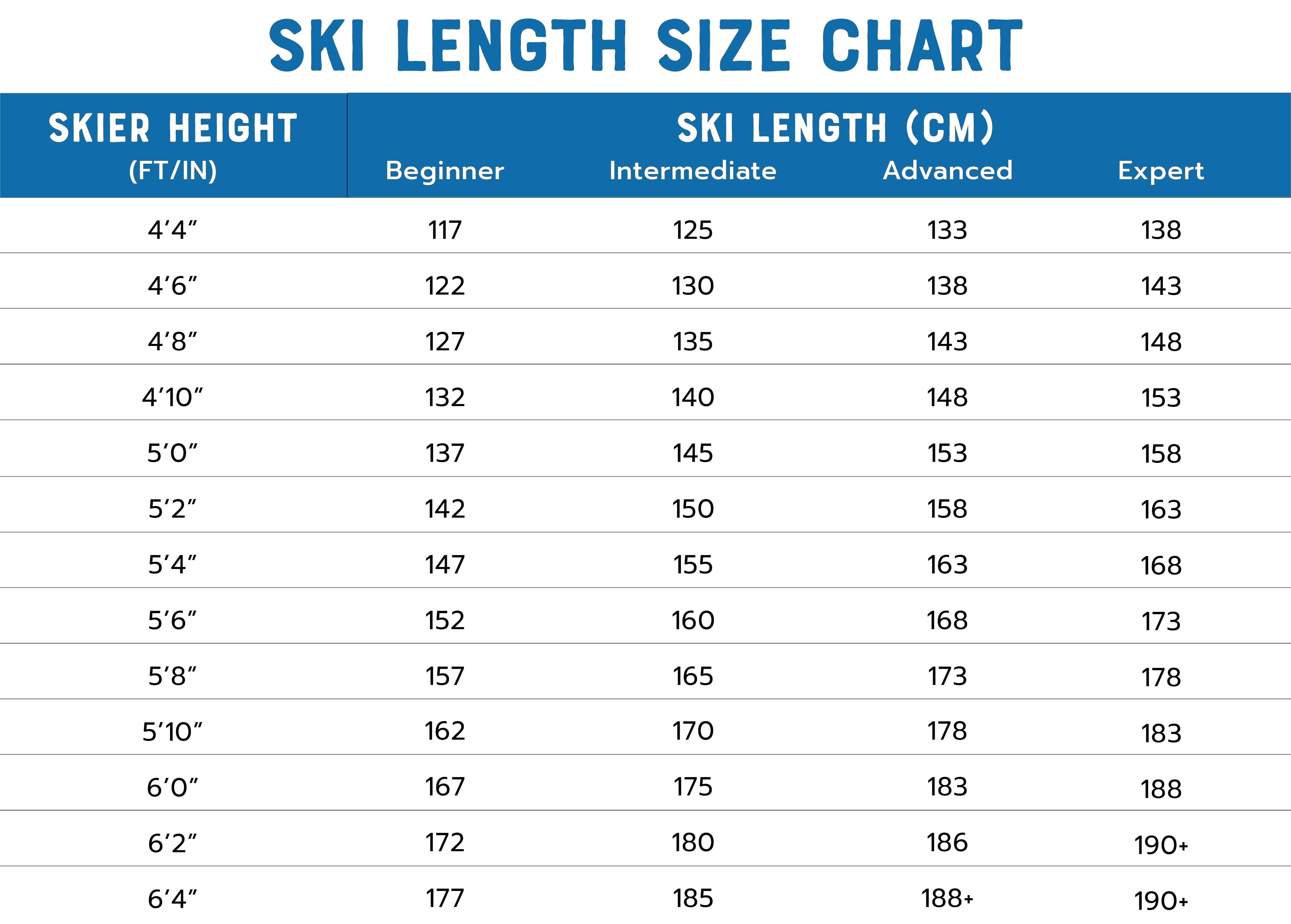
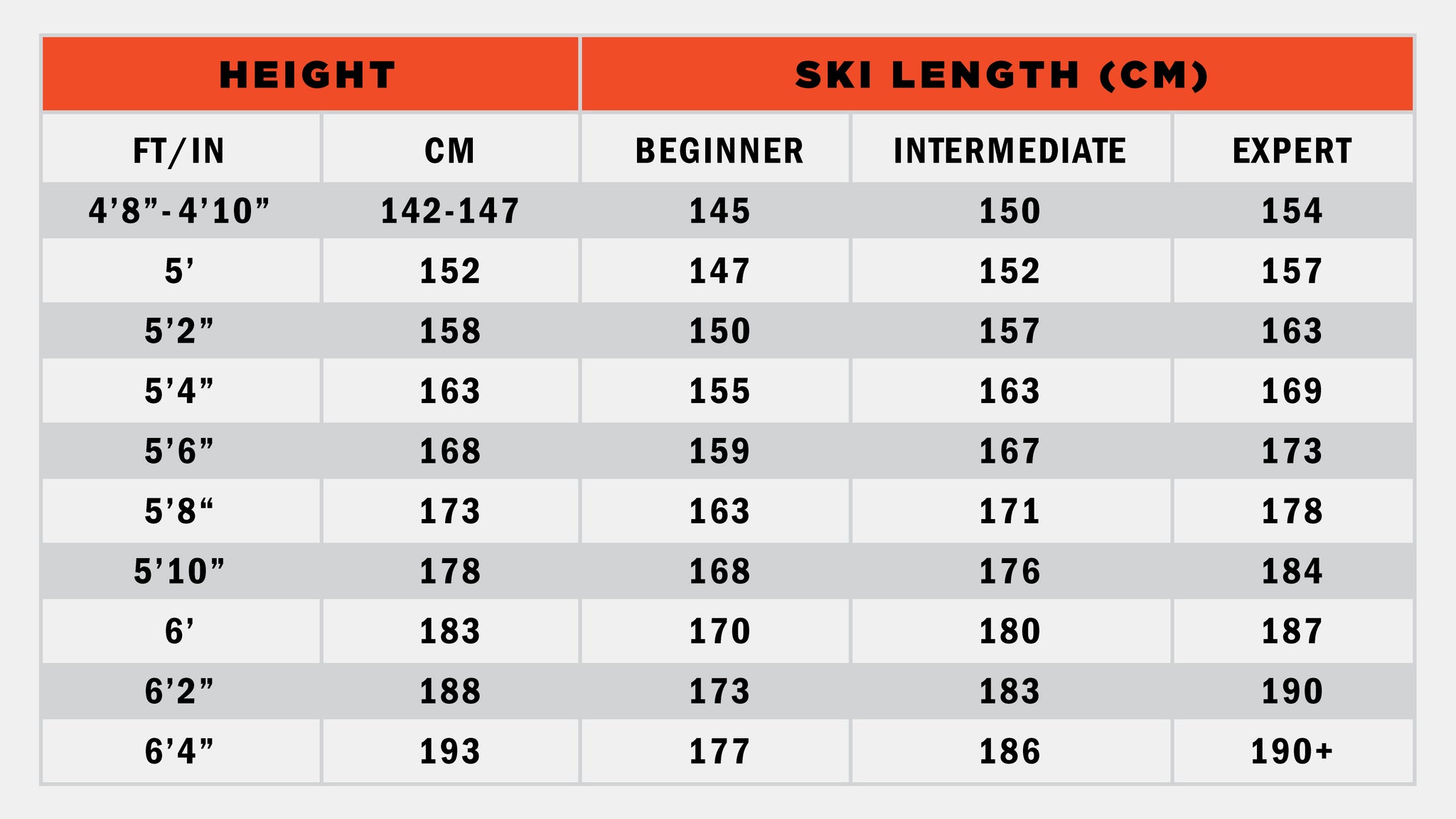
You're probably here because you need a quick answer, a simple guide to help you choose the right skis. Well, you've come to the right place! The ski height chart is your go-to tool for ensuring you get the perfect ski length. It's a handy reference, offering a quick and reliable way to find your ideal ski size. These charts often provide a ski length guide, giving you a starting point for your search. While the exact values may vary depending on your skiing style and preferences, the ski height chart is a great starting point for your ski sizing journey.
Understanding Ski Height: A Quick Overview
The ski height chart is a handy tool that simplifies the process of choosing the right ski length for your height and skill level. It provides a visual guide, often in the form of a table or diagram, to help you select skis that offer the best performance and control.
Comparing Ski Height Standards and Formats
There are a few key standards and formats for ski size charts. The most common ones are based on height and skill level, with recommendations for ski lengths in both centimeters and inches. These charts typically offer a range of ski lengths suitable for your height, ensuring you find the right fit.
How to Use the Ski Height Chart: A Step-by-Step Guide
Start by identifying your height. This is a crucial piece of information for using the chart accurately.
Next, determine your skill level. Are you a beginner, intermediate, or advanced skier? This factor influences the recommended ski length, as it's tailored to your experience and ability.
Refer to the chart and locate your height range. You'll typically find a column or section dedicated to your height, with suggested ski lengths.
Choose the ski length that aligns with your skill level within that height range. For example, a beginner within a certain height range might be advised to choose a shorter ski length for better control, while an advanced skier might opt for a longer ski for more speed and stability.
If you're between two sizes, consider your personal preference and the terrain you typically ski on. Longer skis offer more speed and stability but can be harder to maneuver, while shorter skis are easier to control but may feel less stable at higher speeds.
Common Misreadings and How to Avoid Them
It's important to remember that ski height charts provide general recommendations. Your personal preferences, skiing style, and the specific terrain you ski on can influence your choice. Always consider these factors when selecting skis, and don't hesitate to seek advice from ski professionals if you're unsure.
Additionally, be mindful of the units used in the chart. Some charts use centimeters, while others use inches. Ensure you understand the units to make an accurate selection. If you're unsure, you can always use a cm to inches conversion tool to double-check.
Well, that's a wrap on our ski height chart adventure! We've covered a lot of ground, from understanding the basics to navigating the different options and avoiding common pitfalls.
Remember, when it comes to ski height, there's no one-size-fits-all approach. So, before you hit the slopes, take a moment to ensure you've considered your unique needs and preferences. With the right ski length, you'll be carving down the mountain like a pro in no time!
And if you're keen to explore more ski-related topics, feel free to browse our other guides. We've got plenty of practical tips and tricks to keep you informed and inspired. Happy trails!
Related: Understand NPT Thread Chart: A Quick Guide
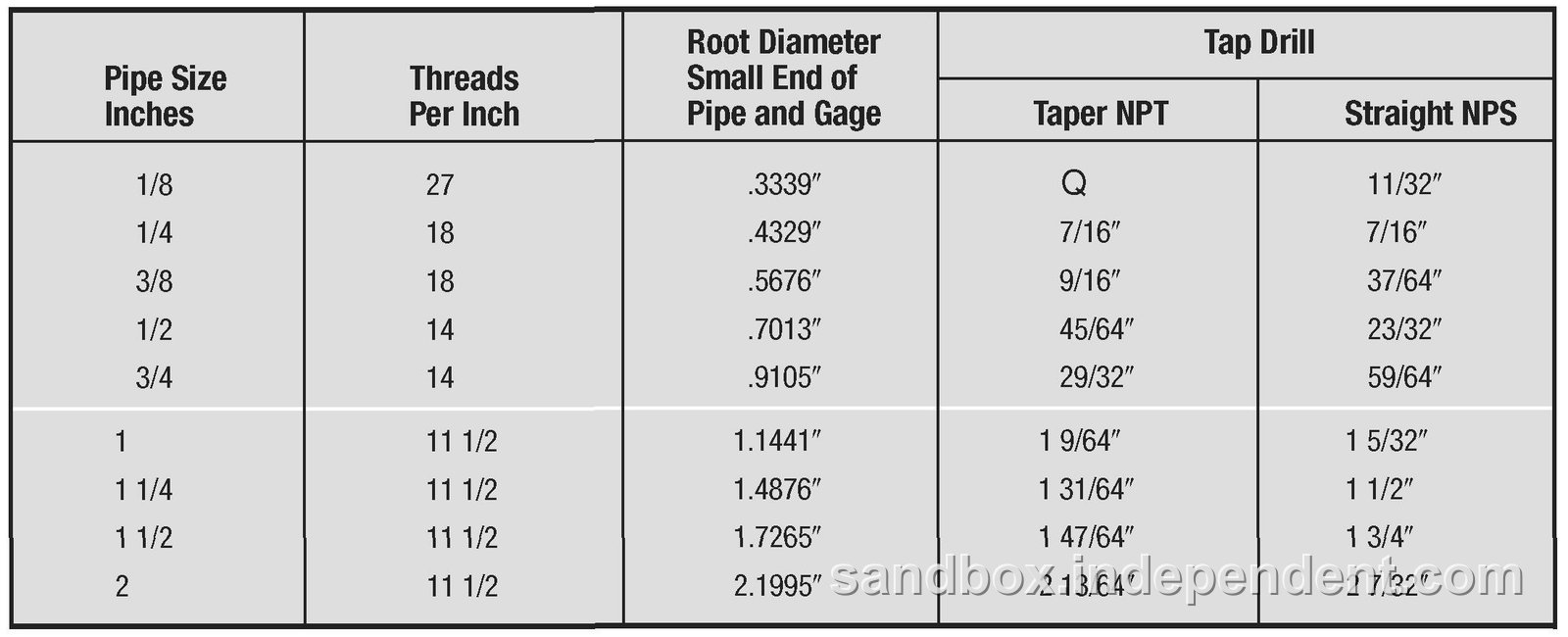
A common misconception about the NPT thread chart is that it's solely for professionals; however, this handy reference tool is accessible to anyone seeking precise thread information. The chart, often presented as a concise table or diagram, serves as a quick guide to understanding and identifying different NPT thread dimensions and standards. It's an essential resource for those working with pipes and fittings, offering a clear overview of the various thread types and their specifications.
Understanding the NPT Thread Chart
The NPT thread chart is a valuable reference tool for anyone working with pipe fittings and connections. It provides a comprehensive overview of the National Pipe Thread standards, offering a quick and accurate way to identify and select the right thread size and type for your needs. This chart is an essential guide for engineers, plumbers, and anyone dealing with fluid systems and piping.
Key Details and Categories
The NPT thread chart typically includes columns for thread size, pitch, and depth, along with other relevant specifications. Thread size refers to the nominal size of the pipe, usually in inches, and is a critical factor in ensuring a proper fit. Pitch, measured in threads per inch, indicates the spacing between threads, while depth refers to the height of each thread. Other details may include the thread's taper and the recommended sealing method. It's important to note that the chart's measurements and categories are based on the NPT standard, which is widely used in the United States.
Reading and Applying the Chart: A Step-by-Step Guide
- Identify the nominal pipe size you require. This is usually specified by the system or component you are working with.
- Locate the corresponding size on the NPT thread chart. The chart typically lists sizes in ascending order, making it easy to find.
- Check the thread pitch and depth for your chosen size. These values ensure a compatible fit with other components.
- Note any additional specifications, such as the thread's taper or sealing recommendations. These details are crucial for a secure and leak-free connection.
- Select the appropriate fittings and components based on the chart's specifications. Ensure that all parts align with the NPT standard for a proper seal.
Variations and Differences Across Standards
While the NPT thread chart provides a comprehensive guide, variations can occur due to different standards and regional practices. For instance, the NPT standard is specific to the United States, and other countries may use different thread standards, such as the metric system. Additionally, within the NPT standard, there are variations like the NPTF (dryseal) and NPSM (straight mechanical) threads, each with unique specifications. It's essential to double-check the exact standard and any specific requirements for your project to avoid compatibility issues.
Common Mistakes and How to Avoid Them
One of the most common mistakes is assuming that all pipe threads follow the NPT standard. Always confirm the thread standard for your project, especially when working internationally or with specialized systems. Another pitfall is overlooking the thread's taper, which can lead to leaks or poor connections. The NPT thread chart includes this information, so be sure to check it. Finally, remember that while the chart provides a guide, exact specifications and tolerances may vary slightly between manufacturers. Always refer to the manufacturer's documentation for precise details, especially for critical applications.
Well, that's a wrap on our guide to the NPT thread chart. We've covered a lot of ground, from the basics to the practical application, and I hope it's given you a clear understanding of this useful reference tool.
Remember, while this guide provides a solid foundation, it's always wise to verify the specific details for your unique situation. Exact values and standards can vary, so double-check the relevant sources for your project. Consider this page bookmarked for a quick refresh whenever you need a reminder!