

Mr Beast Coloring Page Overview
You're probably familiar with the hot vs crazy chart, a handy tool that's become a bit of a pop culture phenomenon. It's a simple concept: a chart that aims to help you navigate the dating game by assessing a potential partner's "hotness" and "craziness" levels. While it might sound like a light-hearted joke, this chart actually offers a fun way to discuss and analyze relationship dynamics and compatibility.
Decoding the Hot vs Crazy Chart: Unraveling Relationship Dynamics
The hot vs crazy chart is a fun and light-hearted way to visualize and understand relationship dynamics. It's a simple matrix that plots two key factors: a person's attractiveness or "hotness" and their level of "craziness" or unpredictability. This chart provides a unique perspective on compatibility and can offer some insights into the potential challenges and rewards of different relationships.
Understanding the Matrix: Key Details and Categories
The hot vs crazy chart typically uses a 10-point scale for both axes, creating a grid-like structure. The horizontal axis represents "hotness," with values ranging from 1 to 10, where 10 is extremely attractive. The vertical axis represents "craziness," also ranging from 1 to 10, with higher values indicating increased unpredictability or erratic behavior. Each person in a relationship can be plotted on this matrix, providing a visual representation of their dynamic.
Interpreting Results: How to Read and Apply the Chart
To use the hot vs crazy chart, follow these steps:
- Assess your own "hotness" and "craziness" levels honestly. Be realistic and self-aware.
- Plot yourself and your partner on the matrix. This gives you a visual snapshot of your dynamic.
- Analyze the quadrant you fall into:
- Top-Left: High "hotness" and low "craziness." This is often seen as the ideal, balanced relationship.
- Bottom-Right: Low "hotness" and high "craziness." This may indicate a challenging dynamic.
- Top-Right: High on both scales. These relationships can be intense and unpredictable.
- Bottom-Left: Low on both. While stable, they might lack excitement.
- Discuss and reflect on your positions. Understanding your dynamic can lead to better communication and problem-solving.
Common Pitfalls: Variations and Differences to Consider
It's important to note that the hot vs crazy chart is a simplified model and may not capture the complexity of real relationships. Here are some key considerations:
- Attraction and craziness are subjective and can vary over time. What seems crazy at first might become manageable with understanding.
- The chart assumes a linear scale, but in reality, these factors can be non-linear. A small increase in "craziness" might have a larger impact than expected.
- Context matters. A person's behavior can be influenced by external factors, so their position on the chart might not always be consistent.
- While the chart provides a snapshot, relationships are dynamic and can change. Regular check-ins and reassessments can help keep the chart relevant.
Remember, the hot vs crazy chart is a tool for fun and reflection, not a definitive guide. It's a conversation starter, encouraging couples to explore their dynamics and strengths.
Well, there you have it! The Hot vs Crazy Chart is a handy tool to keep in mind when navigating the dating scene. It's a simple concept but can offer some valuable insights.
Remember, while this chart provides a fun and practical framework, every situation is unique. So, be sure to adapt and adjust as needed, keeping your specific context and preferences in mind. It's always good to be prepared, but don't forget to enjoy the ride!
Feel free to explore our other guides for more dating and relationship tips. We've got you covered with plenty of practical advice and insights to keep things interesting.
Related: Uncover the Hair Levels Chart: Your Styling Guide
You're here, searching for a hair levels chart, a handy tool to help you understand your hair's characteristics. This chart is a simple yet effective way to visualize and assess your hair's thickness, density, and overall volume. It provides a quick reference, offering a snapshot of your hair's current state and a guide to track any changes over time. With various formats and standards, these charts offer a standardized way to measure and compare hair, ensuring an accurate and reliable assessment.
Understanding the Hair Levels Chart: Your Guide to Hair Volume
The hair levels chart is a handy tool to understand and categorize your hair's volume and thickness. It provides a simple, visual way to assess your hair's characteristics, which can be useful for styling, product selection, and even tracking hair growth progress. This chart typically uses a scale or a set of categories to describe hair volume, offering a quick reference for everyday use.
Comparing Hair Volume Standards: A Range of Options
There are various ways to categorize hair volume, and different charts may use different standards. Some common scales include a simple 1 to 10 scale, with 1 being the finest hair and 10 the thickest. Others might use a more detailed system, like a 1 to 20 scale, offering a broader range of options. Additionally, some charts might categorize hair into broad types, like "thin," "medium," and "thick," providing a more general overview.
Step-by-Step Guide: Using the Hair Levels Chart
- Start by gathering a small section of clean, dry hair, preferably from the top of your head.
- Hold the hair between your fingers and assess its thickness. Compare it to the visual representations or descriptions on your chosen hair levels chart.
- Match the thickness of your hair to the corresponding category or number on the chart. This will give you an idea of your hair's volume level.
- For a more precise assessment, you can count the number of hairs in the section you've gathered. This follicle count guide can provide additional insight into your hair's density.
Common Misconceptions and How to Avoid Them
One common mistake is assuming that the hair levels chart is a universal standard. While it provides a useful framework, it's important to note that hair characteristics can vary widely, and individual differences may not always fit neatly into these categories. Additionally, hair can change over time due to various factors, so regular assessments are beneficial. Always refer to the specific chart's instructions and consider any additional notes or explanations provided.
Factors Affecting Accuracy: Real-World Considerations
Several factors can influence the accuracy of your hair levels chart assessment. These include your hair's natural texture, whether it's curly, straight, or somewhere in between, as well as its overall health and condition. Environmental factors, such as humidity, can also temporarily affect your hair's volume and texture. It's essential to consider these variables when using the chart and to be aware that your hair's level may fluctuate. Regular assessments and a consistent approach will provide the most accurate results over time.
Hey there! We've covered a lot of ground in this post, and I hope it's given you a clear idea of how to navigate the hair levels chart and its various aspects. Remember, while the basics remain the same, there might be slight variations in the details, so always refer to the most relevant and up-to-date sources for your specific needs.
If you found this guide helpful, why not explore some of our other practical articles? We've got a range of topics that might just simplify your life, from organizing tips to handy reference guides. So, feel free to browse and discover more ways to make your daily routines a breeze!
Related: Find Your Perfect BJJ Gi Size: A Simple Guide
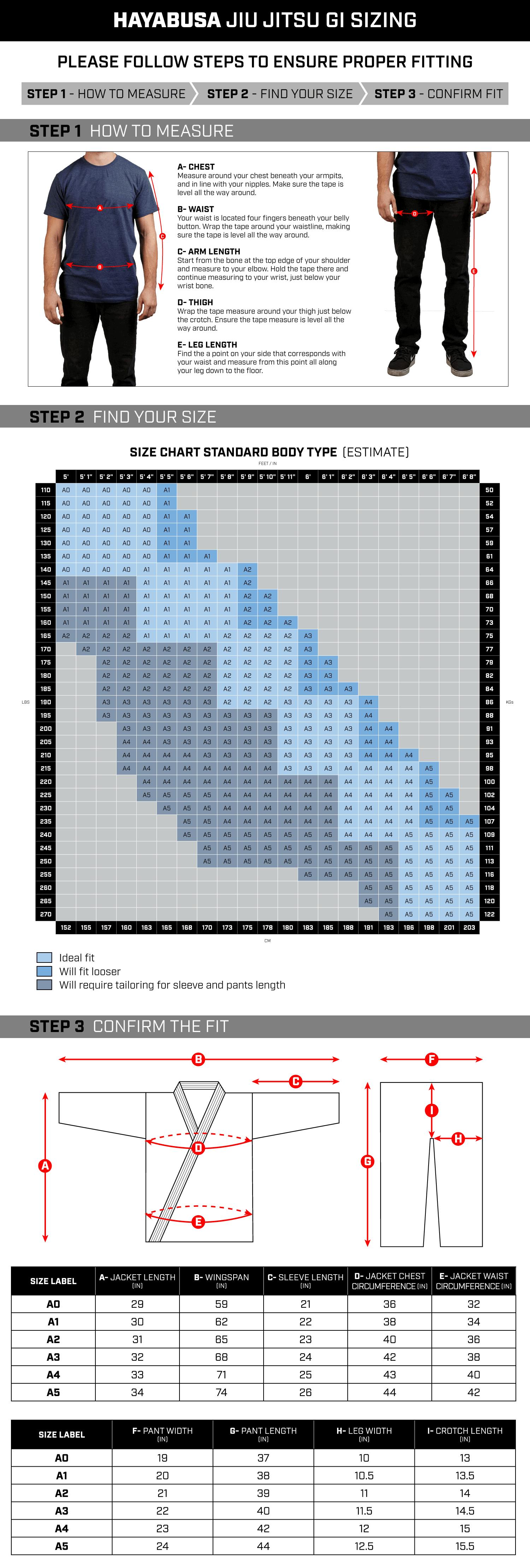
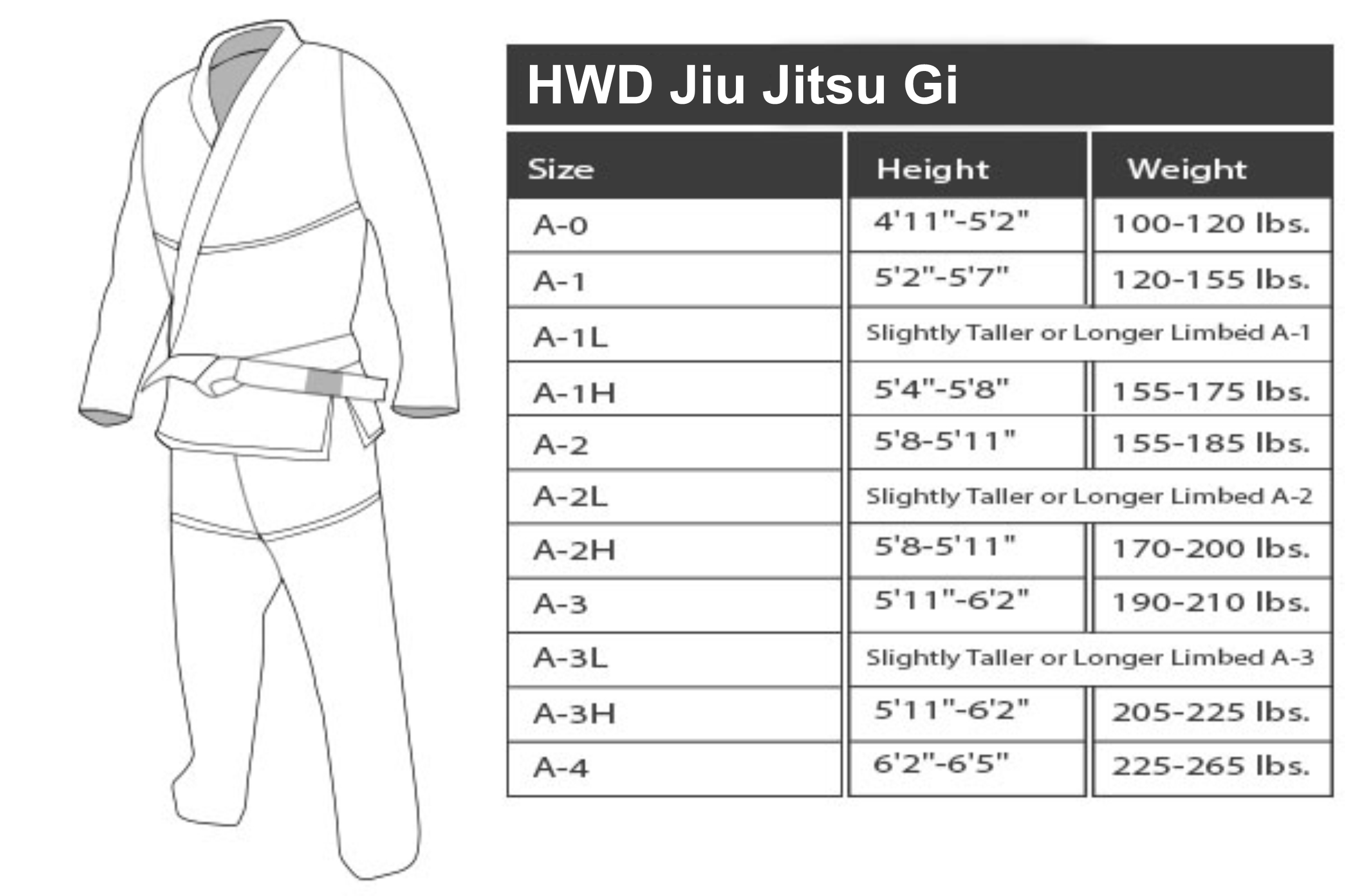
You're here because you need to find the right size for your BJJ gi, and you want a quick, accurate solution. The BJJ gi size chart is your go-to resource, a simple yet effective tool to ensure you get the perfect fit. This chart, a sizing guide, provides a straightforward way to navigate the world of Brazilian jiu-jitsu gi sizes, offering standard measurements and recommendations. While values may vary slightly depending on the brand or region, the chart is a reliable starting point for your sizing journey.
Understanding the BJJ Gi Size Chart
The bjj gi size chart is your handy guide to finding the perfect fit for your Brazilian Jiu-Jitsu gi. It's a reference tool that simplifies the sizing process, ensuring you get a gi that's comfortable and functional for your training sessions.
Comparing Size Standards and Formats
Size charts for BJJ gis typically follow standard measurements based on body height and weight. These charts often provide a range of sizes, from extra small to extra large, with some brands offering even more specific sizing options like A1, A2, and so on. The key is to find the right balance between a gi that's not too baggy or too tight, allowing for freedom of movement and comfort during rolls.
Step-by-Step Guide to Using the Chart
Using the bjj gi size chart is straightforward. First, measure your height and weight accurately. Then, refer to the chart, which will typically have height and weight categories. Find the intersection of your height and weight categories to determine your gi size. For instance, if you're 5'10" and weigh 170 lbs, you might fall into the A2 size category.
Here's a simple step-by-step process:
- Measure your height and weight.
- Refer to the size chart and identify your height and weight categories.
- Determine the size that corresponds to the intersection of these categories.
- If you're between sizes, consider the fit you prefer. A tighter fit might be better for competition, while a looser fit could be more comfortable for training.
- Always double-check the brand's specific size guide, as some may have slight variations.
Avoiding Common Misreadings and Pitfalls
One common mistake is relying solely on your usual clothing size when choosing a BJJ gi. Bjj gi sizes often differ from regular clothing sizes, so it's crucial to refer to the specific gi size chart. Another pitfall is assuming all brands use the same size standards. While many follow similar guidelines, slight variations exist, so always check the brand's size guide.
Factors Affecting Accuracy and Real-World Use
Several factors can influence the accuracy of the bjj gi size chart. Firstly, the chart is a general guide, and individual body types can vary. For instance, someone with a broader chest or longer arms may need to consider these specific measurements when choosing a gi. Secondly, the fit preference can vary between practitioners. Some prefer a more tailored fit, while others opt for a looser, more traditional look.
Choosing the Right Format for Your Needs
When it comes to bjj gi size charts, you'll find various formats and standards. Some brands provide detailed charts with precise measurements for each size, while others offer a more simplified guide. If you're new to BJJ or unsure about your size, a detailed chart with measurements can be extremely helpful. However, experienced practitioners who know their preferred fit may find a simpler chart sufficient. It's essential to consider your needs and the brand's reputation when choosing a size chart.
Well, there you have it! A comprehensive guide to BJJ gi sizing charts, covering all the bases. We've compared the options, walked you through the process, and highlighted some potential pitfalls. Remember, when it comes to finding the perfect fit, context is key.
So, before you finalize your choice, take a moment to consider your personal preferences and the specific requirements of your practice. It's always a good idea to have this guide bookmarked for future reference, just in case you need a quick sizing reminder. Happy rolling!