










Mr Krabs Png Overview
A common misconception about the emotion code chart is that it's a complex, intimidating tool, but it's actually a simple and powerful resource when used correctly. This chart, a visual representation of emotions, is an accessible guide that offers a clear and concise way to understand and interpret emotional responses. While there may be variations in the specific values and formats across different systems, the core concept remains the same: an emotion code system provides a structured approach to navigating the spectrum of human feelings.
Understanding the Emotion Code Chart: A Quick Overview
The emotion code chart is a valuable tool designed to help us interpret and understand human emotions. It provides a visual representation of various emotional states, offering a structured way to analyze and communicate feelings. This chart serves as a reference guide, aiding individuals in recognizing and expressing their emotions accurately.
Comparing Emotion Coding Systems: Formats and Standards
There are different formats and standards for emotional coding systems. The emotion code chart typically follows a widely accepted scale, ensuring consistency in emotional analysis. This scale often ranges from 0 to 10, with 0 representing a neutral or calm state and 10 indicating an intense or extreme emotion. It is essential to note that while this scale is common, variations may exist, especially in specialized fields or cultural contexts.
How to Use the Emotion Code Chart: A Step-by-Step Guide
To utilize the emotion code chart effectively, follow these steps:
- Identify the emotion you wish to analyze or communicate.
- Locate the emotion on the chart by considering its intensity and context.
- Assign a numerical value based on the scale, ensuring it aligns with the emotion's intensity.
- Communicate the emotion by sharing the assigned value, providing a clear and concise representation.
- When discussing emotions with others, refer to the chart to ensure a shared understanding.
Common Misreadings and Pitfalls: Ensuring Accurate Interpretation
Misinterpreting emotions can lead to misunderstandings. To avoid this, consider these tips:
- Ensure you understand the context in which the emotion is expressed.
- Be aware of cultural differences and how they may influence emotional expression.
- Regularly review and update your understanding of the emotion code chart, especially if you encounter new or unfamiliar emotions.
- Seek clarification if needed; open communication is key to accurate emotional interpretation.
Factors Affecting Real-World Accuracy: Key Considerations
When using the emotion code chart in real-life situations, several factors can impact accuracy:
- Affect intensity can vary widely between individuals, so be mindful of personal differences.
- Cultural norms and expectations play a significant role; emotions may be expressed differently across cultures.
- The context and situation greatly influence emotional responses; consider these factors when interpreting emotions.
- Personal experiences and past associations can shape how emotions are perceived and expressed.
- Physical and mental health conditions may affect an individual's emotional range and expression.
Remember, while the emotion code chart provides a valuable framework, it is essential to approach emotional analysis with flexibility and an open mind, considering the unique factors that influence each individual's emotional landscape.
Remember, the emotion code chart is a flexible tool, so you may find slight variations in practice. The key is to adapt it to your specific needs and context.
Feel free to explore our other guides for more practical insights and tips. Consider bookmarking this page for a handy reference—it might come in handy sooner than you think!
Related: General Contractor Names Essential Guide
"Hmm, I need to find a good general contractor for my home renovation. Any ideas on where to start?"
Understanding General Contractor Names
When you're planning a construction project, whether it's a new build or a renovation, one of the first steps is finding the right general contractor. General contractor names can be a bit of a mystery, but it's an important part of the process. These names are like a window into the company's identity and can give you a sense of their expertise and reputation.
So, how do you go about finding and choosing the right one? Well, it's not just about the name, but what it represents. A good general contractor will have a solid team, the right skills, and a track record of successful projects.
Choosing the Right Contractor
When you're searching for a general contractor, it's essential to do your research. Look for companies with a strong online presence and read reviews from previous clients. Check their portfolio to see if they've worked on similar projects to yours. You want to ensure they have the necessary experience and can handle the scope of your job.
Ask for references and contact previous clients to get an honest opinion on the contractor's work. It's also a good idea to meet with the contractor in person to discuss your project and get a feel for their communication style and approach.
Pricing and Quotes
One of the biggest concerns when hiring a general contractor is the cost. Pricing can vary greatly depending on the scope of the project, materials, and labor costs. It's crucial to get several written quotes to compare and ensure you're getting a fair deal.
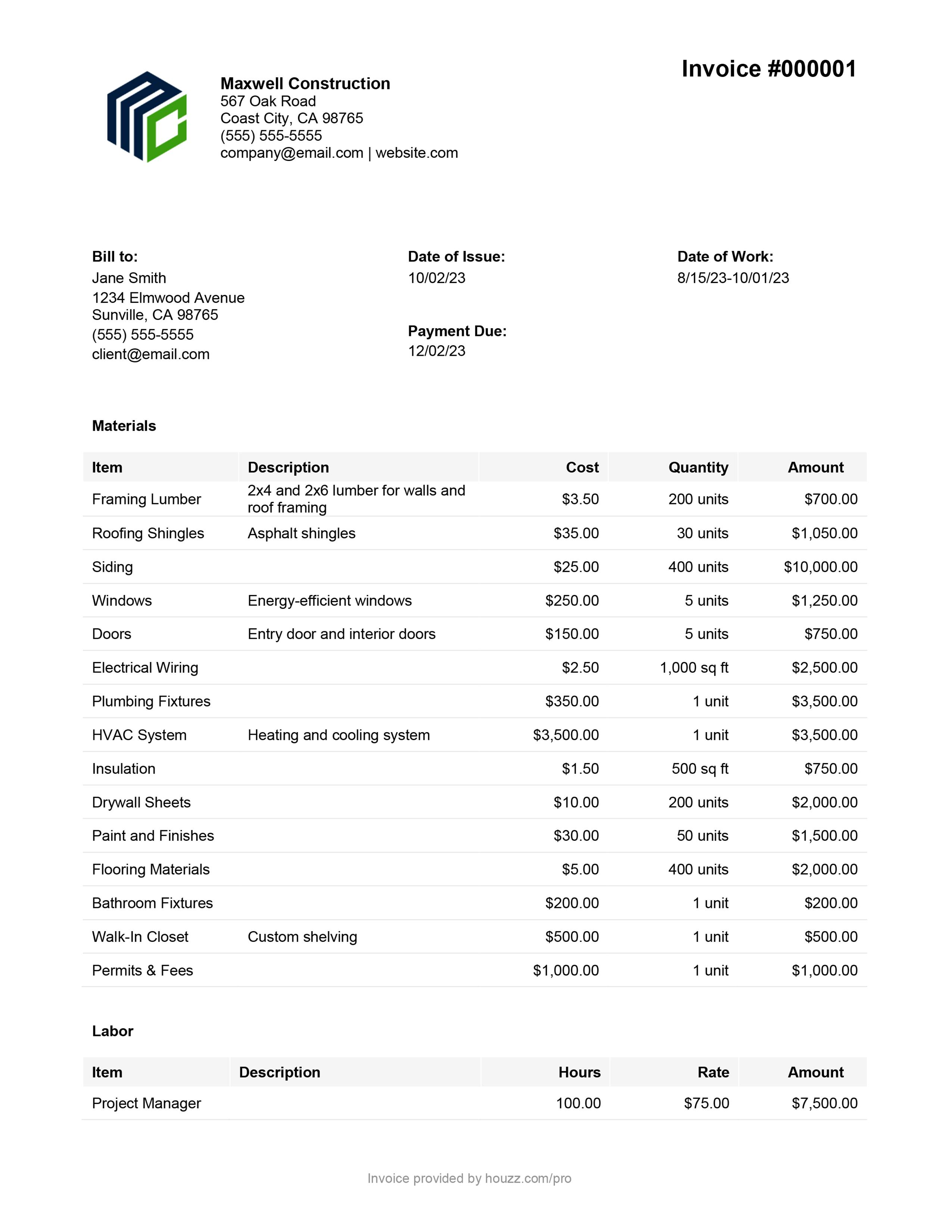
When comparing quotes, look beyond the bottom line. Consider what's included in the price, the timeline, and any potential hidden costs. A detailed, itemized quote is often a good indicator of a professional and transparent contractor.
Naming Your Construction Business
If you're in the construction business, choosing a name for your company is a big decision. It's your brand and can impact how potential clients perceive you. A good name should be memorable, unique, and reflect your company's values and services.
Here are a few name ideas to get you started:
- BuildCraft
- HomeRemodel Pros
- Constructive Solutions
- Renova
- The Build Team
- Crafted Spaces
Remember, before settling on a name, check its availability for domains and local registration to avoid any legal issues down the line.
Industry Tools and Data
In the construction industry, tools like RSMeans can be valuable resources. RSMeans provides cost data and estimating tools, helping contractors and clients understand the financial aspects of a project. It's a great way to ensure accurate pricing and manage expectations.
The Construction Industry
The construction industry is diverse, with companies of all sizes. Larger firms often have the resources to take on bigger projects and may specialize in certain areas. Smaller companies can offer a more personalized service and may be more flexible with pricing.
Wrapping Up
Finding the right general contractor is a crucial step in any construction project. It's all about research, comparing quotes, and understanding what you want and need. Remember, the name is just the beginning; it's the company's reputation and expertise that truly matter.
So, take your time, do your due diligence, and you'll be on your way to a successful construction project. Good luck!
Related: Decoding the r454b pt Chart: A Simple Guide
You're probably here because you need a quick guide to understanding the R454b PT chart and its applications. This handy reference tool is a go-to for many, offering a visual representation of refrigerant behavior. It's a simple yet powerful diagram, often used to interpret refrigerant temperature and pressure data. While the values and formats may vary depending on your specific needs or region, the R454b PT chart is a reliable starting point.
Understanding the r454b pt Chart
The r454b pt chart is a handy reference tool for anyone working with refrigeration and air conditioning systems. It provides a visual representation of the relationship between pressure and temperature for the refrigerant R454b. This chart is a valuable resource, offering a quick way to understand the state of the refrigerant under different conditions.
Comparing Chart Standards and Formats
There are variations in r454b pt charts, depending on the standard and region. Some charts use the metric system, while others follow the US customary units. It's essential to ensure you're using the right chart for your specific application and region. The format and layout may also differ, but the core information remains the same.
Step-by-Step Guide to Using the r454b pt Chart
Using the r454b pt chart is straightforward. First, locate the pressure value on the chart's horizontal axis. Then, move vertically to find the corresponding temperature. The intersection of these two values represents the state of the refrigerant. Here's a simple 3-step process:
- Identify the pressure.
- Find the temperature.
- Read the intersection point for the refrigerant's state.
For example, if you have a pressure of 100 psi and a temperature of 40°F, the chart will show that the refrigerant is in a liquid state.
Avoiding Misreadings and Pitfalls
Misinterpreting the r454b pt chart can lead to incorrect assumptions. Always ensure you're using the correct chart for your refrigerant and region. Pay attention to the units; some charts use psi, while others use bar or kPa. Converting units can be a simple fix but is essential for accuracy. Also, be aware that the chart represents a general guide; real-world conditions may vary slightly due to system design and other factors.
Factors Affecting Accuracy and Real-World Use
Several factors can influence the accuracy of the r454b pt chart. Firstly, the chart is a simplified representation and may not account for all variables in complex systems. Additionally, the chart assumes ideal conditions, so actual results may vary. It's crucial to consider the specific application and system design when using the chart. For instance, the presence of other gases or contaminants can affect the refrigerant's behavior. Always refer to manufacturer specifications and guidelines for precise information.
Hey there, we hope you found this guide helpful in navigating the world of R454B PT charts. Remember, while the basics remain consistent, the exact details can vary slightly, so always refer to the specific standards and sources relevant to your project.
Feel free to explore our other guides; we've got a range of practical resources to help you tackle various topics with ease. Happy learning, and keep those charts handy!