










My Beaumont Chart Blank Overview
Many people often mistake Edison Charter SF for just another educational chart or table, but it's so much more than that. Edison Charter SF is a powerful tool, a comprehensive guide that offers a unique insight into the world of education, specifically within the San Francisco context. This reference is designed to provide a clear overview, helping users navigate and understand the performance and standards of schools, with a focus on the Edison Charter School and its rankings. While the values and metrics may vary, this chart offers a reliable starting point for anyone seeking to make informed educational choices.
Edison Charter SF: A Snapshot of Educational Excellence
Edison Charter SF offers a unique educational journey, and understanding its performance is key. This chart provides a concise overview, showcasing its strengths and areas of focus. Let's explore how to interpret this data effectively.
Comparing Key Metrics and Standards
The chart compares Edison Charter SF's performance against regional benchmarks and charter school averages. It covers a range of indicators, including student achievement, academic growth, and parent satisfaction. These metrics are essential for evaluating the school's overall effectiveness. When reading the chart, note that measurements may vary based on the specific standards and frameworks used.
Step-by-Step Guide: Interpreting the Data
To navigate this chart effectively, follow these steps:
Begin by identifying the key indicators. These are typically highlighted or labeled clearly.
Compare the values against the regional benchmarks. A quick glance will show how Edison Charter SF performs relative to other schools in the area.
Look for trends. Are there consistent strengths or areas for improvement? This provides insights into the school's focus and strategies.
Consider the context. Understand the unique aspects of Edison Charter SF's curriculum and mission to interpret the data accurately.
Use the chart as a starting point. It offers a snapshot, but for detailed insights, refer to the school's official reports and student achievement data.
Avoiding Common Misinterpretations
While the chart is a valuable tool, it's essential to be aware of potential pitfalls:
Avoid over-simplifying. Each indicator has its nuances, and a holistic view is crucial.
Be mindful of variations. SF education standards and assessment methods can change, impacting the data. Stay updated on any shifts.
Understand the limitations. The chart provides a broad overview; for specific details, consult the school directly.
Key Factors Influencing Accuracy
Several factors influence the accuracy and real-world application of this chart:
Charter school performance metrics can vary based on the student population and curriculum. Consider the school's unique context.
Regional benchmarks may not always align with national or international standards. Be aware of these differences when comparing.
Data collection methods and assessment tools can impact results. Ensure you understand the methodologies used.
Finally, stay informed about any recent developments or initiatives that may influence Edison Charter SF's performance.
Remember, while this guide provides a solid framework, every situation is unique. Exact details may differ slightly, so it's always good to double-check and adapt to your specific needs.
Consider bookmarking this page for future reference; it's a handy tool to have at your fingertips when you need a quick reminder. You'll find many more practical guides like this one, so feel free to explore and discover the ones that resonate with you!
Related: A Simple Guide to Blanket Size Chart
A blanket size chart is a handy tool to have when you're shopping for the perfect blanket, whether it's for your bed or a cozy throw. This guide will show you how to navigate and understand these charts, ensuring you get the right size every time.
Blanket size charts can vary, offering different measurements and sizes, so it's helpful to know the standard sizes like twin, full, and queen, and even the metric conversions. With this knowledge, you'll be able to choose the ideal blanket size with confidence.
A Quick Overview of Blanket Size Charts
Blanket size charts are a handy reference tool to help you choose the right blanket size for your needs. These charts provide standard dimensions for various blanket sizes, making it easier to find the perfect fit for your bed or specific use. Whether you're shopping for a new blanket or just want to understand the sizes better, this guide will walk you through the basics.
Comparing Blanket Size Standards and Formats
Blanket size charts can vary depending on the standard or region. In the US, you'll often find measurements in inches, with common sizes like twin, full, queen, and king. Internationally, metric measurements are used, and you might see sizes like single, double, queen, and super king. It's important to know which standard you're dealing with to ensure accurate sizing.
Step-by-Step Guide to Reading a Blanket Size Chart
Here's a simple process to read and understand a blanket size chart:
Identify the Standard: First, check if the chart uses US or metric measurements. This will impact the dimensions and size labels.
Locate the Size Category: Look for the size you're interested in, such as twin, full, or queen. These categories are typically listed clearly on the chart.
Read the Dimensions: Under each size category, you'll find the width and length measurements. These are the standard dimensions for that particular size.
Consider Variations: Keep in mind that while charts provide standard sizes, there can be slight variations between manufacturers. Always check the exact specifications if precision is crucial.
Common Misreadings and How to Avoid Them
It's easy to misinterpret a blanket size chart if you're not familiar with the format. Here are some common mistakes and how to avoid them:
Mixing Up Standards: Always double-check if the chart uses US or metric measurements. Using the wrong standard can lead to significant sizing errors.
Assuming Exact Fit: Blanket size charts provide standard dimensions, but actual products might have slight variations. Always check the product specifications for precise measurements.
Ignoring Size Labels: Pay attention to the size labels on the chart. Each label corresponds to a specific size category, so ensure you're looking at the right one.
Factors Affecting Size Variations
Several factors can cause variations in blanket sizes:
Manufacturer Differences: Each manufacturer might have slight variations in their sizing, so always check the product details.
International Standards: Blanket sizes can vary between countries due to different standards and measurements.
Product Type: Different types of blankets, such as crib blankets or throw blankets, might have unique sizing. Always check the specific product category.
Choosing the Right Size for Your Needs
When selecting a blanket size, consider your specific requirements:
Bed Size: Ensure the blanket fits your bed size comfortably. A queen-size blanket won't fit a king-size bed, for example.
Personal Preference: Some people prefer oversized blankets for extra coverage. If you like a snug fit, choose a size that matches your bed dimensions.
Blanket Type: Consider the purpose of the blanket. A crib blanket will have different dimensions compared to a standard bed blanket.
Keeping Your Reference Reliable for Future Use
To ensure you can rely on your blanket size chart for future purchases:
Save the Chart: Keep a digital or printed copy of the chart for easy reference.
Check for Updates: Blanket size standards might evolve over time. Periodically review the chart to ensure it's up-to-date.
Note Product Variations: If you find a blanket with slightly different dimensions, make a note of it for future reference. This can help you make more informed choices.
Well, that's a wrap on our blanket size chart adventure! We've covered a lot of ground, from understanding the different options to learning how to use and adapt them to your needs. Remember, the exact details might vary slightly, so always double-check the source or standard you're using.
Feel free to explore more of our practical guides and resources. We've got a whole collection of tips and tricks to make your life easier, so don't be a stranger!
Related: What's the best way to use a slacks size chart?
A slacks size chart is your handy tool for ensuring a perfect fit every time. This guide will walk you through the ins and outs, offering a simple approach to understanding those charts and ensuring you get the right size.
You'll find these charts are a great reference, offering waist size charts, pant guides, and even international size standards. While the values may vary slightly depending on the brand and region, they provide a reliable starting point for your measurements.
Understanding Slack's Size Chart
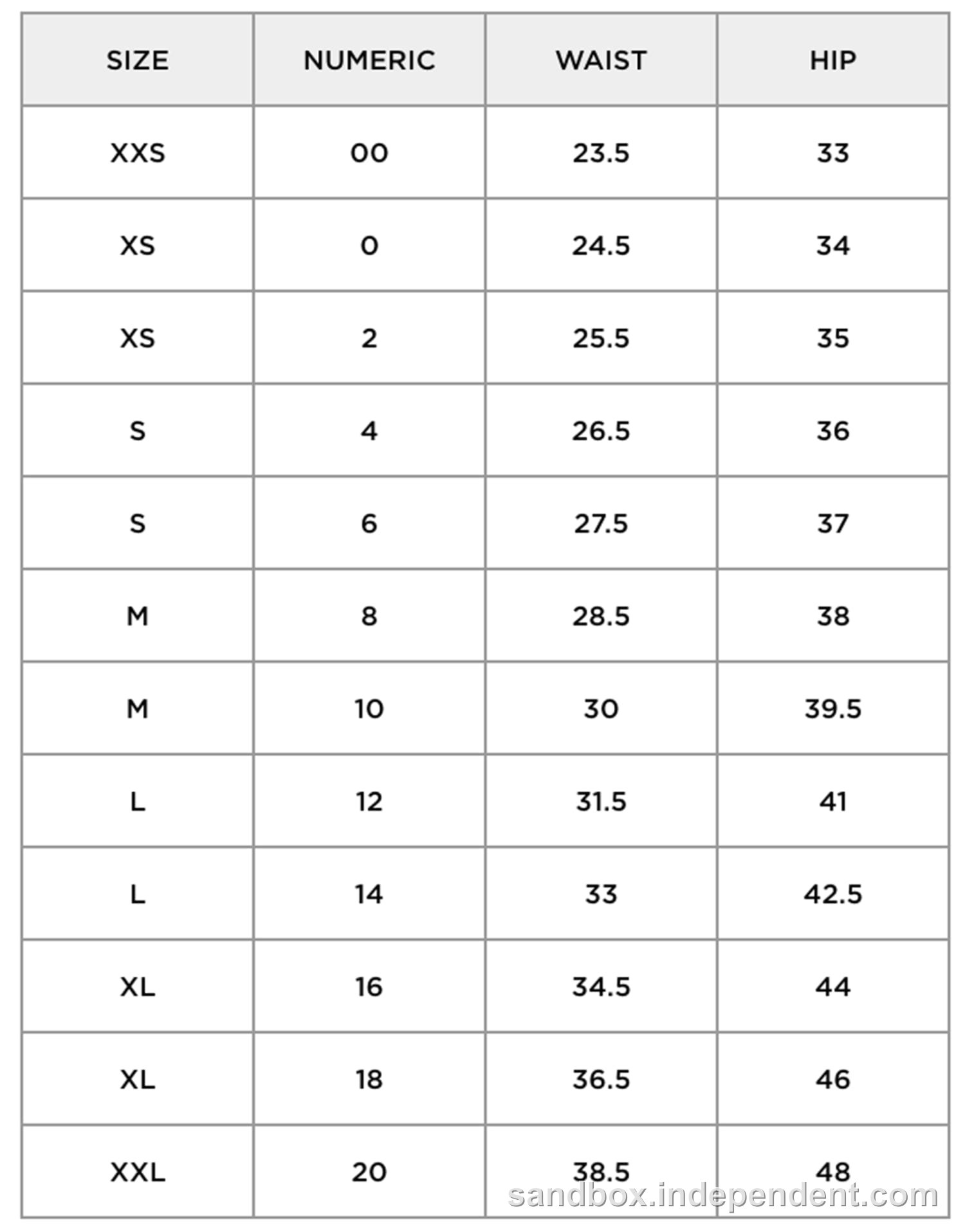
A waist size chart is a handy tool to help you find your perfect fit when shopping for slacks. It's a reference guide that translates your body measurements into the right size label, making it easier to choose the correct pair of pants.
Comparing Size Chart Standards
Size charts can vary depending on the brand and region. For example, a pant size guide from a US brand might use different measurements or labels compared to an international brand. It's important to check which standard the chart follows to ensure an accurate fit.
Step-by-Step Guide to Using the Size Chart
Using a slacks size chart is simple. Here's a quick guide:
Measure your waist: Use a tape measure to find your natural waist, which is usually the smallest part of your waist. Make sure the tape is snug but not too tight.
Find your waist size: Look for the waist measurement column on the chart. It will typically list a range of sizes, often in inches or centimeters. Find the number that matches or is closest to your waist measurement.
Check the hip measurement: Some charts also include hip measurements. If your hips are wider than your waist, ensure the hip measurement on the chart accommodates your body shape.
Consider the inseam: The inseam length determines how long your pants will be. Choose the length that suits your preference and height.
Avoiding Common Misreadings
It's easy to misinterpret a size chart if you're not familiar with it. Here are some tips to avoid common mistakes:
Always double-check the units of measurement. Some charts use inches, while others use centimeters.
Pay attention to the size labels. Brands might use different terminology, so ensure you understand their specific size categories.
If you're between sizes, it's often better to size up for comfort. Most charts provide a range, so choose the larger size if you're unsure.
Factors Affecting Accuracy
Several factors can influence the accuracy of a slacks size chart:
Body shape: The chart provides a general guide, but everyone's body is unique. Factors like muscle mass, bone structure, and body fat distribution can affect how clothes fit.
Fabric and design: The material and cut of the pants can impact the fit. Stretch fabrics might offer more flexibility, while structured fabrics may require a more precise fit.
Personal preference: Comfort and style are subjective. Some people prefer a looser fit, while others like their pants more tailored. Consider your personal style and comfort level when choosing a size.
Adapting the Chart for Your Needs
The beauty of a slacks size chart is its adaptability. You can use it as a starting point and make adjustments based on your preferences:
If you prefer a more relaxed fit, choose a size larger than your measured waist size.
For a more tailored look, opt for a size that matches your waist measurement precisely.
Consider the rise of the pants (high, medium, or low) and choose a size that aligns with your preference.
Keeping Your Reference Reliable
To ensure a consistent and reliable experience, it's beneficial to keep your slacks size chart updated:
Measure yourself regularly, especially if you've gained or lost weight. Body measurements can change over time, so it's essential to have an accurate reference.
Take note of the brand and style of pants you usually wear. This information can help you quickly identify your size when shopping online or in-store.
Share your measurements with trusted friends or family members. This way, they can assist you in finding the right size when shopping together.
Well, there you have it! A comprehensive guide to slacks size charts, covering all the bases. We've explored the different options, learned the steps to get an accurate fit, and even discussed some common pitfalls to avoid.
Remember, when it comes to size charts, there can be slight variations, so always double-check the specific requirements for your chosen brand or style. It's a good idea to keep this page bookmarked for future reference, so you can quickly refer back to it when needed. Stay stylish, and happy sizing!