







My Hero Academia Coloring Pictures Overview
Many newcomers to clone hero charts assume they are complex and intimidating, but in reality, they are a simple and effective tool for music gamers. These charts, often associated with games like Clone Hero and Guitar Hero, provide an easy-to-read visual representation of the song's notes and rhythms. While there may be variations in chart formats, the core principle remains the same: a clear path to follow, much like a note highway.
What Are Clone Hero Charts?
Clone Hero charts are a visual representation of a song's notes and their timing, designed to guide players through the gameplay of Clone Hero, a popular music rhythm game. These charts are essentially a roadmap for players to follow, indicating when and where to press the corresponding buttons to hit the notes accurately.
Understanding the Layout and Key Details
The chart displays a note stream, often referred to as the note highway or note track, which represents the flow of notes in a song. Each note is represented by a small circle or marker, and these notes are arranged in a specific pattern across the chart. The chart typically uses a grid-like structure, with the vertical axis indicating time and the horizontal axis representing the different lanes or frets. The notes are color-coded, with each color corresponding to a specific button or fret on the game's controller. Common colors include red, yellow, green, blue, and orange, each associated with a particular button. Additionally, the chart may include special notes, such as star power notes, indicated by unique symbols.
Reading the Note Stream and Playing the Song
To read and play a Clone Hero chart accurately, follow these steps:
- Start by familiarizing yourself with the layout and note colors. Ensure you know which color corresponds to which button or fret.
- Observe the note stream and identify the pattern. Notes are often grouped together in chords or sequences, so recognizing these patterns is crucial.
- As the song progresses, pay attention to the timing. The vertical axis indicates when each note should be played.
- Press the corresponding button or fret when the note marker reaches the designated lane. This action simulates strumming or fretting on a real guitar.
- For more advanced techniques, such as star power activation or specific finger placements, refer to the chart's symbols and follow the indicated actions.
Variations and Differences in Chart Standards
Clone Hero charts can vary depending on the song's genre, difficulty level, and the creator's style. Different chart makers may have unique approaches to note placement and timing, leading to variations in the chart's layout and complexity. Additionally, regional differences and game version updates can impact chart standards. Always check the chart's metadata or accompanying information to ensure you are using the correct version for your game setup.
Common Mistakes and How to Avoid Them
One of the most common mistakes is failing to recognize note patterns and timing accurately. Take time to study the chart and understand the song's rhythm. Another pitfall is neglecting to calibrate your game settings, which can cause timing issues. Ensure your game is properly calibrated to match your input device's response time. Additionally, some players may rush through the song, leading to missed notes. Maintain a steady pace and focus on precision.
Practical Tips for Accurate Chart Reading
To enhance your chart-reading skills and gameplay, consider these tips:
- Practice recognizing note patterns and chord progressions. This skill will improve your ability to anticipate and play notes accurately.
- Use practice modes or slower song speeds to familiarize yourself with the chart before attempting a full playthrough.
- Pay attention to your finger placement and strive for consistency. Proper finger placement can improve your accuracy and reduce fatigue.
- Take breaks and rest your hands to prevent strain, especially during longer play sessions.
Double-Checking and Handling Edge Cases
While Clone Hero charts provide a comprehensive guide, it's essential to double-check specific details, especially for complex songs or unique gameplay elements. Some charts may include custom symbols or notation, so refer to the chart's documentation or creator's notes for clarification. Additionally, if you encounter a chart with an unfamiliar layout or notation style, consider seeking guidance from the Clone Hero community or referencing other charts for comparison.
Well, there you have it! Clone hero charts are a handy tool, and now you know the ins and outs. Remember, the key is to understand the basics and then tailor them to your specific needs.
Before you go, just a quick reminder to always check the relevant standards and sources for your project. Exact values and terminology can vary, so it's best to double-check and ensure accuracy. Consider this guide a starting point, and feel free to bookmark it for future reference. Happy charting!
Related: How to use a weight chart for yarn?
Many crafters, especially beginners, often overlook the importance of understanding weight chart yarn and how it can impact their projects. While it may seem like a simple reference, it's a crucial tool to ensure your knitting or crocheting turns out just right.
The weight chart provides a clear indication of yarn thickness, and while the values might vary slightly, it offers a consistent guide to help you choose the right yarn for your pattern. Think of it as a roadmap, guiding you to the perfect yarn weight for your next creation, be it a cozy scarf or a delicate lace shawl.
What is a Weight Chart for Yarn?
A weight chart for yarn is a valuable tool that helps knitters, crocheters, and other yarn crafters understand the thickness or "weight" of different yarn types. It's like a map that guides you through the world of yarn, ensuring you choose the right thickness for your project.
Key Details and Categories
The weight chart typically consists of categories or ranges that describe the thickness of the yarn. These categories are often represented by numbers or symbols, and they provide a standardized way to compare and choose yarns. For example, you might see categories like "Lace," "Fingering," "Sport," "Worsted," and "Bulky." Each category has a specific range of thicknesses, and the chart helps you visualize and understand these differences.
How to Read and Apply the Weight Chart
Reading a weight chart is straightforward. First, identify the category or range that best describes the thickness of your yarn. You can do this by referring to the label on the yarn ball or skein, which often includes the weight category. If you're not sure, you can also measure the thickness of the yarn with a gauge tool or by comparing it to known thicknesses. Once you've identified the category, you can use the chart to understand the yarn's characteristics and choose the appropriate needle or hook size for your project. For instance, if you're working with a worsted-weight yarn, you'll typically use a 4.5-5.5 mm needle or a 5.0-5.5 mm hook.
Variations and Differences
It's important to note that weight charts can vary depending on the standard being used. The most common standards are the Craft Yarn Council (CYC) Standard Yarn Weight System, which is widely used in the US, and the International Standard (metric system). These systems may have slightly different categories and ranges, so it's crucial to know which standard your chart is based on. Additionally, some yarn manufacturers may use their own proprietary systems, so always double-check the specific weight category and its range if you're unsure.
Common Mistakes and How to Avoid Them
One common mistake is assuming that all yarns within a category are exactly the same thickness. While the categories provide a useful guide, there can be variations within each range. Always check the specific gauge or thickness of your yarn, especially if you're substituting one brand or type for another. Another mistake is ignoring the recommended needle or hook size. Using the wrong size can result in a project that's too loose or too tight, affecting the overall look and feel of your work.
Practical Tips for Accurate Results
When choosing yarn, always refer to the weight chart and the specific weight category of your yarn. If you're working from a pattern, ensure the recommended yarn weight matches the weight of the yarn you've chosen. If you're substituting yarn, compare the thickness and weight category of your new yarn to the original yarn specified in the pattern. This ensures your project will turn out as intended. Additionally, always check the gauge or tension of your work early on in the project to ensure you're achieving the desired results. If your gauge is off, adjust your needle or hook size accordingly.
Hey there, I hope this guide has given you a clear understanding of weight chart yarn and its practical uses. Remember, while the basics remain the same, the exact details can differ slightly based on your specific needs and the standards you're working with.
Feel free to explore our other guides; we've got a range of topics covered to help you navigate the world of yarn and crafts with ease. Happy crafting!
Related: Home Renovation Contractor Simple Guide
I'm feeling a bit overwhelmed by the thought of my upcoming home renovation. I've heard home renovation contractor is the way to go, but I'm not sure where to start. I want to get it right, so I'm doing some research to find the best approach.
Understanding the Home Renovation Contractor
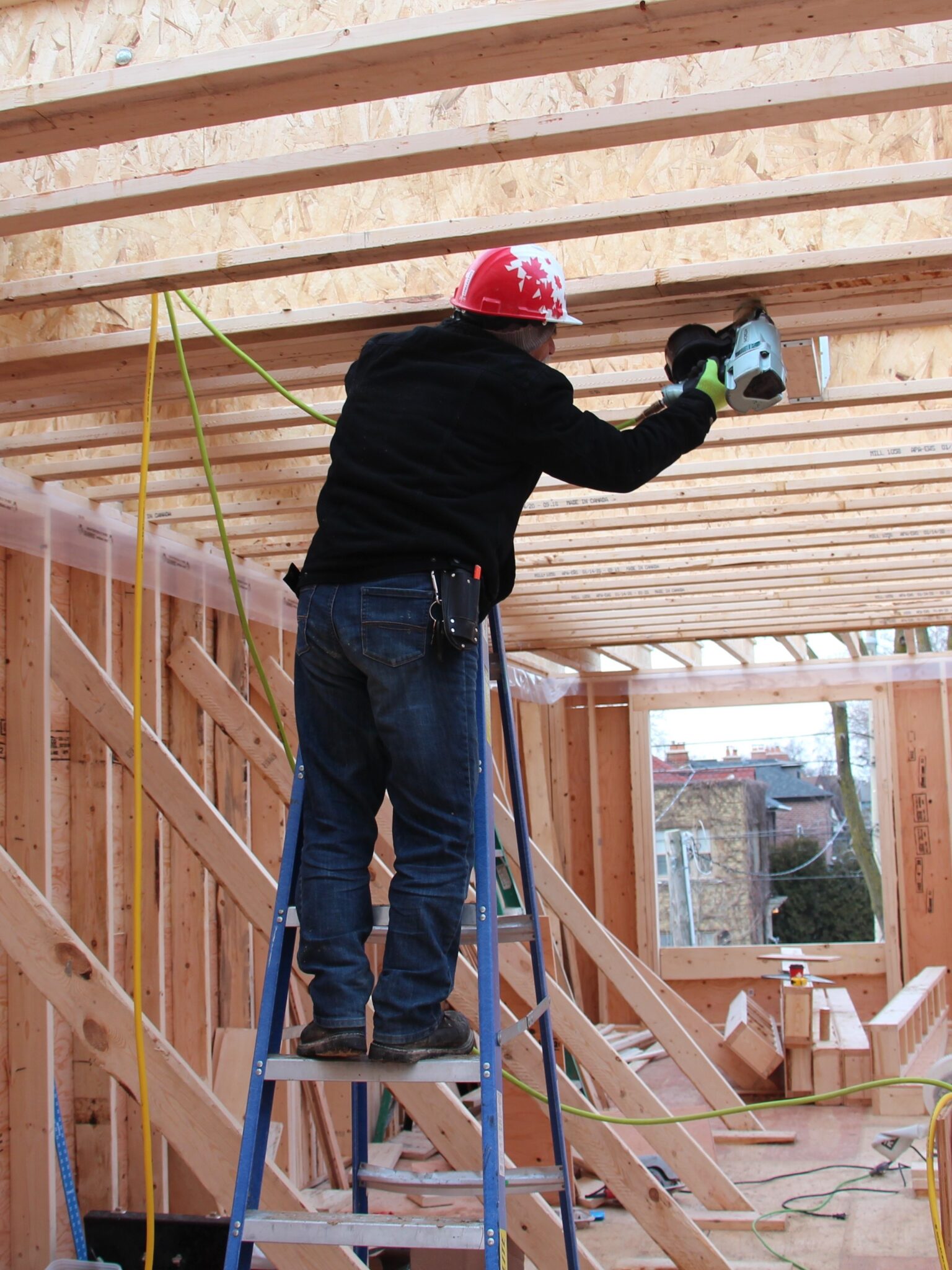
A home renovation contractor is your go-to expert for all things related to transforming your living space. They handle the ins and outs of construction and remodeling, ensuring your vision becomes a reality. From adding a room to updating your bathroom, these professionals manage the entire process, from planning to completion.
When you hire a home renovation contractor, you're getting a team of skilled workers who can handle various tasks. They'll coordinate the work, manage the timeline, and ensure the project stays on track and within budget. It's a one-stop shop for all your renovation needs, taking the stress out of the process.
Finding and Hiring the Right Contractor
Finding a reliable home renovation contractor is key. Check online reviews and ask for recommendations from friends or family. Once you've found a few potential contractors, it's important to ask the right questions. Inquire about their experience, the scope of their work, and any specific skills or certifications they have.
Get detailed quotes from at least three contractors. Compare these quotes, but remember the cheapest isn't always the best. Look for a balance between cost and quality. A good quote will include a breakdown of costs, the timeline, and a clear understanding of the work to be done.
Construction Companies and Their Names
Construction companies often have unique names that reflect their brand and services. A good name should be memorable, easy to pronounce, and give a hint about the business. Some creative names could be Build-It-Right, Renovate & Revive, or Home Transformation Specialists.
Before settling on a name, check its availability for local registration and as a domain. You want to ensure your business name isn't already taken and that you can secure a matching website address.
Industry Tools and Data
The construction industry uses various tools and data to estimate costs and manage projects. One such tool is RSMeans, which provides cost databases and escalation data to help contractors and estimators. This data is crucial for accurate pricing and helps ensure projects stay within budget.
Construction Jobs and Salaries
The construction industry offers a range of roles, from general contractors to specialized tradespeople. Salaries can vary depending on the role, experience, and location. Estimators, for example, play a crucial part in pricing projects accurately.
If you're interested in construction jobs, check local job boards, company websites, and industry-specific platforms. It's a hands-on, rewarding career with plenty of opportunities.
Big Construction Companies
Large construction companies often have the resources to take on major projects. They may have a broader range of services and a larger team of specialists. However, smaller companies can offer personalized service and may be more flexible.
The size of the company doesn't always determine its quality. It's important to research and choose a company that aligns with your needs and budget, regardless of its size.
Final Thoughts
Hiring a home renovation contractor can be a great way to bring your home improvement dreams to life. With the right team, you can transform your space and create a home you love. So, take the time to research, ask questions, and find the perfect fit for your project.