






My Little Pony Coloring Sheets Printable Overview
The seed cycling chart is a handy tool for those looking to support their menstrual cycle and hormone health naturally. It's a simple visual guide that outlines a seed cycling protocol, which involves consuming specific seeds at different phases of your cycle.
This guide will walk you through the basics, explaining how to read and use the seed cycling chart effectively. You'll discover the benefits of seed cycling, including its potential to promote hormone balancing and natural fertility. So, let's dive in and explore this fascinating and accessible practice!
Seed Cycling Chart: A Practical Guide
The seed cycling chart is a simple yet effective tool to guide you through the seed cycling protocol. It provides a visual representation of when to consume specific seeds during your menstrual cycle to support hormone balance and overall well-being. This chart is a handy reference for anyone looking to incorporate seed cycling into their daily routine.
Understanding the Phases and Categories
The seed cycling chart typically divides the menstrual cycle into two phases: the follicular phase and the luteal phase. Each phase has its own recommended seed combination. The chart will indicate which seeds to consume during these phases, usually flax and pumpkin seeds for one phase, and sesame and sunflower seeds for the other. It's important to note that the chart may vary slightly depending on the source and individual needs.
Seed Rotation Guide: Step-by-Step
Here's a simple guide on how to read and use the seed cycling chart:
- Identify your cycle: Determine the length of your menstrual cycle. The average cycle is around 28 days, but it can vary. Count from the first day of your period to the day before your next period starts.
- Divide your cycle: The follicular phase typically lasts from day 1 to ovulation, which is usually around day 14 for a 28-day cycle. The luteal phase begins after ovulation and continues until the start of your next period.
- Follow the chart: During the follicular phase, incorporate flax and pumpkin seeds into your diet. You can grind them and add them to smoothies, yogurt, or salads. For the luteal phase, switch to sesame and sunflower seeds.
- Daily intake: Aim for approximately 1-2 tablespoons of the recommended seeds each day during their respective phases. You can adjust the quantity based on your personal preference and dietary needs.
- Repeat the cycle: Continue this seed rotation with each menstrual cycle to support hormone balance and overall health.
Potential Variations and Considerations
While the seed cycling chart provides a general guide, it's important to note that individual variations may occur. Here are some factors to consider:
- Cycle length: If your cycle is shorter or longer than average, adjust the seed rotation accordingly. Consult a healthcare professional for personalized advice.
- Seed allergies: Be mindful of any seed allergies or sensitivities. Always introduce new foods gradually and monitor for any adverse reactions.
- Storage and preparation: Proper storage and preparation are key. Store seeds in a cool, dry place, and consider grinding them fresh for maximum nutritional value.
- Dietary supplements: Seed cycling is a natural approach, but it may be combined with other dietary supplements for additional support. Consult a healthcare provider for guidance.
Remember, the seed cycling chart is a tool to support your overall health and well-being. It's always a good idea to seek professional advice, especially if you have specific health concerns or conditions.
Hey there, we hope this seed cycling chart has been a helpful tool for you! While the basics remain the same, you might find that the exact details can differ slightly depending on your specific needs and sources.
So, keep this guide handy and feel free to explore our other practical reference articles for more quick tips and tricks. We're here to make your life easier, one chart at a time!
Related: 2026 Construction Outlook Essential Guide
I was walking through my neighborhood the other day, and it struck me how many construction projects are underway. 2026 construction outlook might be on your mind too, whether you're a homeowner, a business owner, or just curious about the industry. So, let's break it down and see what's in store.
The Big Picture
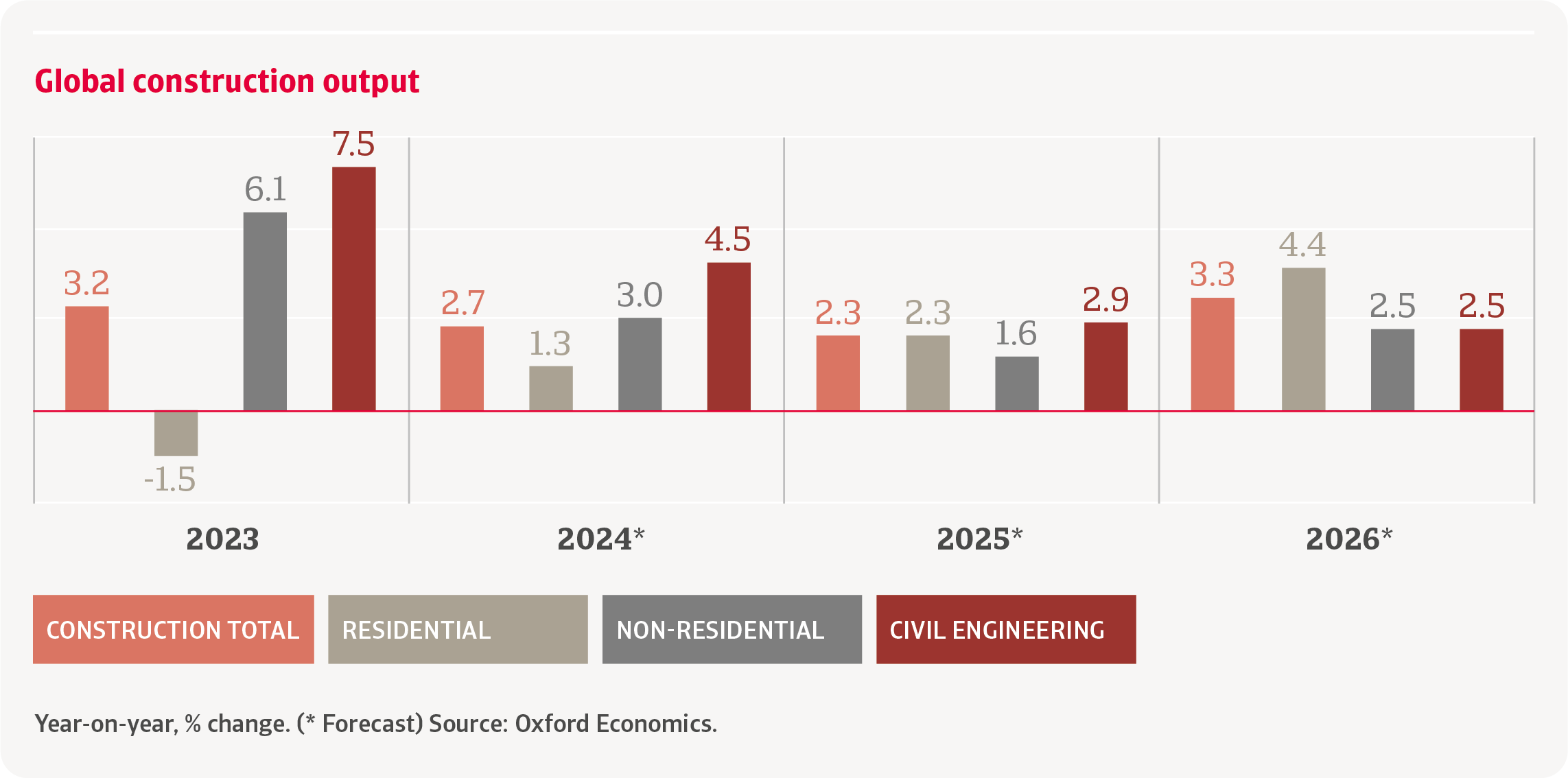
When we talk about the "2026 construction outlook," we're looking at the future of building and remodeling. It's about understanding the trends and changes that will shape the industry in the coming years. This outlook is important for anyone planning a construction project, as it can impact costs, timelines, and the overall success of your venture.
One key aspect is the cost of materials and labor. These costs can fluctuate, and keeping an eye on the outlook helps you prepare for any potential price hikes or drops. It's also about the availability of skilled workers and the demand for certain types of construction. For example, the rise of eco-friendly building practices might influence the skills and materials needed for future projects.
Hiring and Costs
If you're planning a construction project, one of your main concerns will be finding the right contractor. It's important to do your research and compare quotes. When you're getting quotes, look for detailed breakdowns of costs. This should include materials, labor, and any additional fees. Be cautious of quotes that seem too good to be true; they might cut corners or leave out important costs.
Ask for references and check their past work. A good contractor will be happy to provide this information. It's also a good idea to get multiple quotes to compare. This way, you can ensure you're getting a fair price and the right skills for your project.
Business Names and the Industry
For those in the construction business, or thinking of starting a business, choosing a name is an important step. A good name should be memorable, reflect your business values, and stand out in a crowded market. It might be a play on words, a reference to your location, or a unique combination of words that captures your business's essence.
Here are a few examples:
- Build-it-Right Construction
- Eco-Friendly Builders
- Solid Foundations
- Skyward Solutions
- HomeCrafters
- The Building Blocks
Remember to check name availability and secure the right domains and local registrations to protect your business identity.
Jobs and Opportunities
The construction industry offers a wide range of job roles, from general contractors and estimators to specialized tradespeople. These jobs can be found through local job boards, construction company websites, and industry-specific job sites. It's a diverse industry, and the skills required can vary greatly depending on the role.
For those looking for a career in construction, it's a good idea to research the different roles and the qualifications needed. Many roles offer on-the-job training and apprenticeships, providing a great way to learn and earn at the same time.
Tools and Resources
Tools like RSMeans can be a great resource for construction professionals. RSMeans provides cost data and estimating tools, helping contractors and businesses plan and manage their projects effectively. It's a valuable tool for staying on top of industry trends and ensuring accurate cost estimates.
Other resources, like cost databases and industry reports, can also provide valuable insights. These tools can help you understand the market, plan your projects, and make informed decisions.
Wrapping Up
So, there you have it, a glimpse into the 2026 construction outlook. It's an exciting time in the industry, with new technologies, materials, and practices constantly emerging. Whether you're a homeowner, a business owner, or a construction professional, keeping an eye on these trends and changes can help you make informed decisions and stay ahead of the curve.
I hope this has given you some useful insights. Happy building!
Related: Find Your Teeth Names: A Quick Guide
You're probably here because you need a quick guide to understanding the teeth names chart and its various systems. It's a handy reference tool, and you're right to seek out a simple explanation. This chart, often referred to as a dental anatomy chart, provides a visual guide to tooth identification, and it's important to grasp the basics. While the specific values and formats may vary depending on the system used, be it the universal numbering system or the palmer notation method, the core concept remains the same.
Teeth Names Chart: Decoding Your Dental Anatomy
The teeth names chart is your guide to understanding the unique language of dental anatomy. It's a visual reference tool that helps identify and locate each tooth in your mouth. This chart is essential for dentists, dental students, and anyone interested in oral health to communicate effectively about teeth positions and conditions.
Key Details: Understanding Tooth Positions and Naming Conventions
The chart typically follows a standard format, with teeth represented by numbers or symbols. The most common systems are the universal numbering system and the Palmer notation method. The universal system uses a simple numbering sequence, while Palmer notation employs a combination of letters and numbers. These systems ensure consistency in identifying teeth across different regions and dental practices.
Reading the Chart: A Step-by-Step Guide
When reading a teeth names chart, you'll notice a grid-like structure. Each row represents a dental arch, either the upper or lower jaw, and each column corresponds to a specific tooth. Here's a breakdown:
- Start by identifying the jaw: upper or lower. This is usually indicated at the top of the chart.
- Locate the specific tooth you want to identify. Each tooth is assigned a unique number or symbol.
- Understand the tooth's position: central, lateral, canine, premolar, or molar. These are the different types of teeth and their positions in the mouth.
- Note any additional details: The chart may provide extra information, such as the tooth's side (right or left) or specific quadrant.
Variations and Differences Across Standards
While the teeth names chart provides a standardized framework, variations exist due to different dental associations and regions. The FDI World Dental Federation, for instance, uses a unique notation system. Additionally, some charts may include extra details like tooth surfaces or specific conditions. It's crucial to be aware of these variations, especially when consulting international dental resources.
Common Mistakes and How to Avoid Them
One common mistake is misinterpreting the chart's symbols or numbers. Always refer to the chart's legend or key to ensure accurate understanding. Another pitfall is assuming a universal chart fits all contexts. Always double-check the specific standard or system being used, especially when dealing with international patients or dental records.
Practical Tips for Accurate Results
To make the most of the teeth names chart, familiarize yourself with the different numbering systems and their applications. Practice reading and interpreting the charts regularly to enhance your dental knowledge. When in doubt, consult a dental professional or refer to reputable dental resources for clarification. Remember, accurate tooth identification is crucial for effective dental treatment planning.
Hey there, teeth enthusiasts! We hope this guide has given you a solid foundation to understand teeth names and their charts. Remember, while we've covered the basics, the specifics might differ slightly based on your unique situation or the source you're referring to.
Don't stop here! Our site offers a wealth of other practical guides and resources to enhance your dental knowledge. Why not check out some related content and keep learning? We've got you covered with more tips and tricks to make your dental adventures a breeze.