

My Uhealth Chart 2026 Overview
Many shoppers approach the Shein size chart with hesitation, assuming it's a complex puzzle to decipher. But fear not! It's a straightforward tool to ensure your Shein haul fits like a dream. This chart is your guide, offering a simple way to navigate the sizing differences that can vary across regions and brands.
Understanding the Shein Size Chart
The Shein size chart is a practical tool to help you find the perfect fit for your Shein fashion purchases. It's a simple guide that ensures you get the right size every time, making online shopping a breeze. This chart is your key to unlocking a seamless shopping experience, so let's dive in!
Key Details and Categories
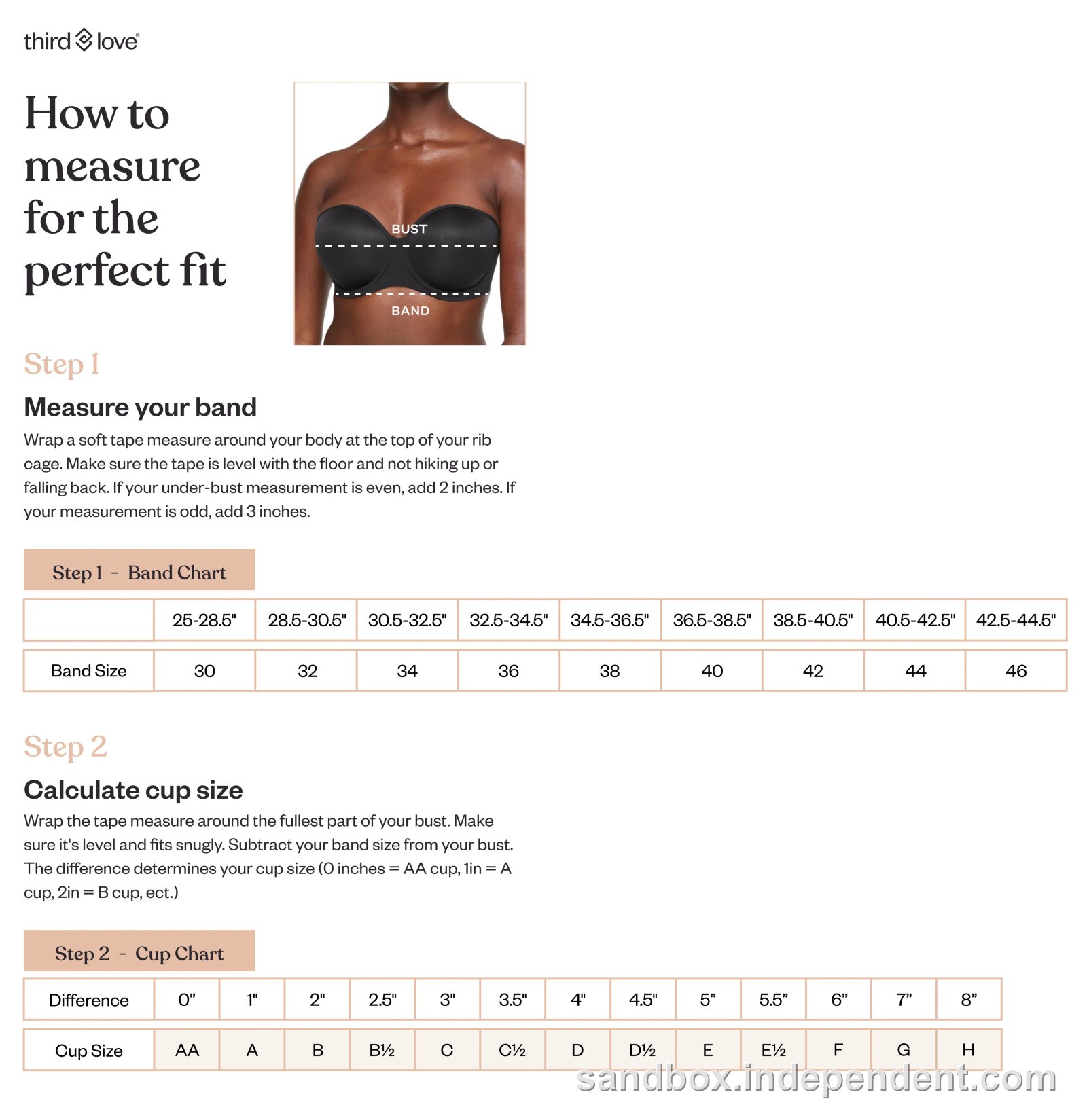
The Shein size chart typically follows international size standards, with measurements in both centimeters (cm) and inches. It covers various clothing categories, including tops, bottoms, dresses, and more. You'll find columns for different body measurements, such as bust, waist, and hip sizes, along with corresponding Shein size recommendations. The chart provides a clear, easy-to-read format, ensuring you can quickly find your ideal size.
How to Read and Apply the Size Chart
Using the Shein size chart is straightforward. Here's a step-by-step guide:
Measure yourself accurately. Use a measuring tape to get precise measurements for your bust, waist, and hips. Make sure you follow the guide's instructions for proper measuring techniques.
Find your measurements on the chart. Look for the columns that correspond to your body part measurements. For instance, if you're measuring for a top, locate your bust size.
Identify the recommended size. The chart will provide a suggested Shein size based on your measurements. Cross-reference your measurements with the size guide to find the best fit.
Consider the garment's style. Some styles may have a looser or tighter fit. If you prefer a specific fit, you can adjust your size choice accordingly.
Double-check the product's size guide. Each Shein product may have a specific size guide with slight variations. Always refer to the product's size chart for the most accurate information.
Size Chart Variations and Differences
It's important to note that size charts can vary across brands and regions. Shein's size chart follows international standards, but there may be slight differences compared to other brands' charts. Additionally, factors like fabric stretch, garment design, and personal preferences can influence the fit. It's always a good idea to refer to the specific product's size guide for the most precise sizing information.
Common Mistakes and How to Avoid Them
To ensure an accurate fit, avoid these common mistakes:
Relying solely on your usual size: Every brand's size chart can vary, so always refer to the Shein size chart for the best fit.
Ignoring the product's size guide: Each product may have unique sizing details, so always check the specific size guide provided.
Measuring inaccurately: Take precise measurements to ensure an accurate size recommendation.
Not considering fabric stretch: Some fabrics have more give, so choose a size that accounts for this factor.
By following these tips and utilizing the Shein size chart effectively, you'll enjoy a seamless shopping experience and find your perfect fit every time!
Hey there, we hope you found this guide helpful and that your Shein shopping experience is a breeze! Remember, size charts are a handy tool, but they can vary slightly depending on the brand and your personal preferences. It's always a good idea to check the measurements and reviews to ensure a perfect fit.
Feel free to bookmark this page for future reference, and don't forget to explore our other practical guides to make your online shopping adventures even more enjoyable and stress-free. Happy shopping!
Related: What is a piano chords chart?
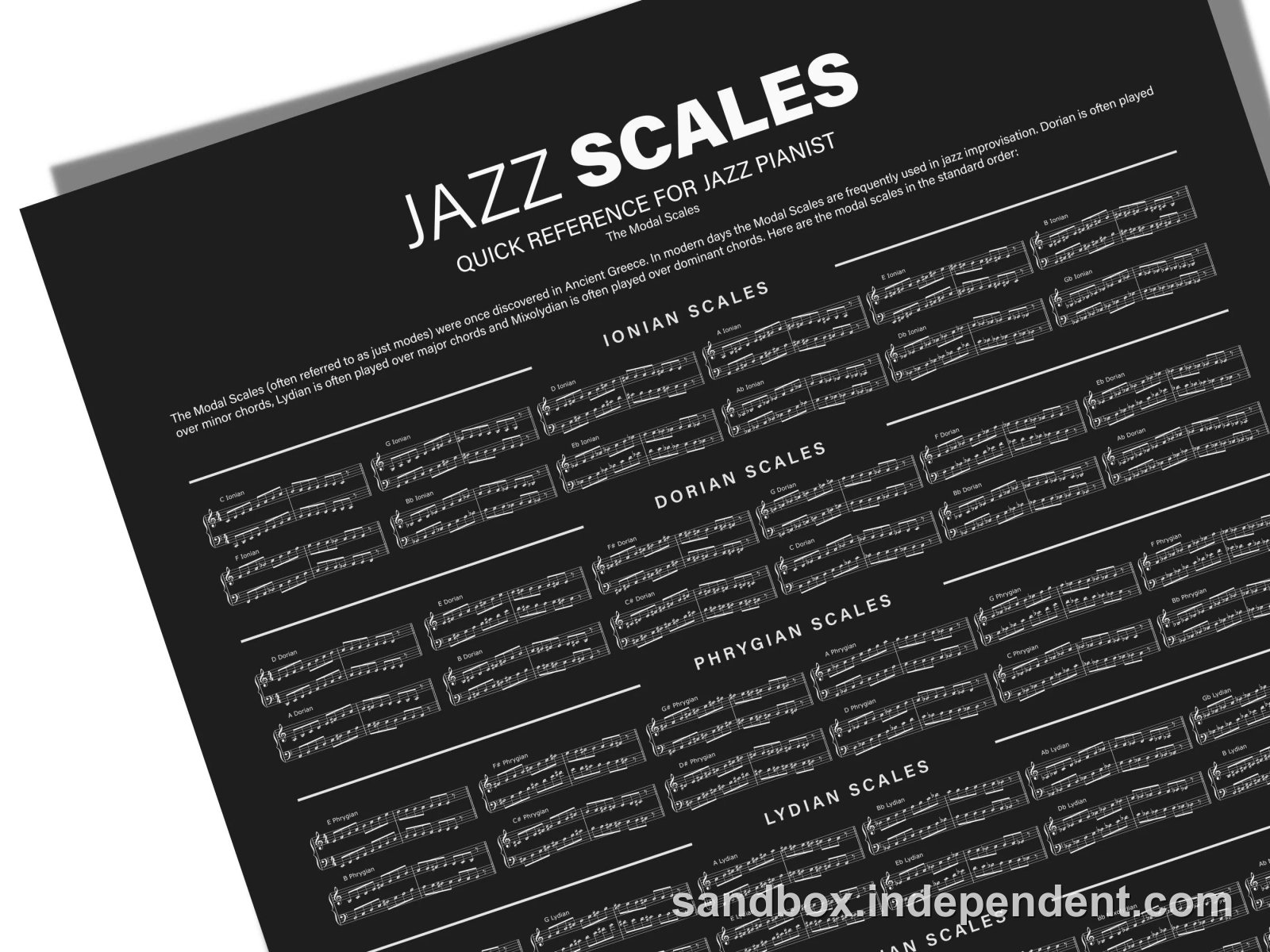
Frustrated by the hunt for the perfect piano chords chart? You're not alone. Whether you're a beginner or an experienced player, having a reliable and easy-to-read chart is essential for quick reference and practice. A good piano chords chart should be your go-to resource, offering a clear layout of chord structures, from basic major and minor chords to more complex progressions.
Understanding Chord Symbols
A piano chords chart is a handy reference tool for musicians, especially pianists. It's like a map that shows you the layout of different chords and their components. This chart is a great way to quickly grasp the basics of chord construction and progressions. The symbols on the chart represent the notes that make up each chord, and by understanding these symbols, you can easily build and play various chords on the piano.
Common Chord Progressions and Formats
There are several standard chord progressions and formats used in music. The piano chords chart typically includes major and minor chords, which are the most common. These chords are represented by symbols like C, Dm, G7, and so on. The chart might also feature more complex chords like suspended chords (Csus) or added-note chords (Cadd9). Each symbol gives you a snapshot of the notes that create that specific chord.
Reading Chord Charts: A Step-by-Step Guide
When reading a piano chords chart, follow these steps:
- Identify the chord symbol you want to play.
- Locate the symbol on the chart and find the corresponding notes.
- Place your fingers on the piano keys according to the chart's diagram.
- Play the chord and listen to its unique sound.
For example, if you see the symbol C, you'll find it represents the notes C, E, and G. Place your fingers on these keys, and you've just played a C major chord!
Avoiding Misreadings and Pitfalls
While piano chords charts are incredibly useful, it's important to be aware of a few potential pitfalls:
- Variations: Different charts may use slightly different symbols or notations. Always double-check the specific chart's key or legend to ensure you're interpreting the symbols correctly.
- Complex Chords: Some chords, especially those with added notes or extensions, can have multiple variations. Be sure to explore all the possible fingerings to find the one that works best for you.
- Practice: Reading chord charts takes practice. Start with simple major and minor chords, and gradually work your way up to more complex progressions.
Remember, a piano chords chart is a valuable tool, but it's just one part of your musical journey. Keep exploring, practicing, and enjoying the beautiful world of music and chord progressions!
Hey there, fellow music enthusiasts! We've covered a lot of ground in this blog post, and I hope it's given you a solid foundation to start exploring piano chords. Remember, the specifics might differ slightly based on your needs and the context, so feel free to adapt and make it your own.
If you're keen to dive deeper into the world of music theory and practice, why not check out some of our other guides? We've got a whole range of topics to explore, from basic music theory to more advanced techniques. It's a great way to keep learning and growing as a musician, so take a look and see what piques your interest!
Related: Unraveling the Tape Measure Chart Mystery
A tape measure chart is a handy tool, a visual aid that simplifies the process of measuring and converting lengths. This guide will navigate you through the world of tape measure charts, offering a clear understanding of their purpose and usage.
These charts provide a quick reference, allowing you to decipher the various markings on a standard tape measure. They can vary slightly, depending on the type of tape measure and the region, but their core function remains the same: to ensure accurate measurements and easy conversions, be it for metric or imperial units.
Understanding Tape Measure Charts
A tape measure chart is a visual reference tool that displays measurements and their corresponding values, typically in a tabular or diagrammatic format. It serves as a quick guide for understanding and interpreting the markings on a tape measure, ensuring accurate readings.
Key Details and Units
The tape measure chart presents measurements in two primary systems: the metric system and the imperial system. Metric measurements are denoted in centimeters (cm) and millimeters (mm), while imperial measurements use inches (in) as the standard unit. The chart often includes conversions between these systems, aiding in quick metric-to-imperial and imperial-to-metric conversions.
Reading Tape Measure Charts: A Step-by-Step Guide
- Identify the System: Determine whether you are working with metric or imperial measurements. This is crucial as it dictates the scale and units used on the tape measure and in the chart.
- Locate the Markings: On the tape measure, you will find various markings indicating different lengths. These markings correspond to the values shown on the tape measure chart.
- Match the Markings: Align the tape measure's markings with the values on the chart. This allows you to read and interpret the measurements accurately.
- Convert if Needed: If your project requires converting between metric and imperial units, refer to the conversion section of the chart. This ensures consistency and accuracy when working with different measurement systems.
Variations and Differences
Tape measure charts may vary depending on the standard being used. Different regions and industries may have specific measurement standards and tolerances. For instance, the US typically uses imperial measurements, while many other countries follow the metric system. It is essential to refer to the appropriate chart based on your location and the project's requirements. Additionally, some charts may provide specific measurements for specialized fields, such as construction or tailoring, where precise measurements are crucial.
Common Mistakes and How to Avoid Them
- Misreading Markings: Ensure you understand the scale and units of your tape measure. Misinterpreting the markings can lead to significant errors.
- Imperial-Metric Confusion: Be mindful of the measurement system you are using. Converting between systems without referring to the tape measure chart can result in inaccurate readings.
- Neglecting Tolerances: Some projects have specific tolerance requirements. Always check the project's specifications to ensure your measurements meet the necessary standards.
- Relying on Memory: Avoid relying on memory for conversions. Always refer to the tape measure chart for accurate and consistent results.
- Inaccurate Tape Measures: Ensure your tape measure is in good condition and has clear, visible markings. Worn-out or damaged tape measures can lead to imprecise readings.
Hey there! I hope this tape measure chart has been a helpful reference for you. Remember, while the basics remain the same, exact details can indeed vary, so it's always good to double-check your sources and standards.
Feel free to explore our other guides for more practical tips and tricks. And when you need a quick reminder, don't forget to bookmark this page for easy access! It's a simple way to ensure you always have the right measurements at your fingertips.