





Nail Length Chart Free Printable Overview
The gtv ctv ptv chart is a handy tool for anyone seeking quick insights and a visual representation of key data. This guide will walk you through the basics, ensuring you can navigate and utilize this chart effectively.
It's a versatile reference, often used to compare and analyze data points, and while the specific values may vary depending on your context, the chart's structure remains a reliable framework. Think of it as your go-to visual guide, offering a simple yet powerful way to interpret and apply information.
Understanding the GTV CTV PTV Chart: A Quick Overview
The GTV CTV PTV chart is a valuable tool used to understand and compare different aspects of a project or process. It provides a visual representation of key measurements and helps you make informed decisions. This chart is versatile and can be applied to various fields, making it a handy reference.
Comparing GTV, CTV, and PTV: What's the Difference?
Each category on the GTV CTV PTV chart represents a specific measurement or standard. GTV (Gross Target Volume) refers to the entire area of interest, often the largest value. CTV (Clinical Target Volume) focuses on a specific, clinically relevant region within the GTV. Finally, PTV (Planning Target Volume) considers additional margins to account for potential variations. These categories help define the target and its critical areas.
Step-by-Step Guide to Using the GTV CTV PTV Chart
- Identify your project's requirements and the specific measurements you need to consider.
- Locate the relevant category on the chart: GTV, CTV, or PTV.
- Read the values or ranges provided for each category. These values may vary depending on the standard or region, so ensure you're using the correct reference.
- Compare the measurements and understand the differences between the categories. This comparison helps you make decisions based on the level of precision required.
- Apply the insights from the chart to your project. For instance, if you're dealing with a critical medical procedure, you might focus more on the CTV and PTV to ensure accuracy.
Common Misreadings and How to Avoid Them
It's essential to remember that the GTV CTV PTV chart provides a general guide and may not cover every unique scenario. Always double-check the specific standards or guidelines relevant to your field or project. Misreading the chart can lead to incorrect assumptions, so ensure you understand the context and any variations that may apply. For instance, the values might differ between metric and imperial systems, so always verify the units of measurement. Additionally, some charts might use different labels or categories, so be mindful of any variations in terminology.
Well, there you have it! A handy guide to help you navigate the world of gtv, ctv, and ptv charts. Remember, while the basics remain the same, the exact details might differ slightly, so always refer to the specific standards or sources relevant to your project.
Feel free to explore our other guides; we've got plenty of practical tips and tricks to share, ensuring you have all the knowledge you need to tackle any challenge that comes your way. Happy learning, and stay curious!
Related: How to Use a Bike Size Chart?
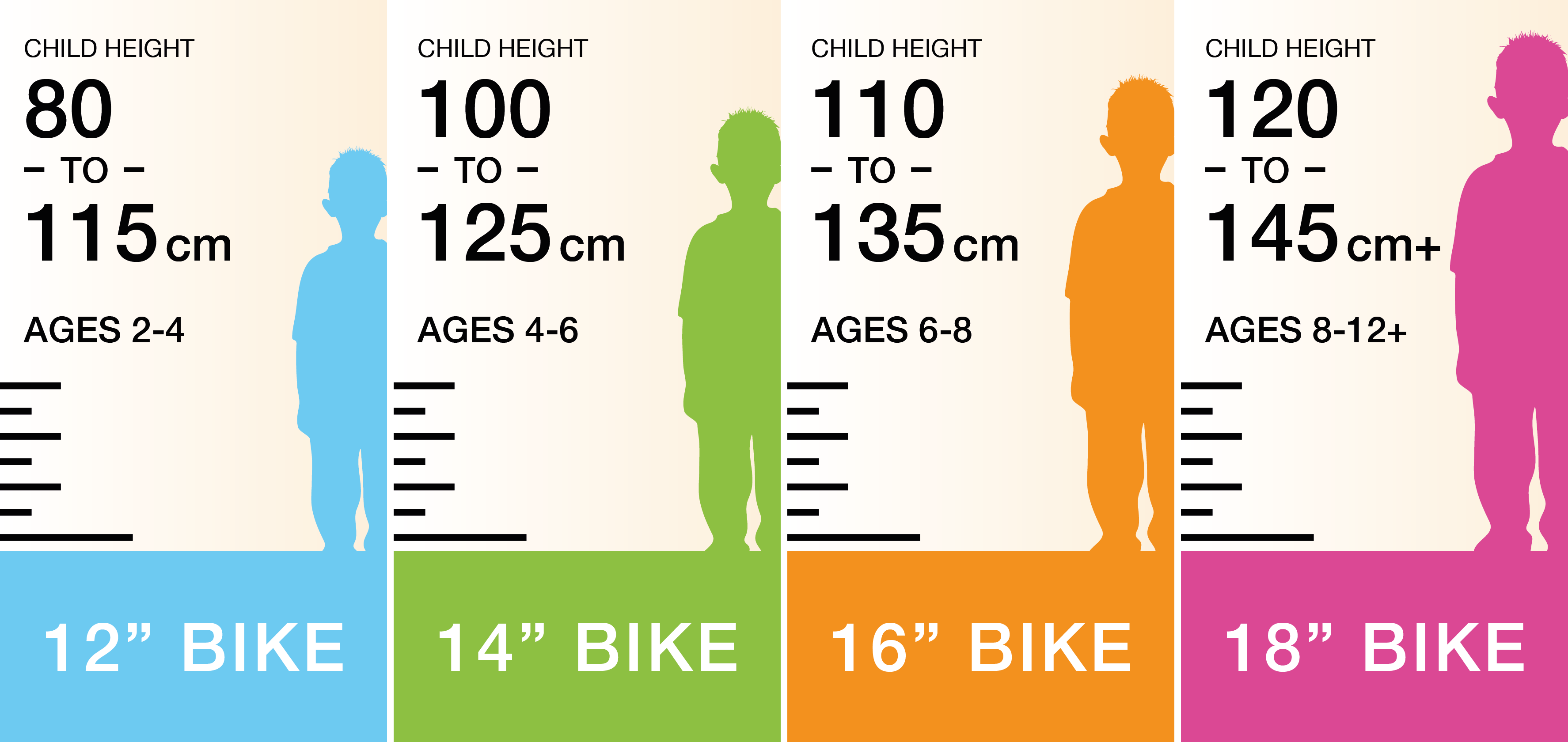
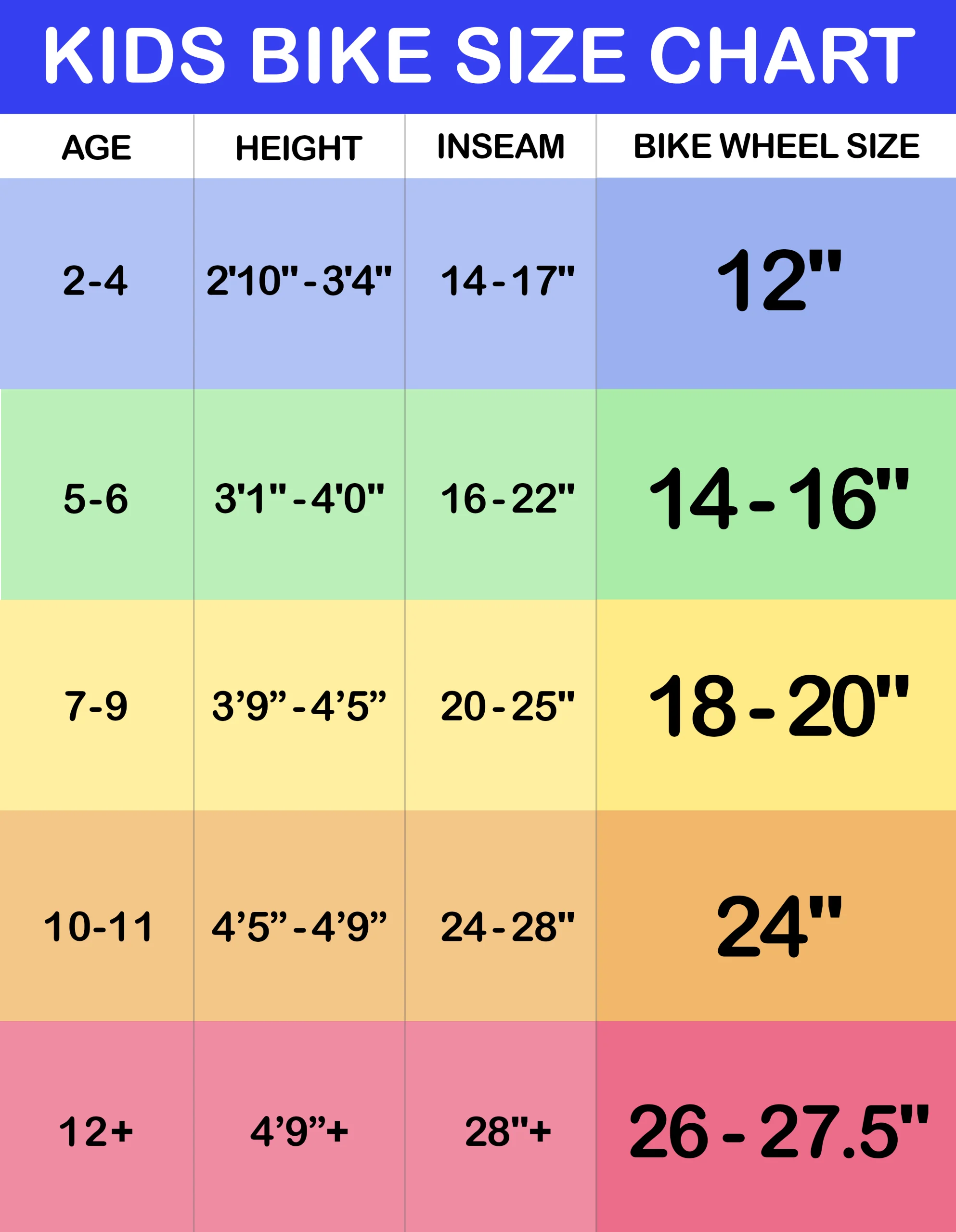
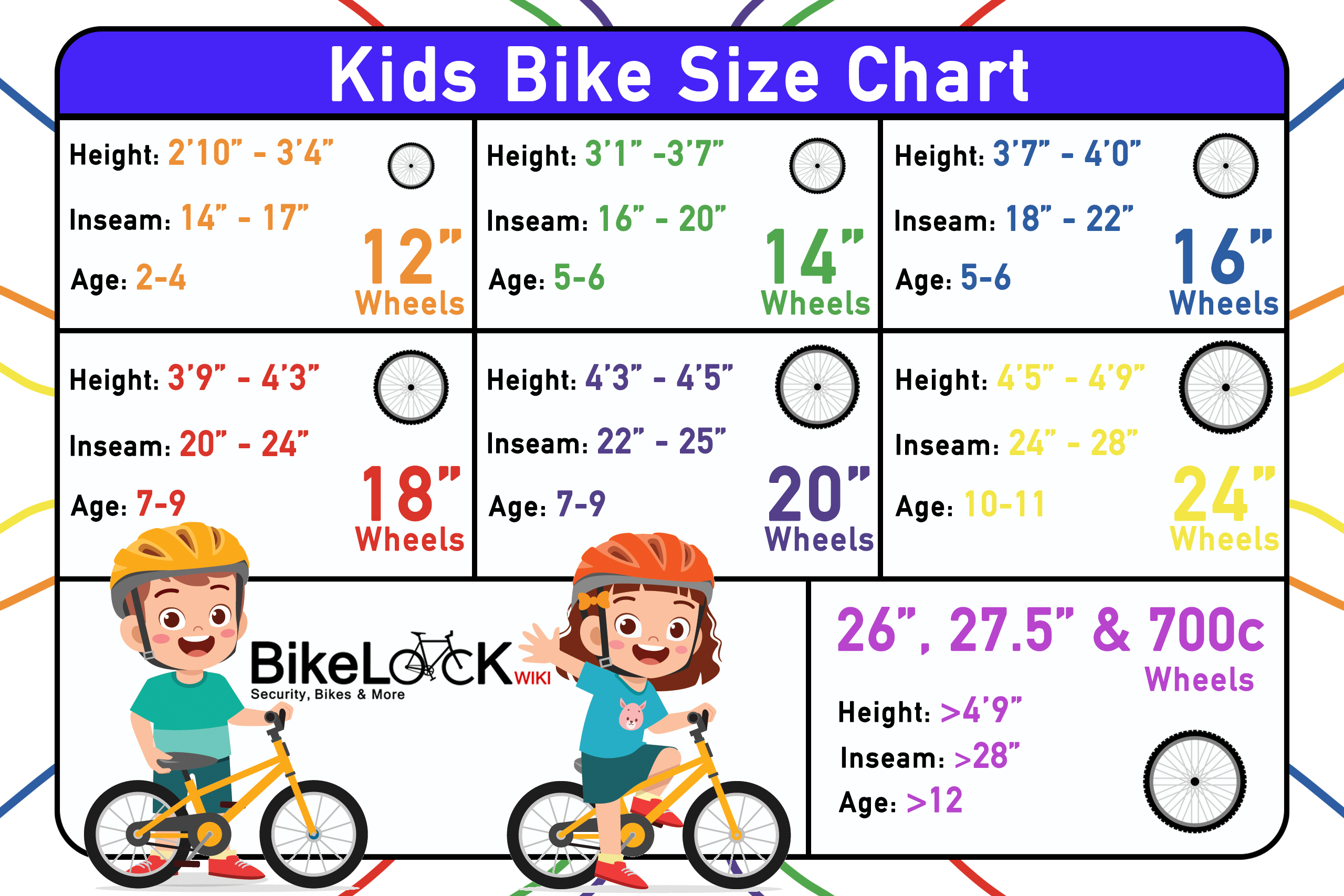
A bike size chart is a handy tool for any cyclist, offering a quick and easy way to find the perfect bike fit. This guide will walk you through the ins and outs of these charts, ensuring you know how to use them effectively. From frame size to wheel dimensions, we'll cover it all, so you can make an informed choice and enjoy a comfortable ride.
The Essential Guide to Bike Size Charts
A bike size chart is your go-to tool for finding the perfect bike fit. It's a simple yet powerful reference that ensures you get the right size bike for your body and riding style. These charts are designed to make the sizing process straightforward, but there are a few things to keep in mind to ensure an accurate fit.
Understanding the Options: Standards and Formats
Bike size charts can vary depending on the standard used. The most common are the imperial (inch) and metric (centimeter) systems, with the latter being more prevalent internationally. These charts typically cover various bike types, from road bikes to mountain bikes, and often include specific measurements like frame size, wheel size, and seat height.
Step-by-Step Guide to Using a Bike Size Chart
Using a bike size chart is straightforward, but precision is key. Here's a simple process to ensure you get the right size:
Identify the Standard: First, determine the standard used in the chart. This is usually indicated at the top or bottom of the chart. If you're unsure, check the manufacturer's website or ask a bike expert.
Measure Yourself: Take accurate measurements of your body. You'll need your height, inseam (the inner leg measurement from crotch to ankle), and sometimes arm length. These measurements will be crucial for finding the right frame size and overall bike fit.
Match Your Measurements: Refer to the chart and find the section that corresponds to your height and inseam. This will give you a starting point for frame size.
Consider Your Riding Style: Bike size charts often provide recommendations based on riding style. For example, if you're a casual rider, you might opt for a more upright position, while a racing enthusiast would lean towards a more aggressive, stretched-out position.
Adjust for Comfort: Once you have a frame size, consider making adjustments for comfort. This could mean tweaking the seat height or handlebar width to find your ideal riding position.
Common Misreadings and How to Avoid Them
While bike size charts are straightforward, there are a few potential pitfalls to avoid:
Misinterpreting Frame Size: Frame size is a critical measurement, but it's not always the only factor. Some charts provide a range of frame sizes for a given height, and you should choose the one that best suits your riding style and comfort.
Wheel Size: Don't confuse wheel size with frame size. Wheel size is an important consideration, especially for kids' bikes, but it's a separate measurement.
Sizing for Kids Bikes: When sizing bikes for children, always double-check the manufacturer's recommendations. Kids grow quickly, so it's essential to ensure the bike can accommodate their growth while still providing a safe and comfortable ride.
Regional Variations: Be mindful of regional differences. Some countries or regions may have slightly different sizing standards, so always check the chart's origin or consult a local bike expert if in doubt.
Hey there, bike enthusiasts! We hope this guide has helped you navigate the world of bike sizing with ease. Remember, when it comes to finding the perfect bike, it's all about getting the right fit for your body and riding style.
So, before you make that final decision, take a moment to review your specific needs and preferences. Double-check the measurements and consider any personal factors that might influence your choice. It's a simple step, but it ensures you end up with a bike that truly suits you.
Related: Learn Morris Code Chart: A Simple Reference Guide
You've stumbled upon the Morris Code Chart, a handy tool that's a real lifesaver for those seeking a quick and efficient way to decipher and master Morse code. This chart is your go-to reference, offering a straightforward visual guide to understanding the international Morse code alphabet and its unique frequency patterns. It's a simple yet powerful resource, and you'll soon see why it's so popular!
The Morris Code Chart: Your Quick Reference Guide
The morris code chart is a handy tool for anyone wanting to learn or use Morse code. It provides a visual representation of the Morse code alphabet, numbers, and special characters, making it an essential reference for beginners and a quick guide for experienced users. This chart is your go-to resource for decoding and encoding messages efficiently.
International Morse Code vs. Other Standards
There are different versions of Morse code, but the most widely recognized is International Morse Code. This standard is used globally and is what the morris code chart typically represents. Other variations, like the American Morse Code or Continental Morse Code, exist but are less common and often used for specific purposes or in certain regions. It's important to note that while the basic principles remain the same, the symbols and timings can vary between these standards.
Step-by-Step Guide to Using the Morris Code Chart
Using the morris code chart is straightforward:
- Identify the character you want to encode or decode. This could be a letter, number, or special character.
- Locate the character on the chart. The chart usually arranges characters in a logical order, making it easy to find what you need.
- Read the corresponding Morse code representation. Each character has a unique sequence of dots and dashes, which you can then use to transmit or interpret the message.
- Practice and familiarize yourself with the code. The more you use the chart, the quicker you'll become at recognizing and recalling the Morse code sequences.
Common Misreadings and How to Avoid Them
One of the challenges with Morse code is the potential for misreading or misinterpretation. Here are some common pitfalls:
- Confusing similar-sounding codes: For instance, the letters "E" and "T" have very similar Morse code sequences. Practice and familiarity can help you distinguish between them.
- Mistaking the length of dashes: Dashes can vary in length, so ensure you're consistent and accurate when interpreting or transmitting.
- Overlooking the spaces: The spaces between characters and words are just as important as the dots and dashes. Pay attention to these gaps to ensure accurate decoding.
Factors Affecting Accuracy in Real-World Use
When using the morris code chart in practical situations, several factors can influence accuracy:
- Transmission quality: Interference, static, or poor signal quality can make it challenging to interpret Morse code accurately.
- Operator skill: The experience and proficiency of the person sending or receiving the message play a significant role.
- Environmental conditions: Factors like weather, distance, and the presence of obstacles can impact the clarity of the signal.
- Equipment: The type and quality of the equipment used for transmission and reception can affect the accuracy of the Morse code interpretation.
Adapting the Morris Code Chart for Specific Needs
While the morris code chart provides a standard reference, it can be adapted for specific purposes:
- Custom abbreviations: You can create your own abbreviations or shortcuts for frequently used phrases or words, making communication faster.
- Specialized charts: For certain industries or applications, specialized Morse code charts may be available, tailored to their unique needs.
- Practice and customization: Regular practice and customization of your Morse code skills can lead to creating your own efficient communication system.
Remember, the morris code chart is a versatile tool, and with practice, you can become proficient in using it for various communication needs.
Well, there you have it! A comprehensive guide to morse code charts and their practical uses. Remember, when it comes to choosing and using these charts, it's always best to consider your unique needs and the specific context you're working in. Exact values and details may vary, so be sure to double-check and adapt as required.
Feel free to explore our other guides and resources on related topics. We've got plenty of useful content to help you on your way, so take a look around and find what works for you!