Nail Shape Chart 2026 Overview
You've landed here, searching for a clear and concise resource, and the Sileo dosing chart is exactly that: a straightforward guide to ensure accurate dosing. This chart, a trusted tool for many, offers a visual representation of the recommended doses, often tailored to different weights and ages. It's a quick reference, ensuring you can administer Sileo with confidence, and it's designed to be user-friendly, with variations depending on regional standards and specific needs.
Understanding the Sileo Dosing Chart
The Sileo dosing chart is a valuable tool for determining the appropriate dosage of Sileo, a medication often used to treat specific conditions. This chart provides a clear and concise guide to ensure accurate dosing, especially when considering factors like weight and age.
Key Details and Categories
Before delving into the chart, it's essential to understand its structure. The Sileo dosing chart typically displays dosage information based on weight categories, usually in kilograms. These weight ranges are divided into common age groups, ensuring a tailored approach to dosing. The chart provides recommended doses in micrograms, offering precise guidance for each weight category.
Interpreting the Chart: A Step-by-Step Guide
- Identify the patient's weight. Ensure you have an accurate measurement, as this is the primary factor influencing the dose.
- Locate the corresponding weight category on the chart. These categories are often color-coded or labeled for easy identification.
- Within the selected weight category, find the recommended dose in micrograms. This value represents the ideal dosage for that specific weight range.
- Administer the medication as directed, following the dosage guidelines. It's crucial to adhere to the recommended dose to ensure safety and effectiveness.
Variations and Safety Considerations
While the Sileo dosing chart provides a standardized guide, variations may occur due to individual factors. Different regions or healthcare settings might have slightly different charts or guidelines, so it's important to refer to the specific chart relevant to your location. Additionally, certain conditions or patient characteristics might require adjustments to the standard dose, emphasizing the need for professional medical advice. Always consult with a healthcare provider to ensure the safe and effective use of Sileo.
Remember, while this dosing chart serves as a valuable tool, it's always a good idea to double-check the specific guidelines and recommendations relevant to your situation. The exact values and units might vary slightly across different contexts and standards, so it's essential to refer to the most appropriate resources for your needs.
Feel free to explore our collection of guides; we have a range of practical resources to help you navigate various topics with ease and confidence. Happy reading and learning!
Related: What is the DMC Color Chart All About?
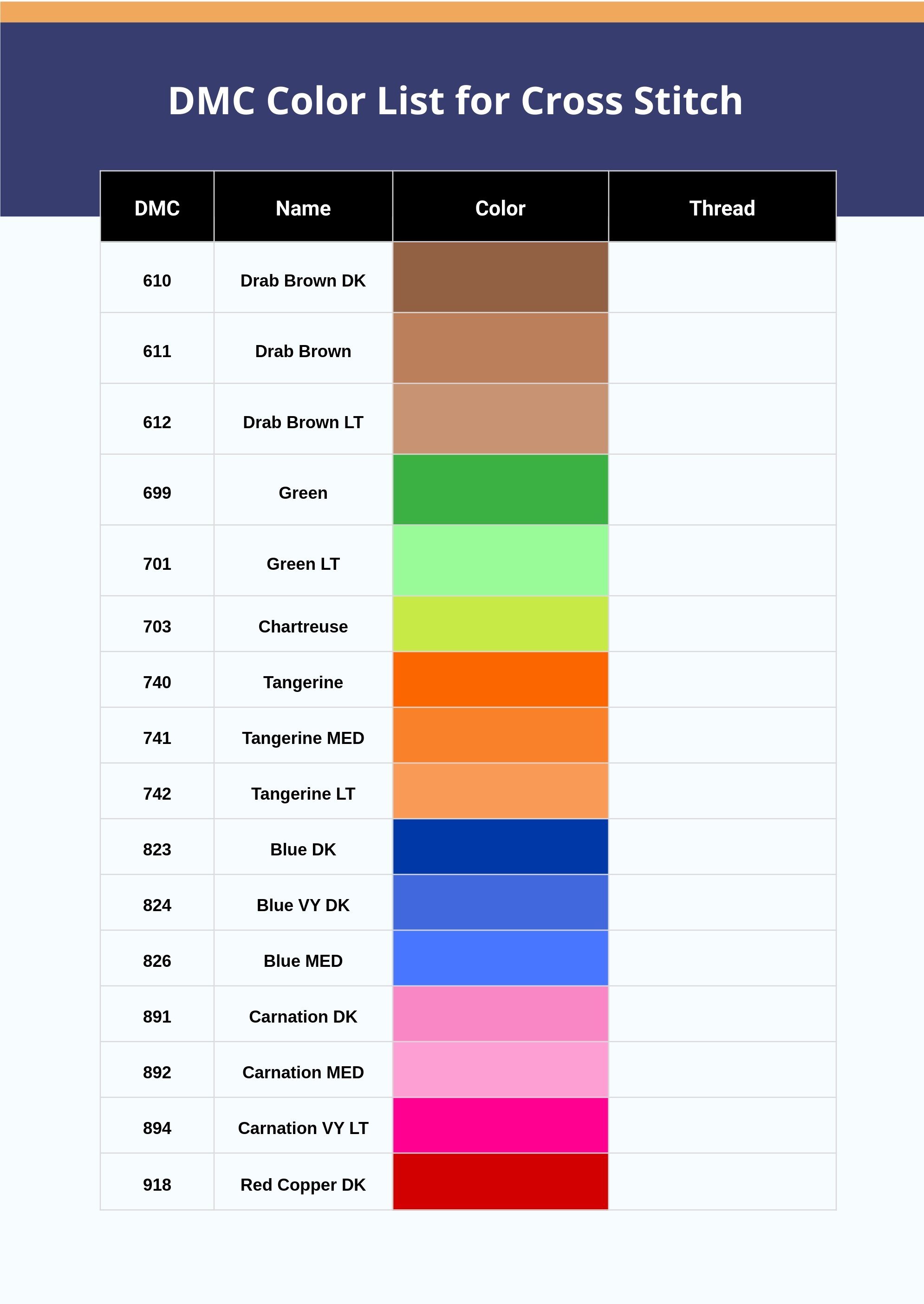
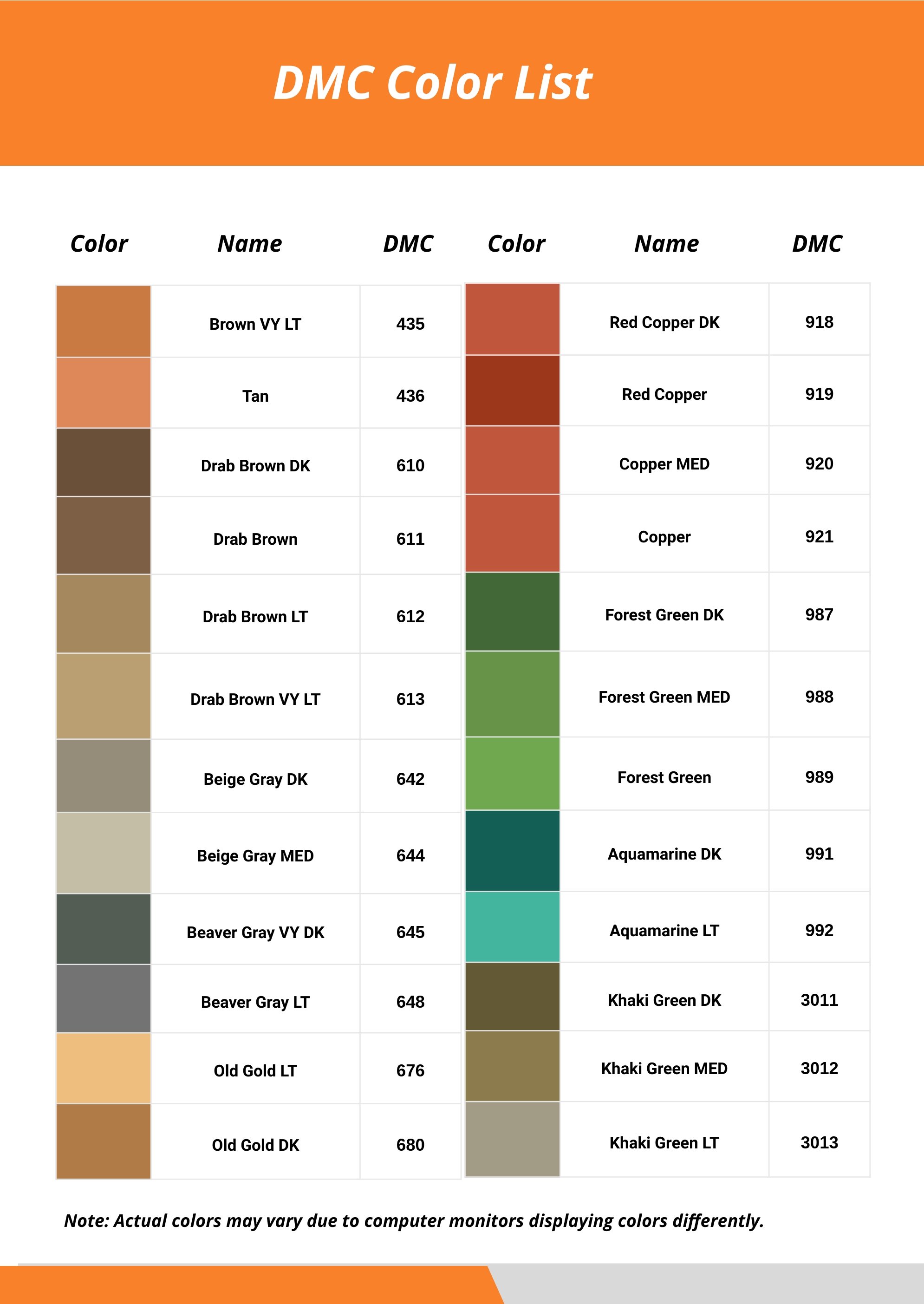
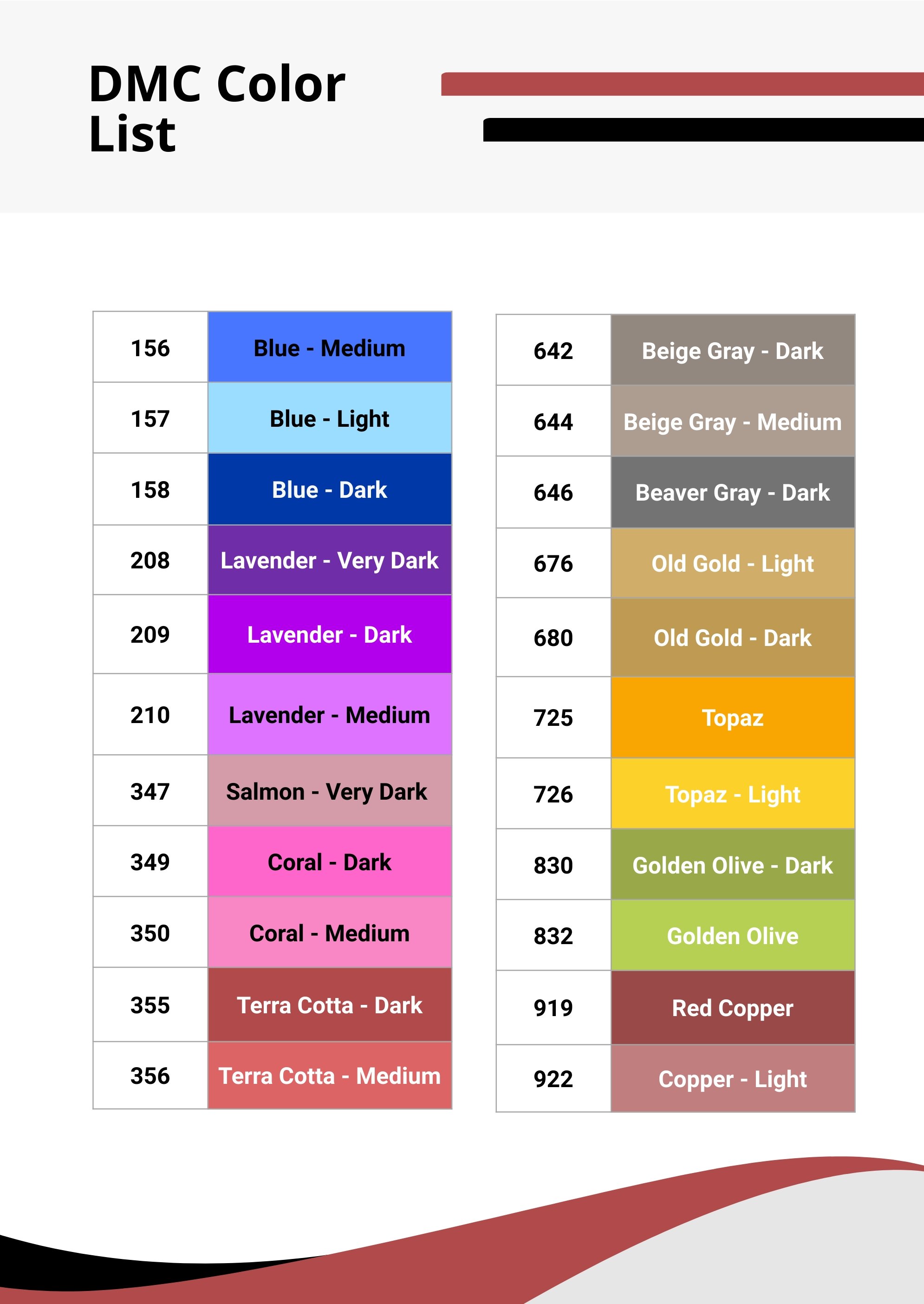
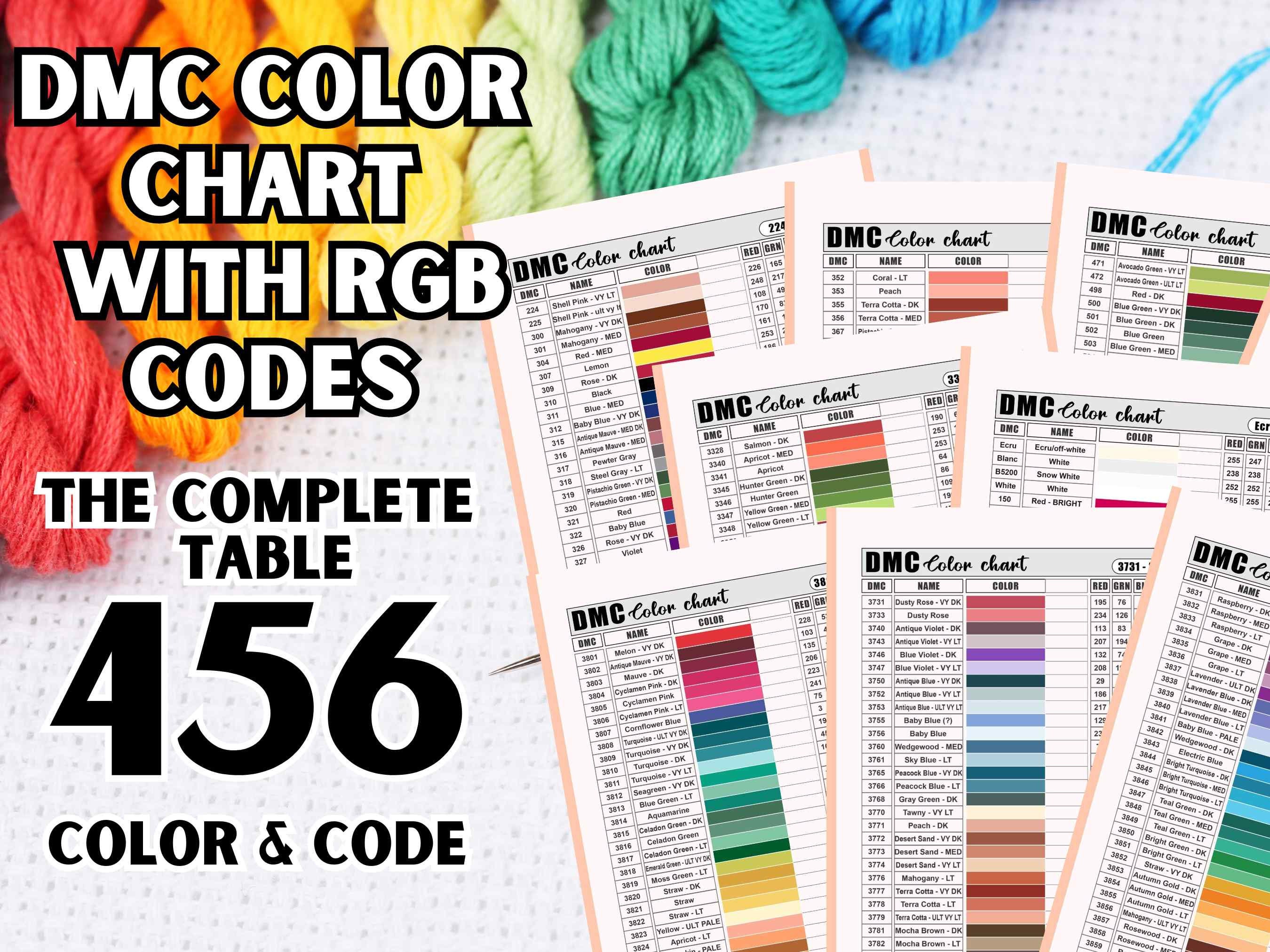
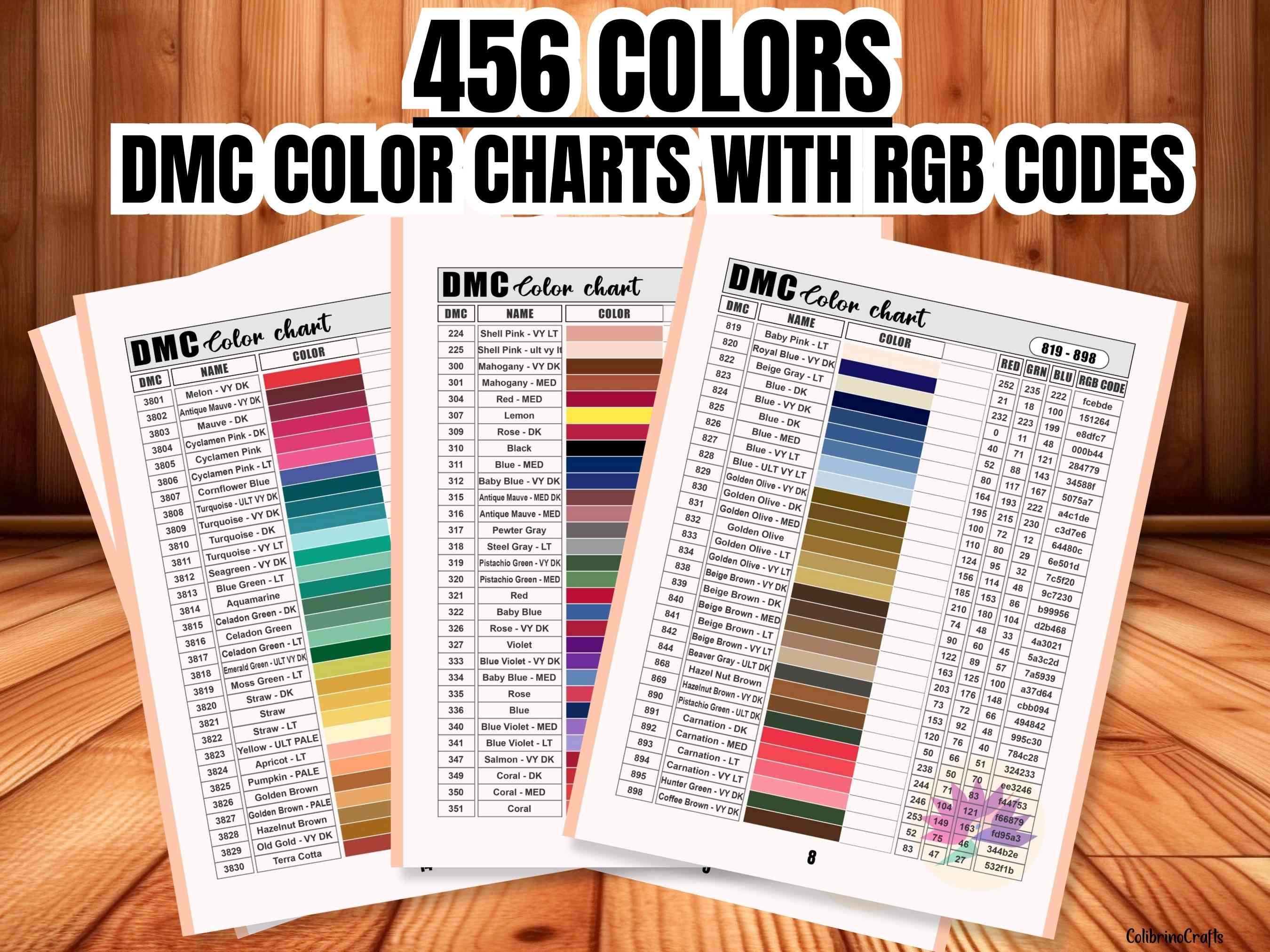
You're likely here because you need a reliable dmc color chart to guide your creative project, be it embroidery, cross-stitch, or another craft. This chart is a crucial tool, offering a clear and organized display of colors, often in the form of a thread or floss color guide. With various formats and standards, it's essential to find the right reference for your specific needs, ensuring an accurate and satisfying result.
Understanding the DMC Color Chart
The DMC color chart is an essential tool for embroidery enthusiasts and professionals. It serves as a comprehensive guide to the vast range of DMC thread colors, providing a visual reference and accurate color codes. This chart is your key to unlocking the full potential of DMC embroidery threads.
Comparing Color Standards and Formats
DMC offers a standardized color system, ensuring consistency across their thread range. The chart typically displays a color swatch with its corresponding DMC color code. These codes are unique identifiers, allowing you to easily specify and match colors accurately.
Step-by-Step Guide to Using the DMC Color Chart
- Begin by identifying the color you wish to use. Look for the desired shade on the chart, which is usually organized by color family.
- Once you've located the color, note its DMC color code. This code is essential for referencing and ordering the correct thread.
- Use the chart as a guide when selecting threads for your embroidery projects. It ensures you achieve the intended color scheme and maintain consistency.
Avoiding Common Misreadings
It's important to note that lighting conditions can affect how colors appear. Ensure you view the chart in natural light to get an accurate representation of the shades. Additionally, be mindful of the difference between on-screen colors and physical thread colors, as screens may not always display true-to-life shades.
Factors Affecting Accuracy
Several factors can influence the accuracy of color representation on the DMC color chart. These include the type of paper or fabric used for the swatches, as well as the printing process. It's advisable to cross-reference colors with actual thread samples whenever possible to ensure precise color matching.
Choosing the Right Format
DMC provides various formats of their color chart to cater to different needs. You can opt for a physical color card, which is portable and convenient for on-the-go reference. Alternatively, digital versions are available for easy access on your device. Consider your preferred method of reference and choose the format that suits your embroidery workflow.
Maintaining Reliability for Future Projects
To ensure the longevity and reliability of your DMC color chart, handle it with care. Keep it away from direct sunlight and moisture to prevent fading or damage. Regularly update your chart to the latest version, as DMC may introduce new colors or make adjustments to their color range. By doing so, you'll always have an accurate and up-to-date reference for your embroidery endeavors.
Remember, the specifics of your DMC color chart may differ slightly, so it's always good to refer back to this guide for a quick refresh. Exact values can vary, so it's best to have your trusted reference at hand.
Feel free to bookmark this page for future use, and check out our other guides for more practical tips and insights. We aim to provide clear, concise information, so you can navigate these topics with ease. Happy crafting!
Related: What is a piano chords chart?
Frustrated by the hunt for the perfect piano chords chart? You're not alone. Whether you're a beginner or an experienced player, having a reliable and easy-to-read chart is essential for quick reference and practice. A good piano chords chart should be your go-to resource, offering a clear layout of chord structures, from basic major and minor chords to more complex progressions.
Understanding Chord Symbols
A piano chords chart is a handy reference tool for musicians, especially pianists. It's like a map that shows you the layout of different chords and their components. This chart is a great way to quickly grasp the basics of chord construction and progressions. The symbols on the chart represent the notes that make up each chord, and by understanding these symbols, you can easily build and play various chords on the piano.
Common Chord Progressions and Formats
There are several standard chord progressions and formats used in music. The piano chords chart typically includes major and minor chords, which are the most common. These chords are represented by symbols like C, Dm, G7, and so on. The chart might also feature more complex chords like suspended chords (Csus) or added-note chords (Cadd9). Each symbol gives you a snapshot of the notes that create that specific chord.
Reading Chord Charts: A Step-by-Step Guide
When reading a piano chords chart, follow these steps:
- Identify the chord symbol you want to play.
- Locate the symbol on the chart and find the corresponding notes.
- Place your fingers on the piano keys according to the chart's diagram.
- Play the chord and listen to its unique sound.
For example, if you see the symbol C, you'll find it represents the notes C, E, and G. Place your fingers on these keys, and you've just played a C major chord!
Avoiding Misreadings and Pitfalls
While piano chords charts are incredibly useful, it's important to be aware of a few potential pitfalls:
- Variations: Different charts may use slightly different symbols or notations. Always double-check the specific chart's key or legend to ensure you're interpreting the symbols correctly.
- Complex Chords: Some chords, especially those with added notes or extensions, can have multiple variations. Be sure to explore all the possible fingerings to find the one that works best for you.
- Practice: Reading chord charts takes practice. Start with simple major and minor chords, and gradually work your way up to more complex progressions.
Remember, a piano chords chart is a valuable tool, but it's just one part of your musical journey. Keep exploring, practicing, and enjoying the beautiful world of music and chord progressions!
Hey there, fellow music enthusiasts! We've covered a lot of ground in this blog post, and I hope it's given you a solid foundation to start exploring piano chords. Remember, the specifics might differ slightly based on your needs and the context, so feel free to adapt and make it your own.
If you're keen to dive deeper into the world of music theory and practice, why not check out some of our other guides? We've got a whole range of topics to explore, from basic music theory to more advanced techniques. It's a great way to keep learning and growing as a musician, so take a look and see what piques your interest!