


Nail Shapes Chart Letter Size Overview
A kitten age chart is a handy tool for any cat lover or owner, offering a quick glimpse into a kitten's growth and development. This guide will cover the essentials, providing you with the knowledge to interpret and utilize a kitten age chart effectively.
From weeks to months, these charts outline standard milestones and common development stages, giving you an overview of your kitten's progress. While values may vary slightly depending on factors like breed and region, the charts offer a reliable reference point for cat enthusiasts and owners alike.
Understanding the Kitten Age Chart
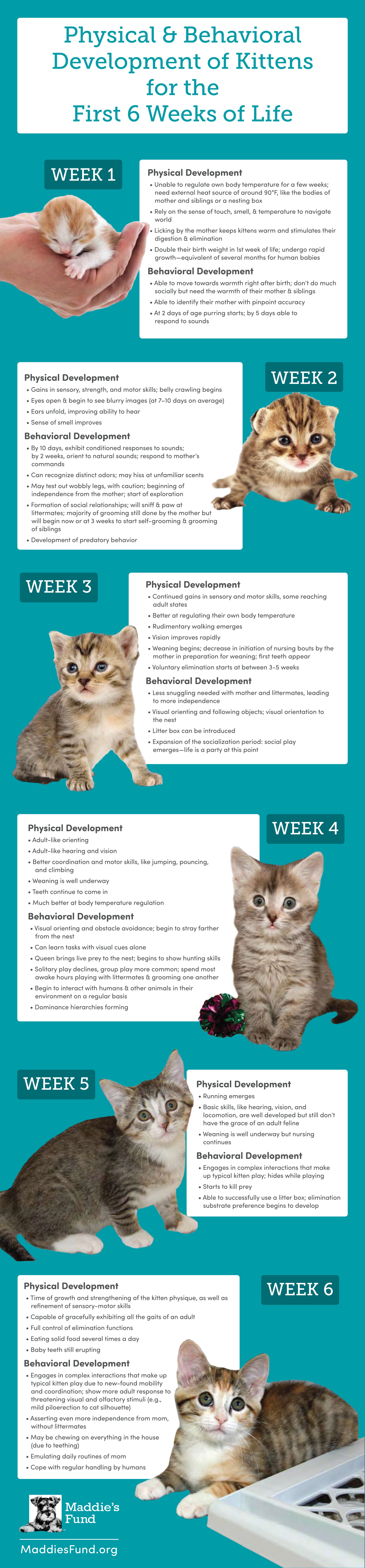
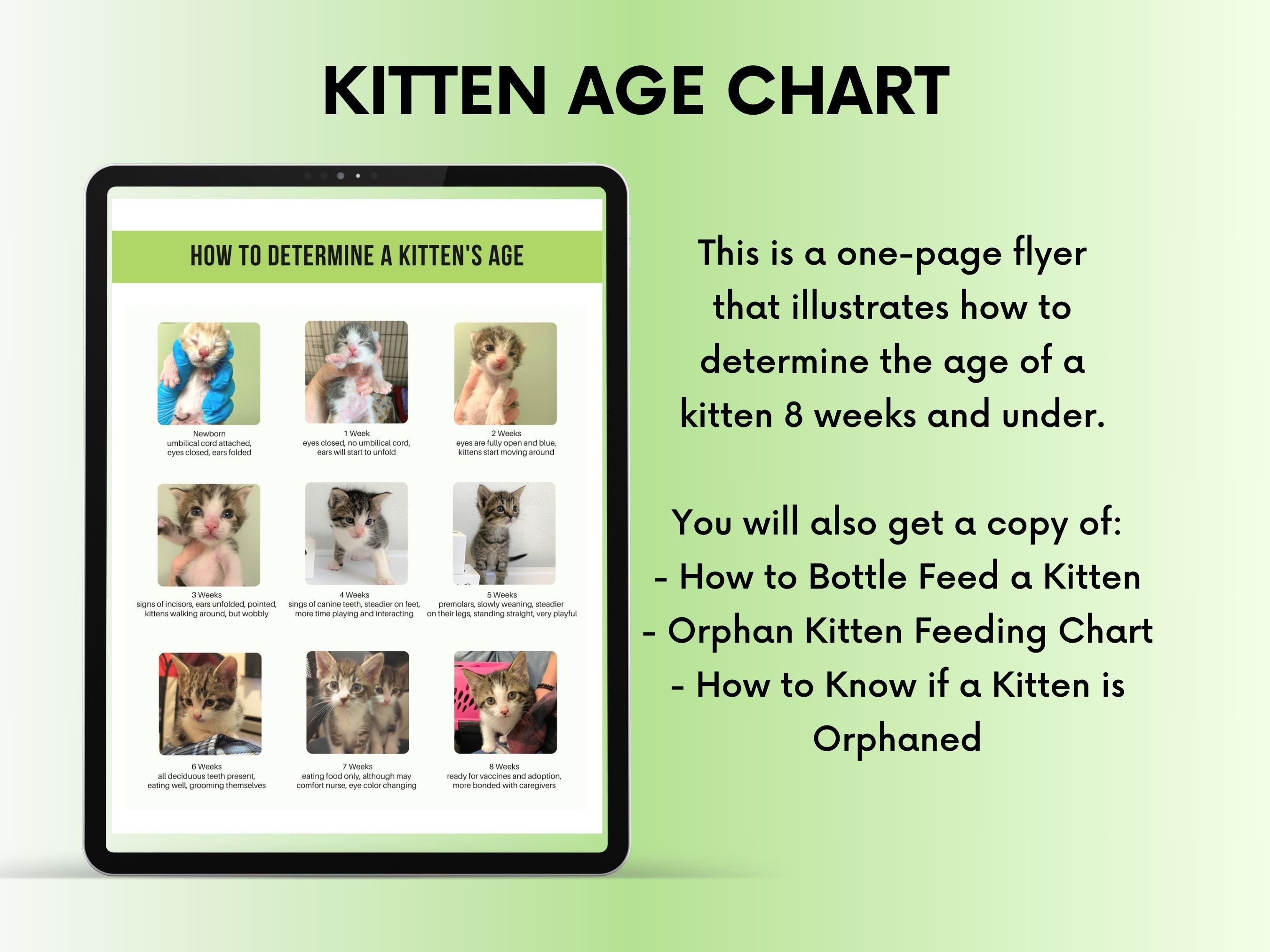
The kitten age chart is a valuable tool for cat owners and enthusiasts, offering a visual representation of a kitten's growth and development over time. This chart provides a practical guide to understanding a kitten's age and the associated milestones.
Key Details and Categories
The kitten age chart typically presents age in weeks or months, with corresponding physical and behavioral changes. It covers a kitten's journey from birth to adulthood, usually up to one year. The chart may vary slightly depending on the standard used, but it generally follows a consistent format.
Reading and Applying the Chart
To use the kitten age chart accurately, follow these steps:
- Identify the age of your kitten in weeks or months.
- Locate the corresponding age range on the chart.
- Review the physical and behavioral characteristics listed for that age range.
- Compare these characteristics to your kitten's development.
- Note any significant variations or delays, which may indicate the need for veterinary attention.
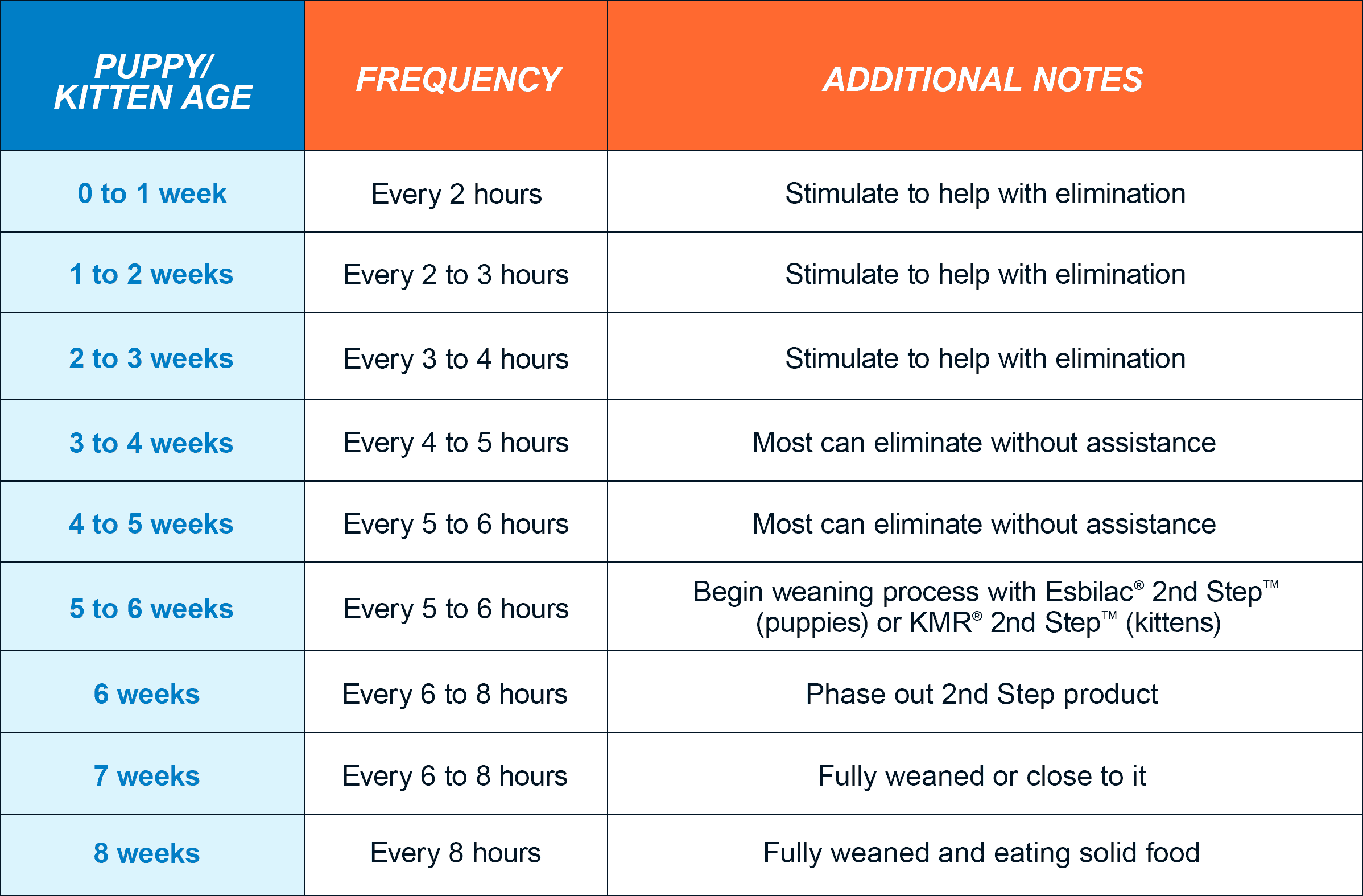
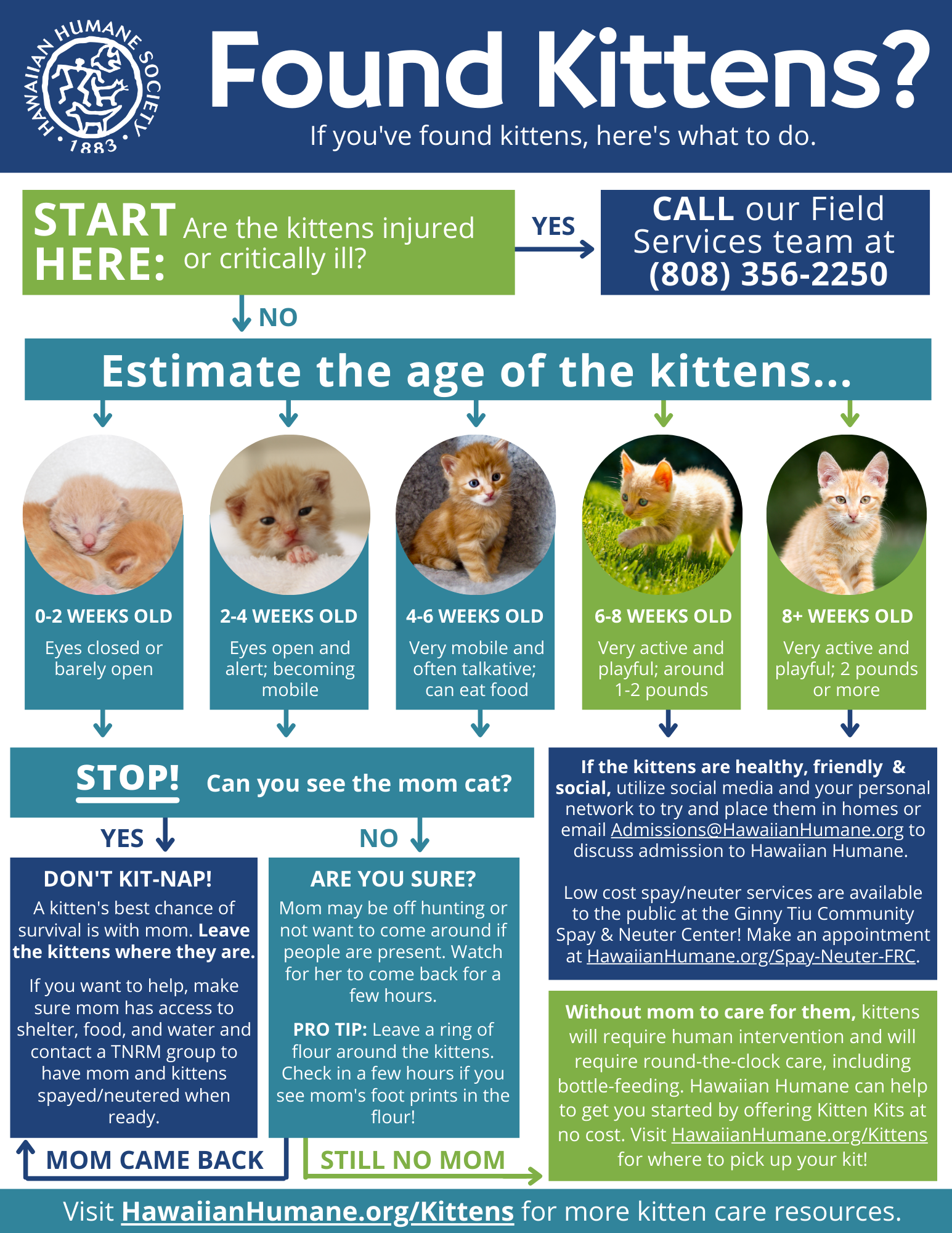
For instance, a four-week-old kitten should be gaining weight steadily, with eyes and ears opening, and initial attempts at walking. By eight weeks, kittens should be fully weaned and showing more independence.
Variations in Growth
It's important to note that every kitten is unique, and growth rates can vary. Factors such as breed, nutrition, environment, and overall health can influence a kitten's development. Here are some key variations to consider:
- Breed: Different cat breeds have distinct growth patterns. For example, larger breeds may take longer to reach maturity.
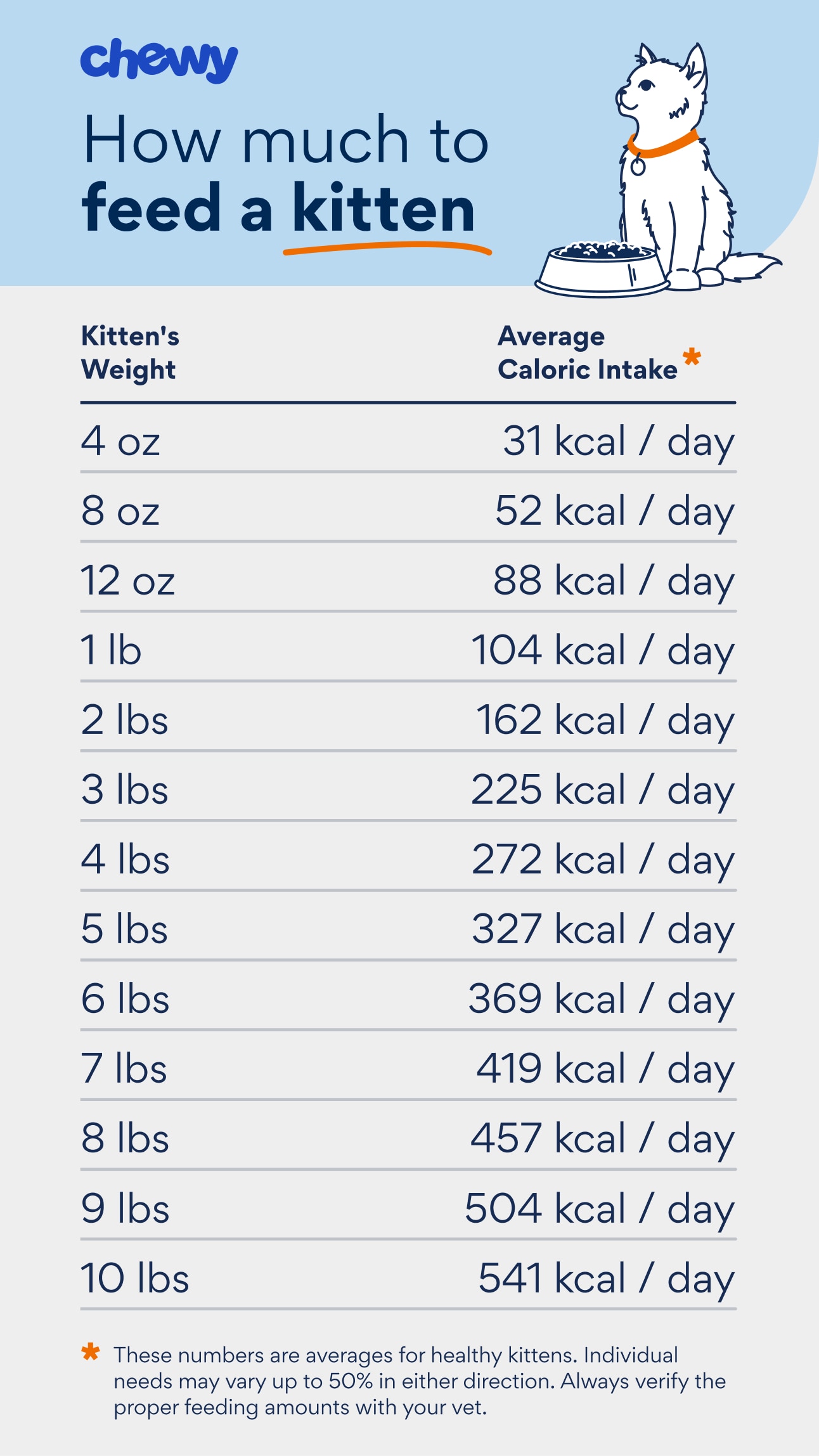
- Nutrition: A well-balanced diet is crucial for healthy growth. Malnutrition can lead to stunted development.
- Environment: A stimulating and safe environment promotes healthy growth. Stress or lack of stimulation can impact a kitten's development.
- Health: Underlying health issues can affect growth. Regular veterinary check-ups are essential to identify and address any concerns.
Remember, the kitten age chart provides a general guide, and individual kittens may develop at their own pace. If you have concerns about your kitten's growth, consult a veterinarian for personalized advice.
Remember that while this chart provides a great starting point, the exact details may differ slightly based on your kitten's unique development and the specific guidelines you follow. Every kitten is an individual, so keep an eye on their progress and adjust your expectations accordingly.
Feel free to explore our other guides for more practical tips and insights into the wonderful world of kitten care. You'll find a wealth of information to support you and your furry friend through every stage of their growth and development.
Related: How to Read an Infant Shoe Chart?
You're probably here because you need to find the right shoe size for your little one, and you're right to turn to the infant shoe chart for guidance. It's a simple yet effective tool, a quick reference guide that takes the guesswork out of buying shoes for babies and toddlers. With various standards and measurements, the chart ensures you get the perfect fit, and it's a handy resource to have when you're in a rush or shopping online.
Understanding the Infant Shoe Chart
The infant shoe chart is your go-to guide for finding the perfect shoe size for your little one. It's a simple yet effective tool that ensures your baby's shoes fit comfortably and safely. This chart is a reference point, a map to navigate the world of tiny shoe sizes!
Key Details and Categories
Let's break down the basics. The infant shoe chart typically displays two main categories: shoe size and foot length. Shoe sizes are often represented by numbers or letters, depending on the standard you're using. For example, US infant shoe sizes might use numbers like 1, 2, or 3, while European shoe sizes might use letters like 16, 17, or 18. Alongside these sizes, you'll find the corresponding foot length, usually measured in centimeters (cm). This length represents the ideal foot size for that particular shoe size.
Step-by-Step Guide: Reading the Chart
Here's a simple guide to reading and using the infant shoe chart:
Measure your baby's foot length accurately. You can do this by placing their foot on a flat surface and measuring from the heel to the tip of their big toe.
Convert this measurement to centimeters if it's not already.
Locate the measured foot length on the chart.
Find the corresponding shoe size. This is the recommended size for your baby's foot.
If you're between sizes, it's generally better to go up to the next size to ensure comfort and allow room for growth.
Size Variations and Differences
It's important to note that shoe size charts can vary slightly depending on the brand or manufacturer. Some brands might have slightly different standards or measurements, especially when it comes to the width of the shoe. Additionally, regional differences can also impact the chart's measurements. For instance, US infant shoe sizes might differ slightly from international or metric standards. Always double-check the specific brand's or region's guidelines to ensure an accurate fit.
Common Mistakes and How to Avoid Them
One common mistake is assuming that all shoe size charts are the same. As mentioned, variations exist, so it's crucial to refer to the right chart for the brand or region you're shopping in. Another mistake is not measuring your baby's foot accurately. Ensure you get an exact measurement, as even a small difference can impact the fit. Finally, don't forget to consider the width of your baby's foot. Some brands offer different widths for the same length, so pay attention to this detail to ensure a comfortable fit.
Practical Tips for Accurate Sizing
When using the infant shoe chart, keep these tips in mind:
Measure your baby's feet regularly, especially during their first year, as they grow rapidly.
Always allow some room for growth. A slightly larger size is better than a tight fit.
Consider the type of shoe and its intended use. For example, boots might require a different fit compared to sandals.
If you're shopping online, ensure the website provides detailed size guides and conversion charts specific to their brand.
Don't forget to check the width of the shoe, especially if your baby has wider or narrower feet.
Remember, the infant shoe chart is a valuable tool, but it's always a good idea to double-check and ensure the perfect fit for your little one's growing feet!
Well, there you have it! A handy guide to navigating the world of infant shoe sizing. Remember, while this chart provides a great starting point, it's always wise to consider your unique circumstances.
So, before you hit the stores, take a moment to ensure you've got all the right measurements and any specific requirements for your little one's feet. It's a simple step that can save you time and ensure a perfect fit. And don't forget, you can always bookmark this page for a quick refresh when needed. Happy shopping!
Related: A Guide to Reading Banjo Chord Charts
You're probably here because you need a quick reference, a reliable guide to navigate the world of banjo chords. And what better tool than a banjo chord chart? It's a simple yet powerful resource, offering a visual representation of chords and their finger placements. This chart is your go-to companion, especially when you're learning new tunes or exploring different styles. It may vary slightly depending on the source, but the core information remains consistent, making it a handy and accessible tool for any banjo enthusiast.
Understanding the Banjo Chord Chart
The banjo chord chart is your go-to guide for mastering banjo chords. It's a visual representation, often a diagram or table, that simplifies the complex world of banjo music. This chart displays various chords, their finger placements, and sometimes even the corresponding notes and frets. It's an essential tool for banjo players, especially beginners, as it provides a quick reference for mastering chord progressions.
Comparing Chord Chart Formats
There are a few standard formats for banjo chord charts. Some charts use a grid-like structure, showing the banjo's fretboard with dots or numbers indicating finger positions. Others might use a more simplified approach, focusing on the chord shapes and their names. The choice of format often depends on the level of detail required and personal preference. For instance, a beginner might prefer a chart with clear, simple chord shapes, while an advanced player might opt for a more detailed fretboard diagram.
Using the Chart: A Step-by-Step Guide
To use the banjo chord chart effectively, follow these steps:
- Identify the chord you want to play. This is usually indicated by a letter or a chord name.
- Locate the corresponding chord diagram or fretboard chart.
- Place your fingers according to the diagram. Ensure your fingers are correctly positioned on the indicated frets.
- Strum or pluck the strings, and you've played the chord!
Common Misreadings and How to Avoid Them
While banjo chord charts are incredibly useful, there are a few common pitfalls to watch out for:
- Alternative Tunings: If you've altered your banjo's standard tuning, the chord chart might not align perfectly. Always ensure you're using the correct chart for your tuning.
- Open Chords: Some charts might not differentiate between open and barre chords. Open chords often have simpler finger placements, so ensure you understand the difference.
- Fret Placement: Misreading fret numbers is common. Double-check the fret positions, especially for chords with multiple notes.
- String Banjo: Ensure you're using a chart designed for a string banjo, as other types might have different string arrangements.
Remember, practice makes perfect! The banjo chord chart is a tool to guide your learning, but consistent practice is key to mastering these chords.
Hey there, banjo enthusiasts! We've covered a lot of ground with this chart, giving you a handy tool to navigate the world of banjo chords. Remember, the specifics might shift a bit based on your unique context, so always double-check.
Feel free to explore other guides and resources to enhance your banjo-playing skills. And don't forget to bookmark this page for future reference; it'll be a quick and easy way to refresh your memory whenever you need a chord reminder!