



Nail Size Chart Easy Overview
Many folks get overwhelmed when they first see a shades eq chart, thinking it's some complex, mysterious tool. But it's actually a simple, visual guide to hair color magic! This chart is your friend, offering a clear path to achieving those perfect hair tones.
It's a handy reference, whether you're a pro stylist or a color-curious individual. You'll find it covers various color mixing ratios and toning techniques, and while the specifics might vary slightly depending on your region or brand, the shades eq chart concept remains a reliable companion for your hair color adventures.
Understanding the Shades EQ Chart: A Simple Guide
The Shades EQ Chart is a valuable tool for hair professionals and enthusiasts, offering a visual guide to hair color mixing and toning. It simplifies the process of achieving desired hair shades and helps avoid common color mistakes.
Key Details and Categories
This chart typically features a grid-like structure, with rows and columns representing different hair color categories. The rows often indicate the base color or starting shade, while the columns represent the desired end result or tone. Each cell in the grid provides a specific mixing ratio or formula to achieve the target color.
How to Read and Apply the Chart
Reading the Shades EQ Chart is straightforward. Identify your client's current hair color on the chart, which serves as the base. Then, determine the desired new color or tone. The intersection of these two colors on the chart provides the recommended mixing ratio. For instance, if the base color is a level 6 and you aim for a warm brown tone, the chart will guide you to mix specific amounts of warm brown toner with the base color.
Variations and Differences
It's important to note that Shades EQ Chart variations exist, often due to different standards or manufacturer-specific formulas. These charts may use various color notations and mixing ratios, so always refer to the specific chart's guidelines. Additionally, hair porosity, previous color treatments, and natural hair texture can influence the final result, requiring adjustments to the standard ratios.
Common Mistakes and How to Avoid Them
A frequent error is overlooking the hair's condition and history. Always consider the client's hair health and previous color treatments. Another mistake is not following the recommended mixing ratios precisely. Accurate measurements are crucial for consistent results. Lastly, neglecting to perform a strand test before a full application can lead to unexpected outcomes.
Tips for Accurate Results
For precise color outcomes, ensure you're using the correct Shades EQ Chart for your product and standard. Always measure toners and developers accurately, and follow the recommended ratios. Conduct a strand test to preview the final result, especially with dramatic color changes. Additionally, be mindful of the hair's porosity and adjust the developer strength or processing time accordingly.
Double-Checking and Handling Exceptions
While the Shades EQ Chart is a valuable guide, it's essential to double-check the exact specifications for your product and client's hair. Some hair types may require customized formulas or additional steps. Always refer to the product manufacturer's guidelines and consider seeking professional advice for complex color corrections or unique hair conditions.
Remember, the Shades EQ Chart is a tool to simplify the hair coloring process, but it's not a one-size-fits-all solution. Adapt and customize the formulas based on individual hair needs for the best results.
Well, there you have it! A handy guide to navigating the shades eq chart with ease. Remember, these charts are a great reference, but it's always wise to double-check the specifics for your unique situation.
Consider bookmarking this page for future reference; it might just save you some time and effort the next time you need a quick reminder. Happy charting!
Related: How to Use the Cerenia Dose Chart?
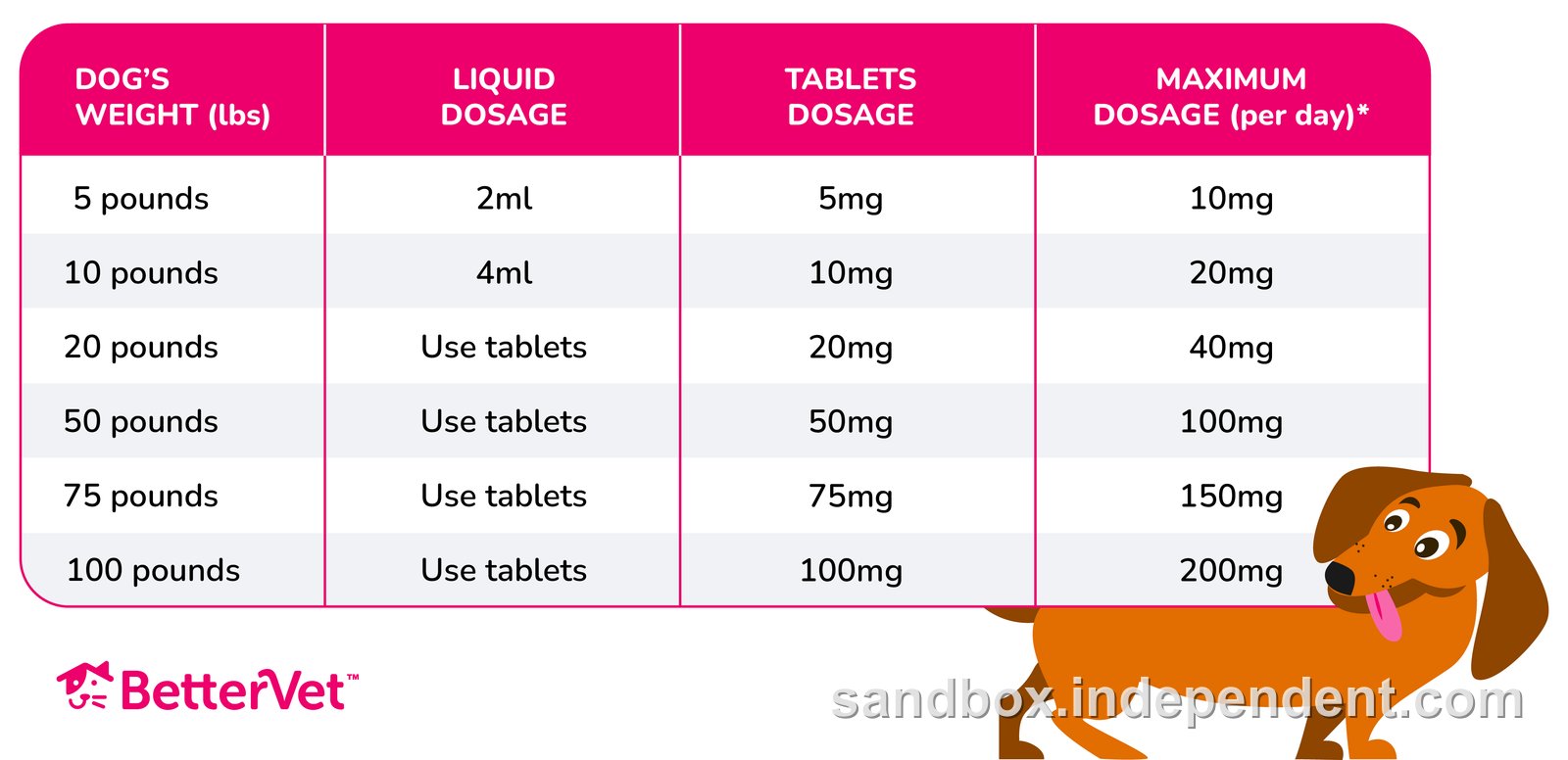
You're likely here because you need a quick solution or some clarity on how to use the cerenia dose chart effectively. It's a handy tool, often in the form of a table or diagram, designed to make dosing cerenia, an anti-nausea medication, simple and accurate. This chart is a go-to reference for pet owners and vets alike, providing a straightforward guide to ensuring your furry friend gets the right dose. While the values may vary depending on factors like weight and region, the cerenia dose chart offers a reliable starting point for administering this veterinary nausea medication.
Understanding the Cerenia Dose Chart
The cerenia dose chart is a valuable tool for pet owners and veterinary professionals, providing a quick and easy reference guide for administering the antiemetic medication Cerenia. This chart ensures accurate dosing, which is crucial for treating nausea and vomiting in cats and dogs.
Key Details and Units
The chart typically displays two key categories: animal weight and corresponding dose. Weight is usually measured in pounds (lbs) for cats and dogs, with standard weight ranges from a few pounds to over 100 lbs. The dose is presented in milligrams (mg) and often includes both oral and injectable options, depending on the medication's form.
Interpreting the Chart: A Step-by-Step Guide
- Locate your pet's weight on the chart. Ensure you have an accurate and recent weight measurement, as this is the primary factor in determining the correct dose.
- Find the corresponding dose for that weight. The chart will indicate the recommended dose, typically in a range to allow for slight variations. For example, a 20-lb dog might have a dose range of 20-25 mg.
- Administer the medication as directed. Follow the instructions on the medication label, which will specify whether to use the oral or injectable form. Ensure you use the correct form and measure the dose accurately.
- Repeat as needed. The frequency of administration will depend on the medication's instructions and your pet's specific condition. Always consult your veterinarian for guidance on the appropriate dosing schedule.
Variations and Differences
While the cerenia dose chart provides a standard guide, variations can occur due to several factors. Different manufacturers may have slightly different recommendations, so always check the specific medication's label. Additionally, the chart's weight ranges might not cover all pets, especially very small or large breeds. In such cases, consult your veterinarian for precise dosing instructions. Storage and handling tips can also impact the medication's effectiveness, so always follow the storage guidelines to maintain the drug's integrity.
Remember, while the cerenia dose chart is a helpful tool, it's essential to prioritize your pet's health and well-being. Always seek professional advice if you have any concerns or questions about administering medication.
Remember, the Cerenia dose chart is a handy tool, but it's always a good idea to double-check the specifics for your unique situation. Exact dosages and guidelines can vary, so it's best to consult the relevant resources or seek professional advice when needed.
Feel free to explore our other guides; we've got plenty of practical tips and references to help you navigate various topics with ease. Happy learning, and stay informed!
Related: What's the Right Bat Size for You?
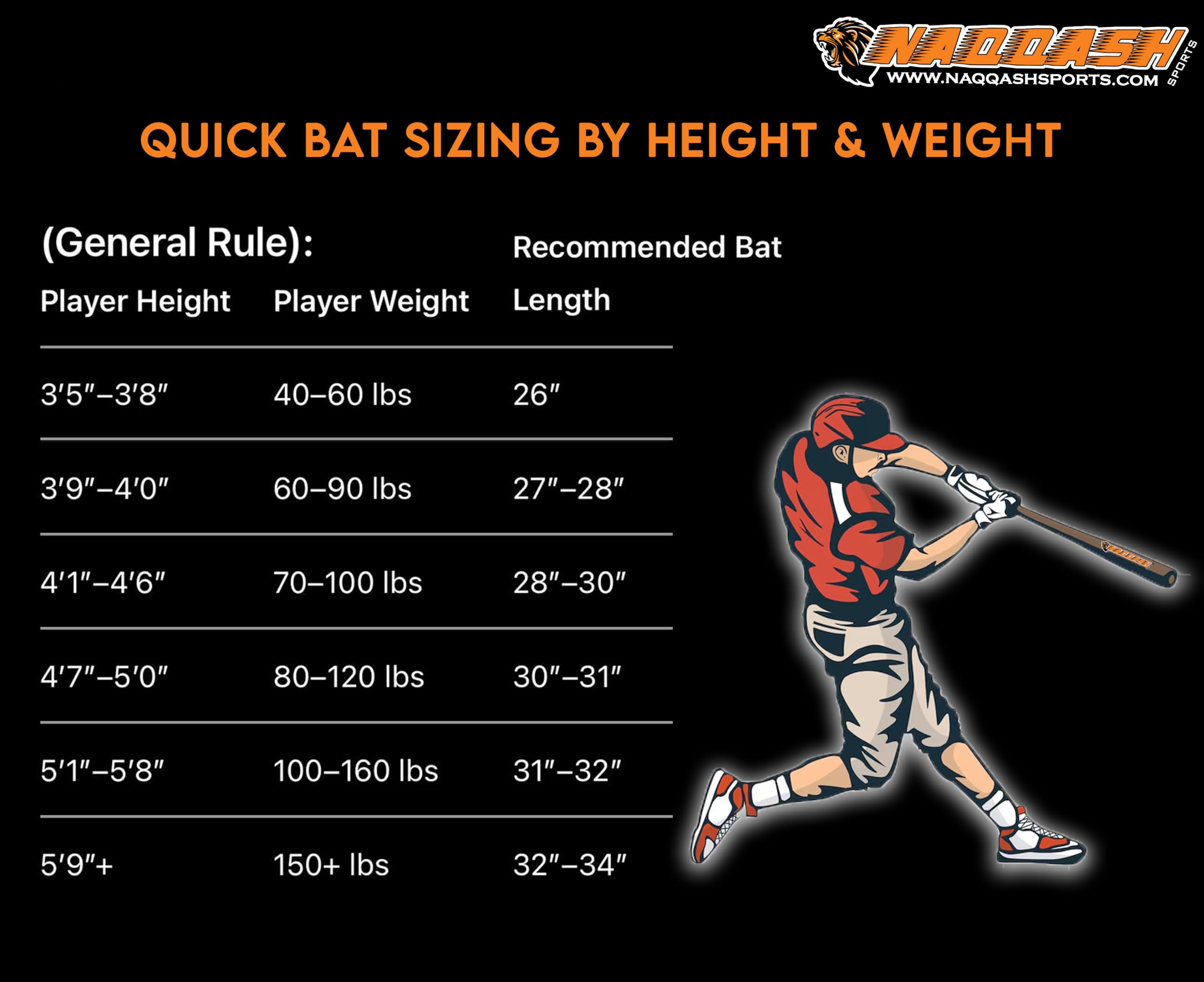
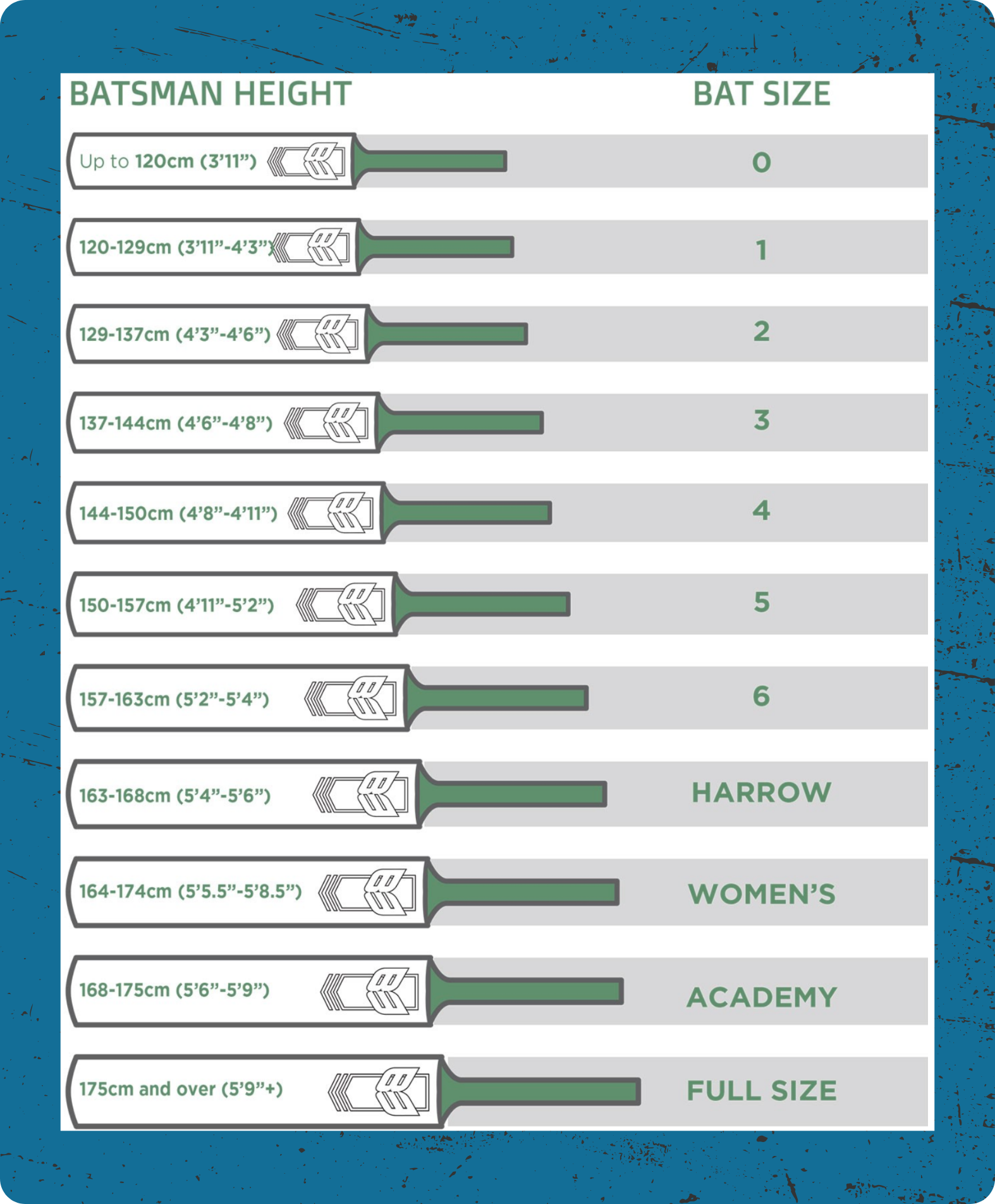
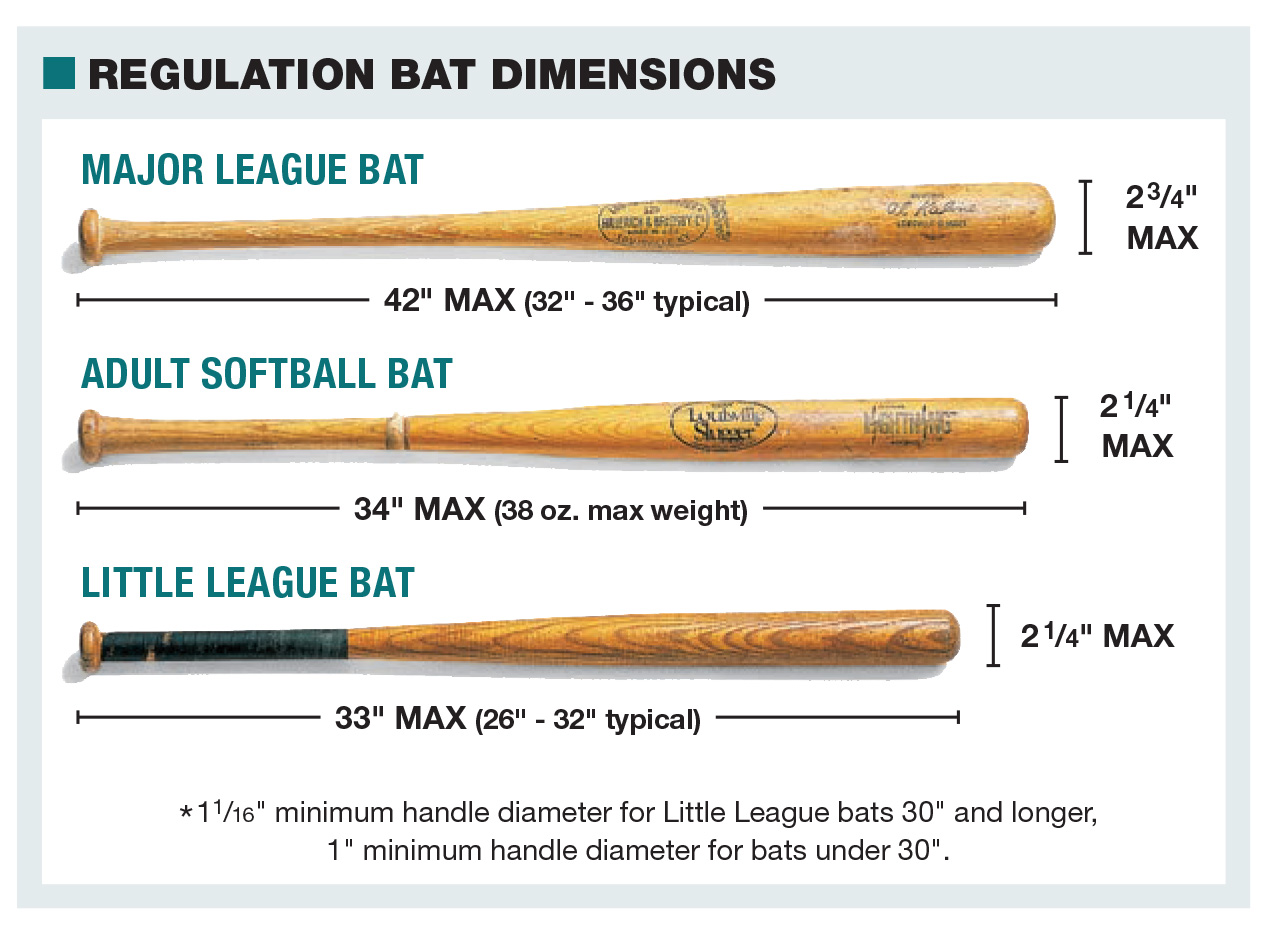
Many people assume that a bat size chart is solely about the length of a bat, but it's actually a comprehensive guide covering various dimensions and specifications. While length is an essential factor, a bat size chart also provides insights into other critical aspects, ensuring you choose the right equipment. This simple yet effective tool offers a quick reference, guiding you through the process of selecting the perfect bat size, whether for yourself or a young player.
Understanding the Bat Size Chart: A Quick Overview
The bat size chart is an essential tool for anyone involved in baseball or softball, offering a simple yet effective way to determine the appropriate bat size for players of all ages and skill levels. This chart acts as a reference guide, providing measurements and recommendations to ensure players have the right equipment for their physical attributes and playing style.
Comparing Bat Size Standards and Formats
Bat size charts can vary depending on the sport and the specific standards or regulations followed. For instance, baseball and softball often have different size charts, and even within these sports, there might be variations for youth leagues, adult recreational play, or professional leagues. These charts typically cover bat length and weight, with some also including additional factors like drop weight (the difference between bat length and weight) and barrel diameter.
Measuring for the Right Bat Size: A Step-by-Step Guide
To use a bat size chart accurately, follow these steps:
- Identify the relevant chart for your sport and league.
- Measure the player's height and, if applicable, their weight.
- Refer to the chart to find the recommended bat length based on the player's height and weight.
- Consider the player's age and skill level, as these can influence the ideal bat weight and drop.
- Select a bat within the recommended range, keeping in mind that personal preference and comfort are also important factors.
Common Size Variations and How to Avoid Misreadings
While bat size charts provide a great starting point, there can be variations due to several factors:
- Height and weight are just two of many physical attributes that can influence bat size. Hand size, arm length, and overall strength can also play a role.
- Age and skill level are often used as general guidelines, but individual player development and experience can vary widely.
- Manufacturer variations can occur, as different brands might have slightly different size recommendations or use unique sizing systems.
To ensure a perfect fit, it's essential to consider these factors and not solely rely on the chart. Always allow for some flexibility and personal preference, as the ultimate goal is to find a bat that feels comfortable and performs well for the individual player.
Before you put this guide to use, remember to cross-check your specific needs and requirements. While the chart offers a comprehensive overview, exact values can vary, so it's essential to ensure you're referring to the right standard or source for your context.
Consider bookmarking this page for future reference; it's a handy tool to have at your fingertips when you need a quick reminder of bat sizes. Stay organized, and happy batting!